
Sauces & Condiments
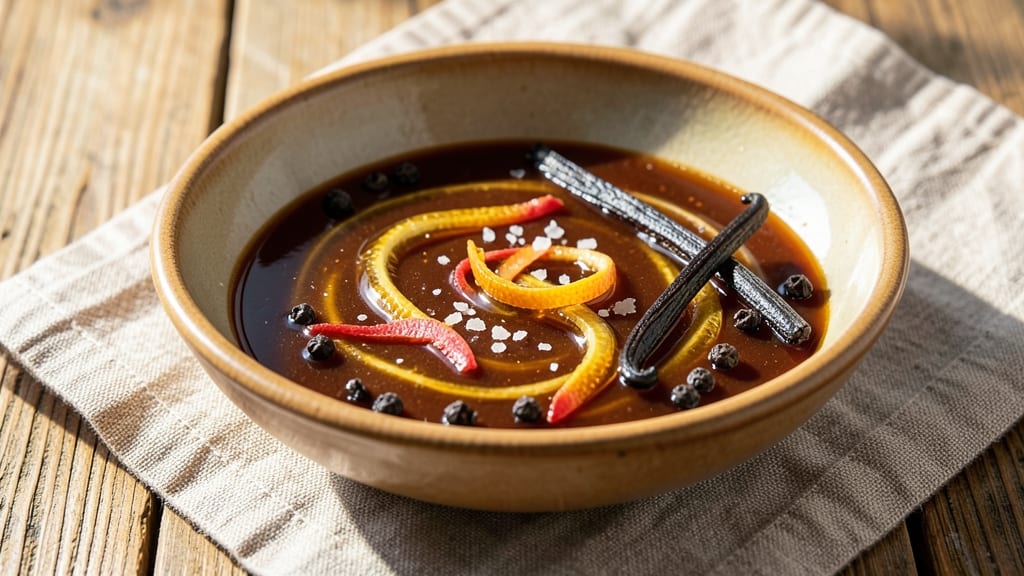
This balsamico sauce recipe transforms simple vinegar into a luxurious, honeyed reduction with deep caramel notes and perfect balance. The secret lies in slow simmering to concentrate flavors while maintaining that signature tangy-sweet profile—no fancy equipment needed.
What starts as tart balsamic vinegar becomes a glossy, versatile sauce that elevates everything from salads to roasted meats.
The process is straightforward: combine balsamic vinegar, honey, and a touch of vanilla (optional) in a saucepan, then reduce by half over medium heat. Stirring occasionally prevents burning while developing complex caramelization.
The result is a sauce that's rich enough for drizzling over desserts but bright enough to cut through rich dishes like duck or mushroom risotto.
What makes this sauce truly special is its versatility—use it as a glaze for grilled vegetables, a finishing touch for pasta, or even a sweet-savory dip for cheese boards. The honey softens the vinegar's acidity while adding subtle floral notes, creating depth that store-bought versions can't match.
With proper storage, this sauce keeps for weeks, making it perfect for meal prep.
For best results, reduce the sauce until it coats the back of a spoon, then let it cool slightly before storing in an airtight container. The flavors continue to meld over time, becoming even more complex.
This isn't just a sauce—it's a flavor multiplier that turns ordinary meals into something extraordinary with minimal effort.
Ingredients for balsamico sauce
Six ingredients transform tart vinegar into a luxurious, honeyed sauce with caramel depth.
| Ingredient | Amount | Notes |
|---|---|---|
| Balsamic Vinegar 🍷 | 1 cup | High-quality aged balsamic preferred |
| Honey 🍯 | ½ cup | Wildflower or clover honey works best |
| Vanilla Extract 🌿 | 1 tsp | Pure vanilla extract for depth |
| Orange Zest 🍊 | 1 tsp | Freshly grated for bright citrus notes |
| Sea Salt 🧂 | ¼ tsp | Fine grain for delicate seasoning |
| Black Peppercorns 🌶️ | 4 whole | Freshly cracked for aromatic depth |
| Extra-Virgin Olive Oil 🫒 | 1 tbsp | For glossy finish and richness |
The balsamic vinegar is the backbone—look for aged varieties like Modena at specialty stores or Trader Joe's for quality without the splurge. Honey should be liquid at room temperature; local wildflower adds floral notes that complement the vinegar beautifully. Fresh orange zest is a game-changer (the good stuff, not the pre-grated kind)—it brightens the sauce and cuts through the richness. If you can't find fresh, zest from a bottle works in a pinch, but it lacks that vibrant pop. The vanilla extract might seem small, but it rounds out the acidity beautifully—pure Madagascar bourbon vanilla is ideal if you're feeling fancy.
No honey? Maple syrup or agave nectar work in a 1:1 ratio, though the flavor profile shifts slightly. Skip the zest? A splash of orange juice (1 tbsp) adds moisture and tang. Running out of vanilla? Almond extract at half the amount gives a similar floral lift, though it's more pronounced. The olive oil is optional but adds a silky finish—infuse it with garlic for an extra layer of flavor if you're feeling adventurous. For a spicier kick, add a pinch of red pepper flakes or a cracked cardamom pod while reducing. The peppercorns should be toasted lightly in a dry pan before cracking for maximum aroma.
This sauce peaks after 24 hours in the fridge—flavors meld and deepen over time. Store in a glass jar with a tight seal in the fridge for up to 2 weeks, or freeze for 3 months. The reduction thickens as it cools, so you can thin it with a splash of water or vinegar if needed. Drizzle over roasted vegetables, toss with pasta, or use as a glaze for grilled meats. The sauce also freezes beautifully in ice cube trays for portion control—just pop out what you need and reheat gently.
Why You'll Love This Recipe
- Five-Ingredient Magic: I swear by this combo—just heat, stir, and taste. No peeling garlic, no mincing herbs, just you, a saucepan, and five things you already own. Honestly, it’s the kind of recipe that makes me feel like I’ve earned my dinner.
- Sweet-Savory Balance: That first drizzle? Chef’s kiss. The honey rounds out the tangy balsamic while the vanilla and orange zest add this bright, almost floral lift—like a fancy dessert sauce but for your weeknight pasta. (Yes, even on a Tuesday night.)
- Pantry Staple Power: Between us, this sauce turns dull meals into "I actually cooked" moments. Drizzle it over grilled chicken, toss it with roasted veggies, or even swirl it into yogurt for breakfast. I’ve used it for everything from weeknight dinners to holiday appetizers—no fuss, just flavor.
- Make-Ahead Secret Weapon: I double the batch and keep it in the fridge for up to two weeks. The flavors get richer over time, and it’s always ready when I need a quick glaze for salmon or a drizzle for toast. Budget-friendly? Absolutely—costs pennies but tastes like you spent hours.
Step-by-step instructions for a rich balsamic reduction
This elegant sauce transforms simple ingredients into a velvety, aromatic masterpiece perfect for drizzling over meats or desserts.
Combine Base Ingredients in a Saucepan
In a medium saucepan, pour in the 1 cup Balsamic Vinegar and place it over medium-high heat. As the vinegar begins to warm, add the 0.5 cup Honey and stir gently to integrate the sweetness. You'll notice the mixture immediately starts to bubble—this is your signal to reduce the heat to medium-low to prevent boiling over.
Here's the thing—this initial reduction is where the magic begins. The vinegar's acidity and the honey's sweetness start to marry, creating a complex flavor foundation. Let the mixture simmer for 5-7 minutes until it reduces by about 25%, or until it reaches a syrupy consistency. You'll see the liquid darken slightly as the flavors deepen.
Infuse with Aromatics and Seasonings
Once the base has reduced, stir in the 1 tsp Vanilla Extract and 1 tsp Orange Zest, scraping the bottom of the pan to incorporate any caramelized bits that have formed. These ingredients will add layers of warmth and brightness that balance the vinegar's tang. Add the 4 whole Black Peppercorns and 0.25 tsp Sea Salt—the peppercorns will infuse subtle heat, while the salt enhances all the flavors.
Real talk: don't skip the scraping step. Those browned bits are pure flavor gold. Continue simmering for another 3-5 minutes until the mixture thickens further and coats the back of a spoon. You're aiming for a consistency that's glossy but still pourable—think of it like a thick syrup that clings beautifully to whatever you drizzle it over.
Finish with Olive Oil for Luxurious Texture
Remove the saucepan from heat and let it cool slightly for 1-2 minutes. This brief rest prevents the olive oil from separating when added. Using a whisk, slowly drizzle in the 1 tbsp Extra-Virgin Olive Oil while whisking continuously. The oil will emulsify with the reduction, creating a silky, velvety texture that's far more luxurious than the individual components.
Here's where it gets fun—taste and adjust. If the sauce needs more depth, return it to low heat for another minute. If it's too sharp, a touch more honey can balance it. The peppercorns can be removed at this stage if you prefer a smoother texture, but I like to leave them in for subtle heat. The sauce should now have a perfect harmony of sweet, tangy, and aromatic notes.
Strain and Serve Immediately
Strain the warm sauce through a fine-mesh sieve into a clean bowl or pitcher to remove the peppercorns and any remaining zest particles. This step ensures a silky-smooth finish. The sauce should now be a deep amber color with a glossy sheen—this is your visual cue that it's ready to serve.
Use the sauce immediately while still warm for the best texture and flavor impact. It's perfect for drizzling over grilled meats, seared scallops, or even as a glaze for roasted vegetables. If you need to store it, transfer to an airtight container and refrigerate for up to 1 week, though I promise you'll use it up quickly—it's that good.
Pro Tips For Making Balsamico Sauce
- Simmer Slow and Low: I learned this the hard way—rushing the reduction on medium-high heat turns your balsamic into a bitter, syrupy mess. Keep it at a gentle bubble (just enough to see tiny ripples) for 10-15 minutes, or until it thickens to coat the back of a spoon. The patience pays off with real depth of flavor.
- Zest Fresh, No Compromises: That jarred orange zest you found in the back of the pantry? Toss it. Freshly grated zest has the bright, punchy oils that jarred versions lack—especially important here since it’s the only citrus in the mix. Use a fine grater and rub it directly into the warm sauce (the heat releases more aroma).
- Salt in Stages: Dumping all the salt at once flattens the flavors. Instead, add half the sea salt with the honey and vanilla, then taste as you reduce. Adjust with the remaining salt at the end—you’re aiming for a balance where the sweetness and acidity sing without the salt overpowering. (Yes, even if your recipe says "to taste.")
- Skip the Vanilla Bean: Unless you’re using a split vanilla pod (and scraping out the seeds), just grab the extract—it’s more reliable for this sauce. A ¼ teaspoon is enough; any more and you’ll taste artificiality. Add it with the honey while the mixture is still warm to let the flavors meld. (I was skeptical until I tried it.)
Storing and reheating this recipe
Refrigerator Storage
Transfer your freshly made balsamic sauce to a glass jar or airtight container while it's still warm but not hot—this helps prevent condensation that can dilute flavors. Let it cool completely before sealing, then store in the refrigerator for up to 2 weeks.
The sauce will thicken slightly as it chills, so add a splash of water or vinegar if you prefer a thinner consistency later. 💛
I always use amber glass jars (like those from Ball) to protect the sauce from light, which can degrade the delicate flavors over time. The honey and vinegar combo creates a natural preservative effect, but refrigeration extends its life while keeping it vibrant.
Pro tip: Label the jar with the date—trust me, you'll want to track how long it's been sitting there!
Freezing for Long-Term Use
For longer storage, freeze the sauce in ice cube trays—this makes it easy to grab just what you need without thawing the whole batch. Once frozen, transfer the cubes to a freezer-safe bag or container, leaving ½ inch headspace for expansion.
This method preserves the sauce's quality for up to 3 months, though I find it's best used within 2 months for peak flavor. ❄️
When ready to use frozen sauce, thaw it in the refrigerator overnight. If you're in a hurry, place the sealed container in a bowl of warm water for 10-15 minutes—this gentle heat method prevents shocking the sauce's texture.
Stir well before using, as frozen sauce may separate slightly. For a quick fix, microwave for 10 seconds on low power, then whisk vigorously to restore its silky consistency.
Reheating Stored Sauce
Reheat refrigerator-stored sauce gently on the stovetop over low heat for 2-3 minutes, stirring constantly to prevent scorching. Add 1-2 teaspoons of water or vinegar if the sauce thickens too much during reheating.
I avoid microwaving because it can break the sauce's emulsified texture, making it grainy. For best results, reheat just until warm—this sauce is delicious straight from the fridge! 🔥
If your reheated sauce seems dull, brighten it with a dash of fresh orange zest or a pinch of sea salt—these simple adjustments revive its depth. The sauce's flavors actually improve after storage, as the acidity and sweetness continue to meld.
This is why I always make extra—it tastes even better the next day!
Reviving Thickened Sauce
Over time, stored balsamic sauce may thicken beyond your liking. Thin it naturally by adding 1 teaspoon of warm water at a time while whisking vigorously. For a more vinegar-forward touch, use balsamic vinegar instead of water—this maintains the sauce's signature tang.
Avoid over-diluting, as the balance of flavors can become too watery. 💡
If the sauce separates completely, simply whisk it vigorously over low heat until smooth. The olive oil and honey will re-emulsify with gentle warmth. For stubborn separation, add ½ teaspoon of Dijon mustard (its acidity helps bind the ingredients).
This trick works wonders for restoring the sauce's luxurious texture without altering its flavor profile.
Nutrition facts
Frequently asked questions
Can I make this sauce without honey?
Replace the honey with ½ cup maple syrup or agave nectar for a similar sweetness level. For a more savory version, try ¼ cup brown sugar or even 1 tbsp balsamic glaze to deepen the caramel notes. The key is maintaining the 1:1 ratio with the vinegar to balance acidity.
How do I know when the sauce is reduced enough?
The perfect consistency coats the back of a spoon like thick syrup. It should be glossy but still pourable—not dry or grainy. Test by dipping a spoon in: if the sauce clings in a smooth ribbon, it's ready. Typically, this takes 15-20 minutes of active simmering.
What's the best way to use leftover sauce?
Drizzle over seared steaks, roasted Brussels sprouts, or warm polenta for instant flavor. For desserts, try it on vanilla ice cream or cheesecake slices—the tang cuts through sweetness beautifully. Even a spoonful stirred into yogurt makes a gourmet topping!
Why did my sauce crystallize after refrigerating?
This happens when the honey separates slightly. Simply reheat gently on low heat while whisking until smooth. If it's too thick, add 1 tsp warm water at a time. The sauce should never be grainy—this means it wasn't fully emulsified during cooking.
Can I make this sauce in a slow cooker?
Yes! Combine all ingredients in the slow cooker on low heat for 2-3 hours, stirring occasionally. The low-and-slow method develops deeper caramelization. Just watch the liquid level—you may need to reduce it further on the stovetop afterward for the right consistency.