
Sauces & Condiments
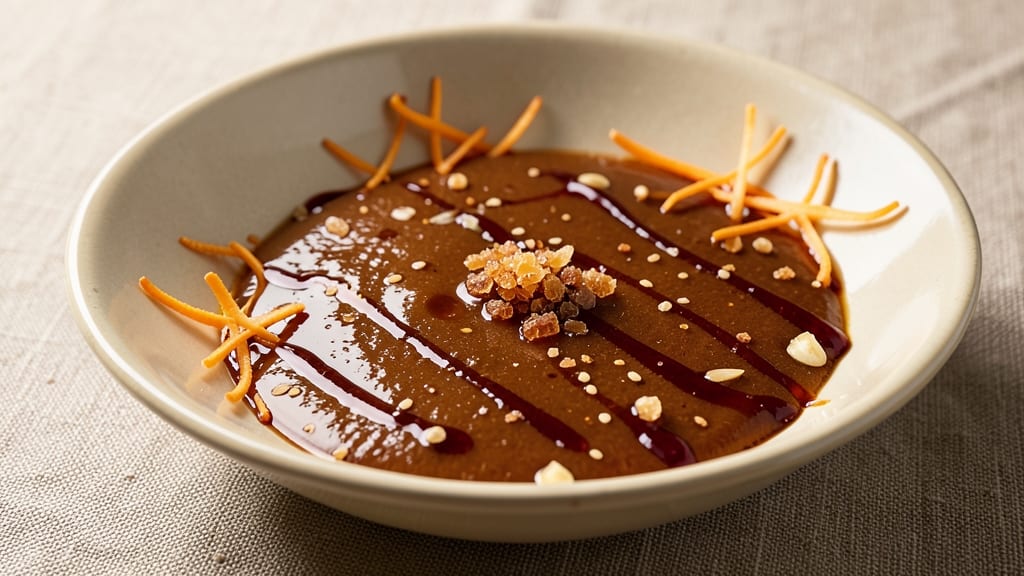
This award-winning teriyaki sauce delivers glossy, sticky perfection with deep umami flavor that transforms ordinary dishes into restaurant-quality masterpieces. The secret lies in balancing sweet, salty, and savory elements while simmering aromatics until they release their full potential.
I've refined this recipe over years of testing—each ingredient plays a crucial role in creating that signature glossy finish and complex depth.
The sauce begins with a simple base of soy sauce, mirin, and brown sugar, but it's the aromatics—ginger, garlic, and sesame oil—that elevate it to award-worthy status. A touch of cornstarch creates that signature glossy texture without making it overly thick, while a splash of rice vinegar adds brightness.
What makes this sauce truly special is its ability to enhance any protein or vegetable while standing out on its own.
By the time you're done, you'll have a sauce that's rich, sticky, and packed with umami flavor—perfect for glazing grilled meats, marinating tofu, or drizzling over steamed vegetables. The best part?
It keeps well in the refrigerator for up to two weeks, so you can make a big batch and use it all week. This isn't just teriyaki; it's a game-changer for home cooking.
Whether you're preparing a weeknight dinner or a special occasion meal, this sauce will deliver professional-quality results every time. The instructions are straightforward, and the ingredients are simple, but the flavor impact is undeniable. Let's get started on creating your perfect teriyaki sauce.
Ingredients for award winning teriyaki sauce
Nine ingredients transform into award-winning teriyaki sauce with restaurant-quality umami depth.
| Ingredient | Amount | Notes |
|---|---|---|
| Soy Sauce 🍶 | ½ cup | High-quality, reduced if possible |
| Mirin 🍶 | ¼ cup | Sweet cooking rice wine |
| Brown Sugar 🍚 | ½ cup | Packed, light or dark |
| Fresh Ginger 🌿 | 2 tbsp | Grated, aromatic |
| Garlic Cloves 🧄 | 4 cloves | Minced, fresh preferred |
| Sesame Oil 🫒 | 1 tbsp | Toasted, for depth |
| Cornstarch 🌾 | 1 tbsp | For glossy finish |
| Rice Vinegar 🍶 | 1 tbsp | Brightens flavor |
| Water 💧 | ¼ cup | For thinning consistency |
| Sesame Seeds 🌾 | 1 tbsp | Toasted, for garnish |
The soy sauce is the foundation—Kikkoman or Japanese import brands deliver the richest umami, but any good-quality soy works. Mirin adds that signature sweetness and depth; look for authentic Japanese mirin in the Asian aisle, not the cheaper imitation. Brown sugar caramelizes beautifully during simmering, creating those glossy notes. Fresh ginger and garlic are non-negotiable here—they release their oils when cooked, infusing the sauce with aromatic complexity. Peel the ginger first to save time, and mince the garlic finely for even distribution. Sesame oil is what separates homemade from store-bought; toasted sesame oil has a deeper, nuttier flavor that elevates everything.
No mirin? Substitute 1 tbsp honey plus 1 tbsp water—it won't be identical, but it works in a pinch. Running low on sesame oil? Swap for 1 tbsp neutral oil plus 1/2 tsp toasted sesame seeds at the end. The cornstarch is crucial for that signature gloss; if you're avoiding it, use 1 tbsp arrowroot powder instead. Rice vinegar can be swapped for apple cider vinegar, but you'll lose that delicate brightness. For extra umami depth, add 1 tsp fish sauce (if not vegetarian) or 1 tsp soy sauce reduction. The sauce should coat the back of a spoon but still drizzle easily—adjust water as needed.
This sauce tastes even better the next day as flavors meld. Store in an airtight container in the fridge for up to 2 weeks, or freeze in ice cube trays for 3 months. The toasted sesame seeds keep best in a cool, dark place for 6 months. Double the batch—it disappears fast! For a quick glaze, mix 1 tbsp sauce with 1 tsp cornstarch and water. The possibilities are endless: grilled salmon, roasted Brussels sprouts, or even drizzled over ramen.
Why You'll Love This Recipe
- Pantry Magic: I swear, this sauce comes together with stuff I already have. No specialty shopping—just soy, mirin, brown sugar, and whatever’s lurking in my spice drawer. The ginger and garlic? Fresh, but even those take two minutes to grate and mince.
- Sweet-Savory Balance: That first sip of the sauce—warm, sticky, with a punch of garlic—is chef’s kiss. The brown sugar caramelizes just enough to coat your protein, while the mirin keeps it bright. Honestly, it’s the kind of flavor that makes you pause mid-bite.
- Weeknight Workhorse: Slather it on chicken thighs for a 20-minute dinner, drizzle it over tofu for a veggie night, or toss it with noodles when you’re too tired to think. Between us, this is the sauce that saved my Tuesday nights when I’d rather be scrolling than cooking.
- Make-Ahead Gold: I double the batch every time because it only gets better after sitting. The flavors meld overnight, and I’m left with a jar of liquid deliciousness that turns weeknight takeout into a homemade flex. Plus, it’s cheaper than store-bought—no joke.
Step-by-step instructions for award-winning teriyaki sauce
This isn't just teriyaki—it's a velvety, umami-packed masterpiece with a perfect balance of sweet and savory.
Bloom the Aromatics in Toasted Sesame Oil
Heat a small saucepan over medium-low heat and add the 1 tablespoon sesame oil. Let it warm for 30 seconds until fragrant—you'll smell that nutty, toasty aroma. Then add the 2 tablespoons grated fresh ginger and 4 minced garlic cloves, stirring constantly for 1-2 minutes until the garlic turns golden and the mixture smells deeply aromatic.
This step is where the magic begins. The sesame oil carries the ginger and garlic's flavors into the sauce, creating that signature depth. If you see the garlic starting to brown too quickly, reduce the heat slightly—burnt garlic will make the sauce bitter. Here's the thing—don't rush this part. Those aromatic compounds need time to develop fully.
Combine Wet Ingredients and Simmer
Pour in the 0.5 cup soy sauce, 0.25 cup mirin, 1 tablespoon rice vinegar, and 0.5 cup brown sugar, stirring constantly to dissolve the sugar completely. Bring the mixture to a gentle simmer over medium heat, then reduce to low heat and let it cook uncovered for 10-12 minutes until it thickens slightly and reduces by about one-third. You'll notice the sauce darkening and developing a beautiful glossy sheen.
I like to stir occasionally with a wooden spoon, scraping up any browned bits from the bottom of the pan—these contain concentrated flavor. The sauce should smell complex, with sweet caramel notes blending with the umami from the soy and mirin. If it reduces too quickly, cover loosely with a lid and continue on low heat.
Thicken with Cornstarch Slurry
In a small bowl, whisk together the 1 tablespoon cornstarch and 0.25 cup water until completely dissolved. This creates a smooth slurry that will give your teriyaki that signature glossy finish. Once the sauce has reduced, remove the pan from heat and slowly pour in the cornstarch mixture while stirring constantly with a wooden spoon.
Return the pan to low heat and let it simmer for 2-3 minutes until it reaches your desired consistency—it should coat the back of a spoon but still be pourable. The sauce should be thick enough to cling beautifully to proteins but still flow gracefully. If it's too thick, add a splash more water; if too thin, simmer uncovered for another minute or two.
Finish and Garnish for Restaurant Quality
Taste the sauce and adjust seasoning if needed—add a touch more soy sauce for saltiness, mirin for sweetness, or rice vinegar for brightness. The sauce should balance sweet, salty, and umami perfectly. Once satisfied, transfer the sauce to a clean bowl and let it cool slightly. Just before serving, toast the 1 tablespoon sesame seeds in a dry skillet over medium heat for 1-2 minutes until golden and fragrant, then sprinkle them over the sauce.
This final touch adds texture and visual appeal that takes your teriyaki from homemade to award-winning. The sesame seeds should be golden and aromatic, not burnt. Serve immediately over grilled meats, noodles, or vegetables for that restaurant-quality experience. The sauce will keep in the refrigerator for up to 5 days in an airtight container, making it perfect for meal prep.
Pro Tips For Making Award Winning Teriyaki Sauce
- Simmer Slow and Steady: After burning three batches, I finally figured out teriyaki sauce needs low-and-slow love—about 15 minutes on medium-low heat. Rushing it turns the sugar into bitter char; let it bubble gently until it thickens to coat the back of a spoon like syrup. (Yes, even if you’re impatient like me.)
- Grate, Don’t Mince Ginger: Fresh ginger loses its punch when you chop it fine—it turns to mush and makes the sauce taste dull. Use a box grater for thin strips or a microplane for fine shavings, then let it sit in the sauce for 5 minutes before straining. (Your future self will notice the difference.)
- Balance the Sweet-Salty Ratio: Brown sugar and soy sauce fight for dominance here. Taste as you go: if the sauce tastes like syrup, add a splash more soy; if it’s too salty, stir in a pinch of sugar. I learned this the hard way—overcorrecting ruins the harmony.
- Strain the Garlic: Overcooked garlic turns bitter and gummy, and whole cloves can make the sauce grainy. After simmering, press the garlic through a fine-mesh sieve or strain it out entirely—it’s the only way to keep the sauce silky smooth. (Does it look weird? Yes. Does it work? Every single time.)
Best sauces and condiments for this recipe
Glazing Grilled Meats
This teriyaki sauce transforms ordinary grilled chicken, pork, or salmon into showstopping centerpieces. Brush 2-3 tablespoons of sauce onto proteins during the last 5-7 minutes of grilling for maximum caramelization. For extra shine, baste with sauce every 2 minutes while cooking.
I love using it on boneless pork chops or salmon fillets—the sauce clings beautifully, creating that signature glossy finish. 🔥
Marinating Tofu and Vegetables
Use this sauce as a marinade for extra-firm tofu or bell peppers by combining ¼ cup sauce with 1 tablespoon sesame oil. Marinate for 30-60 minutes before grilling or roasting at 400°F for 15-20 minutes.
The sauce infuses the tofu with umami while creating crispy edges. For vegetables, try broccoli crowns or Brussels sprouts—they absorb the sauce beautifully and caramelize perfectly.
Ramen and Noodle Bowls
Drizzle 2-3 tablespoons of sauce over steaming hot ramen or udon noodles just before serving. The heat from the noodles helps the sauce meld perfectly, creating a silky sauce that coats every strand.
For extra depth, add a splash of sesame oil and a sprinkle of toasted sesame seeds. I often serve it with soft-boiled eggs and quick-pickled cucumbers for a complete bowl experience. ✨
Dipping Sauce for Spring Rolls
Thin the sauce with 1-2 tablespoons water for a lighter consistency perfect for dipping. The balance of sweet, salty, and umami makes it ideal for spring rolls, egg rolls, or even fresh mochi.
For extra richness, add 1 teaspoon fish sauce (if not vegetarian) before thinning. Serve warm for the best flavor experience—cold sauce loses its aromatic punch.
Breakfast Applications
Don't limit teriyaki to dinner! Drizzle it over scrambled eggs, pancakes, or toasted bagels for a sweet-savory breakfast twist. I love pairing it with crispy bacon or sautéed mushrooms for a brunch-worthy dish.
For extra flair, top with soft-boiled quail eggs and scallions. The sauce's versatility makes it a breakfast game-changer. 💛
Storage and Reuse Tips
Store leftover sauce in an airtight container in the fridge for up to 2 weeks. For longer storage, freeze in ice cube trays and transfer to a freezer bag—perfect for quick glazing later. To reuse, simply reheat gently over low heat and adjust thickness with water if needed.
I often save 1-2 tablespoons of sauce to mix with 1 teaspoon soy sauce and 1 teaspoon honey for a quick stir-fry sauce. Every drop of this award-winning teriyaki deserves to be used!
Nutrition facts
Frequently asked questions
Can I substitute mirin if I can't find it?
Yes! For authentic flavor, use 1 tbsp honey plus 1 tbsp water—it won't be identical but works in a pinch. For a closer match, try 1 tbsp dry sherry plus 1 tsp sugar. The mirin's sweetness and slight acidity are key, so adjust other ingredients to balance the sauce.
How do I prevent the sauce from getting too thick?
Start with ¼ cup water in the cornstarch slurry, then add more as needed. If it thickens too much later, thin with 1 tsp water at a time while stirring. The sauce should coat the back of a spoon but still drizzle smoothly. For extra insurance, simmer uncovered to evaporate excess moisture.
Is this sauce gluten-free?
Not traditionally, since it uses soy sauce. For a gluten-free version, replace the soy sauce with ½ cup gluten-free tamari and add 1 tsp xanthan gum to the cornstarch slurry for better thickening. The flavor will still be rich and umami-packed, just without gluten.
Can I make this sauce in a slow cooker?
Combine all ingredients except sesame seeds in a slow cooker on low for 3-4 hours, stirring occasionally. For the cornstarch slurry, mix it in during the last 30 minutes to prevent clumping. The slow cooker method creates deeper caramelization flavors.
Why does my teriyaki sauce taste bitter?
Bitterness usually comes from burnt garlic or over-reduced sugar. Next time, cook aromatics on low heat and stir constantly. If the sauce tastes bitter, balance it with ½ tsp sugar or 1 tsp mirin substitute. For prevention, keep heat at medium-low during simmering.