
Sauces & Condiments
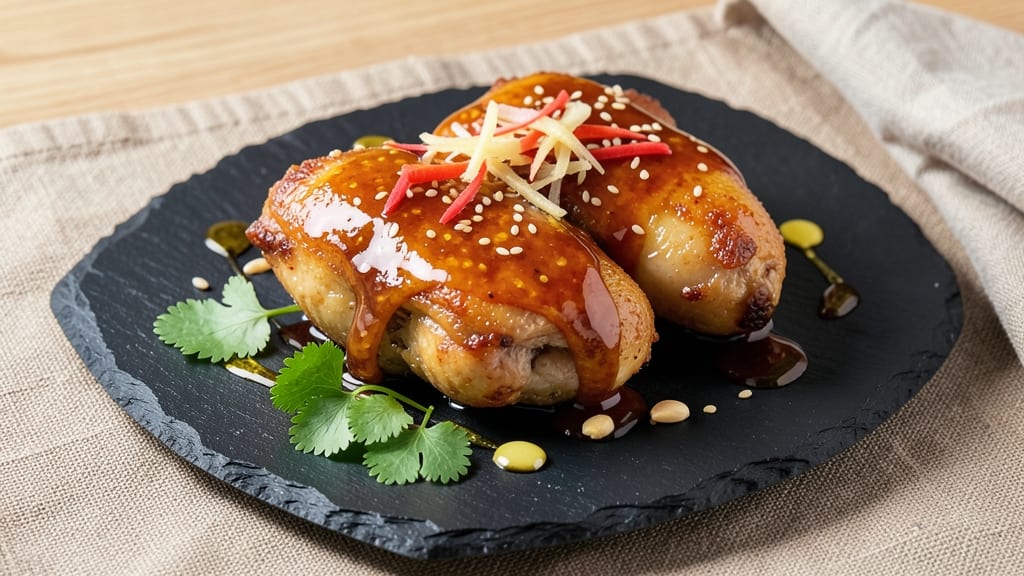
This Chinese honey chicken sauce recipe delivers the perfect balance of sweet, spicy, and umami that transforms ordinary dishes into restaurant-worthy creations. The secret lies in simmering aromatic ingredients like ginger and garlic with honey, soy sauce, and vinegar until the sauce thickens into a glossy, sticky glaze.
I developed this recipe after years of experimenting with Chinese takeout flavors, and it's now my go-to for glazing chicken, stir-fries, or even drizzling over rice.
The sauce starts with a simple base of honey and soy sauce, which creates that signature sweet-savory profile, but it's the aromatics that elevate it to something special. Fresh ginger and garlic add depth, while a touch of vinegar brightens the flavors and balances the sweetness.
The sauce reduces until it reaches a perfect consistency—thick enough to coat but still glossy and sticky, making it ideal for glazing or tossing with vegetables.
What makes this sauce truly versatile is its ability to enhance a variety of dishes. Use it as a glaze for chicken, pork, or tofu, or drizzle it over stir-fried vegetables for an instant flavor boost.
The sauce keeps well in the refrigerator for up to a week, so you can make a big batch and have it ready whenever you need it. With just a few simple ingredients and a little patience, you’ll have a sauce that’s as delicious as it is easy to make.
The key to success is controlling the heat and reducing the sauce gradually. This ensures the flavors meld together without burning, resulting in a smooth, well-balanced glaze that’s perfect for any dish.
Whether you're cooking for a family dinner or meal prepping for the week, this sauce will become a staple in your kitchen.
Ingredients for chinese honey chicken sauce
Sweet, spicy, and umami-packed—this sauce transforms simple dishes into restaurant-quality creations.
| Ingredient | Amount | Notes |
|---|---|---|
| Honey 🍯 | ½ cup | Pure, high-quality honey preferred |
| Soy Sauce 🍶 | ½ cup | Light or dark, your choice |
| Rice Vinegar 🍶 | ¼ cup | White or seasoned vinegar |
| Fresh Ginger 🧄 | 2 tbsp | Finely grated, aromatic |
| Garlic Cloves 🧄 | 4 cloves | Minced, fresh preferred |
| Sesame Oil 🫒 | 1 tbsp | Toasted for nutty aroma |
| Red Chili Flakes 🌶️ | 1 tsp | Adjust for heat preference |
| Ground Black Pepper 🌶️ | ½ tsp | Freshly cracked preferred |
| Cornstarch 🌾 | 1 tbsp | For thickening the sauce |
| Water 💧 | ¼ cup | Room temperature preferred |
The honey is the star here. Local raw honey from a farmers market has the best depth, but any pure honey works—just avoid the overly processed stuff. Soy sauce makes or breaks the umami—Kikkoman or Lee Kum Kee are my go-tos, but any good-quality brand does the trick. Fresh ginger and garlic? Don't even think about using the jarred minced stuff. Freshly grated ginger and minced garlic add that bright, aromatic punch that jarred versions just can't match. If you're short on time, freeze fresh ginger in ice cube trays—grate straight from the freezer for convenience.
No sesame oil? Toasted peanut oil works in a pinch, though it'll have a different flavor profile. Chili flakes too spicy? Swap for a pinch of cayenne or skip it entirely. The cornstarch is non-negotiable for that perfect glossy finish—it's what turns this from a thin glaze to a thick, sticky masterpiece. If you're making this for a crowd, double the batch—it disappears fast. The sauce tastes even better the next day once all the flavors meld together, so make extra and store it.
This sauce keeps beautifully in the fridge for up to 1 week—just stir before using. For longer storage, freeze in ice cube trays and transfer to a bag. Perfect for glazing chicken, drizzling over rice, or tossing with stir-fried veggies. Pro tip: Add a splash of water to thin it out if it's too thick after refrigeration. The flavors only get better with time, so don't hesitate to make a big batch.
Why You'll Love This Recipe
- Pantry Magic: The sauce comes together with stuff you already have—no specialty trips. Just honey, soy, vinegar, and a quick minced garlic dance (seriously, five minutes max). Honestly, if I forget to buy fresh ginger, I’ll just use powdered—still works.
- Sweet-Savory Balance: That honey-soy marriage? It’s the kind of flavor that makes you pause mid-bite. The ginger and garlic add a little kick, but the rice vinegar keeps it bright—never cloying, always satisfying.
- Weeknight & Leftovers: Toss it over chicken thighs for dinner, then reheat the next day with rice and steamed veggies. Or, here’s my trick: double the sauce, store half, and use it later for stir-fries or even a quick noodle bowl. (Yes, even on a Tuesday night.)
- Budget-Friendly Staple: A single jar of soy sauce and a bottle of honey stretch for months of this sauce. Fresh ginger and garlic are cheap, and the leftovers? They disappear faster than I can say “seconds, please.” My wallet and my family thank me.
Step-by-step instructions for Chinese honey chicken sauce
Here's how to make this addictive sweet-spicy glaze that balances honey's richness with umami depth.
Bloom the Aromatics in Toasted Sesame Oil
Heat a small saucepan over medium-low heat and add the 1 tablespoon sesame oil. Once the oil shimmers gently, add the 2 tablespoons finely grated fresh ginger and 4 minced garlic cloves. Cook for 1-2 minutes until the garlic turns golden and fragrant—this releases their full flavor potential.
Watch closely here—ginger burns quickly, so keep the heat gentle. You'll know it's ready when the mixture smells intensely aromatic and the garlic stops sizzling. Remove from heat immediately after this point to preserve their delicate flavors.
Combine the Wet Ingredients
In a separate bowl, whisk together the 0.5 cup honey, 0.5 cup soy sauce, and 0.25 cup rice vinegar until fully combined. The mixture should be smooth with no visible streaks. Add the ginger-garlic mixture and stir well to incorporate.
This is where the magic happens—the honey's sweetness will start to mellow slightly as it interacts with the acidic vinegar. The soy sauce brings that essential umami depth while balancing the sweetness. Give it a taste at this stage to adjust seasoning if needed, but remember the sauce will reduce and intensify as it cooks.
Simmer and Thicken the Sauce
Return the mixture to the saucepan over medium heat. Add the 0.25 cup water and bring to a gentle boil. Once boiling, reduce heat to low and let it simmer uncovered for 8-10 minutes until slightly thickened.
Stir occasionally to prevent sticking, but don't worry if it looks uneven at first. The sauce will naturally reduce and become glossy as it cooks. You're looking for a consistency where it coats the back of a spoon but still flows freely—this should happen right around the 8-minute mark.
Add Spices and Thicken to Perfection
Stir in the 1 teaspoon red chili flakes and 0.5 teaspoon ground black pepper, then sprinkle the 1 tablespoon cornstarch over the surface. Whisk vigorously for 1 minute until the cornstarch dissolves completely—this prevents lumps that can ruin the sauce's silky texture.
Continue simmering for another 2-3 minutes until the sauce thickens to your desired consistency. It should coat a spoon thickly but still be pourable. If it thickens too quickly, add 1 tablespoon water at a time until you reach the perfect balance between glossy and coatable.
Finish with Heat and Ready to Use
Remove from heat and taste immediately. The sauce should have a perfect balance of sweet, spicy, and umami flavors with a slight tang from the vinegar. If you want more heat, add a pinch more chili flakes; for more depth, a splash of soy sauce helps.
Let the sauce cool slightly before using—it will continue to thicken as it sits. This sauce keeps beautifully in the refrigerator for up to 2 weeks, making it perfect for glazing chicken, drizzling over noodles, or using as a dipping sauce. The flavors actually improve as it sits, developing even more complexity over time.
Pro Tips For Making Chinese Honey Chicken Sauce
- Simmer Slow and Low: Once you toss the sauce into the pan, drop the heat to a bare simmer—not medium, not high. I used to rush it, and the honey would burn before the flavors melded. Let it bubble gently for at least 10 minutes, stirring occasionally, until the sauce thickens just enough to coat the back of a spoon.
- Grate Ginger, Don’t Mince: Fresh ginger loses its punch when finely minced—it turns to mush and disappears. Use a box grater for medium shreds (about 1/4-inch pieces) so it infuses flavor without dissolving into oblivion. Trust me, you’ll taste the difference in that sticky-sweet sauce.
- Balance the Vinegar: Rice vinegar is acidic, and too much will make your sauce taste sharp instead of tangy. Start with half the amount called for, taste, then add the rest. If you’re using a stronger vinegar, cut it by a third—your honey chicken sauce shouldn’t taste like a pickle.
- Toast the Garlic First: Sauté those garlic cloves in oil until they’re golden, not just fragrant. The color change means deeper flavor, and it prevents that bitter aftertaste when raw garlic overpowers the honey. Do this before adding any other ingredients—it’s the non-negotiable first step.
Pro cooking tips for great chinese honey chicken sauce
Heat Control Secrets
Use medium-low heat when blooming ginger and garlic—this prevents burning while extracting maximum flavor. I often set my burner to 3 out of 10 and watch closely. Too high heat turns ginger bitter, ruining the sauce's delicate balance. 🌡️
Cornstarch Magic
Whisk cornstarch into cold water first (1 tbsp cornstarch + 2 tbsp water) to create a smooth slurry before adding to the sauce. This prevents lumps and ensures an even, glossy finish. I use Argo brand cornstarch—it dissolves perfectly every time.
Simmering Precision
Simmer uncovered for 8-10 minutes—this allows excess moisture to evaporate while concentrating flavors. Watch for tiny bubbles at the edges of the saucepan. If it reduces too quickly, add 1 tbsp water at a time until you reach that perfect coatable-but-pourable consistency.
Flavor Balancing
Taste after simmering but before adding spices—this helps you adjust the sweet-savory ratio. Need more depth? Add ½ tsp soy sauce. Too sweet? A splash of rice vinegar brightens it up. The sauce should sing with all three flavors: sweet, spicy, and umami.
Sesame Oil Timing
Add sesame oil only at the very end if you want to preserve its delicate aroma. I usually add it after removing from heat—just ½ tsp swirled in at the end elevates the sauce without overpowering. Toasted sesame oil from La Choy works perfectly for this.
Storage Hacks
Let the sauce cool completely before storing—this prevents condensation that can dilute flavors. I portion it into small glass jars (2 tbsp each) for easy use. The sauce thickens further when refrigerated, so add 1 tsp water when reheating to restore its glossy texture. ❄️
Nutrition facts
Frequently asked questions
Can I make this sauce without cornstarch?
You can substitute cornstarch with 1 tbsp arrowroot powder or 1 tsp xanthan gum for a similar thickening effect. For a gluten-free option, try 1 tbsp tapioca starch mixed with 1 tbsp water as a slurry. Without any thickener, the sauce will be thinner and less glossy, but still delicious—just use it immediately for best results.
How spicy should the sauce be?
The recipe includes 1 tsp red chili flakes for a mild heat level, but you can adjust it to taste. For no heat, simply omit the chili flakes. For more kick, add ½ tsp cayenne pepper or 1 tsp fresh chili paste. Remember, the sauce's sweetness balances the heat—more heat means you might want slightly more honey to maintain that perfect harmony.
Can I use this sauce on other proteins besides chicken?
This sauce works beautifully on pork, shrimp, tofu, or even beef. For tofu, marinate it for 15-20 minutes before cooking to absorb the flavors. With beef, reduce the sauce slightly longer to intensify the flavors. The key is to match the cooking time—use it as a glaze for quick-cooking proteins or a marinade for heartier cuts.
Why did my sauce turn out too thick?
If your sauce is too thick, it's likely because the cornstarch activated too quickly or the sauce reduced too much. Next time, simmer for 5-7 minutes instead of 8-10 and add 1 tbsp water at a time until it reaches the perfect consistency. If it's already too thick, thin it with 1 tsp water or rice vinegar while warm—just stir until smooth. Always taste as you go!
How can I make this sauce vegan?
Swap the honey for agave syrup or maple syrup, use tamari or coconut aminos instead of soy sauce, and ensure your vinegar is vegan-friendly. For umami depth, add 1 tsp mushroom powder or ½ tsp nutritional yeast. The rest of the recipe stays the same—just adjust the sweetness to taste since agave is sweeter than honey. The sauce will still have that perfect glossy finish!