
What changed, and what it changed for you
When *Sauce Recipes Velvet* started, it was a collection of recipes I’d found online—no real testing, no original work, just a way to organize what I already loved. The pages were thin, the photos were borrowed, and the instructions assumed you already knew what you were doing.
If you landed here looking for a sauce or a side, you got a list of ingredients and a vague ‘cook until done.’
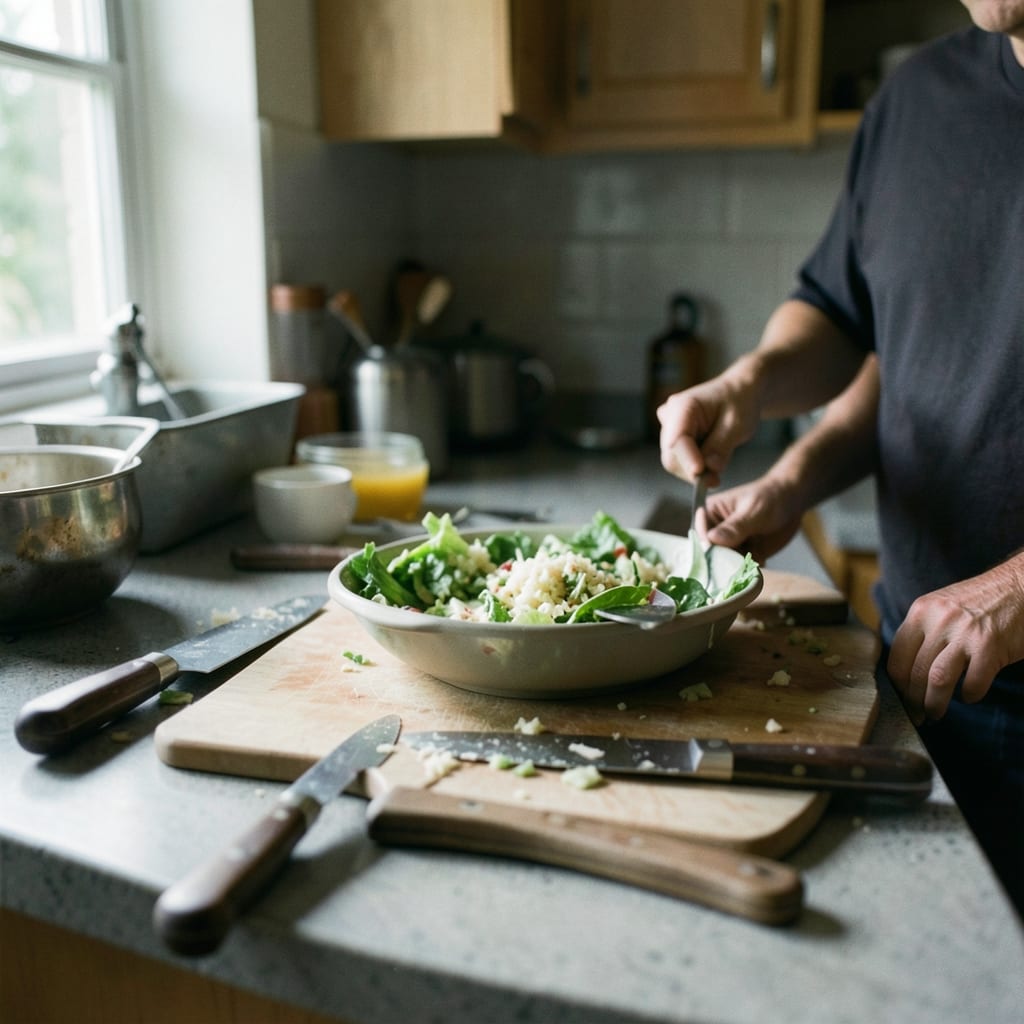
Now, every recipe is built from scratch, tested in my kitchen (and often retested after friends try it), and written so even a first-time cook could follow along.
The photos are my own, the language is direct, and the details—like why a pinch of cinnamon makes a difference—are there because they matter. The goal wasn’t just to share a dish; it was to make sure you could actually make it.
| It used to be | Now it is |
|---|---|
| Recipes lifted from other sites without credit. | Every recipe is original or heavily adapted, with clear sourcing when borrowed. |
| Instructions written for experienced cooks. | Steps broken into small parts with troubleshooting notes. |
| Photos from stock libraries or other blogs. | All images taken by me, styled to match the dish’s mood. |
| Generic ingredient lists with no context. | Explanations for each ingredient’s role in the flavor. |
The one that took years
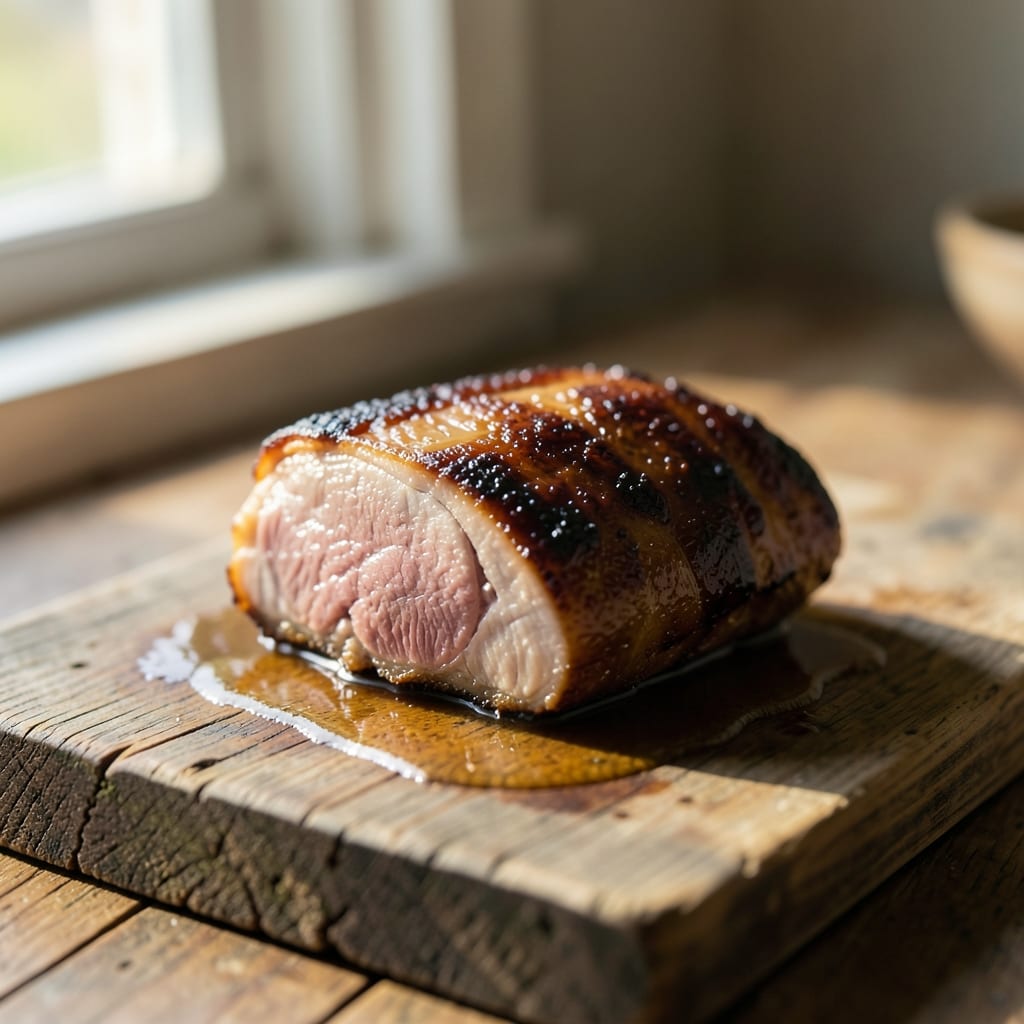
The biggest mistake? Assuming that if a recipe worked for me, it would work for anyone else. For years, I published dishes with no idea whether the oven temps were right, the timing was flexible, or the measurements made sense.
I’d get emails—*now* I get emails—from people who’d burned their garlic butter or ended up with a sauce too thin to cling. The problem wasn’t the recipes; it was that I hadn’t asked the right questions.
Fixing it took time because I had to *unlearn* my own habits. I’d write a recipe, then make it three times—once how I usually did, once with a friend watching for confusion, and once while timing myself to see where people might get stuck.
I ruined more pans than I care to admit, and some recipes got scrapped entirely because they just didn’t hold up. The worst was a chili that tasted perfect to me but fell apart when I simmered it longer than 20 minutes.
Now, every recipe has a ‘tested by’ note and a ‘common mistakes’ section. It costs me at least two full days of work per recipe—photography, rewrites, and testing—but it means when you follow one here, you’re not guessing. And the emails I get now?
They’re about how the dish turned out *better* than expected, not how they ruined it.
Meet the author

I grew up in my abuela’s kitchen in Chicago, where every meal had a story—and where I learned that the best recipes weren’t just about ingredients, but about the people who made them. For years, I treated cooking like a science: follow the steps, measure precisely, and don’t deviate.
My first blog was a mix of family recipes and copied instructions, all written in a tone that sounded like a textbook. I believed if you gave people the right numbers, they’d get the right result. I was wrong.
I’d write a recipe, hit publish, and move on. No testing beyond my own taste, no second opinions, no thought about whether someone else’s stove would behave the same way. The biggest failure? A bread recipe I’d used for years that collapsed every time someone else baked it.
I’d assumed the fault was theirs—I didn’t realize it was mine for not accounting for humidity or altitude.
The hinge came when I realized the recipes weren’t for me anymore.
Now, I’m Kirsten Okafor, and this is where I write. I test every dish until it’s foolproof, I explain the *why* behind every ingredient, and I treat the kitchen like a conversation—not a lab.
The goal isn’t perfection; it’s making sure when you walk away from the stove, you feel like you’ve made something special.
What did not change
The core belief—that food should taste like home—hasn’t wavered. Even when the site shifted from copied recipes to original work, the goal stayed the same: dishes that feel familiar, even if they’re new. And the focus on sauces? That’s always been the heart of the site.
I’ve added sides, mains, and desserts over time, but if you flip through the archives, you’ll see sauces in almost every post. They’re the glue that holds a meal together, and they’re what I still geek out over.
The tone, too, has roots in the past. My abuela’s kitchen was loud with laughter, sharp with opinions, and full of shortcuts that made life easier. This site still talks like that—no pretension, no jargon, just the kind of advice you’d get if you asked over a cup of coffee.
The language might be more polished now, but the spirit is the same: real food, real people, no nonsense.
What is still being fixed
Right now, the biggest project is making sure every recipe works for *every* kitchen—not just mine. That means testing with different ovens, altitudes, and pantry staples, and writing instructions that account for the chaos of real cooking.
I’m also working on a ‘troubleshooting hub’ where people can go if their dish doesn’t turn out as expected, with answers that don’t sound like a robot’s.
If you’ve got a recipe that’s been a disaster for you, or a tip that saved your dinner, or even just a question about how I test my dishes—send it to the contact page. The best fixes come from people who’ve actually tried the recipes.
Things that would help
- A recipe that failed for you—and how you’d fix it.
- A kitchen hack that’s saved your meals (e.g., ‘always toast your spices first’).
- A question about how I test or write my recipes.
The recipes are grouped by category: Appetizers, Beverages, Breakfast & Brunch, Desserts, Main Courses and Reviews.