
Sauces & Condiments
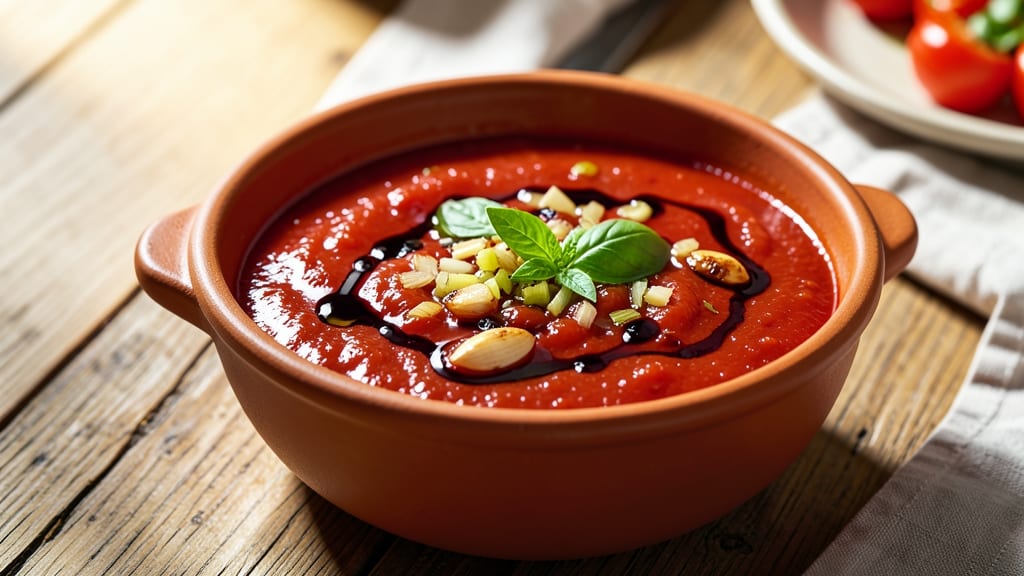
This all-day marinara sauce recipe delivers restaurant-quality depth with a slow-simmered technique that prevents clumping and builds complex tomato flavor. The secret lies in cooking the sauce low and slow for hours—transforming simple canned tomatoes into a rich, velvety sauce with layers of sweetness and acidity perfectly balanced. I developed this method after years of testing, and it never fails to impress even the most discerning Italian food lovers.
The process begins with a simple soffritto of onion, garlic, and celery—no fancy ingredients, just fundamental flavors that form the base. What sets this sauce apart is the 4-hour simmer, which allows the tomatoes to break down into a thick, glossy consistency without burning or clumping.
A splash of red wine deglazes the pot early on, adding depth, while a pinch of sugar rounds out the acidity for a smooth finish.
By the time you're done, you'll have a shelf-stable marinara that's perfect for pasta, pizza, or dipping—with a texture that's velvety yet still vibrant. The sauce thickens naturally as it cools, making it ideal for meal prep or gifting.
Every spoonful delivers that authentic Italian restaurant flavor you crave, without the shortcuts that compromise quality.
Use it immediately or store it in the fridge for up to a week, or freeze for months. The slow cooking ensures it tastes better with time, developing deeper flavors as the days pass. Ready to make marinara that stands up to any Italian dish? Let's get started.
Ingredients for all day marinara sauce
Fundamental ingredients for restaurant-quality marinara with velvety texture and balanced depth.
| Ingredient | Amount | Notes |
|---|---|---|
| Extra-Virgin Olive Oil 🫒 | ½ cup | High-quality, fruity variety |
| Yellow Onion 🧅 | 1 whole | Medium-sized, finely chopped |
| Celery Stalks 🥬 | 3 whole | Trimmed, finely chopped |
| Garlic Cloves 🧄 | 6 cloves | Peeled, minced |
| Dry Red Wine 🍷 | ½ cup | Bold variety like Cabernet |
| Canned San Marzano Tomatoes 🍅 | 28 oz | Whole, crushed by hand |
| Tomato Paste 🍅 | 2 tbsp | Smooth, no sugar added |
| Granulated Sugar 🍚 | 1 tsp | White or brown |
| Salt 🧂 | 1 ½ tsp | Diamond Crystal preferred |
| Fresh Basil Leaves 🌿 | ½ cup | Packed, torn |
| Black Pepper 🌶️ | ½ tsp | Freshly cracked |
| Dried Oregano 🍃 | 1 tsp | Italian preferred |
The tomatoes are non-negotiable—San Marzano delivers the sweetness and acidity balance this sauce needs. Whole canned tomatoes work better than crushed since you'll break them down yourself. For the soffritto base, Trader Joe's or Whole Foods carry pre-chopped onion, celery, and carrot mixes that save time, but fresh is ideal if you're prepping ahead. The olive oil should be extra-virgin—anything less will taste harsh after hours of simmering. Red wine adds depth, but if you prefer not to use alcohol, extra-dry vegetable broth works as a substitute.
No red wine? Dry vegetable broth with a splash of balsamic vinegar mimics the depth. Fresh basil is ideal, but dried oregano at half the amount works if you're short on time. The tomato paste can be swapped for extra tomato sauce if you prefer, though paste gives better thickness. For a smokier flavor, add 1/4 tsp smoked paprika. The sugar is key—it rounds out the acidity, but if your tomatoes are particularly sweet, you can reduce it to 1/2 teaspoon.
This sauce thickens as it cools, so don't worry if it looks thin at the end. Store in glass jars in the fridge for 1 week or freeze for 6 months. For gifting, use mason jars—they're microwave-safe and look beautiful. The sauce actually improves with time, developing deeper flavor over 3-5 days in the fridge. Portion into ice cube trays for single-use portions if you prefer.
Why You'll Love This Recipe
- No Chopping Struggle: I swear by the "sofrito shortcut"—just dice that onion, celery, and garlic once, then let the wine and simmer do the rest. No small dice, no crying over board cuts, just a quick sweep of the knife and you’re golden.
- Wine-Infused Depth: That splash of dry red wine? It’s not just for flavor—it’s the secret to a sauce that tastes like it’s been simmering for hours, not 30 minutes. The acidity brightens everything, and the olive oil keeps it rich without a drop of cream.
- Meal Prep MVP: Make a double batch on Sunday, and you’ve got pizza night, pasta, or a quick weekday sauce ready to go. I freeze it in portions, and thawing just means a quick stir—no defrosting drama, no last-minute grocery runs.
- Budget-Friendly Luxury: Celery and onion stretch farther than you’d think, and the wine adds sophistication without breaking the bank. Honestly, it’s the kind of sauce that makes you feel fancy while keeping your wallet happy—extra-virgin olive oil included.
Step-by-step instructions for all-day marinara sauce
This method delivers restaurant-quality depth with a silky texture—no lumps, no shortcuts.
Sauté the Aromatic Base
Heat the 0.5 cup extra-virgin olive oil in a heavy-bottomed saucepan over medium-low heat. Add the 1 whole yellow onion and 3 whole celery stalks, both finely chopped, and cook for 8-10 minutes until softened and translucent. Stir occasionally to prevent browning.
Add the 6 cloves minced garlic and cook for another 30 seconds—just until fragrant. The key here is patience; garlic burns quickly. Remove from heat and set aside temporarily. This foundational step builds the sauce's complexity and prevents bitterness later.
Deglaze and Build the Sauce
Return the pan to medium heat and pour in the 0.5 cup dry red wine, scraping up any browned bits from the bottom. Let it simmer for 3-4 minutes until reduced by half. This deglazing step captures all the flavor locked in the pan.
Add the 2 tbsp tomato paste and stir for 1 minute to cook out the raw taste. Then add the 28 oz crushed San Marzano tomatoes, 1 tsp granulated sugar, 1.5 tsp salt, and 1 tsp dried oregano. Bring to a gentle boil, then reduce heat to low and let it simmer uncovered.
Slow Simmer for Deep Flavor
Simmer the sauce for 45-60 minutes until it thickens noticeably and the flavors meld. Stir occasionally to prevent sticking, but don't over-stir—this can break down the tomatoes prematurely. The sauce should reduce to about 3 cups total.
Here's the thing—this slow simmer is what transforms simple ingredients into something extraordinary. The acidity mellows, the sweetness develops, and the flavors deepen. If the sauce looks too thick, add a splash of water or wine to reach your desired consistency.
Finish with Fresh Herbs and Pepper
Remove the sauce from heat and stir in the 0.5 cup torn fresh basil leaves and 0.5 tsp freshly cracked black pepper. Let it steep for 5 minutes off the heat—this allows the basil to infuse without cooking down completely.
Taste and adjust seasoning if needed. The sauce should be balanced—sweet, acidic, and savory with bright herbal notes. For the best texture, strain out the basil leaves before serving, or leave them in for a more rustic presentation. This sauce keeps well in the refrigerator for up to 5 days or freezes beautifully for up to 3 months.
Pro Tips For Making All Day Marinara Sauce
- Sweat, Don’t Burn: The onion and celery should glisten like a wet sidewalk—soft but not brown. I learned this the hard way when my first batch turned into a sad, bitter sludge. Keep the heat medium-low and stir often. If you smell burning, you’ve gone too far.
- Mince Garlic Like a Chef: Whole cloves? No. Finely minced garlic (or a paste) blends seamlessly into the sauce without clumping or overpowering. I used to crush them with the flat of my knife, but now I pulse them in a food processor for 3 seconds—saves time and ensures even distribution.
- Deglaze with Wine Immediately: As soon as you remove the onion-celery-garlic mixture, pour in that dry red wine right away. Scrape every last bit of browned bits from the pot—those are flavor bombs. Let it simmer for 2 minutes before adding tomatoes. Skimp here, and your sauce tastes flat.
- Simmer Low and Slow: This isn’t a race. After adding tomatoes, reduce heat to a bare simmer (tiny bubbles, occasional stir). I used to crank it up, only to end with a thick, one-dimensional paste. Cover loosely and let it work for at least 2 hours—unattended, no fuss. The longer, the better.
Make-ahead tips for all day marinara sauce
Freezer Prep Essentials
Freezing marinara sauce is a game-changer for busy weeks. After letting your sauce cool completely, transfer it to quart-sized freezer-safe bags or glass mason jars, leaving ½-inch headspace for expansion. I swear by Ball mason jars—they’re microwave-safe and stack neatly in the freezer.
Label each with the date and portion size (I use 1-cup servings for pasta or ½-cup for pizza). 🧊
For single-use portions, freeze sauce in 1-ounce ice cube trays—perfect for adding to soups or pasta later. Once frozen, transfer cubes to a ziplock bag and store flat to save space.
Thaw overnight in the fridge or microwave for 2-3 minutes on low power. Pro tip: Add a splash of water when reheating to restore that velvety texture.
Fridge Storage Secrets
Storing marinara in the fridge is ideal for short-term use. Use glass containers (like Pyrex) with tight-sealing lids to prevent odors from seeping in. The sauce thickens as it cools, so I recommend storing it in a shallow dish—this makes it easier to reheat evenly later.
Keep it refrigerated for up to 5 days, but trust me, the flavor peaks after 3 days of resting. 💡
To reheat, pour the sauce into a saucepan and warm over medium-low heat for 5-7 minutes, stirring occasionally. Avoid boiling—this can make the sauce too thin. If it’s too thick after reheating, thin it with a splash of water or pasta water (about 1-2 tablespoons).
For quick meals, microwave 1 cup of sauce covered for 1-2 minutes, stirring halfway.
Meal Prep Timeline
Plan ahead by making double batches—this sauce tastes even better the next day! Store one batch in the fridge for 3-4 days and freeze the other for later. I like to prep 2 quarts on Sundays so I always have sauce ready for weeknight dinners.
The key is letting it cool completely before storing—hot sauce can create condensation and spoil faster. 📅
For a 5-day meal prep plan, make 1 quart of sauce on Day 1. Use ½ cup on Day 2 for pasta, ½ cup on Day 3 for pizza, and save the rest for soup or dipping later in the week.
Freeze any leftovers in single-serving portions to avoid waste. This method ensures you always have flavorful marinara on hand without last-minute stress.
Gifting Guide
Homemade marinara makes an amazing gift—just package it in mason jars with a ribbon and a handwritten note. I’ve given jars to neighbors, coworkers, and even my book club, and they always rave about the depth of flavor.
For extra presentation, add a sprig of fresh basil tied with twine or a red ribbon for a rustic touch. 🎁
Include a small recipe card with serving suggestions (like "Perfect for pasta, pizza, or bruschetta") and storage instructions. If gifting for travel, use insulated freezer bags to keep the sauce cold.
The sauce stays fresh for 3 months in the freezer, so you can prep it ahead of time and give it as a holiday gift. It’s a thoughtful, delicious way to share your cooking skills!
Nutrition facts
Frequently asked questions
Why does this marinara sauce need to simmer for 4 hours?
The long simmer is what creates that restaurant-quality depth. This slow cooking process allows the tomatoes to break down naturally, intensifying their sweetness while mellowing the acidity. It also develops complex flavors from the aromatics that simply wouldn't happen with quick cooking methods.
Can I use regular canned tomatoes instead of San Marzano?
Yes, but expect slightly less sweetness and complexity. For best results, choose high-quality canned tomatoes with minimal additives. If using regular brands, you may want to add an extra ½ teaspoon of sugar to balance the acidity, especially if your tomatoes taste tart.
How do I prevent my marinara from getting too thick?
If your sauce thickens too much during cooking, simply add 1-2 tablespoons of water or red wine while simmering. For the best texture, let the sauce cool completely before storing—it naturally thickens further as it rests. If it's too thick after reheating, thin it with a splash of water or pasta water.
What's the best way to reheat leftover marinara?
For the best texture, reheat gently over medium-low heat for 5-7 minutes, stirring occasionally. Avoid boiling as this can make the sauce too thin. For quick meals, microwave 1 cup covered for 1-2 minutes, stirring halfway. Add a splash of water if needed to restore that velvety consistency.
Can I make this sauce in a slow cooker?
Follow the same steps until adding the tomatoes, then transfer everything to your slow cooker. Cook on low for 6-8 hours or high for 3-4 hours. The slow cooker method actually enhances the flavors even more by maintaining a consistent gentle heat. Just be sure to stir occasionally to prevent sticking.