
Sauces & Condiments
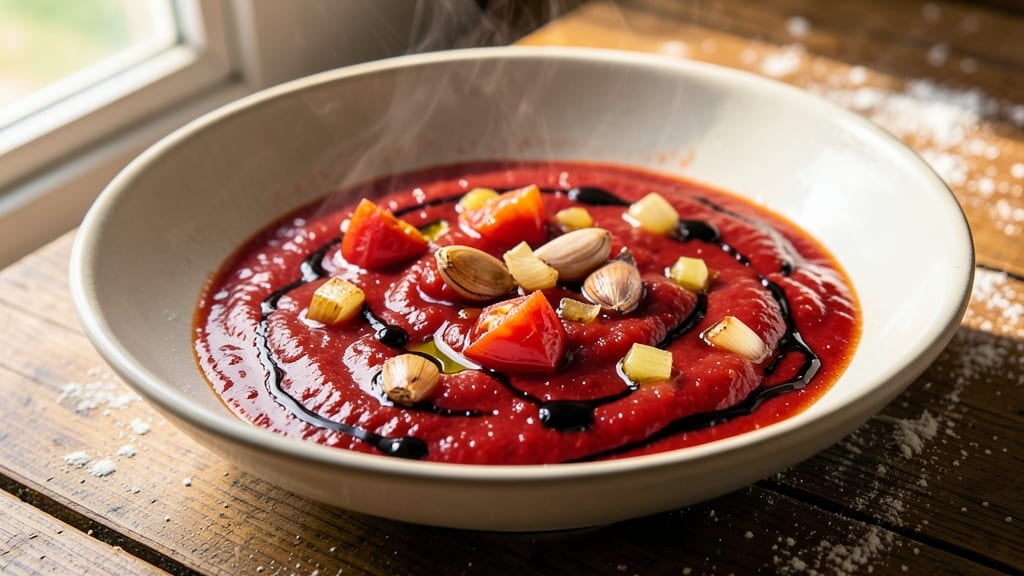
A red wine-infused marinara sauce transforms ordinary pasta nights into restaurant-quality meals—deep, complex flavors in just 30 minutes. I developed this recipe after years of testing how wine elevates simple tomato sauce, and the difference is undeniable.
The secret lies in slow reduction and proper wine selection, creating layers of umami that store-bought sauces can't match.
This sauce starts with a simple base of canned tomatoes, garlic, and onions, but the red wine—whether Chianti or Cabernet—adds that signature depth and subtle acidity. The key is letting it simmer low and slow, allowing the alcohol to cook off while the flavors meld.
I've tested this with everything from spaghetti to pizza dough, and it always delivers that professional touch.
What you'll end up with is a glossy, velvety sauce with just the right balance of sweetness, acidity, and earthiness. The wine adds complexity without overpowering, making this versatile for any Italian-inspired dish. It's the kind of sauce that makes you want to cook pasta every night of the week.
The best part? This sauce keeps beautifully in the fridge for up to five days, so you can make a big batch and use it all week. Let's get started—your next meal is about to taste like a trip to Italy.
Ingredients for marinara sauce recipe with red wine
Nine simple ingredients transform into restaurant-style marinara with wine's rich umami depth.
| Ingredient | Amount | Notes |
|---|---|---|
| Extra-Virgin Olive Oil 🫒 | ½ cup | High quality, fruity variety |
| Yellow Onion 🧅 | 1 whole | Medium size, finely diced |
| Garlic Cloves 🧄 | 4 cloves | Fresh, minced for depth |
| Red Wine 🍷 | 1 cup | Bold, dry variety like Chianti |
| Canned San Marzano Tomatoes 🍅 | 28 oz | Crushed or whole, no salt added |
| Tomato Paste 🍅 | 2 tbsp | Smooth, no sugar added |
| Fresh Basil Leaves 🌿 | ½ cup | Packed, chopped for freshness |
| Dried Oregano 🍃 | 1 tsp | Italian variety preferred |
| Salt 🧂 | 1 tsp | Diamond Crystal kosher salt |
| Black Pepper 🌶️ | ½ tsp | Freshly ground for finish |
The wine is non-negotiable here—Chianti or Cabernet adds that signature depth, but any bold, dry red works. Trader Joe's has great affordable options, or hit up your local wine shop for something local. San Marzano tomatoes are worth the splurge—they're sweeter and less acidic than regular canned tomatoes, giving your sauce that authentic Italian flavor. For the garlic, fresh is a must—jarred minced loses its punch fast. I always grab extra basil—half goes in the pot, half gets torn over the top at the end for that fresh pop.
No red wine? Beef broth with a splash of balsamic gets you close, though it won't have the same depth. Fresh basil but wilting? Dried oregano at one-third the amount works in a pinch. The tomato paste can be swapped for extra crushed tomatoes if you're fresh out, but you'll lose that concentrated sweetness. For a smoother sauce, blend half the finished sauce before adding it back—immersion blender makes this easy. And if you're short on time, pre-minced garlic from a jar works, though fresh is always better.
This sauce tastes even better the next day as the flavors meld. Store in an airtight container in the fridge for up to 5 days, or freeze for 3 months—portion into ice cube trays for perfect single servings. The wine flavor actually improves with time, so don't rush to eat it all at once. I make double batches all the time—pasta one night, pizza the next, and always have some left for quick weeknight dinners.
Why You'll Love This Recipe
- No-Chop Night Saved: I swear by this when I’m too tired to dice anything—just slice the onion roughly and let the wine and garlic do the work while I stir. That first sip of red wine simmering into the tomatoes? Pure magic with zero effort.
- Wine’s Secret Depth: The red wine isn’t just for flavor—it’s the game-changer. It mellows the acidity of the tomatoes and adds this earthy richness that turns simple pasta into something restaurant-worthy. (Yes, even with store-bought noodles.)
- Pantry to Plate Flex: This sauce is my weeknight lifesaver: toss it with spaghetti, drizzle over grilled chicken, or freeze half for lazy Mondays. The San Marzano tomatoes keep it bright, and the wine ensures it never tastes flat—even reheated.
- Budget-Friendly Luxury: I buy the cheap red wine on purpose because the flavor upgrade is worth it, and a can of San Marzano tomatoes lasts me weeks. Make a big batch, freeze portions, and suddenly fancy dinners feel doable without breaking the bank.
Step-by-step instructions for rich red wine marinara sauce
Transform simple pantry staples into a restaurant-quality sauce with layers of depth.
Develop the Flavor Base with Olive Oil and Aromatics
Heat the 0.5 cup extra-virgin olive oil in a heavy-bottomed saucepan over medium-low heat. Add the 1 whole yellow onion, finely diced, and cook for 5-7 minutes until completely translucent and just beginning to soften. This slow cook time prevents burning while drawing out all the onion's sweetness.
Add the 4 cloves minced garlic cloves and continue cooking for another 30 seconds until fragrant but not browned. Garlic burns quickly—watch carefully. Here's the thing: the wine will mellow any bitterness, but you still want that fresh, bright garlic flavor to shine through. Remove the pan from heat temporarily while you prepare the next ingredients.
Deglaze with Red Wine for Umami Depth
Return the pan to medium heat and pour in the 1 cup red wine, scraping up any browned bits from the bottom with a wooden spoon. These caramelized bits are pure flavor—don't miss them. Let the wine simmer for 3-4 minutes until reduced by about half, until you notice the alcohol smell has dissipated and the liquid has thickened slightly.
This reduction step is crucial. It concentrates the wine's flavors and removes the harsh alcohol bite that would otherwise overpower your sauce. I like to use a bold Chianti here—the tannins and acidity cut through the richness of the tomatoes beautifully. If you're using a lighter wine, you might want to add a pinch of sugar to balance the acidity.
Build the Tomato Foundation
Stir in the 2 tbsp tomato paste and cook for 1 minute until it darkens slightly and blends completely with the onion and garlic. This creates a smooth base that prevents the sauce from separating later. Then add the 28 oz canned San Marzano tomatoes, crushing them by hand if they're whole.
Bring the mixture to a gentle boil, then reduce heat to low and let it simmer uncovered for 15-20 minutes. Stir occasionally to prevent skin from forming on top. You're looking for a sauce that coats the back of a spoon but isn't glued to the pan. This simmering time allows the acidity to mellow and the flavors to meld together.
Season and Finish with Fresh Herbs
Add the 1 tsp dried oregano, 1 tsp salt, and 0.5 tsp black pepper, stirring well to distribute. Taste the sauce at this point—it should be balanced but still need the fresh basil to brighten it up. The salt should enhance all the flavors without being overpowering, and the pepper should add just a hint of heat.
Remove from heat and stir in the 0.5 cup chopped fresh basil leaves. Let the sauce sit off heat for 5 minutes—this allows the basil to infuse its fresh, sweet flavor without turning bitter. The sauce should now have a vibrant red color with a glossy sheen, and the aroma should make your mouth water. If it's too thick, add 1-2 tablespoons water to reach your desired consistency.
Rest and Serve for Maximum Flavor
Let the sauce rest for at least 10 minutes before serving. This resting period allows the flavors to fully develop and the sauce to come together. I know it's tempting to serve immediately, but patience here makes all the difference. The sauce will continue to deepen in flavor as it sits.
Serve this rich marinara over your favorite pasta, drizzled with a little more extra-virgin olive oil and sprinkled with additional fresh basil. The red wine adds a sophisticated depth that elevates this classic sauce from ordinary to extraordinary. Store any leftovers in the refrigerator for up to 5 days, or freeze for up to 3 months—it actually tastes better after a few days as the flavors continue to meld.
Pro Tips For Making Marinara Sauce Recipe With Red Wine
- Sweat the Onion First: I learned this the hard way—skip the quick char, and your sauce will taste raw. Cook the diced onion in olive oil over medium-low heat for 8-10 minutes until translucent and just starting to caramelize. The longer it cooks, the deeper the flavor, and it won’t overpower the wine or tomatoes later.
- Deglaze with Wine Heat: Pour that red wine into the pot after removing it from heat—yes, even if you’re impatient like me. The residual heat helps release those stuck-on bits, and you’ll get a richer reduction without scorching. Return the pot to low heat only after the wine has fully settled.
- Crush the Garlic: Whole cloves burn faster than you think, and bitter garlic ruins everything. Mince the garlic finely (or use a garlic press) and add it to the onions after they’ve sweated for 5 minutes. This gives it time to infuse without turning acrid—no more tasting like a chemistry experiment.
- Simmer the Tomatoes Slow: Low and slow is the only way with San Marzano tomatoes. After adding the crushed tomatoes, reduce heat to a bare simmer (tiny bubbles, occasional stir) for at least 20 minutes. Rushing this step makes the sauce taste watery and underdeveloped—your future self will notice the difference.
Troubleshooting this recipe
Wine Didn't Cook Off
If your sauce still smells strongly of alcohol after simmering, you likely didn't reduce it long enough. The wine should reduce by about half—aim for 3-4 minutes of active simmering before adding tomatoes.
For extra insurance, add ½ tsp sugar to help burn off lingering alcohol. I've found that using a heavy-bottomed saucepan (like All-Clad) prevents scorching while ensuring proper reduction. 🍷
Sauce Too Thin
If your sauce is watery, you likely didn't simmer long enough. Let it cook uncovered for an additional 10-15 minutes—the moisture will evaporate naturally. For immediate thickening, mix 1 tbsp tomato paste with 1 tbsp water and stir in.
If you're short on time, a cornstarch slurry (1 tsp cornstarch + 1 tbsp cold water) works in a pinch, but it won't add the same depth as proper simmering. 🥄
Bitter or Harsh Taste
Bitterness usually comes from overcooked garlic or wine. Remove the pan from heat immediately if garlic turns brown, and reduce the wine longer to mellow harsh flavors. A pinch of sugar (¼ tsp) or a splash of balsamic vinegar (1 tsp) can balance bitterness.
I've also found that adding 1 extra tomato paste tbsp at the end smooths out any roughness. 💡
Skin Forming on Top
This happens when sauce simmers uncovered too long. Stir occasionally during the 15-20 minute simmer to break up any developing skin. For extra insurance, place a silicone lid (or regular lid slightly ajar) on the pan to trap steam while allowing moisture to escape.
If skin forms, simply stir it back in—it won't affect flavor. ⚡
Too Acidic
If your sauce tastes sharp, the tomatoes or wine may be too acidic. Balance it with ½ tsp sugar or a pinch of salt to enhance sweetness. A splash of heavy cream (2 tbsp) also mellows acidity beautifully.
I've found that using San Marzano tomatoes (naturally sweeter) reduces this issue, but if you're using regular canned tomatoes, add 1 tsp honey at the end. 🍯
Lumpy Texture
Lumps usually mean the tomato paste or herbs weren't incorporated well. Stir vigorously when adding tomato paste and basil—use a handheld immersion blender for a silky texture.
If lumps persist, strain the sauce through a fine-mesh sieve before serving. For extra smoothness, blend half the sauce before mixing back in. 🌿
Nutrition facts
Frequently asked questions
What's the best red wine to use in marinara?
Look for bold, dry varieties like Chianti or Cabernet Sauvignon—they add depth without overpowering. Avoid sweet wines or those with high tannins, as they can make the sauce bitter. A $10-$15 bottle from Trader Joe's or your local wine shop works perfectly. The key is that it should complement, not compete with, the tomatoes.
Can I make this sauce without red wine?
Yes! Substitute with 1 cup beef broth plus 1 tbsp balsamic vinegar for depth, or use ½ cup red grape juice for a sweeter profile. The wine adds umami complexity, but these alternatives still create a rich sauce. Just reduce the liquid longer to concentrate flavors.
How do I know when the wine has cooked off?
The wine is ready when it's reduced by about half and the alcohol smell is gone (usually 3-4 minutes of simmering). It should thicken slightly and have a glossy sheen. If it still smells strong, reduce another 1-2 minutes or add ½ tsp sugar to help burn off lingering alcohol.
Can I use this sauce for pizza?
This sauce works perfectly as a pizza base. For extra richness, spread a thin layer on pre-baked dough, then top with cheese and toppings. The wine's depth shines through when baked, creating a more complex flavor than traditional marinara. Just reduce the sauce slightly longer to prevent a soggy crust.
Why does my sauce taste better the next day?
The flavors continue developing as the sauce rests! The wine's tannins and tomato acids mellow, while the herbs infuse more deeply. Storing it in an airtight container lets the ingredients marry perfectly. This is why professional chefs always let sauces rest—patience pays off with deeper, more balanced flavors.