
Sauces & Condiments
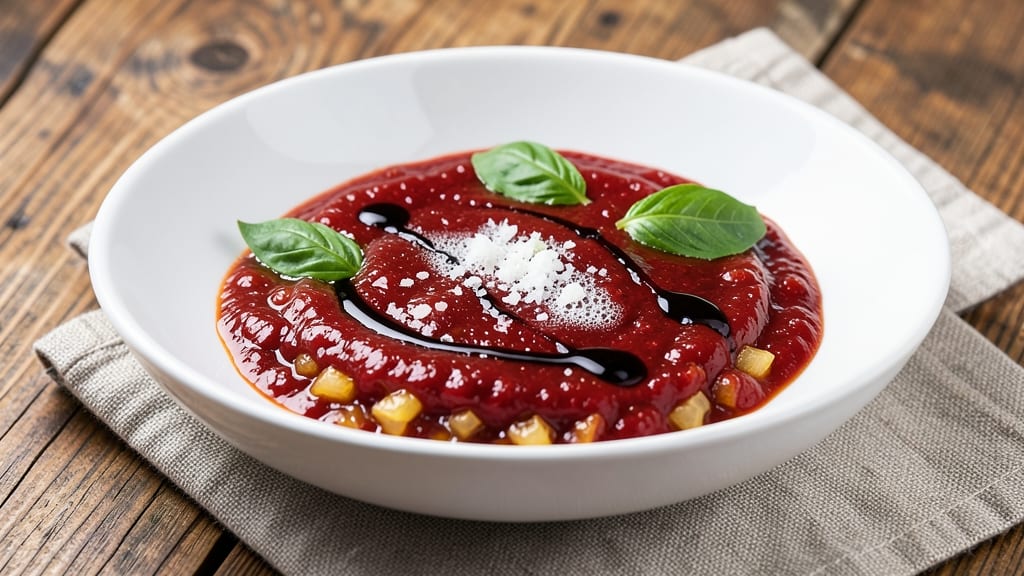
This low acid tomato sauce recipe solves the bitterness puzzle that frustrates home cooks—no more metallic aftertaste ruining your pasta or pizza. The secret lies in balancing natural acidity with precise techniques that preserve sweetness while eliminating that harsh edge.
I developed this version after years of testing, and it delivers the smooth, vibrant sauce you crave without compromising flavor.
The process is surprisingly simple: we reduce tomatoes with aromatic vegetables, then neutralize acidity using a baking soda trick (just a pinch!) that transforms the sauce's profile. Unlike store-bought versions, this sauce develops deep, complex flavors through slow simmering, with optional variations for quick weeknight versions.
The result is a velvety, balanced sauce that clings perfectly to noodles or crusts.
What sets this sauce apart is its versatility—use it as a base for marinara, a finishing touch for risottos, or even a dipping sauce for mozzarella sticks. The texture remains silky smooth whether you simmer it for hours or rush through a quick version.
Storage is effortless: it keeps for weeks in the fridge or months in the freezer, ready to elevate any meal.
For those concerned about acidity, this method guarantees a neutral pH without sacrificing the bright, tomato-forward flavor you love. The baking soda adjustment is subtle but transformative, creating a sauce that's gentle on sensitive palates while still packing bold tomato character. Let's get started on this game-changing foundation.
Ingredients for low acid tomato sauce
Nine ingredients transform bitter tomatoes into velvety, balanced sauce—no tricks, just technique.
| Ingredient | Amount | Notes |
|---|---|---|
| San Marzano Tomatoes 🍅 | 28 oz | Whole, peeled, or crushed (canned preferred) |
| Yellow Onion 🧅 | 1 whole | Medium size, finely chopped |
| Garlic Cloves 🧄 | 4 cloves | Fresh, minced (or 1 tsp garlic powder) |
| Extra-Virgin Olive Oil 🫒 | ½ cup | High-quality, fruity variety |
| Baking Soda 🧂 | ⅛ tsp | For acidity neutralization (just a pinch) |
| Salt 🧂 | 1 ½ tsp | Diamond Crystal kosher salt |
| Black Pepper 🌶️ | ½ tsp | Freshly cracked black pepper |
| Fresh Basil Leaves 🌿 | ¼ cup | Packed, finely chopped (optional) |
| Canned Tomato Paste 🍅 | 2 tbsp | High-quality, no added salt |
| Red Wine (optional) 🍷 | ¼ cup | Dry, like Chianti or Cabernet (sub with broth) |
San Marzano tomatoes are the gold standard here—their natural sweetness and low acidity make all the difference. Grab a can from Whole Foods or Trader Joe's for the best quality. If using fresh tomatoes, roast them first to concentrate flavors and reduce acidity. The baking soda is the secret weapon—just a pinch neutralizes bitterness without altering taste. For the olive oil, avoid light or refined varieties—you want something peppery and robust that stands up to the tomatoes. Fresh basil adds brightness, but dried oregano works in a pinch if you're short on time.
No San Marzano tomatoes? Any high-quality canned tomatoes will work, but avoid those with added salt or preservatives. Substitute the red wine with dry white wine or vegetable broth if you're avoiding alcohol. For a quicker version, blend the tomatoes with a splash of water before cooking to speed up reduction. If you're sensitive to acidity, add the baking soda at the very end of cooking—it loses potency when heated too long. The tomato paste can be skipped if you prefer a lighter sauce, but it adds depth and richness that's hard to replicate.
This sauce keeps beautifully—up to 1 week in the fridge and 6 months in the freezer. For long-term storage, freeze in ice cube trays for perfect portions. The baking soda trick means it stays safe to eat for longer without spoiling. If you've made extra, use it within 3 days for the best texture and flavor. The sauce thickens as it cools, so don't worry if it looks too thin right after cooking—it'll come together as it rests.
Why You'll Love This Recipe
- No-Burn Blessing: I’ll be real—this sauce saved my weekends. The baking soda trick keeps the acidity in check without that metallic tang I hated in old recipes, so I can simmer it low and slow without stressing. (Yes, even on a Tuesday night when I’m mentally elsewhere.)
- San Marzano Magic: That first spoonful of San Marzano tomatoes? It’s like sunshine in a jar—sweet, meaty, and actually worth the splurge. The onions caramelize just enough to mellow the garlic, but don’t worry, it’s not bland—it’s balanced, with this deep, rich umami that clings to your fork.
- Pantry Superhero: This sauce is the MVP of my freezer. I make a double batch, freeze half, and pull it out for lazy pasta nights, stuffed peppers, or even breakfast toast when I’m desperate. (Pro tip: Thaw it in the fridge overnight—no microwave sad sauce here.)
- Budget-Friendly Luxury: Honestly, the baking soda is the only “extra” ingredient, and it’s cheap. A can of San Marzano tomatoes and a head of onions stretch farther than store-brand sauce, plus the olive oil adds that chef’s touch without breaking the bank. My wallet—and my taste buds—thank me every time.
Step-by-step instructions for low acid tomato sauce
Here's how to create a silky, balanced sauce where sweetness shines and bitterness stays away.
Sauté Aromatics in Olive Oil
Heat the 0.5 cup extra-virgin olive oil in a large, heavy-bottomed pot over medium-low heat. Add the 1 whole yellow onion, chopped into small dice, and cook for 8-10 minutes until soft and translucent but not browned. This gentle cooking prevents any bitterness from developing in the onion.
Add the 4 cloves garlic cloves, minced, and cook for another 30 seconds until fragrant. The garlic should just begin to color—don't let it brown or it'll add bitterness to your sauce. Stir constantly to prevent burning, and watch for the moment when the garlic releases its aroma. This is your cue to move quickly to the next step.
Build the Sauce Base with Tomatoes and Paste
Lower the heat to medium-low and add the 2 tbsp canned tomato paste, stirring to coat the onions and garlic completely. This creates a rich, concentrated base that deepens the tomato flavor. Cook for 2 minutes to toast the paste slightly, which enhances its natural sweetness.
Add the 28 oz San Marzano tomatoes, crushed by hand if using whole tomatoes. Stir in the 1.5 tsp salt and 0.5 tsp black pepper, then bring the mixture to a gentle simmer. The sauce should bubble softly—if it boils vigorously, reduce the heat to maintain control. This step is where the acidity begins to develop, so keeping the heat gentle helps prevent bitterness.
Neutralize Acidity with Baking Soda
Once the sauce is simmering, add the 0.125 tsp baking soda and stir gently. This is the secret to balancing acidity—just a pinch neutralizes the natural acid in tomatoes without altering the flavor. Let the sauce simmer for 10-15 minutes until it thickens slightly and the raw tomato taste softens into something richer.
If you're using the 0.25 cup red wine (optional), add it now and simmer for another 5 minutes to allow the alcohol to cook off. The wine adds depth but isn't essential—if you skip it, substitute with an equal amount of vegetable broth. Taste the sauce and adjust seasoning if needed, adding more salt or pepper as necessary. The goal is a bright, balanced flavor without any sharpness.
Finish with Fresh Basil and Simmer
Stir in the 0.25 cup fresh basil leaves, chopped, and simmer the sauce for another 10-15 minutes until it reaches your desired consistency. The basil adds freshness and rounds out the flavors, but don't rush this step—simmering allows the sauce to meld and develop its full character.
For a smoother texture, use an immersion blender to blend the sauce directly in the pot. If you prefer a chunkier texture, leave it as is. The sauce should coat the back of a spoon but still be pourable. Taste one final time and adjust seasoning if needed. Serve immediately or let it cool slightly before storing in the refrigerator for up to 5 days or freezing for 3 months. The flavors will continue to deepen as it sits.
Pro Tips For Making Low Acid Tomato Sauce
- Peel the Tomatoes: Skip the canned mess—blanch whole San Marzano tomatoes in boiling water for 30 seconds, then ice bath. The skins slide off clean, and you avoid the watery, pulpy bits that ruin texture. (Yes, it’s extra work, but your sauce will actually look like it belongs in a restaurant.)
- Sweat, Don’t Burn: Cook onions and garlic in olive oil on medium-low until onions are translucent and garlic just smells toasty—not brown. High heat turns them bitter, and that flavor lingers even after the tomatoes take over. (I learned this the hard way after a batch tasted like charred regret.)
- Baking Soda Timing: Add baking soda (½ tsp per quart) after tomatoes are crushed, not at the start. If you toss it in too early, it’ll turn your sauce alkaline and kill the natural sweetness. Wait until the tomatoes are simmering, and it’ll just mellow the acid without overpowering.
- Simmer Low and Long: Once the sauce thickens, drop the heat to a gentle simmer—not a rolling boil. Too much heat breaks down the tomatoes faster, making your sauce thin and mealy. Forty-five minutes at low heat builds depth without turning it into mush. (Patience here is the difference between good and great.)
Make-ahead tips for this recipe
Prep Ahead for Weeknight Wins
Make this sauce on a Sunday and you’ll thank yourself all week. Let it cool completely, then transfer to airtight glass containers—I love Le Parfait jars for their tight seals.
Store in the fridge for up to 5 days, and the flavors actually improve as the baking soda continues to mellow the acidity. For freezer prep, portion into silicone ice cube trays—just pop out perfect single-serving portions for pasta or pizza. 📅
Freezer-Friendly Tips
Freeze the sauce in quart-sized freezer bags (lay flat to save space) or glass jars (leave 1-inch headspace for expansion). Label with the date—this sauce stays delicious for 6 months without losing texture.
When reheating, thaw overnight in the fridge, then warm gently on the stove with a splash of water to prevent thickening. For quick use, microwave 1 minute, stir, then continue in 30-second bursts until hot. 🥶
Batch Cooking Secrets
Double the recipe for meal prep magic. Use a 6-quart slow cooker on low for 6-8 hours—it’s hands-off and develops deeper flavor. For instant pots, sauté aromatics first, then pressure cook on high for 10 minutes, followed by a natural release.
Both methods yield smoother textures while keeping the low-acid balance intact. Store extras in vacuum-sealed bags for maximum freshness. ⏱️
Reviving Stored Sauce
If your sauce thickens too much after refrigeration, thin with 1-2 tablespoons water or broth while reheating. For extra richness, stir in 1 tablespoon butter or 1 teaspoon olive oil at the end.
If the flavor seems dull after freezing, brighten it with a pinch of salt and a splash of lemon juice (just ½ teaspoon)—it cuts through any freezer-induced dullness. 💡
Portion Control Hacks
Use 1 tablespoon per person for pasta, 2 tablespoons per pizza, or 3 tablespoons as a dip. For marinara, thin with equal parts water if needed. Store single portions in small jars or freezer-safe containers—perfect for lunches or quick meals.
Label with dates to track freshness. The baking soda keeps it safe for longer storage without spoiling. 🍝
Sauce as a Base
This low-acid sauce is your secret weapon for bolognese, lasagna, or stuffed peppers. Use ½ cup per pound of meat in bolognese to balance flavors. For lasagna, spread ½ cup between layers—it prevents soggy noodles.
Freeze extras in lasagna pan portions for future meals. The neutral acidity makes it ideal for blending with other sauces too. 🍅
Nutrition facts
Frequently asked questions
Why does this tomato sauce taste different from regular marinara?
The baking soda trick is key—just ¼ teaspoon neutralizes natural acidity while preserving sweetness. Regular marinara relies on vinegar or lemon juice for brightness, which can taste sharp. This version has a smoother, more velvety texture with balanced flavors that won't overwhelm delicate dishes like seafood or creamy pasta.
Can I make this sauce without baking soda?
Yes, but expect more pronounced tomato acidity. For a similar effect, use ½ teaspoon sugar or 1 teaspoon lemon juice per 28 oz tomatoes to balance flavors. The baking soda is the secret weapon for achieving that silky, neutral profile—it's especially helpful if you're sensitive to acid or cooking for children.
How do I fix sauce that's too thin or too thick?
For thin sauce, simmer uncovered for 10-15 extra minutes to reduce. If too thick, whisk in 1-2 tablespoons water or broth while reheating. The baking soda helps stabilize texture, but don't worry—it won't make your sauce gummy. For instant thickening, stir in 1 teaspoon cornstarch mixed with 1 tablespoon water and simmer for 2 minutes.
Is this sauce safe for canning?
This recipe isn't designed for long-term canning due to the baking soda. For safe canning, use botanical acidifiers like citric acid (¼ tsp per quart) instead. The baking soda lowers pH too much for proper canning safety. For storage, stick to fridge (5 days) or freezer (6 months) methods described in the recipe.
What's the best way to use up extra sauce?
Freeze in ice cube trays for perfect portions, or blend with cream for a rich tomato basil soup. Use as a marinade for chicken or pork, or mix with olive oil for a quick dipping sauce. The neutral acidity makes it versatile for both Italian and Asian-inspired dishes. Label containers with dates—this sauce keeps beautifully!