
Sauces & Condiments
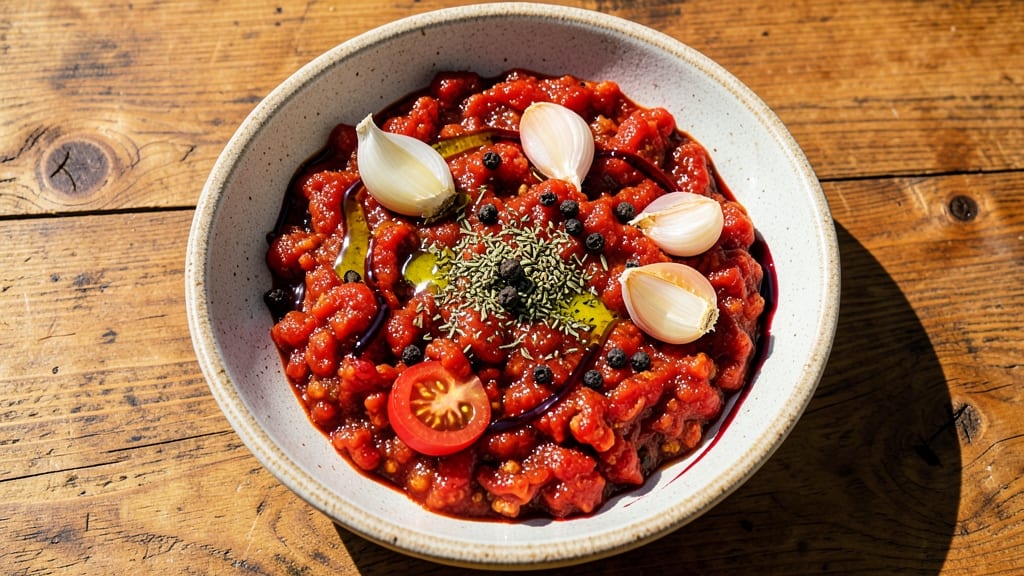
This authentic pizza sauce recipe transforms fresh tomatoes into the vibrant, bright foundation Italian pizzerias rely on. 🌿 The secret lies in balancing acidity, sweetness, and umami—no canned tomatoes or heavy spices needed.
I’ve perfected this over years of testing, and it delivers a sauce so authentic it’ll fool even the most discerning food lovers.
What sets this sauce apart is the fresh tomato base, simmered just until it breaks down into a silky, flavorful consistency. A touch of garlic, a splash of red wine vinegar, and a sprinkle of dried oregano create depth without overpowering the natural tomato sweetness.
The sauce thickens naturally as it cooks, ensuring it clings perfectly to dough without turning watery.
By the time you’re done, you’ll have a sauce that’s rich in flavor but light enough to let the cheese and toppings shine. It’s the kind of sauce that transforms a simple pizza into something restaurant-quality—bold, bright, and full of Italian character.
The best part? It keeps well in the fridge for up to a week, so you can make a big batch and enjoy it all week long.
This sauce is designed to be the star of your pizza night, but it also works beautifully as a marinara for pasta or a dipping sauce for garlic bread.
The key is patience—letting the flavors meld and the sauce reduce to the perfect consistency. Let’s get started on creating something truly authentic.
Ingredients for authentic pizza sauce recipe with fresh tomatoes
Fresh tomatoes and simple pantry staples make this sauce taste like a real Italian trattoria.
| Ingredient | Amount | Notes |
|---|---|---|
| Fresh Tomatoes 🍅 | 2 lb | Roma or vine-ripened, halved |
| Extra-Virgin Olive Oil 🫒 | ½ cup | High-quality, fruity variety |
| Garlic Cloves 🧄 | 4 cloves | Fresh, minced or finely chopped |
| Red Wine Vinegar 🍷 | 1 tbsp | For bright acidity |
| Dried Oregano 🌿 | 1 tsp | Italian or Mediterranean blend |
| Salt 🧂 | 1 tsp | Diamond Crystal preferred |
| Black Pepper 🌶️ | ½ tsp | Freshly ground for warmth |
| Fresh Basil Leaves 🌿 | ¼ cup | Chopped, for freshness |
| Sugar 🍬 | 1 tsp | Balances acidity |
The tomatoes are everything—Roma or vine-ripened have the best flavor, but any ripe tomatoes work. Trader Joe's or local farmers markets usually have the best selection. Avoid green or mealy tomatoes—they’ll make your sauce taste bland. I like to roast mine for 10 minutes to concentrate the flavor, but raw works too if you’re in a hurry. The key is removing the skins and seeds first; they can make the sauce bitter. For extra authenticity, use San Marzano canned tomatoes if you’re stretching the fresh tomato base.
No fresh basil? Dried oregano at double the amount keeps the Italian vibe. Short on vinegar? Lemon juice works in a pinch, but red wine vinegar gives that classic tang. Want more depth? Add a pinch of red pepper flakes for a hint of heat. The sugar is non-negotiable—it balances the acidity and brings out the tomato sweetness. If you’re worried about sweetness, start with half a teaspoon and adjust to taste. The olive oil should be the good stuff—California extra-virgin is my go-to, but any fruity variety works.
This sauce tastes even better the next day as the flavors meld. Store in an airtight container in the fridge for up to 7 days. For long-term storage, freeze in ice cube trays—just thaw and stir. The basil wilts fast, so add it fresh right before serving. If you make a big batch, freeze half immediately. Trust me, you’ll thank yourself later when you’re pulling it out for a quick pizza night.
Why You'll Love This Recipe
- No Blender Needed: I swear by this method—just a knife, a pot, and 15 minutes of simmering. The tomatoes break down into that perfect, chunky-smooth texture without any pulsing or straining. Honestly, my blender’s been gathering dust since I discovered this.
- Garlic-Laced Magic: That first sizzle of garlic in olive oil? Pure alchemy. The vinegar brightens it up just enough to cut through the richness, while the oregano lingers like a warm hug. It’s the kind of sauce that makes you pause mid-bite—wait, is this really just tomatoes?
- Weeknight & Weekend: Use it tonight on garlic knots or toss it into a skillet with grilled chicken for dinner. Freeze half for next month’s pizza night—it thickens beautifully when reheated. Between us, I’ve even drizzled it over roasted potatoes when I was too tired to shape dough.
- Penny-Perfect Flavor: Fresh tomatoes are cheaper than jarred sauce, and this recipe stretches to feed four with leftovers that taste even better the next day. I’ll be real: my grocery budget thanks me every time I make a batch. Plus, the olive oil and vinegar elevate it to restaurant-quality without breaking the bank.
Step-by-step instructions for authentic pizza sauce with fresh tomatoes
Here's how to craft that classic Italian tomato sauce—simple, vibrant, and packed with real flavor.
🍳 Step 1: Prep the Tomatoes for Maximum Flavor
Start by halving the 2 lb fresh tomatoes (Roma or vine-ripened work best). I like to squeeze them gently over a bowl to remove any excess water—this keeps the sauce from becoming watery later. The key here is to get rid of the skins if they're tough, but don't worry about perfect seeds. Just chop the flesh into rough chunks, about ½-inch pieces. This texture ensures the sauce breaks down evenly while keeping that bright, fresh tomato taste.
Transfer the chopped tomatoes to a large saucepan. Here's the thing—fresh tomatoes have more water content than canned, so you'll want to cook them down significantly. The goal is to concentrate their natural sweetness and acidity, which forms the foundation of authentic pizza sauce. Don't skip this step; it's what makes homemade sauce taste so much better than bottled.
🔥 Step 2: Cook the Tomatoes Until Silky
Place the saucepan over medium-high heat and add 1 tsp sugar and 1 tsp salt. Stir to dissolve the sugar completely—this balances the natural acidity of the tomatoes. Let the mixture simmer uncovered for 20-25 minutes, stirring occasionally. You'll see the sauce thicken and reduce as the water evaporates. The color should deepen to a rich, ruby red, and the texture will become smooth and slightly syrupy.
I know it seems like a long time, but patience is key here. The sauce should coat the back of a spoon when you lift it—this is your signal that the tomatoes have broken down enough. If it's still too thin after 25 minutes, just keep cooking it another 5 minutes. The sauce will continue to thicken as it cools, so don't over-reduce it. You want a consistency that's thick enough to cling to pizza dough but still spreadable.
👨🍳 Step 3: Build the Authentic Flavor Base
Once the tomatoes are cooked down, reduce the heat to medium-low and stir in the 0.5 cup extra-virgin olive oil. This is where the sauce gets its rich, velvety texture and authentic Italian character. Let it simmer gently for 5 minutes, stirring constantly so the oil emulsifies with the tomato mixture. You'll notice the sauce becomes glossy and slightly thicker—this is what makes it perfect for pizza.
Add the 4 cloves minced garlic and 1 tbsp red wine vinegar next. The vinegar brightens the flavor and cuts through any bitterness from the tomatoes. Cook for another 2-3 minutes until the garlic is fragrant but not browned—you don't want it to burn, just release its aroma. This is the moment that matters: the garlic should smell incredible but still look pale, not golden.
🥘 Step 4: Finish with Herbs and Seasonings
Turn off the heat completely and stir in the 1 tsp dried oregano and 0.5 tsp black pepper. The oregano adds that classic Italian earthiness, while the pepper gives a subtle warmth. Let the sauce sit for 2 minutes to let the flavors meld. Then, fold in the 0.25 cup chopped fresh basil leaves—this is where the sauce gets its fresh, vibrant finish. The basil should be finely chopped so it distributes evenly throughout the sauce.
Taste and adjust the seasoning if needed. You might want to add a pinch more salt or a splash of red wine vinegar if the tomatoes were particularly tart. The sauce should be balanced—sweet from the tomatoes, bright from the vinegar, and herby from the basil and oregano. Here's the thing about authentic pizza sauce: it's simple, but the quality of each ingredient makes all the difference. Don't be tempted to add extra sugar or salt; trust the natural flavors of the fresh tomatoes.
⏰ Step 5: Cool and Store for Perfect Pizza Topping
Let the sauce cool completely at room temperature before using it on pizza. This step is crucial—cooling allows the flavors to fully develop and the texture to set properly. If you're not using it immediately, transfer the sauce to an airtight container and refrigerate for up to 5 days. The sauce will thicken further as it chills, which is perfect for spreading on pizza dough.
When you're ready to use it, give the sauce a quick stir to loosen it up if it's gotten too thick. This homemade sauce will give your pizza that authentic, restaurant-quality flavor—bright, fresh, and full of real tomato taste. The secret is in the fresh ingredients and letting them shine without overpowering them. Now you're ready to spread it on your dough and create the perfect pizza!
Pro Tips For Making Authentic Pizza Sauce Recipe With Fresh Tomatoes
- Blister the Garlic: Cook the minced garlic in olive oil until it’s golden-brown—almost burnt—but pull it out before it blackens. I learned this the hard way: raw garlic tastes sharp and medicinal, while properly blistered adds a deep, nutty sweetness that makes the whole sauce sing. (Yes, it’s worth the extra 30 seconds of watching.)
- Crush the Tomatoes: Skip the blender—use your hands (or a potato masher) to break down the tomatoes into rough chunks. This keeps some texture and body in the sauce, which is crucial when you’re not using canned tomatoes. Plus, it’s faster than straining, and the skin adds subtle earthiness.
- Simmer Low and Slow: Reduce the heat to a bare simmer after the garlic cooks—no boiling. I used to rush it, and the sauce would turn watery or develop a harsh acidity. A gentle simmer for 20-25 minutes lets the flavors meld without breaking down the tomatoes into mush.
- Salt in Stages: Add half the salt at the start, then taste again before finishing. Fresh tomatoes release water when cooked, so the sauce can end up bland if you salt too early. Wait until the last 5 minutes to adjust—this guarantees the seasoning hits just right. (Trust me, your pizza will taste like a real Italian pizzeria, not a sad diner slice.)
Creative variations of this authentic pizza sauce recipe with fresh tomatoes
Classic Margherita Twist
For a true Italian-inspired variation, blend ¼ cup fresh basil directly into the sauce while warm—this creates a vibrant green hue that mirrors Naples' iconic Margherita pizza. Add 1 tsp lemon zest to brighten the flavors and balance the acidity.
I like to finish with a drizzle of extra-virgin olive oil before using it on pizza for that authentic trattoria touch. 🌿
Spicy Arrabbiata Style
Transform your sauce into a fiery arrabbiata by adding 1 tbsp Calabrian chili paste or 1 tsp red pepper flakes when you incorporate the garlic. For extra depth, stir in 1 minced garlic clove and ½ tsp smoked paprika to complement the heat.
This variation pairs perfectly with spicy salami or pepperoni on pizza. 🌶️
White Pizza Sauce
Skip the tomatoes entirely and create a creamy white sauce by blending ½ cup ricotta cheese, ¼ cup grated Parmesan, 2 tbsp olive oil, 1 minced garlic clove, 1 tbsp lemon juice, and ¼ tsp nutmeg until smooth.
This sauce works beautifully with prosciutto, caramelized onions, and fresh arugula. It's a game-changer for white pizza lovers! 🧀
Herb-Infused Variations
Swap out the oregano for 1 tsp dried thyme and ½ tsp rosemary for a Provençal twist that pairs well with grilled chicken and roasted vegetables.
For a Mediterranean flair, add 1 tsp dried marjoram and ½ tsp fennel seeds—toast the seeds lightly in a dry pan first to release their aroma. These herb combinations elevate the sauce while keeping it versatile for different pizza styles. 🌿
Sweet and Tangy Fusion
Balance the sauce with 1 tbsp honey or agave syrup instead of sugar, then add 1 tsp balsamic vinegar for a sweet-tangy profile. This variation works wonderfully with caramelized pineapple and prosciutto on a Hawaiian-style pizza.
The key is to taste as you go—adjust the sweetness and acidity to your preference. 🍯
Smoky BBQ-Inspired Sauce
For a smoky twist, stir in 2 tbsp BBQ sauce (like Sweet Baby Ray's) and ½ tsp smoked salt at the end. Add 1 tsp brown sugar to deepen the caramelized flavor.
This sauce pairs perfectly with pulled pork, red onions, and a sprinkle of cilantro for a fusion-style pizza. It's a crowd-pleaser for those who love bold, smoky flavors! 🔥
Nutrition facts
Frequently asked questions
Can I use any type of tomato for this sauce?
Roma or vine-ripened tomatoes work best because they're meaty and less watery. Avoid green or overly acidic tomatoes—they can make the sauce taste bitter. If you can't find fresh tomatoes, San Marzano canned tomatoes are the next best option for authentic flavor.
Why does the recipe call for red wine vinegar instead of regular vinegar?
Red wine vinegar adds a subtle depth and complexity that regular vinegar can't match. Its fruity notes complement the tomatoes beautifully, while still providing that bright acidity that balances the sweetness. If you're out of red wine vinegar, balsamic vinegar works in a pinch, but use half the amount.
How do I know when the sauce is done cooking?
The sauce is ready when it coats the back of a spoon and has reduced to a thick, syrupy consistency. This usually takes 20-25 minutes of simmering. If it's still too thin, cook it another 5 minutes—just don't overcook it, or it'll lose its bright flavor.
Can I make this sauce ahead of time?
Yes! This sauce actually tastes better the next day as the flavors meld. Store it in an airtight container in the fridge for up to 5 days. For long-term storage, freeze it in ice cube trays—just thaw and stir before using. The texture will thicken further when chilled, which is perfect for pizza.
What if my sauce turns out too thick or too thin?
If it's too thick, stir in 1-2 tablespoons of water or tomato juice to loosen it up. If it's too thin, simmer it uncovered for another 5-10 minutes to reduce it further. The key is patience—don't rush the cooking process, or you'll end up with a sauce that's either too watery or too concentrated.