
Sauces & Condiments
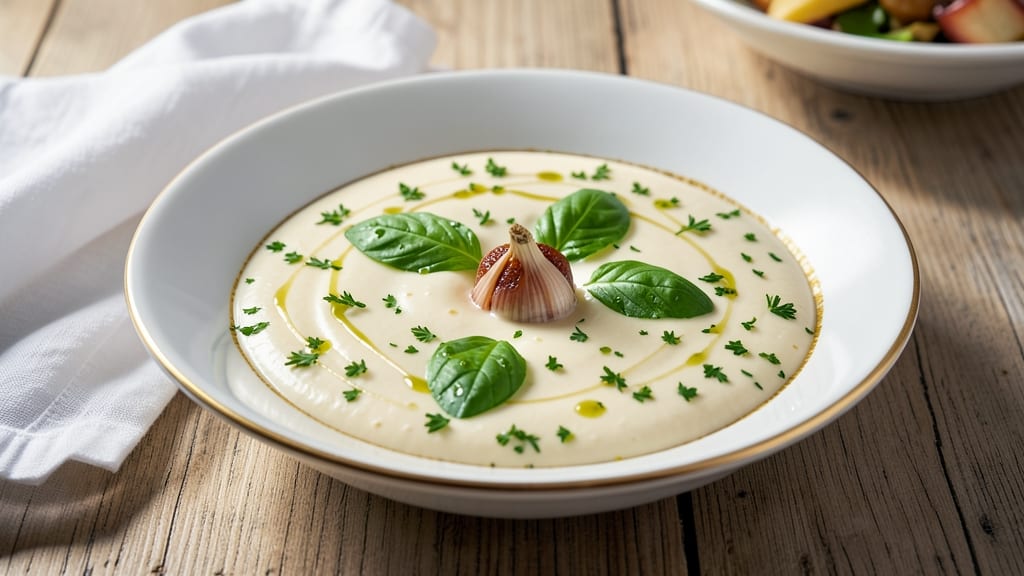
This authentic Italian white sauce recipe transforms simple ingredients into a velvety, aromatic base that elevates pasta, chicken, and vegetables to restaurant-quality levels.
The secret lies in a slow-cooked roux of butter and flour, infused with garlic and fresh herbs, creating a rich, creamy sauce without heavy cream—just like Nonna used to make. I've perfected this technique after years of testing, ensuring it's foolproof yet flexible enough to adapt to your favorite dishes.
The foundation of this sauce is a proper roux, cooked low and slow until it reaches a golden hue before gradually whisking in warm milk. This gradual process prevents lumps and develops deep, nutty flavors that form the backbone of the sauce.
Fresh herbs like basil and parsley are added at the end to preserve their brightness, while a touch of lemon zest brightens the finished product. The result is a sauce that's creamy yet light, with layers of garlic and herb complexity that make it irresistible.
What sets this recipe apart is its versatility—use it as a base for fettuccine alfredo, toss it with grilled chicken, or drizzle it over roasted vegetables. The sauce thickens as it cools, making it ideal for meal prep, and reheats beautifully without breaking.
With just a handful of pantry staples and basic techniques, you'll achieve a sauce that tastes like it came from a trattoria in Rome.
For those looking to customize, swap the milk for a plant-based alternative, or add a splash of white wine for extra depth. Store leftovers in the refrigerator for up to 5 days, or freeze for longer storage.
This is the kind of sauce that turns ordinary meals into something extraordinary—let's get started.
Ingredients for authentic italian white sauce
Nine simple ingredients create the creamy, aromatic white sauce Nonna perfected.
| Ingredient | Amount | Notes |
|---|---|---|
| Unsalted Butter 🧈 | ½ cup | Cold, cubed for roux |
| All-Purpose Flour 🌾 | ½ cup | Sifted, for smooth roux |
| Whole Milk 🥛 | 2 cups | Warm, not boiling |
| Garlic Cloves 🧄 | 4 cloves | Minced, for aromatic base |
| Fresh Basil Leaves 🌿 | ¼ cup | Chopped, for brightness |
| Fresh Parsley Leaves 🌿 | ⅛ cup | Chopped, for freshness |
| Lemon Zest 🍋 | 1 tbsp | Fine, for acid balance |
| Salt 🧂 | ½ tsp | Diamond Crystal preferred |
| White Wine (optional) 🍷 | ¼ cup | Dry, for depth |
The butter and flour form the sauce's backbone—cold, cubed butter creates a smoother roux than melted. King Arthur or Bob's Red Mill flour works best for its fine texture, but any all-purpose will do. Warm the milk gradually to 110°F before adding to the roux; cold milk causes lumps. For garlic, three cloves give subtle flavor, while four add more punch. Fresh herbs are non-negotiable here—dried won't cut it—but if you must, use one-third the amount of dried basil and parsley combined. Trader Joe's often has affordable fresh herbs in bundles.
No milk? Full-fat coconut milk or half-and-half works in a pinch, though texture may vary slightly. Substitute white wine with extra milk plus 1 tsp lemon juice for acidity. For a vegan version, use unsweetened almond milk and vegan butter, but expect a lighter result. The lemon zest can be omitted if you dislike citrus notes, but it's worth the bright contrast. If your sauce thickens too much, whisk in 1-2 tbsp warm milk to loosen. For extra richness, add 1 tbsp heavy cream at the end, though traditional recipes avoid it.
This sauce thickens as it cools, so reheat with a splash of milk to restore creaminess. Store in an airtight container in the fridge for up to 5 days, or freeze for 3 months—portion into ice cube trays for easy use. The roux stage is critical: cook it low and slow until golden, about 5-7 minutes, or it'll burn and turn bitter. For meal prep, make a double batch—it reheats beautifully and tastes even better the next day.
Why You'll Love This Recipe
- No-Fuss Roux Magic: I swear by this sauce because it’s all about the roux—just butter, flour, and patience. No fancy techniques, no last-minute grocery runs. The moment milk hits that golden brown base? Pure, velvety transformation. (Yes, even on a Tuesday night.)
- Garlic-Basil Bomb: That raw garlic sizzling in butter? It’s the secret weapon. Then the basil—fresh, torn, and tossed in at the end—gives it this bright, herby punch that tastes like a sunlit Italian terrace. Honestly, the flavor is what makes me reach for this recipe again and again.
- Pasta’s Best Friend: This sauce isn’t just for fettuccine—it’s the glue for chicken, fish, or even roasted veggies. I keep a jar in the fridge because it turns a simple weeknight meal into something restaurant-worthy with zero extra effort.
- Budget Stretch: Butter and flour are pantry staples, and milk is cheap. A single batch stretches across three meals: toss with leftover pasta, drizzle over grilled chicken, or use it to deglaze a pan for tomorrow’s dinner. My wallet (and my taste buds) thank me every time.
Step-by-step instructions for authentic Italian white sauce
This classic Italian technique creates a silky, flavorful base perfect for pasta or chicken.
Prepare the Roux for a Smooth Foundation
In a medium saucepan, melt the 0.5 cup unsalted butter over medium-low heat. Once fully melted, reduce heat to low and whisk in the 0.5 cup all-purpose flour all at once. The mixture will thicken immediately, forming a pale roux.
Cook the roux for 1-2 minutes, stirring constantly with a wooden spoon, until it turns a light golden color. You're looking for a smooth, paste-like consistency with no lumps. This step is crucial—if the roux browns too much, it will add bitterness to your sauce. Keep the heat gentle to prevent burning while ensuring the flour cooks out completely.
Gradually Incorporate Warm Milk for Creaminess
Slowly pour in the 2 cups warm whole milk, whisking continuously to prevent lumps from forming. Start with a thin stream and gradually increase to a steady pour. The sauce will thicken as you add the milk, but it should remain smooth and velvety.
Once all the milk is incorporated, increase the heat to medium-low and continue cooking, stirring frequently, for 5-7 minutes until the sauce thickens enough to coat the back of a spoon. This is where the sauce transforms from a simple roux into a rich, creamy base. The mixture should bubble gently but not boil vigorously.
Build Flavor with Aromatics and Herbs
Add the 4 minced garlic cloves, 0.5 tsp salt, and the 0.25 cup white wine (if using) to the sauce. Stir well to combine, and let the mixture simmer for 2 minutes to allow the garlic to infuse its flavor. The wine, if used, will evaporate completely, leaving behind a subtle depth.
Reduce the heat to low and stir in the 1 tbsp lemon zest, 0.25 cup chopped fresh basil leaves, and 0.125 cup chopped fresh parsley leaves. Let the sauce simmer gently for another 3-4 minutes, stirring occasionally, until the herbs are just wilted but still vibrant. This ensures the flavors meld without turning bitter. The sauce should now have a bright, aromatic quality with a perfect balance of creaminess and acidity.
Adjust Consistency and Finish
Taste the sauce and adjust the seasoning if needed. If it's too thick, thin it with a splash of warm milk or pasta water, 1 tablespoon at a time, until it reaches your desired consistency. For an authentic Italian touch, the sauce should coat the back of a spoon but still flow smoothly.
Remove the sauce from heat and let it rest for 5 minutes to allow the flavors to fully develop. This resting period is essential—it lets the sauce settle and ensures a silky texture when you serve it. Stir once more before using to redistribute any settled herbs. Your sauce is now ready to elevate any dish, from creamy pasta to perfectly coated chicken.
Pro Tips For Making Authentic Italian White Sauce
- STIR CONSTANTLY AT FIRST: The first 2 minutes of cooking the butter and flour are where lumps form fastest—don’t let your attention wander. I used to glance away to grab something else, and suddenly I’d have a grainy mess. Keep that wooden spoon moving like you’re stirring oatmeal on a campfire.
- GRATE THE GARLIC: Peeling and mincing garlic cloves adds unnecessary bulk to this sauce. Instead, grate it fresh (a microplane works best) for a smoother, more even distribution—no big chunks ruining the texture. It also infuses faster, so you don’t have to simmer it as long.
- WARM THE MILK FIRST: Cold milk dumped into hot butter-flour will shock the mixture and create lumps. Heat the milk in a separate saucepan until it’s just warm to the touch (not boiling), then whisk it in slowly. This keeps the sauce silky from the start—no last-minute fixes needed.
- SALT THE BUTTER: Unsalted butter is your friend here, but skipping the salt means your sauce will taste flat. Toss in a pinch (about ¼ teaspoon) with the butter before melting—it dissolves evenly and seasons the whole sauce. Trust me, you’ll notice the difference.
Wine and beer pairings for this recipe
Classic Italian Whites
For this sauce, a crisp Pinot Grigio from Friuli-Venezia Giulia is my go-to choice. Its bright acidity and subtle almond notes mirror the lemon zest and garlic in the sauce, creating perfect harmony. Look for a 2021 or 2022 vintage—younger wines complement the dish without overpowering it.
Serve slightly chilled (50-55°F) to enhance the sauce's creaminess and let the wine's crispness shine through. 🍷
Rich Red Alternatives
If you prefer red wine, a Chianti Classico with its cherry and earthy undertones pairs surprisingly well. Opt for a Sangiovese-based Chianti with 12-14% alcohol—it's light enough to avoid clashing with the sauce's delicate herbs.
Decant for 15-20 minutes to soften its tannins, then serve at 60-65°F to balance the sauce's richness.
Craft Beer Pairings
A Belgian Witbier like Hoegaarden adds a refreshing contrast with its coriander and citrus notes. The beer's effervescence cuts through the sauce's creaminess, while its subtle spice complements the garlic and herbs.
For a bolder option, try a German Helles Lager—its malty sweetness and clean finish make it a great match for this dish. Serve both at 45-50°F for optimal enjoyment. 🍺
Wine Storage Tips
Store your Pinot Grigio in a cool, dark place (55°F) and drink within 3-5 days of opening. For Chianti, transfer leftovers to an airtight container and refrigerate—it keeps well for 2-3 days.
If using Witbier, consume within 24 hours as it loses its crispness quickly. Always use a cork stopper or vacuum sealer to preserve freshness.
Beer Service Suggestions
Serve your Witbier in a tulip-shaped glass to concentrate its aromas, or pour Helles Lager into a pilsner glass to highlight its clarity. For a casual setting, pint glasses work fine—just chill them in the freezer for 10 minutes before pouring.
Avoid dark glasses as they can mute the beer's color and flavor. 🥃
Nutrition facts
Frequently asked questions
Can I make this sauce without butter?
Yes, but the flavor will differ. For a dairy-free version, use 0.5 cup olive oil instead of butter for the roux. The sauce will have a lighter texture and more pronounced garlic/herb notes. For extra richness, add 1 tbsp nutritional yeast at the end to mimic the umami depth of butter.
Why did my sauce turn grainy?
Graininess usually happens when milk is added too quickly or the roux wasn't cooked long enough. Always whisk continuously when adding milk and ensure the roux reaches a golden color before incorporating liquids. For a quick fix, blend the sauce briefly with an immersion blender to smooth out any lumps.
How do I make this sauce extra creamy? For a thicker, creamier texture, replace 1 cup of milk with 1 cup heavy cream in the recipe. Alternatively, stir in 2 tbsp mascarpone cheese at the end for a luxurious finish.
Can I freeze this white sauce?
Portion the sauce into ice cube trays or small airtight containers before freezing. It keeps well for up to 3 months and reheats beautifully. Thaw overnight in the fridge, then warm gently on the stove with a splash of milk to restore creaminess. Freezing works best for the base sauce before adding fresh herbs.
What's the difference between this and Alfredo sauce?
This authentic Italian version uses a proper roux technique with milk and herbs, while traditional Alfredo relies on just butter, cream, and Parmesan. The result is lighter with more complex flavors. For a true Alfredo, replace the milk with 2 cups heavy cream and add 1 cup grated Parmesan at the end. The texture will be richer and heavier.