
Sauces & Condiments
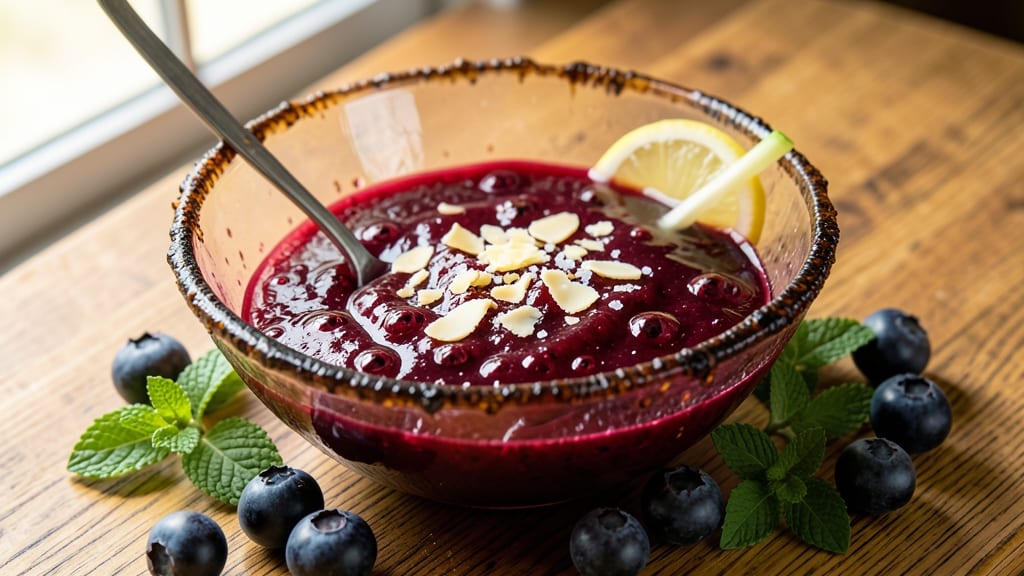
This blackberry reduction sauce transforms simple blackberries into a glossy, jammy masterpiece in just 15 minutes—perfect for elevating desserts, meats, or even cheese boards.
The secret lies in balancing sweetness, acidity, and heat to create a sauce that's rich yet bright, with a velvety texture that clings beautifully to any surface. I developed this recipe after years of experimenting with fruit reductions, and it consistently delivers that restaurant-quality finish without requiring advanced techniques.
The process is straightforward but precise: simmering blackberries with sugar and lemon juice until they break down into a syrupy consistency, then straining for a silky-smooth finish. What sets this sauce apart is the intense blackberry flavor concentrated into every spoonful, with just enough acidity to cut through richness.
The sauce thickens naturally as it reduces, creating that perfect glossy sheen that makes everything it touches look and taste more luxurious.
By the time you're done, you'll have a versatile sauce that works as a glaze for roasted chicken, a drizzle over vanilla ice cream, or a glaze for grilled pork tenderloin.
The balance of sweet and tart makes it equally at home on sweet or savory dishes, and the 15-minute preparation means it's ready when you need it. This isn't just a sauce—it's a flavor multiplier that transforms ordinary meals into something extraordinary.
One of the best parts? The sauce keeps well in the refrigerator for up to two weeks, so you can make a batch and use it throughout the season.
The key to success is patience during the simmering process—rushing will result in a thinner sauce, while letting it reduce slowly ensures that jammy, glossy finish. Let's get started on creating this versatile, flavor-packed sauce that will become a staple in your kitchen.
Ingredients for blackberry reduction sauce
Eight ingredients transform humble blackberries into a luxurious, jammy masterpiece in minutes.
| Ingredient | Amount | Notes |
|---|---|---|
| Fresh Blackberries 🫐 | 1 ½ lb | Ripe, firm berries preferred |
| Granulated Sugar 🍚 | ¾ cup | White or light brown |
| Fresh Lemon Juice 🍋 | ¼ cup | About 1 large lemon |
| Red Wine Vinegar 🍷 | 1 tbsp | For enhanced brightness |
| Fresh Ginger 🌿 | 1 tbsp | Finely grated, aromatic |
| Unsalted Butter 🧈 | 2 tbsp | Cold, cubed for gloss |
| Vanilla Bean Seeds 🌸 | 1 tsp | Scraped from 1 pod |
| Cayenne Pepper 🌶️ | ¼ tsp | Adjust for heat preference |
The blackberries are the heart of this sauce—look for deep purple, plump berries at your local farmers market or grocery store's produce section. Trader Joe's and Whole Foods often carry the best quality in season. If you can't find fresh blackberries, frozen unsweetened blackberries work perfectly—just don't thaw them first. The sugar is crucial for balancing the fruit's natural tartness, so don't skimp here. For the lemon juice, Meyer lemons add a subtle floral note that elevates the sauce, but regular lemons work fine too. The red wine vinegar might seem like an odd addition, but it's what gives this sauce that restaurant-quality depth and complexity—think of it as the secret weapon in your flavor arsenal.
No fresh ginger? Ground ginger at half the amount will work in a pinch, though it lacks that fresh, zesty punch. If you're avoiding cayenne, smoked paprika at a quarter teaspoon adds warmth without heat. The butter is non-negotiable for that luxurious sheen—European-style butter like Plugrá melts more smoothly. For the vanilla, vanilla extract at double the amount is a decent substitute, though it won't have that same elegant complexity. The sauce's magic happens during reduction, so if you're short on time, reduce over high heat and finish with a quick strain for smoothness. The key is patience—the longer you simmer, the more intense that jammy flavor becomes.
This sauce is a kitchen workhorse—keeps for up to 2 weeks in the fridge, sealed tightly. For longer storage, freeze in ice cube trays for perfect single-use portions. The sauce thickens as it cools, so warm gently before using if it's too stiff. I like to drizzle it over warm vanilla ice cream or use it as a glaze for roasted duck. A little goes a long way—start with 1 teaspoon and adjust to taste. The sauce also makes a stunning presentation on cheese boards, especially with sharp cheddar or creamy brie.
Why You'll Love This Recipe
- Three-Ingredient Base: I swear by this sauce because it’s that simple—just berries, sugar, and a splash of vinegar. No fancy techniques, no stress: toss them in a pot, simmer until it thickens, and you’ve got a jammy, tangy sauce that tastes like summer in a jar.
- Bright Tangy Magic: That ginger-zest hit from fresh lemon and vinegar cuts through the sweetness like a knife through butter. It’s not just dessert-friendly—drizzle it on grilled chicken or roasted pork, and suddenly everything tastes like a fancy bistro dish.
- Weeknight Secret Weapon: I keep a jar of this in the fridge for lazy nights when I want flavor without effort. A spoonful elevates scrambled eggs, yogurt bowls, or even toast—no last-minute shopping, no fuss, just instant upgrade.
- Stays Fresh for Days: Between us, this sauce tastes better the next day as the flavors meld. Store it in the fridge for up to a week, or freeze it in ice cube trays for quick drizzles later—no waste, all reward. Plus, blackberries are cheap in season, so you’re saving cash while making magic.
Step-by-step instructions for blackberry reduction sauce
This method delivers a velvety, intensely jammy sauce with perfect balance in just minutes—no overcooking or bitterness.
Prepare the Blackberries and Base Ingredients
Rinse the 1.5 lb fresh blackberries gently under cold water to remove any dirt or debris, then drain thoroughly in a colander. I always give them a good shake to remove excess moisture—this prevents a watery reduction later. Transfer the berries to a medium saucepan and add the 0.75 cup granulated sugar, 0.25 cup fresh lemon juice, 1 tbsp red wine vinegar, and 1 tbsp finely grated fresh ginger. Stir well to combine all ingredients completely.
The sugar will begin dissolving immediately as you mix, and you'll notice the lemon juice and vinegar brighten the berries' color. This initial combination is crucial—the acidity from the lemon and vinegar will help break down the fruit's pectin more efficiently during reduction. Make sure the ginger is finely grated so it dissolves smoothly rather than creating texture in the finished sauce.
Simmer Until Berries Break Down
Place the saucepan over medium-high heat and bring the mixture to a boil. Once boiling vigorously, reduce the heat to medium and let it simmer uncovered for 8-10 minutes. You'll see the berries begin to soften and burst, releasing their juices and creating a thick, syrupy consistency. Stir occasionally to prevent sticking and ensure even cooking.
Here's where patience pays off: You're looking for the berries to completely disintegrate and the mixture to thicken noticeably. The sauce should coat the back of a spoon when you lift it for a taste test. If it's still too thin after 10 minutes, continue simmering for another 2-3 minutes. The goal is to reduce the liquid by about half while preserving the berries' vibrant color and natural sweetness.
Strain and Infuse with Aromatics
Once the berries are fully broken down, remove the pan from the heat and let it cool slightly for 2-3 minutes. Line a fine-mesh strainer with a clean cheesecloth or coffee filter, then carefully strain the mixture into a clean bowl, pressing gently on the solids to extract all the juices. Discard the berry pulp—this step is what gives the sauce its silky, jammy texture without any fruit pieces.
Return the strained reduction to the saucepan and place it back over low heat. Add the 2 tbsp cold unsalted butter, 1 tsp vanilla bean seeds, and 0.25 tsp cayenne pepper. Stir constantly for 2-3 minutes until the butter melts completely and the vanilla and cayenne are fully incorporated. The sauce should now have a glossy sheen and a beautifully balanced flavor—tangy from the vinegar, bright from the lemon, and subtly spicy from the cayenne.
Finish and Adjust Consistency
Taste the sauce and adjust the seasoning if needed. If it tastes too tart, add a pinch more sugar; if it needs more brightness, add another ½ teaspoon of lemon juice. For a thicker consistency, simmer the sauce uncovered over low heat for an additional 3-5 minutes, stirring frequently. If it's too thick, thin it with 1-2 teaspoons of water or reserved berry juice until it reaches your desired consistency—it should coat the back of a spoon but still be pourable.
This sauce is incredibly versatile—use it immediately to glaze roasted meats, drizzle over vanilla ice cream, or reduce further for a jam-like consistency. The key to its success lies in the balance of acidity, sweetness, and heat, all harmonized by the vanilla and butter. Let it cool slightly before serving to allow the flavors to meld completely. The finished sauce should be a deep, rich purple with a glossy finish that practically shines on your plate.
Pro Tips For Making Blackberry Reduction Sauce
- CRANK THE HEAT HIGH: Start your blackberries over medium-high heat—yes, even though it looks aggressive—and let them sizzle hard for the first 3-4 minutes. This bursts their juices immediately, cutting the cooking time in half and preventing that sad, watery reduction later. (I used to simmer gently and ended up with a sauce that needed another 20 minutes to thicken. Not worth it.)
- MASH THE GINGER FINE: Skip the grating—finely mince that ginger with a knife until it’s almost paste-like. This ensures it dissolves completely into the sauce instead of sitting as stubborn chunks at the bottom. (My first attempt used grated ginger, and I had to fish out three pieces while eating. Not elegant.)
- ADD SUGAR GRADUALLY: Taste as you go and add sugar in small batches (start with 1 tablespoon at a time). Blackberries vary wildly in sweetness, and dumping in all the sugar upfront can turn your sauce cloying. (I learned this after making a batch so sweet it could’ve been dessert syrup.)
- STIR CONSTANTLY AFTER VINEGAR: Once you add the red wine vinegar, keep that pot moving—even if it means stopping to scrape the sides every 30 seconds. The acid reacts with the sugar and can cause sudden, violent bubbling if left unattended. (I’ve seen sauce splatter onto the stove. It’s not fun to clean.)
Storing and reheating this blackberry reduction sauce
Fridge Storage Secrets
Transfer your blackberry reduction sauce to a clean, airtight glass container—I prefer 8-ounce mason jars for portion control. The sauce thickens as it cools, so leave about ½ inch of headspace to prevent spills.
Store in the refrigerator at 40°F or below for up to 2 weeks. The flavors actually deepen over time, becoming more complex with each day. 💫
Freezer Prep Tips
For longer storage, portion the sauce into 1-ounce silicone molds or ice cube trays—they thaw perfectly for single-use applications. Once frozen solid, transfer cubes to a freezer bag and label with the date.
This sauce keeps its quality for up to 3 months in the freezer, though I recommend using it within 2 months for peak flavor. Thaw overnight in the fridge before reheating.
Reheating Methods
For stovetop reheating, transfer the desired amount to a small saucepan and warm over low heat with 1-2 teaspoons of water to restore its glossy consistency. Stir constantly to prevent scorching—2-3 minutes is all you need.
For microwave reheating, use 30-second intervals on 50% power, stirring between each interval until warmed through. Avoid high heat to prevent separation of the butter.
Consistency Fixes
If your sauce thickens too much during storage, simply add ½ teaspoon of water at a time while reheating. For a thinner drizzle consistency, thin with 1 teaspoon of water or reserved berry juice.
If the sauce separates slightly, whisk vigorously over low heat until smooth. The key is gentle heat—never let it boil, or the butter will separate permanently. 🔥
Reviving Flavor
After refrigeration, the sauce may lose some of its vibrant color and gloss. To revive it, warm gently on the stove and finish with a fresh pinch of cayenne or a dash of red wine vinegar to brighten the flavors.
I also like to add a tiny splash of vanilla extract (½ teaspoon) if the aroma seems muted. This simple touch brings back that restaurant-quality finish every time.
Portion Control
Use 1 teaspoon as your starting point for most applications—this sauce is intensely flavorful! For glazing meats, brush on generously in the last 5 minutes of cooking. When drizzling over desserts, 2-3 teaspoons creates beautiful marbling.
The sauce's concentrated flavor means a little goes a long way, so always start small and adjust to taste. This mindful approach prevents waste and ensures perfect flavor balance every time. ✨
Nutrition facts
Frequently asked questions
Can I use frozen blackberries instead of fresh?
Yes, frozen blackberries work beautifully! Just use 1.5 cups of frozen berries (no need to thaw) to match the fresh weight. They'll release moisture during simmering, so you may need to reduce the lemon juice slightly to 2 tablespoons instead of 0.25 cup to maintain balance. The texture will be just as jammy and glossy.
How do I adjust the sweetness level?
Start with the 0.75 cup sugar as written, then taste after straining. For a sweeter sauce, add 1 tablespoon more sugar at a time. Need less sweetness? Add 1 teaspoon more lemon juice or vinegar to brighten the tartness. The sauce's intensity means small adjustments make big flavor differences!
What's the best way to use this sauce on savory dishes?
This sauce shines as a glaze for grilled pork chops or duck breast—brush on in the last 5 minutes of cooking. For poultry, reduce the sauce slightly longer (12-15 minutes) to create a thicker consistency that clings beautifully. The ginger and cayenne add wonderful complexity to meats, while the acidity cuts through richness.
Why did my sauce turn cloudy after refrigerating?
Cloudiness usually means the butter separated during cooling. Warm the sauce gently on low heat with 1 teaspoon water while whisking until smooth. To prevent this, let the sauce cool slightly before refrigerating (not piping hot) and avoid shaking the container. The glossy finish returns when reheated properly!
Can I make this without butter?
Yes! Replace the butter with 2 tablespoons neutral oil (like grapeseed) for a dairy-free version. The sauce will still coat beautifully, though it won't have the same rich sheen. For extra depth, add 1 teaspoon honey along with the vanilla. The texture will be slightly lighter but still jammy and flavorful.