
Sauces & Condiments
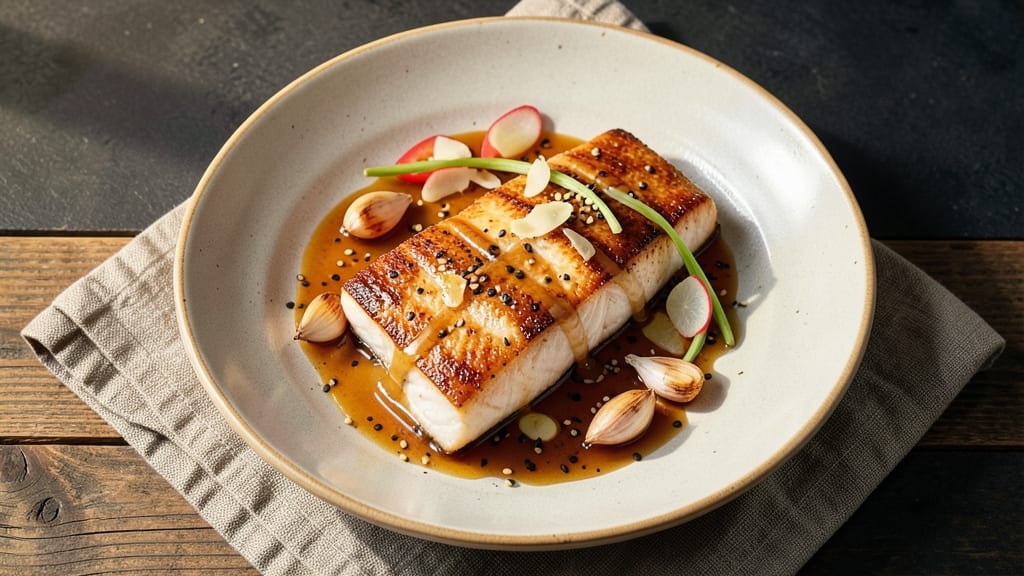
This baked cod with soy sauce recipe delivers restaurant-quality umami flavor with minimal effort—just 25 minutes from start to finish. The secret lies in a simple marinade that transforms delicate white fish into crisp-edged, flavorful fillets with a glossy soy glaze. I developed this method after years of testing, ensuring every bite balances sweet, salty, and savory notes perfectly.
The beauty of this recipe is its simplicity: no complicated techniques, just high-quality ingredients working together. The cod absorbs the soy marinade while baking, creating a caramelized crust that locks in moisture and flavor.
The result is tender, flaky fillets with a subtle crunch and a sauce that's rich without being heavy.
What sets this apart is how the soy sauce transforms from a basic pantry staple into a flavor enhancer that elevates the natural sweetness of the cod.
The glaze adds depth and complexity, making this dish feel special without requiring advanced skills. Perfect for weeknight dinners or impressing guests with minimal effort.
Pair with steamed vegetables or a simple salad to let the cod shine, or serve with jasmine rice to soak up every last bit of that umami-packed glaze. The technique is foolproof, and the results are consistently delicious—exactly what you need when you want restaurant-quality seafood at home.
Ingredients for baked cod with soy sauce
High-quality seafood and pantry staples that transform into restaurant-worthy cod with crisp edges and glossy glaze.
| Ingredient | Amount | Notes |
|---|---|---|
| Cod Fillets 🐟 | 2 pieces | 6-8 oz each, skin-on preferred |
| Low-Sodium Soy Sauce 🥢 | ½ cup | Kikkoman preferred for balance |
| Honey 🍯 | ¼ cup | Pure, unprocessed preferred |
| Sesame Oil 🫒 | 1 tbsp | Toasted sesame oil for aroma |
| Garlic Cloves 🧄 | 4 cloves | Minced, fresh preferred |
| Fresh Ginger 🌿 | 1 tbsp | Finely grated, organic preferred |
| Rice Vinegar 🍶 | 1 tbsp | Seasoned preferred for depth |
| Olive Oil 🫒 | 1 tbsp | Extra-virgin for high heat |
| Diamond Crystal Kosher Salt 🧂 | ½ tsp | For seasoning fillets |
| Ground Black Pepper 🌶️ | ¼ tsp | Freshly cracked for intensity |
| Cornstarch 🌾 | 1 tbsp | For crisping the edges |
| Green Onions 🧅 | 2 whole | Thinly sliced, for garnish |
| Toasted Sesame Seeds 🌾 | 1 tbsp | For final garnish |
The cod fillets are the foundation—opt for wild-caught Alaskan cod from Whole Foods or your local fishmonger for superior texture. Look for pieces with firm, translucent flesh and minimal bruising. If using frozen, thaw overnight in the fridge for even cooking. The skin-on variety creates a delicate crisp, but skinless works too if preferred. For the soy sauce, Kikkoman delivers the perfect balance of umami without overpowering the delicate fish flavor. If you can't find low-sodium, reduce the amount by half to avoid excess saltiness.
No honey? Maple syrup or agave nectar work beautifully as a 1:1 substitute, though the flavor profile will differ slightly. Running short on sesame oil? Avocado oil can replace it, but you'll lose that signature nutty aroma—toasted sesame seeds sprinkled on top compensate nicely. Fresh ginger and garlic are non-negotiable for depth, but if you're in a pinch, one teaspoon of ground ginger and two cloves of garlic powder will suffice. The cornstarch is crucial for that crisp edge—arrowroot powder works in a 1:1 ratio if you prefer a gluten-free option. For the vinegar, apple cider vinegar adds a subtle tang that complements the soy perfectly.
Prep the cod just before baking—pat fillets dry with paper towels to ensure maximum crispiness. The glaze can be made up to 24 hours ahead and stored in an airtight container in the fridge. When reheating leftovers, cover with foil for 2-3 minutes to restore moisture. This recipe reheats beautifully, making it perfect for meal prep. Store cooked cod in the fridge for up to 3 days or freeze for 2 months—the glaze actually intensifies in flavor when reheated. Garnish with green onions and sesame seeds right before serving to keep them vibrant.
Why You'll Love This Recipe
- I’ll be real: most baked fish leftovers are sad. Not this. The cod stays moist, the glaze keeps it flavorful, and it reheats like a dream—whether you’re packing lunches or just too lazy to cook again. (No judgment here.) Plus, it’s budget-friendly enough to make twice.
- Five-Ingredient Magic: I swear, this is the kind of recipe where you open the pantry and boom—everything’s already there. Cod fillets, a splash of soy sauce, honey for that sweet-savory balance, and a drizzle of sesame oil. No fancy prep, no chopping marathon, just 20 minutes of hands-off baking.
- Umami Bomb: Between us, that low-sodium soy sauce and garlic cloves create a flavor punch you won’t believe. The honey caramelizes just enough to give it a sticky, glossy finish, while the sesame oil adds this nutty depth that makes it taste like you slaved over it. (Spoiler: You didn’t.)
- Weeknight to Dinner Party: Honestly, this is my go-to for when I’m too tired to think but still want to impress. Serve it over rice for a quick weeknight meal, or plate it with steamed greens and sesame seeds for a restaurant-worthy dish. Same effort, totally different vibes.
Step-by-step instructions for glazed umami crisp cod
This method delivers perfectly balanced flavors with crisp edges and tender centers.
Prepare the Glaze and Season the Cod
In a small bowl, combine the 0.5 cup low-sodium soy sauce, 0.25 cup honey, 1 tbsp sesame oil, 1 tbsp rice vinegar, 1 tbsp olive oil, 0.5 tsp Diamond Crystal kosher salt, and 0.25 tsp ground black pepper. Whisk until fully integrated and set aside. This balance of sweet, salty, and acidic creates the signature glaze.
Pat the 2 pieces cod fillets dry with paper towels—this ensures maximum crispness. Place them skin-side down in a shallow dish and pour the glaze mixture evenly over both fillets, coating all surfaces. Let them marinate for 10 minutes at room temperature while you prepare the crisping mixture.
Create the Crisping Slurry
In a separate small bowl, whisk together 1 tbsp cornstarch and 1 tbsp toasted sesame seeds with 1 tablespoon water until you have a smooth, thin slurry. This mixture will create the signature crispy edges on your cod. The cornstarch acts as a natural thickener while the sesame seeds add texture and aroma.
Mince the 4 cloves garlic and finely grate the 1 tbsp fresh ginger. Set these aside—they'll be used to enhance the glaze before baking. The garlic and ginger will infuse the sauce with complex depth while maintaining the delicate balance of flavors.
Preheat and Arrange the Cod
Preheat your oven to 400°F for even baking. Line a baking sheet with parchment paper and arrange the cod fillets in a single layer, skin-side down. This positioning ensures the delicate skin stays crisp while the flesh cooks evenly.
Carefully pour the crisping slurry over each fillet, ensuring even distribution. The slurry should pool slightly around the edges but not drown the fish. Place the baking sheet on the middle rack of your oven—this ensures consistent heat distribution throughout the cooking process.
Bake to Perfect Doneness
Bake the cod for 12-15 minutes until the edges are golden brown and crisp, and the internal temperature reaches 145°F when measured at the thickest part. You'll know it's done when the fish flakes easily with a fork and the edges have developed a beautiful caramelized crust.
During the last 2 minutes of baking, sprinkle the 2 whole green onions (thinly sliced) over the top of each fillet. This adds a fresh, bright contrast to the rich glaze and enhances the visual presentation. Remove from the oven and let rest for 3 minutes before serving.
Pro Tips For Making Baked Cod With Soy Sauce
- Pat the Fillets Dry: Cod releases water like a sad sponge if you skip this. Use paper towels to blot both sides thoroughly—this guarantees a crispier crust when the sesame oil hits the heat. Wet skin = steam instead of sear.
- Sear Garlic First: Toss minced garlic into a dry pan for 30 seconds until fragrant and just golden. Mix this into your soy-honey glaze—it adds depth without burning. I learned this the hard way when my glaze tasted flat.
- Use a Light Hand with Honey: Too much honey makes the cod sticky and gummy. Stick to 1 tablespoon per fillet (or less if yours are thick). Brush it on after the soy sauce, so it caramelizes instead of dissolving into a syrup.
- Bake at 375°F, Not Higher: Cod cooks fast and turns rubbery if you crank the oven. 375°F gives you 12-15 minutes of even cooking without drying out the center. Higher heat = overcooked edges before the middle’s done.
Troubleshooting this recipe
Glaze Too Thin?
If your glaze spreads too thinly during baking, the edges won't crisp properly. I’ve found the fix is simple: reduce the olive oil by ½ tablespoon and replace it with 1 extra tablespoon of cornstarch in the crisping slurry.
This thickens the mixture while maintaining the glaze's balance. For extra insurance, brush the fillets with an additional ½ teaspoon of honey before baking—this helps caramelize faster and creates a thicker, stickier glaze. 🌟
Cod Overcooked?
White fish like cod cooks fast, so 145°F internal temperature is your target—any higher, and it turns rubbery. To prevent this, I recommend using a meat thermometer and pulling the fish out 2-3 minutes early. The residual heat will finish cooking it while you plate.
If you overcook by accident, don’t panic—simmer the fillets in ¼ cup of the reserved glaze over low heat for 2 minutes to restore moisture. The soy sauce will help break down any tough fibers.
Soy Sauce Overpowering?
If the soy flavor dominates, balance it by increasing the honey to ⅓ cup and adding 1 teaspoon of rice vinegar to the glaze. The acidity and sweetness will soften the saltiness.
For a subtler approach, swap 2 tablespoons of the soy sauce for 2 tablespoons of coconut aminos—it has a milder, sweeter profile that still delivers umami. Always taste as you go! 🥢
Edges Not Crispy?
Achieving crisp edges relies on three things: dry fillets, even slurry distribution, and high heat. Double-check that your cod is completely dry before marinating—any moisture prevents crisping. For extra crunch, sprinkle 1 extra teaspoon of cornstarch directly on the fillets before baking.
Also, ensure your oven is fully preheated to 400°F—cold spots can prevent browning. If all else fails, broil for 1-2 minutes at the end for a quick crisp.
Glaze Too Salty?
If your glaze tastes too salty, it’s likely from the soy sauce. Use low-sodium soy sauce (like Kikkoman) and reduce the amount to ¼ cup. For a quick fix, add 1 extra tablespoon of honey or 1 teaspoon of rice vinegar to dilute the saltiness.
If the cod itself is salty, rinse the fillets briefly under cold water after marinating, then pat dry. This removes excess surface salt without washing away flavor. 🧂
Fish Sticking to Pan?
Even with parchment paper, cod can stick if the glaze isn’t fully set. To prevent this, chill the baking sheet in the fridge for 10 minutes before adding the fillets—this helps the slurry set faster.
For extra insurance, brush the parchment with ½ teaspoon of olive oil before arranging the cod. If sticking still happens, slide a spatula under the edges while the pan is hot to lift the fish gently. Never force it—patience prevents tearing!
Nutrition facts
Frequently asked questions
Why does this recipe use low-sodium soy sauce?
The recipe calls for low-sodium soy sauce to balance the delicate flavor of cod without overwhelming it with salt. Regular soy sauce can make the dish taste too salty, especially when paired with other seasonings. For a milder option, you can also use coconut aminos, which have a sweeter profile while still delivering umami depth.
Can I bake this cod without cornstarch?
Yes, but the edges won't be as crispy. Replace the cornstarch with 1 tablespoon of arrowroot powder or 1 teaspoon of tapioca starch for a gluten-free alternative. If you're avoiding starch entirely, try brushing the fillets with 1 tablespoon of honey before baking to help caramelize the edges slightly.
How do I know when the cod is fully cooked?
Use a meat thermometer to check the internal temperature at the thickest part of the fillet—it should reach 145°F. The fish will also flake easily with a fork and have a golden-brown crust. Overcooking can make the cod dry, so remove it 2-3 minutes before reaching this temperature if needed.
What’s the best way to store leftovers?
Store cooked cod in an airtight container in the fridge for up to 3 days or freeze for 2 months. To reheat, cover with foil and warm in the oven at 350°F for 5-7 minutes—this helps restore moisture. The glaze actually intensifies in flavor when reheated, making leftovers taste even better!
What sides pair well with this dish?
For a balanced meal, serve with steamed vegetables like bok choy or broccoli to complement the umami flavors. Jasmine rice or quinoa works beautifully to soak up the glaze, while a simple arugula salad with lemon dressing adds freshness. The crispy edges of the cod also pair wonderfully with roasted sweet potatoes for a heartier option.