
Sauces & Condiments
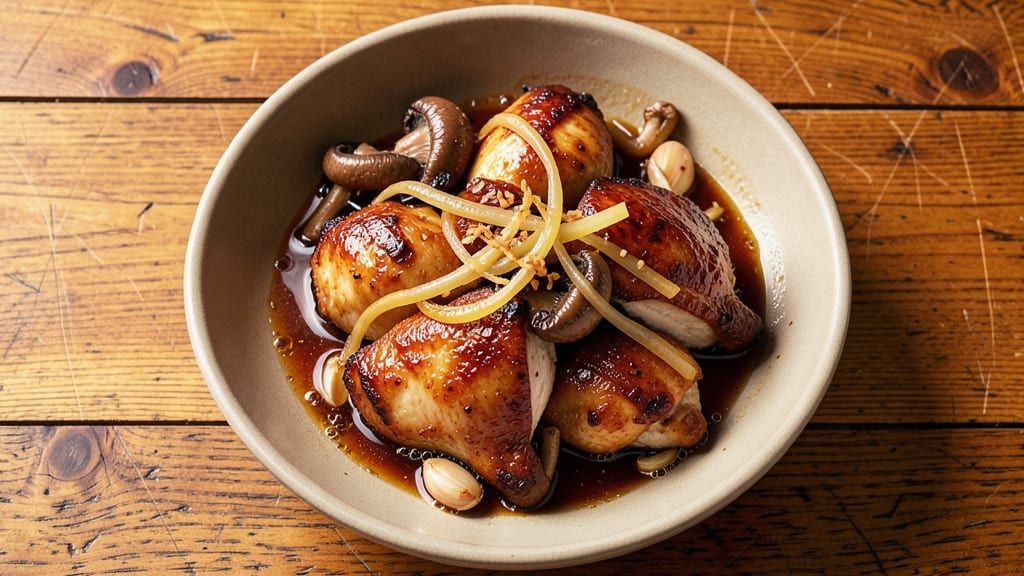
This chicken mushroom soy sauce recipe delivers restaurant-quality stir-fry flavors in just 20 minutes, transforming simple ingredients into a deeply umami-packed dish that's perfect for weeknight dinners.
The secret lies in proper searing to develop rich flavors and balancing soy sauce with just enough sweetness to round out the savory depth. I've perfected this technique over countless batches, ensuring every bite delivers that perfect harmony of caramelized chicken, earthy mushrooms, and glossy soy glaze.
The magic happens in the pan where chicken pieces develop a golden crust while mushrooms release their natural umami essence. A quick reduction of soy sauce with a touch of honey creates a glossy, flavorful sauce that clings perfectly to both protein and vegetables.
This isn't just another stir-fry—it's a complete meal with tender chicken, meaty mushrooms, and a sauce that's both complex and satisfying. The technique is straightforward but yields professional-quality results every time.
What makes this recipe truly special is how it comes together so quickly while still delivering restaurant-quality depth. You'll start with simple prep—cutting chicken into even pieces and slicing mushrooms—but the real transformation happens during the stir-fry when those ingredients meld together under the soy sauce reduction.
The result is a dish that's packed with flavor yet remains light enough to serve over rice or noodles without feeling heavy.
This stir-fry works equally well as a main dish or as part of a larger Asian-inspired meal. The sauce can be made ahead and reheated, making it perfect for meal prep.
Serve with steamed jasmine rice or noodles to soak up every last drop of that umami-rich sauce. Here's how to create this perfectly balanced stir-fry in your own kitchen.
Ingredients for chicken mushroom soy sauce
Transform simple pantry staples into an umami explosion with this restaurant-worthy stir-fry.
| Ingredient | Amount | Notes |
|---|---|---|
| Boneless, Skinless Chicken Thighs 🍗 | 1 ½ lb | Cut into 1-inch pieces |
| Shiitake Mushrooms 🍄 | 8 oz | Stemmed, sliced thick |
| Yellow Onion 🧅 | 1 whole | Thinly sliced |
| Garlic Cloves 🧄 | 4 cloves | Minced finely |
| Low-Sodium Soy Sauce 🍶 | ½ cup | High-quality preferred |
| Honey 🍯 | 1 tbsp | Wildflower for depth |
| Sesame Oil 🫒 | 1 tbsp | Toasted for aroma |
| Rice Vinegar 🍶 | 1 tbsp | White vinegar substitute |
| Vegetable Oil 🫒 | 2 tbsp | High smoke point |
| Fresh Ginger 🌿 | 1 tbsp | Finely grated |
| Cornstarch 🌾 | 1 tbsp | For tenderizing chicken |
| Green Onion 🧅 | 2 whole | Sliced for garnish |
| Salt 🧂 | 1 tsp | Kosher preferred |
| Black Pepper 🌶️ | ½ tsp | Freshly cracked |
The chicken thighs are non-negotiable here—they stay juicier during the quick sear than breasts. Look for organic or pasture-raised at Whole Foods or your local butcher shop for richer flavor. Shiitake mushrooms are the secret weapon; fresh over dried every time for that meaty texture. If you can't find shiitake, cremini mushrooms work in a pinch, but they lack that deep umami punch. The soy sauce makes all the difference—Kikkoman or Yamasa are my go-tos, but any low-sodium brand will do. For the honey, wildflower adds subtle floral notes that complement the soy perfectly.
No sesame oil? Toasted peanut oil at half the amount gives a similar nutty depth. Running short on shiitake? Oyster mushrooms are the next best thing, but slice them extra thin. The cornstarch isn't just for thickening—it tenderizes the chicken during the quick sear. Skip it if you're using chicken breasts, but thighs need that extra help. Fresh ginger is ideal, but ground ginger at one-third the amount works if you're in a hurry. The green onions? Only use the lighter green parts—the white sections get bitter when cooked.
This stir-fry reheats beautifully—just toss with a splash of water and cover to steam. Keeps 3-4 days in the fridge, freezes for 2 months if you portion it properly. I always make extra because it's perfect for meal prep. Store the sauce separately if you want to reheat it without getting soggy. The mushrooms release their juices during cooking, so pat them dry first to avoid a watery pan. Trust me, that extra minute makes all the difference.
Why You'll Love This Recipe
- One-Pan Magic: I swear by this—just toss everything on a sheet pan, roast, and walk away. No pots, no pans, no stress. The chicken thighs stay juicy while the mushrooms caramelize right alongside, and the onions? They practically melt into golden sweetness.
- Umami Bomb: That soy sauce isn’t just seasoning—it’s the star. The shiitake mushrooms soak it up like a sponge, turning the dish into a deep, savory punch. Add the garlic at the end, and suddenly you’ve got a flavor explosion that hits all the right notes.
- Lunchbox Hero: Between us, this is my go-to for meal prep. The leftovers reheat like a dream—crispy edges, tender chicken, and that rich mushroom sauce clinging to every bite. Pack it in containers, and you’ve got a week’s worth of lunches that’ll make you the office favorite.
- Budget Flex: Chicken thighs and shiitake mushrooms stretch farther than you’d think. Honestly, I’ve fed four people for under $15 with this, and no one ever complains. Plus, the low-sodium soy sauce means you control the salt, so it’s gentle on the wallet and the arteries.
Step-by-step instructions for chicken mushroom soy sauce stir-fry
This umami-packed stir-fry comes together in record time with bold flavors and perfect texture.
Prep the Chicken for Maximum Tenderness
Cut the 1.5 lb boneless, skinless chicken thighs into 1-inch pieces and place them in a bowl. Add 1 tbsp cornstarch, 1 tsp salt, and 0.5 tsp black pepper, then toss until every piece is evenly coated. Let it sit for 10 minutes while you prep the rest - this creates a crispy exterior while keeping the inside juicy. The cornstarch acts like a natural tenderizer, breaking down the proteins for a melt-in-your-mouth texture.
I always use thighs instead of breasts here because they stay juicier during the quick stir-fry. The cornstarch coating also helps thicken the sauce slightly as it cooks, creating that perfect glossy finish we all love. Don't skip the resting time - this gives the cornstarch time to adhere properly before hitting the hot pan.
Build Flavor Layers in the Pan
Heat 2 tbsp vegetable oil in a large skillet or wok over medium-high heat until shimmering. Add the 1 whole yellow onion and 8 oz shiitake mushrooms (sliced thick), cooking for 4-5 minutes until the onions soften and mushrooms release their moisture. Remove them to a plate and set aside - we'll bring them back later.
In the same pan, add 1 tbsp vegetable oil and swirl to coat. Add the 4 cloves minced garlic and 1 tbsp finely grated fresh ginger, cooking for just 30 seconds until fragrant - don't let them brown or they'll turn bitter. This quick cooking preserves their bright flavors while building the aromatic base for our stir-fry. The residual oil from the mushrooms helps create a perfect sauce later.
Cook the Chicken to Juicy Perfection
Working in batches if needed, add the cornstarch-coated chicken to the skillet over medium-high heat. Cook undisturbed for 2-3 minutes until golden brown on one side, then flip and cook another 2-3 minutes until fully cooked through. The chicken should reach an internal temperature of 165°F - use an instant-read thermometer to check. Remove to a plate and tent with foil to keep warm.
Here's where the magic happens: the cornstarch creates a crispy crust while the high heat seals in juices. I press down gently on the chicken during the first minute to prevent curling, which ensures even contact with the pan. If the pan gets too crowded, cook in batches - this maintains the perfect sear instead of steaming the chicken.
Create the Signature Sauce
Return the onions and mushrooms to the skillet, then add 0.5 cup low-sodium soy sauce, 1 tbsp honey, 1 tbsp rice vinegar, and 1 tbsp sesame oil. Stir well to combine, then bring to a simmer over medium heat. Cook for 2-3 minutes until the sauce thickens slightly and coats the back of a spoon. The mushrooms should absorb the sauce beautifully, becoming tender and flavorful.
This is where all the flavors come together - the soy sauce provides that classic umami base, while the honey and rice vinegar add brightness and depth. The sesame oil infuses that nutty aroma that makes this dish sing. If the sauce seems too thin after simmering, let it reduce for another minute - you want it to cling to the chicken and vegetables rather than pool at the bottom.
Finish and Serve with Restaurant Flair
Return the chicken to the skillet and toss everything together for 1-2 minutes until evenly coated with the sauce. The chicken will reheat through while absorbing those final flavor layers. Taste and adjust seasoning - you might want to add a splash more soy sauce or a pinch of salt depending on your preference.
Divide among plates and garnish with 2 whole green onions sliced thinly. Serve immediately over steamed jasmine rice or noodles to soak up every last bit of that glorious sauce. The contrast of the warm rice with the hot stir-fry creates the perfect balance. Each bite delivers tender chicken, meaty mushrooms, and that perfect umami-sweet sauce combination that makes this dish so addictive.
Pro Tips For Making Chicken Mushroom Soy Sauce
- Cut Chicken Thin: Slice those thighs against the grain—it’s the only way to avoid chewy bites. I used to skip this and wondered why my dish felt like a rubber band; ¼-inch slices make all the difference.
- Sear First, Sauce Later: Get the chicken and mushrooms deep brown in a hot pan before adding soy sauce—this builds flavor that just simmering won’t. I learned this the hard way when my dish tasted flat until I finally cranked the heat.
- Trim Mushroom Stems: Toss the woody shiitake stems in the compost, not the pan. They turn to mush and ruin the texture—trust me, your future self will notice the clean bite of just the caps.
- Deglaze with Soy: After searing, splash in just enough soy sauce to loosen the browned bits, then add the rest later. This keeps the sauce rich without turning it into a watery glaze—my lazy shortcut used to make the dish taste diluted.
Dietary considerations for this chicken mushroom soy sauce
Gluten-Free Adaptations
This stir-fry is naturally gluten-free when using tamari instead of soy sauce—look for certified gluten-free brands like San-J Tamari or Edamame Tamari. Tamari has a deeper umami flavor and works perfectly in the sauce.
Just swap it 1:1 for the soy sauce in the recipe. Always check labels, as some tamari brands may contain wheat or barley. 🌱
Low-Sodium Options
Since the recipe calls for low-sodium soy sauce, you can make it even lighter by reducing the salt further. Skip the added 1 tsp salt in the chicken marinade and use ½ tsp instead.
For extra flavor without sodium, add 1 tsp fish sauce or 1 tbsp coconut aminos to the sauce—both add umami depth while keeping sodium in check.
Vegetarian Swaps
Replace the chicken with extra-firm tofu or mushroom stems for a meaty texture. Press and cube 14 oz firm tofu, then pan-fry until golden before adding to the stir-fry.
For a more substantial veggie option, use king oyster mushrooms sliced lengthwise—they mimic chicken texture beautifully. Just increase the cooking time by 2-3 minutes to ensure they're fully tender.
Allergy-Friendly Adjustments
For sesame allergies, omit the sesame oil and replace it with 1 tbsp toasted peanut oil or 1 tsp peanut butter stirred into the sauce for nutty depth.
If you're avoiding honey, use maple syrup or agave nectar in equal amounts—they add sweetness without compromising the sauce's balance. Always double-check ingredient labels for hidden allergens.
Dairy-Free Considerations
This recipe is already dairy-free, but if you're serving it with sides, opt for coconut milk rice or cashew cream sauce instead of traditional dairy-based dishes.
The stir-fry's rich umami flavors pair beautifully with creamy, dairy-free alternatives. For extra protein, serve with edamame or toasted cashews on top of the rice.
Nutrition facts
Frequently asked questions
Can I use chicken breasts instead of thighs?
Chicken breasts work, but thighs are ideal for this stir-fry because they stay juicier during the quick cook time. If using breasts, pound them to even thickness and reduce cooking time to 1-2 minutes per side to avoid drying out. For extra tenderness, marinate them in 1 tbsp cornstarch for 15 minutes before cooking.
What's the best way to store leftovers?
Store in an airtight container in the fridge for up to 4 days. Reheat gently in a skillet with a splash of water or broth to restore moisture. For longer storage, freeze for 2 months—portion into single servings for easy reheating. The sauce may thicken when cold, so add a few drops of water when reheating.
How can I make this dish spicier?
Add 1 tsp chili flakes or ½ tsp red pepper flakes to the sauce for immediate heat. For deeper flavor, stir in 1 tbsp gochujang (Korean chili paste) or 1 tsp sriracha during the final toss. Start with small amounts—you can always add more, but removing heat is impossible!
Can I substitute dried mushrooms?
Yes, but rehydrate them first in 1 cup hot water for 20 minutes until plump. Use the soaking liquid (strain out solids) in the sauce for extra umami depth. Dried shiitake work best—avoid cremini or white button mushrooms as they lack the same meaty texture. Slice the rehydrated mushrooms ¼-inch thick for even cooking.
Why is my sauce too salty?
This happens when using regular (not low-sodium) soy sauce. To fix it, stir in 1-2 tbsp water or 1 tsp honey/maple syrup to dilute. For future batches, use low-sodium soy sauce and taste as you go. If the dish is still too salty, serve with extra rice or noodles to balance the flavor.