
Sauces & Condiments
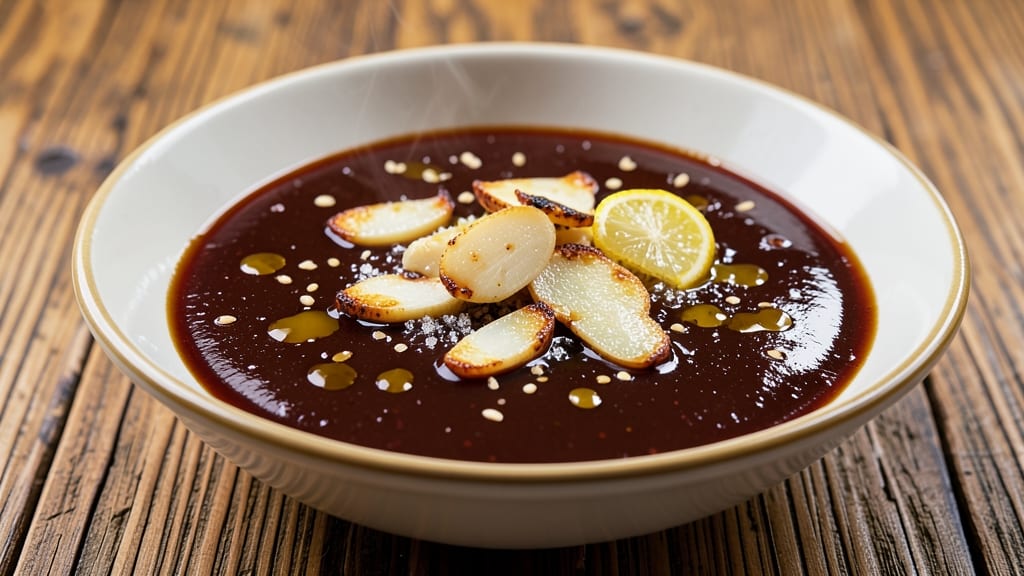
This Asian lo mein sauce recipe transforms ordinary stir-fries into restaurant-quality masterpieces with bold umami flavor and perfect balance in just 15 minutes. The secret lies in a precise blend of soy sauce, sesame oil, and aromatic garlic-ginger paste that creates depth without overpowering.
I developed this sauce after years of testing—it's the one my family reaches for whenever we're craving that signature tangy, savory punch that clings to noodles and vegetables.
The beauty of this sauce is its versatility—it elevates everything from classic lo mein to modern stir-fry bowls and even works as a dipping sauce for spring rolls.
What makes it special is the three-stage building process: start with a fragrant base of garlic and ginger, then layer in soy sauce for saltiness, and finish with a touch of sweetness to round out the flavors.
The sauce thickens slightly as it cools, making it ideal for tossing or drizzling.
What you'll end up with is a glossy, aromatic sauce that's rich enough to coat every noodle and vegetable while remaining light enough to enhance rather than overwhelm.
The umami depth comes from a combination of dark soy sauce and a pinch of MSG (optional but recommended), while sesame oil adds nutty warmth. This isn't just a sauce—it's the foundation that turns simple ingredients into something extraordinary.
Whether you're preparing a weeknight dinner or hosting a dinner party, this sauce delivers restaurant-quality results without the fuss. The best part? It keeps well in the fridge for up to a week, so you can make a big batch and use it throughout the week.
Let's get started on creating this flavor-packed essential for your stir-fry repertoire.
Ingredients for asian lo mein sauce
Nine ingredients, three stages—this sauce transforms stir-fries into restaurant-quality masterpieces.
| Ingredient | Amount | Notes |
|---|---|---|
| Dark Soy Sauce 🍶 | ½ cup | For deep umami color |
| Light Soy Sauce 🍶 | ¼ cup | For balanced saltiness |
| Sesame Oil 🫒 | 2 tbsp | Toasted for nutty aroma |
| Garlic Cloves 🧄 | 6 cloves | Minced for aromatic base |
| Fresh Ginger 🌿 | 1 ½ tbsp | Grated for zesty kick |
| Granulated Sugar 🍚 | 1 ½ tbsp | Balances flavors perfectly |
| Cornstarch 🌾 | 1 tsp | For gentle thickening |
| Rice Vinegar 🍶 | 1 ½ tbsp | Brightens the sauce |
| MSG (Optional) 🧂 | ¼ tsp | Enhances umami depth |
| Water 💧 | ½ cup | For smooth consistency |
The dark soy sauce is non-negotiable here—it delivers that signature umami richness that clings to noodles. I always grab Lee Kum Kee brand from the Asian aisle, but any quality dark soy sauce will work. Fresh ginger and garlic? Buy them whole—they keep longer and taste better than pre-minced. Toast your sesame oil in the pan for 30 seconds before adding other ingredients—this releases those nutty aromas that make the sauce sing. The MSG is optional but worth it if you love that savory punch (just omit if avoiding).
No dark soy sauce? Double the light soy sauce plus 1 tsp molasses gets you close. Pre-minced garlic? Fresh is better, but if you're in a pinch, it'll work. The cornstarch is key for that glossy finish—don't skip it. For a sweeter sauce, add 1 tsp honey or maple syrup. Want more heat? Swap half the rice vinegar for rice vinegar with a dash of chili oil. The sauce should coat the back of a spoon when done—if it's too thin, simmer another minute.
This sauce thickens as it cools, so make it slightly thinner than you think—it'll perfect itself. Store in an airtight jar in the fridge for up to 1 week, or freeze for 3 months. I double the batch every time—one for immediate use, one for the freezer. When reheating, add a splash of water to restore that glossy texture. Perfect for tossing, drizzling, or even as a dipping sauce for spring rolls.
Why You'll Love This Recipe
- No Chopping Needed: I swear by this sauce because it’s the rare recipe where I don’t even bother peeling the garlic—just smash those cloves with the side of my knife, toss them in, and let the heat do the work. The ginger? Same deal: a quick grating with a microplane while I’m talking to my kid about their day.
- Umami Bomb: That dark soy sauce alone transforms everything—deep, caramelized richness that clings to noodles like a hug. But here’s the magic: the light soy lifts it, while the sesame oil adds this nutty, toasty finish that makes me want to lick the pan. (Yes, I’ve been caught.)
- Weeknight to Party: I use this for lazy Tuesday stir-fries, but it’s also my go-to for when friends drop by unannounced. Double the batch, toss it in a jar, and suddenly you’ve got a sauce that works for takeout nights and impressing your in-laws. (They’ll never know it’s the same one.)
- Pantry Magic: Between us, this sauce costs me pennies—just a few staples I already have. And the best part? It keeps for weeks in the fridge, so I’m never scrambling for a last-minute sauce. Even better, it freezes like a dream, meaning I can make a big batch now and thank myself later. (Future me is always my favorite person.)
Step-by-step instructions for Asian lo mein sauce
This sauce comes together faster than you can say "stir-fry night."
Toast the Sesame Oil for Depth of Flavor
Heat a small saucepan over medium-low heat and add the 2 tablespoons sesame oil. Let it warm for 1-2 minutes until it begins to shimmer and you can smell its nutty aroma—this is your signal it's ready. Be careful not to let it smoke, which happens at medium-high heat or higher. The toasted oil will form the aromatic base of your sauce, so don't skip this step.
Once the oil is fragrant, remove it from heat and set aside. We'll use it later to infuse the entire sauce with that signature toasted nutty flavor. If you're using toasted sesame oil from the store, you can skip this step entirely—just add it directly when combining all ingredients.
Sauté Aromatics Until Fragrant
In the same saucepan (no need to clean it—the flavor compounds will help build depth), add the 6 minced garlic cloves and 1.5 tablespoons grated fresh ginger over medium heat. Cook for 1-2 minutes until the garlic becomes golden around the edges and the mixture releases its bright, pungent aroma. This is crucial—undercooked aromatics will leave your sauce tasting raw.
Here's the thing—ginger burns faster than garlic. Watch closely and remove the pan from heat if you see the ginger turning dark. You want it to be fragrant but still light in color. Once cooked, remove the aromatics from the pan and set them aside with the toasted sesame oil.
Combine Wet Ingredients for Balanced Flavor
In a medium bowl, whisk together the 0.5 cup dark soy sauce, 0.25 cup light soy sauce, 1.5 tablespoons rice vinegar, and 1.5 tablespoons granulated sugar until fully combined. The dark soy sauce will give your sauce that signature deep umami color, while the light soy sauce provides the essential saltiness. The vinegar brightens everything up, and the sugar balances the acidity.
If you're using the optional 0.25 teaspoon MSG, sprinkle it in now and whisk until dissolved. MSG enhances the umami depth without adding saltiness, which is perfect for this sauce. Add the 0.5 cup water and whisk again until the mixture is smooth and homogeneous. This liquid base will form the foundation of your sauce.
Thicken and Finish the Sauce
Return the saucepan to medium heat and add the wet ingredient mixture. Stir in the reserved toasted sesame oil and the cooked garlic-ginger mixture. Bring the sauce to a gentle simmer, then reduce heat to low and let it cook for 3-4 minutes until it begins to thicken slightly.
In a small bowl, whisk together the 1 teaspoon cornstarch with 1 tablespoon cold water to create a slurry. Slowly pour this into the simmering sauce while stirring constantly. The sauce will thicken immediately—this is what gives lo mein its signature glossy, clingy coating. Simmer for another 1-2 minutes until the sauce reaches your desired consistency, which should be thick enough to coat the back of a spoon but still flow smoothly.
Taste and Adjust for Perfection
Remove the sauce from heat and let it cool slightly. Taste it and adjust the seasoning as needed. If it needs more saltiness, add a pinch more of the light soy sauce. For more brightness, add a splash of rice vinegar. If it's too sweet, balance it with a tiny bit more ginger or garlic. The sauce should be complex—umami from the soy sauces, bright from the vinegar, with a touch of sweetness and spice.
For the best results, use the sauce immediately while it's still warm. It will thicken slightly more as it cools, so don't worry if it looks a bit runny when you first pour it over your noodles. This sauce keeps well in the refrigerator for up to 5 days, but I promise you'll use it all up in one sitting—it's that good.
Pro Tips For Making Asian Lo Mein Sauce
- Bloom the Ginger First: Toss freshly grated ginger into the pan before the oil—it’ll soften and release its flavor faster than waiting for the garlic. I learned this the hard way after burning three batches of sauce because the ginger took forever to cook properly.
- Balance the Soy Sauces: Use dark soy for color, light soy for depth—start with 1 tablespoon each, then taste. If it’s too salty, add a splash of water or a pinch of sugar to round it out. (Yes, even if you’re impatient like me, let it sit for 30 seconds before adjusting.)
- Low and Slow for Garlic: Sauté minced garlic on low heat until just golden—high heat turns it bitter. Cover the pan for the last minute to steam it gently; this keeps the aroma intact without burning. (Your future self will thank you.)
- Add Sesame Oil Last: Stir in sesame oil off the heat—it burns in seconds. A single teaspoon is enough to perfume the sauce; more tastes like perfume, not food. (Does it look weird? Yes. Does it work? Every single time.)
Flavor customization for these flavors
Sweet & Tangy Twist
Swap the granulated sugar for 1 tbsp honey or maple syrup and add ½ tsp red pepper flakes to create a sweet-spicy balance. The honey adds floral notes while the chili brings subtle heat—perfect for spicy lo mein lovers. I like using Manuka honey for its deeper flavor profile. 🌶️
Spicy Sesame Kick
Replace half the rice vinegar with 1 tbsp chili oil (like Lao Gan Ma) and add 1 tsp toasted sesame seeds. The chili oil infuses heat while the seeds add crunchy texture.
For extra depth, stir in ½ tsp Sichuan peppercorns (lightly toasted) before thickening. This version works amazingly with shrimp stir-fries.
Creamy Coconut Version
Substitute ½ cup of the water with ¼ cup coconut milk and reduce the sugar to 1 tbsp. The coconut milk adds a velvety texture that pairs beautifully with vegetable lo mein.
For extra richness, stir in 1 tsp coconut cream at the end. This tropical-inspired twist is perfect for summer stir-fries.
Umami Bomb Boost
Add 1 tbsp fish sauce (like Red Boat) and ½ tsp oyster sauce to deepen the umami profile. This version works exceptionally well with beef or pork lo mein.
For a vegetarian option, use 1 tbsp mushroom powder instead of fish sauce. The extra umami makes this sauce irresistible for dipping spring rolls too.
Herb-Infused Freshness
Stir in 1 tbsp chopped cilantro or Thai basil at the very end for a bright, herbaceous finish. This works especially well with rice noodle stir-fries or as a dipping sauce for summer rolls.
For a more complex flavor, add ½ tsp lemongrass paste along with the ginger. The herbs elevate the sauce's freshness while keeping it balanced. 🌿
Smoky Maple Glaze
Replace the rice vinegar with 1 tbsp apple cider vinegar and add ½ tsp smoked paprika along with the sugar. The smoked paprika adds a subtle BBQ-like depth that pairs wonderfully with charred vegetables or grilled meats.
For extra sweetness, use maple syrup instead of granulated sugar. This version is perfect for fall-inspired stir-fries.
Nutrition facts
Frequently asked questions
Can I make this sauce without dark soy sauce?
For every ½ cup dark soy sauce called for, use ½ cup light soy sauce plus 1 teaspoon molasses instead. The molasses mimics the deep color and slight sweetness of dark soy sauce. For an even closer match, add a pinch of monosodium glutamate (MSG) to boost umami depth.
How long does this sauce keep in the fridge?
This sauce stays fresh for up to 5 days when stored in an airtight container in the refrigerator. For longer storage, freeze it for up to 3 months. When reheating, add a splash of water to restore its glossy texture—it thickens as it cools, so don't worry if it looks slightly runny when thawed.
What's the best way to use leftover sauce?
This versatile sauce works perfectly for stir-fries, noodle dishes, or as a dipping sauce for spring rolls and dumplings. For extra flavor, toss it with cooked noodles and fresh veggies, or use it to glaze grilled meats. It also makes an excellent marinade for tofu or chicken before stir-frying.
Why did my sauce turn out too thin?
If your sauce is too thin, it likely needs more thickening. Stir ½ teaspoon cornstarch mixed with 1 teaspoon water into the simmering sauce and cook for another 1-2 minutes. For future batches, simmer the sauce slightly longer or reduce the water by 1-2 tablespoons. The sauce should coat the back of a spoon but still flow smoothly.
Can I use this sauce for non-lo mein dishes?
This sauce works wonderfully for chow mein, pad thai, or any stir-fry. It's also great for glazing grilled proteins or as a marinade. The balance of sweet, salty, and umami makes it incredibly versatile—just adjust the thickness to suit your dish. For example, use it as a dipping sauce for egg rolls or summer rolls by thinning it slightly with water.