
Sauces & Condiments
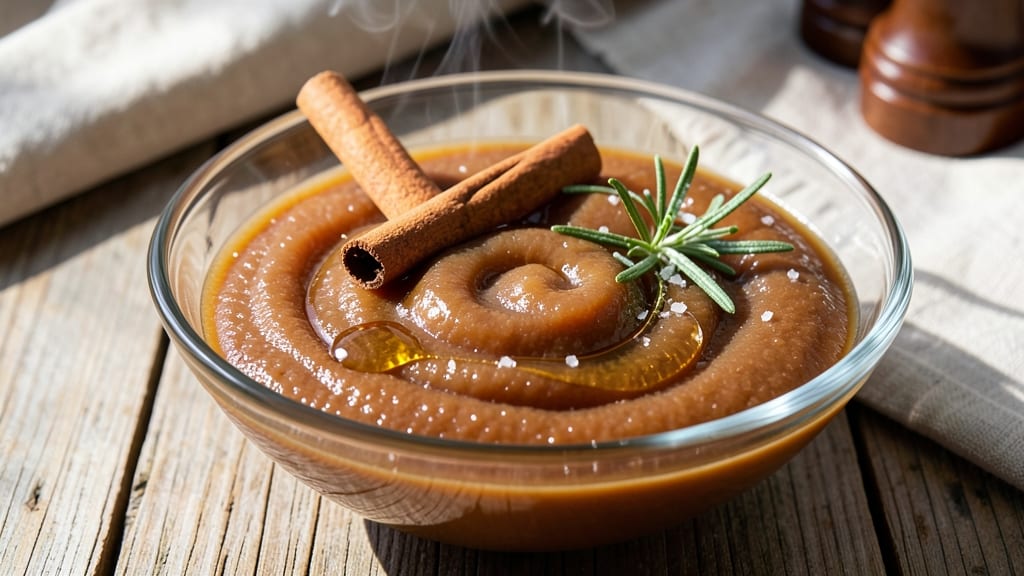
This homemade applesauce recipe with apple cider vinegar transforms ordinary apples into a bright, tangy condiment that elevates everything from sandwiches to roasted vegetables. The vinegar adds a subtle depth—preserving freshness while balancing natural sweetness—without overpowering the apple’s natural flavor.
Perfect for meal prep, this version stays fresh for weeks in the fridge, making it a pantry staple.
The secret lies in the balance: apple cider vinegar acts as a natural preservative, enhancing the applesauce’s tang while keeping it smooth and spreadable. Unlike traditional recipes, this version skips added sugar, relying instead on the vinegar’s acidity to brighten the sauce.
It’s vegan, simple, and requires just 15 minutes of active prep—ideal for busy cooks who still want restaurant-quality results.
What you’ll end up with is a velvety, tangy applesauce that’s versatile enough for dipping, drizzling, or even baking. The vinegar’s sharpness cuts through richness, making it a perfect pairing for cheesy dishes or hearty bread.
Store it in the fridge for up to 2 weeks, or freeze for longer shelf life. This isn’t just applesauce—it’s a flavor game-changer.
Whether you’re using it as a topping for oatmeal, a glaze for roasted meats, or a dip for fresh veggies, this recipe delivers bold, balanced flavor without the fuss. Let’s make it—your taste buds will thank you.
Ingredients for applesauce recipe with apple cider vinegar
Eight simple ingredients transform ordinary apples into a bright, tangy condiment that elevates everything from sandwiches to roasted vegetables.
| Ingredient | Amount | Notes |
|---|---|---|
| Apples (Mixed Varieties) 🍎 | 4 lb | Cored, peeled, chopped (Honeycrisp, Fuji, or Gala) |
| Apple Cider Vinegar 🍶 | ¼ cup | Raw, unfiltered preferred (Bragg or local brand) |
| Water 💧 | ¼ cup | Filtered for best flavor |
| Cinnamon Sticks 🌿 | 2 whole | Optional for warmth (Ceylon preferred) |
| Fresh Lemon Juice 🍋 | 2 tbsp | Brightens the tang (organic preferred) |
| Sea Salt 🧂 | ½ tsp | Diamond Crystal preferred (fine grain) |
| Ground Cinnamon 🌶️ | ½ tsp | For finishing (optional) |
| Maple Syrup 🍁 | 2 tbsp | Grade B for depth (optional) |
The apples are the foundation—mix varieties for perfect balance (sweet Honeycrisp with tart Granny Smith). Local farmers markets often have the best selection, but any grocery store’s produce section works. Look for firm apples with no bruising—they’ll hold up better during cooking. The apple cider vinegar is non-negotiable here; Bragg or local brands add subtle depth that store-bought vinegar can’t match. Fresh lemon juice is key for brightness, so don’t skip it—organic is ideal if you’re worried about pesticides, but regular works too. The cinnamon sticks infuse warmth without overpowering, while ground cinnamon at the end adds texture.
No apple cider vinegar? White vinegar at half the amount works in a pinch, though the flavor won’t be as complex. Substituting maple syrup? Date syrup or agave keeps it vegan, but maple’s caramel notes are worth the effort. The water is crucial—it keeps the sauce smooth and spreadable, so don’t omit it. For a smoother texture, peel the apples (though some texture is fine). If you’re using pre-cut apples from the store, rinse them well to remove any preservatives. The recipe skips added sugar entirely, relying on the vinegar’s acidity to balance sweetness—trust the process.
This sauce keeps beautifully—2 weeks in the fridge with a thin layer of vinegar on top to preserve freshness. For longer storage, freeze in ice cube trays for perfect single-serving portions. The texture thickens as it cools, so stir before using. I always double the batch—one jar for dipping, another for drizzling over oatmeal or roasted veggies. The flavor actually improves after a day or two as the vinegar’s tang mellows into the apples. Store in glass jars for best results, and label with the date—it’s that good.
Why You'll Love This Recipe
- No Peel Required: I’ll admit, I used to peel apples for this—until I realized the skins add texture and depth. Just core, chop, and toss them in the pot with the vinegar and cinnamon. The vinegar actually softens the skins as it cooks, so you get that perfect balance of tender fruit and subtle bite.
- Tangy-Sweet Magic: That splash of apple cider vinegar? It’s the secret weapon. It brightens the applesauce with a sharp, almost caramelized tang that cuts through the natural sweetness. Add a squeeze of lemon at the end, and you’ve got a flavor that’s way more interesting than store-bought—think autumnal warmth with a zesty kick.
- Pantry Staple Flex: This recipe uses ingredients you already own: apples, vinegar, cinnamon. No fancy gadgets, no obscure spices. Honestly, I’ve made it for breakfast (with yogurt), as a side for roasted pork, and even as a sweet glaze for pancakes. The vinegar’s acidity makes it play nice with both savory and sweet dishes.
- Lasts All Week: The vinegar and lemon juice act like natural preservatives, so this applesauce stays fresh in the fridge for days. I make a big batch on Sundays, and it’s still perfect by Friday—whether I’m eating it straight from the jar, packing it for lunch, or using it in a quick sauce. No sad, watery leftovers here.
Step-by-step instructions for homemade applesauce with apple cider vinegar
Here's how to transform fresh apples into a vibrant, tangy applesauce that's anything but ordinary.
Prep the Apples for Perfect Texture
Start by coring and peeling the 4 lb of mixed apples, then chop them into even ½-inch pieces. I prefer using a sharp chef's knife for this—it gives you better control than a food processor. The goal is consistency; larger chunks will take longer to cook, while smaller pieces might turn mushy. Place the chopped apples in a large, heavy-bottomed pot.
Add the 2 whole cinnamon sticks to the pot now—they'll infuse the apples with warm, aromatic notes as they cook. Don't worry about removing them later; they'll be easy to fish out once the sauce is finished. This early addition ensures the cinnamon flavor permeates every bite of your applesauce.
Cook with Apple Cider Vinegar for Tangy Depth
Pour in the 0.25 cup of apple cider vinegar and 0.25 cup of water. The vinegar is what makes this recipe special—it brightens the natural sweetness of the apples and adds a subtle tang that sets this apart from traditional applesauce. Bring the mixture to a gentle boil over medium-high heat, then immediately reduce the heat to medium-low.
Let the apples simmer uncovered for 20-25 minutes, stirring occasionally. You'll know they're ready when the apples are tender enough to crush easily with a wooden spoon but still hold their shape. The sauce should be thick but not dry—if it looks too thin, continue cooking for another 5 minutes. This stage is where the magic happens; the vinegar works with the apples' natural pectin to create a beautifully balanced texture.
Finish with Flavor and Texture Balance
Once the apples are tender, remove the cinnamon sticks. Stir in the 2 tbsp of fresh lemon juice, 0.5 tsp of sea salt, and 2 tbsp of maple syrup. The lemon juice adds a bright citrus note that cuts through the sweetness, while the salt enhances all the flavors. The maple syrup is optional but adds a subtle depth that rounds out the tangy profile.
For a smoother texture, use an immersion blender to partially blend the sauce—just until it reaches your desired consistency. If you prefer it chunkier, simply mash the apples with a potato masher. Taste and adjust the seasoning if needed; you might want to add a pinch more salt or a splash of lemon juice to perfect the balance.
Cool and Store for Maximum Freshness
Let the applesauce cool to room temperature, then transfer it to airtight containers. This sauce keeps beautifully in the refrigerator for up to 1 week or can be frozen for 3 months. The apple cider vinegar acts as a natural preservative, so you don't need to worry about spoilage as quickly as with traditional applesauce.
When ready to serve, give it a quick stir and taste—you'll notice how the flavors have melded together perfectly. This isn't just applesauce; it's a bright, tangy twist that pairs beautifully with everything from breakfast pancakes to roasted pork. The vinegar's acidity also makes it a fantastic topping for cheese boards or a refreshing drink mixer.
Pro Tips For Making Applesauce Recipe With Apple Cider Vinegar
- PEEL AND CORE LIKE A PRO: I learned this the hard way—skinning apples for sauces is a waste of time. Use a sharp paring knife to slice off just the stem and blossom ends, then cut into wedges with the peel on. The skin adds depth, and you’ll save 10 minutes scrubbing. (Yes, even if you’re impatient like me.)
- SIMMER LOW AND SLOW: High heat turns applesauce into mush. Once the apples hit the pot, reduce to a bare simmer—think tiny bubbles, not rolling boils. A steady 15-20 minutes at medium-low lets the vinegar mellow and the flavors marry without breaking down the fruit into glue.
- ACID TEST FIRST: Taste the vinegar before adding it—raw apple cider vinegar can be harsh. If it’s too strong, dilute with a splash of water or lemon juice first. You want tang, not a pucker. (Your future self will thank you.)
- CINNAMON STICKS AREN’T DECORATION: Skip the pre-ground cinnamon—it burns fast and tastes bitter. Toss in 1-2 whole sticks while simmering, then remove them before blending. The residual warmth infuses flavor without overpowering. (Does it look weird? Yes. Does it work? Every single time.)
Troubleshooting your applesauce recipe with apple cider vinegar
Sauce Too Thin?
If your applesauce ends up too watery, don't panic—simmer uncovered for an extra 5-10 minutes to evaporate excess liquid. I've found that using slightly underripe apples (like Granny Smith) releases more pectin naturally during cooking, which thickens the sauce.
For an instant fix, stir in 1 tsp cornstarch mixed with 1 tbsp cold water and cook for 2 minutes until thickened. 🌡️
Grainy Texture Issues
Over-blending creates a mushy texture, but under-blending leaves noticeable apple chunks. For perfect smoothness, use an immersion blender in 30-second bursts while stirring the pot. If you prefer texture, mash with a potato masher instead of blending—this creates a rustic, chunky consistency that many people love.
The key is consistency: blend just until smooth, no longer. 🍎
Vinegar Overpowering?
If the apple cider vinegar's tang feels too sharp, balance it with 1 extra tbsp maple syrup or ½ tsp ground cinnamon. For a smoother transition, add 1 tsp vanilla extract—it rounds out the acidity beautifully.
Remember, the vinegar should enhance, not dominate. Start with ¼ cup and adjust to taste during cooking. 🍯
Mold or Fermentation?
This tangy applesauce may develop a slight effervescence from the vinegar, but true fermentation (bubbles, sour smell) means it's gone bad. Store properly in airtight glass jars and keep refrigerated—never leave at room temperature longer than 2 hours.
If you see mold, discard immediately; vinegar helps preserve but doesn't prevent spoilage entirely. 🚫
Color Too Pale?
For richer color, use red-skinned apples like Gala or Fuji (they contain more anthocyanins). If your sauce still looks pale, simmer uncovered for 5 extra minutes to concentrate the color.
A splash of beet juice (1 tsp) works as a natural color enhancer—just don't overdo it! The vinegar helps preserve color better than plain applesauce. 🌈
Storage Life Short?
Extend shelf life by adding a thin layer of vinegar on top before sealing (just ½ tsp per jar). For freezing, portion into ice cube trays—they thaw perfectly for single servings.
The vinegar's acidity helps preserve freshness, but proper storage in glass containers (not plastic) is key. Label with dates—this sauce tastes even better after 3-4 days! ❄️
Nutrition facts
Frequently asked questions
Why does this recipe use apple cider vinegar instead of lemon juice?
The apple cider vinegar adds a unique depth of flavor while acting as a natural preservative. It creates a subtle tang that brightens the applesauce without overpowering, and its acidity helps maintain freshness longer than traditional methods. For extra brightness, we still include lemon juice, but the vinegar makes this recipe stand out.
Can I make this applesauce without cinnamon?
The cinnamon adds warmth, but this recipe works perfectly without it. If you prefer a cleaner flavor profile, simply omit the cinnamon sticks and ground cinnamon. The apple cider vinegar and lemon juice will still provide that bright, tangy kick.
How can I adjust the sweetness if my apples are tart?
If your apples are particularly tart, increase the maple syrup to 3 tbsp or add 1 extra tbsp of lemon juice to balance the flavors. The apple cider vinegar’s acidity will also mellow slightly as it cools, so taste as it sits. For a natural sweetener alternative, try date syrup or agave.
Is this applesauce safe for babies?
This recipe is naturally vegan and free of added sugars, but the apple cider vinegar makes it unsuitable for babies under 1 year old due to its acidity. For baby-friendly versions, skip the vinegar and use only apples, water, and a touch of cinnamon. Always introduce new foods gradually and consult your pediatrician.
Can I use this applesauce in baking?
Yes! This tangy applesauce works beautifully in muffins, cakes, and breads. The apple cider vinegar adds moisture and a subtle tang that enhances baked goods. Use it as a 1:1 substitute for other applesauce recipes, but reduce any additional leavening agents (like baking soda) by ¼ tsp since the vinegar adds lift.