
Sauces & Condiments
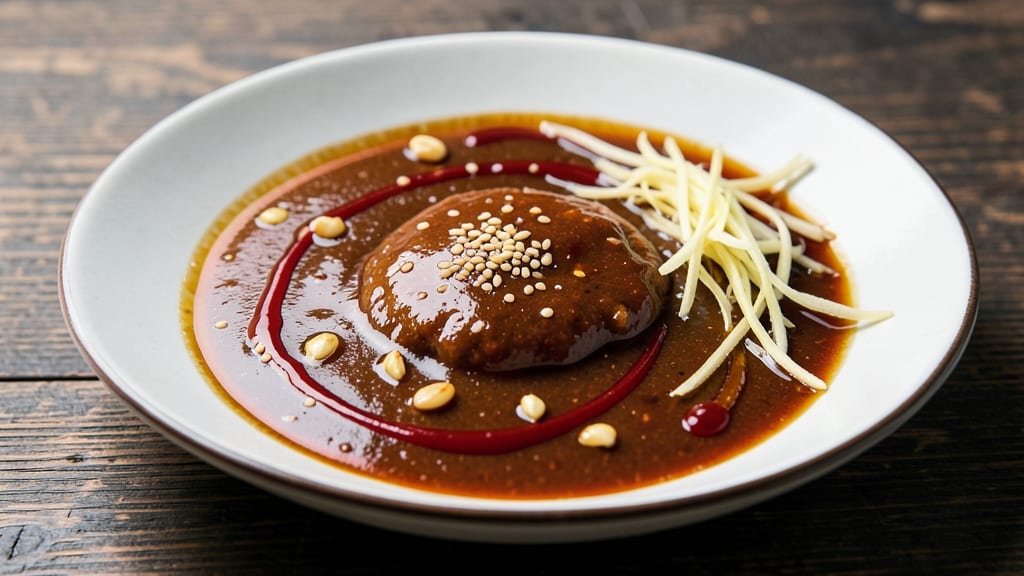
This Asian noodle stir-fry sauce recipe transforms simple ingredients into a bold, umami-rich blend that elevates any dish. The foundation—soy sauce, oyster sauce, and sesame oil—creates depth instantly, while garlic, ginger, and a touch of sweetness balance heat and richness.
What makes it special is how versatile it is: toss with fresh or cooked noodles, drizzle over stir-fried vegetables, or use as a marinade for proteins. The magic happens in the 3-ingredient base, which builds layers of flavor without overpowering. No complicated techniques—just combine, simmer, and adjust to taste.
This sauce keeps well in the fridge for up to a week, making it perfect for meal prep or last-minute cooking. The result? A glossy, aromatic sauce that clings to noodles and vegetables, delivering restaurant-quality flavor at home.
What sets this apart is its adaptability—add a splash of chili for heat, a drizzle of honey for sweetness, or a pinch of red pepper flakes for complexity. It works with rice noodles, ramen, or even as a glaze for grilled meats.
The sauce’s simplicity doesn’t compromise on taste; it’s a game-changer for anyone tired of store-bought versions that fall flat. For best results, let the sauce sit for 10 minutes before using—this allows the flavors to meld and intensify.
Store leftovers in an airtight container, and you’ll have a quick, flavorful solution for weeknight dinners. Ready to elevate your stir-fries? Let’s make this sauce.
Ingredients for asian noodle stir fry sauce
Nine ingredients crafting umami depth with a 3-ingredient foundation of soy, oyster sauce, and sesame oil.
| Ingredient | Amount | Notes |
|---|---|---|
| Light Soy Sauce 🥄 | ½ cup | High-quality brand preferred |
| Oyster Sauce 🦪 | ⅓ cup | Thick, dark variety for richness |
| Sesame Oil 🫒 | 2 tbsp | Toasted sesame oil for aroma |
| Garlic Cloves 🧄 | 4 cloves | Freshly minced for intensity |
| Fresh Ginger 🌿 | 1 ½ tbsp | Finely grated, not minced |
| Honey 🍯 | 1 ½ tbsp | Pure, unprocessed honey |
| Rice Vinegar 🍶 | 1 tbsp | Seasoned rice vinegar preferred |
| Sugar 🍚 | 1 tbsp | Granulated or brown sugar |
| Red Pepper Flakes 🌶️ | ½ tsp | Adjust for desired heat level |
| Cornstarch 🌾 | 1 tsp | For thickening consistency |
The quality of your soy sauce and oyster sauce makes all the difference here. For soy, brands like Kikkoman or Lee Kum Kee deliver consistent umami, while oyster sauce from Lee Kum Kee or Wok Sauce offers that signature richness. Sesame oil should be toasted, not refined—the aroma is essential. Fresh garlic and ginger are non-negotiable; pre-minced versions lose potency quickly. If you're short on time, frozen minced garlic works in a pinch, but freshly grated ginger is ideal. For honey, opt for raw, unfiltered varieties like clover or manuka for subtle floral notes that complement the sauce beautifully.
No oyster sauce? Hoisin sauce or a splash of fish sauce bridges the gap, though the texture will differ slightly. Substitute sesame oil with neutral oil plus a pinch of toasted sesame seeds, but the aroma won't be identical. Prefer less sweetness? Reduce honey to 1 tablespoon and add 0.5 teaspoon more rice vinegar for balance. For heat, Sichuan peppercorns or a dash of chili crisp add complexity beyond red pepper flakes. The cornstarch can be swapped for arrowroot powder, though it thickens slightly faster. If you're making a larger batch, double the cornstarch and simmer longer to avoid clumping.
This sauce thickens as it cools, so stir well before each use. Store in an airtight container in the fridge for up to 10 days, though the flavors peak within the first 3-4 days. For longer storage, freeze in ice cube trays—thaw and whisk before using. The sauce reheats beautifully; simmer gently for 1-2 minutes to restore its glossy texture. If it separates, simply whisk vigorously or blend briefly. For meal prep, portion into small containers—perfect for tossing with noodles or drizzling over stir-fries throughout the week.
Why You'll Love This Recipe
- Five-Ingredient Magic: I swear by this combo—light soy for that salty depth, oyster sauce for umami punch, and just a dash of sesame oil for that nutty aroma. Honestly, the garlic and ginger sizzle in the pan so fast, you’ll forget how little effort it took.
- Umami Bomb: That oyster sauce? It’s the secret weapon—thick, rich, and instantly transforms simple noodles into something restaurant-worthy. Between us, I’ve used this sauce on everything from tofu to leftover chicken, and every time it delivers that perfect balance of salty, sweet, and funky.
- Weeknight Workhorse: This sauce is my go-to when I’m staring at a fridge full of random veggies or half a rotisserie chicken. Toss it with whatever’s left, and boom—dinner’s saved. (Yes, even on a Tuesday night when takeout menus feel overwhelming.)
- Budget-Friendly Staple: Light soy and oyster sauce are cheap, and a little sesame oil goes a long way. I make a big batch, store it in the fridge, and use it for weeks—no waste, no fancy ingredients, just pure flavor. My wallet (and taste buds) thank me every time.
Step-by-step instructions for Asian noodle stir fry sauce
This umami-packed sauce builds layer by layer—precision matters in every step.
Bloom the Aromatics in Sesame Oil
Heat the 2 tablespoons sesame oil in a small saucepan over medium-low heat. Add the 4 minced garlic cloves and 1.5 tablespoons finely grated fresh ginger, stirring constantly for 30-45 seconds until fragrant but not browned. The oil should shimmer but not smoke—this releases their essential oils without bitterness.
I like to use a heat diffuser or simply reduce the flame to prevent burning. If the garlic begins to darken, remove the pan from heat immediately and let it cool slightly. These aromatics form the flavor foundation, so proper development here ensures depth in the final sauce.
Combine the Base Sauces and Sweet Elements
Pour in the 0.5 cup light soy sauce and 0.33 cup oyster sauce, stirring to fully incorporate. Add the 1.5 tablespoons honey, 1 tablespoon sugar, and 1 tablespoon rice vinegar, bringing the mixture to a gentle simmer over medium heat.
Simmer uncovered for 3-4 minutes until the mixture reduces slightly and the honey fully dissolves. You'll notice the sauce thicken slightly and develop a glossy sheen—this indicates proper integration of the sweet and salty elements. Taste at this stage; you should detect a balance of umami from the soy/oyster, sweetness from honey/sugar, and brightness from the vinegar.
Add Heat and Thicken the Sauce
Stir in the 0.5 teaspoon red pepper flakes and let the sauce simmer for another 1 minute to infuse the heat. In a small bowl, whisk together the 1 teaspoon cornstarch with 1 tablespoon cold water until smooth. Slowly pour this slurry into the sauce while stirring constantly.
Simmer for 2-3 minutes until the sauce thickens to a glossy, syrupy consistency that coats the back of a spoon. It should be thick enough to lightly coat noodles but still flow smoothly. If it thickens too quickly, add 1-2 teaspoons water to adjust the texture. The sauce should be vibrant in color—deep amber with subtle red flecks from the pepper.
Finish and Rest for Optimal Flavor
Remove the sauce from heat and let it cool slightly for 5 minutes. This resting period allows the flavors to meld completely and the sauce to reach its ideal consistency. Taste again and adjust seasoning if needed—add a touch more soy sauce for saltiness, honey for sweetness, or vinegar for acidity.
The sauce should be complex yet balanced: salty from the soy/oyster, sweet from honey/sugar, tangy from vinegar, with a subtle heat from the red pepper flakes. For best results, use the sauce immediately over stir-fried noodles or vegetables, where it will cling beautifully and enhance every bite.
Pro Tips For Making Asian Noodle Stir Fry Sauce
- Cook Garlic Low and Slow: The second that garlic hits the pan, turn the heat down to medium—no, really, I’m serious. High heat burns it before it releases its sweetness, and you’ll end up with bitter, acrid bits instead of that fragrant, mellow base your sauce needs. Let it sizzle gently for 30 seconds until just golden, not brown.
- Grate Ginger Fine, Not Chop: I used to hack ginger into rough chunks and wonder why my sauce tasted dull. A microplane or the smallest holes on a box grater turns it into a fine paste that dissolves instantly—no waiting for it to break down. This way, every bite gets that bright, citrusy kick without texture surprises.
- Bloom Soy Sauce First: Add the light soy sauce to the pan before the garlic and ginger, and let it sit for 30 seconds. This isn’t just about flavor—it’s about caramelizing the soy’s sugars early, which deepens the sauce’s richness. Skip this, and your stir-fry will taste flat, like it’s missing something. (Yes, even if you’re impatient like me.)
- Balance Oyster Sauce with Heat: Oyster sauce is salty and sweet, but if you add it straight after the garlic, the sauce will taste one-dimensional. Let the garlic-ginger-soy mixture cook for 1–2 minutes until it’s fragrant and slightly reduced before stirring in the oyster sauce. This lets the heat mellow its saltiness and lets its umami shine through.
Creative variations of this recipe
Spicy Sichuan Twist
Transform this sauce into a fiery Sichuan-inspired version by adding 1 teaspoon Sichuan peppercorns (lightly toasted and ground) along with the red pepper flakes. For extra depth, include 1 tablespoon chili bean paste—this adds a numbing, complex heat that’s signature to Sichuan cuisine.
I like to toast the peppercorns in a dry pan for 30 seconds until fragrant, then grind them with a mortar and pestle for maximum aroma. 🌶️
Sweet & Tangy Peanut Glaze
Create a peanut-infused variation by blending 2 tablespoons smooth peanut butter (like Smucker’s Natural) with the finished sauce. Add 1 teaspoon lime juice and a pinch of smoked paprika for a Thai-inspired twist.
Thin with 1-2 teaspoons water if needed, then drizzle over stir-fried tofu or grilled chicken. The peanut butter adds richness, while the lime brightens the flavor profile.
Creamy Miso Fusion
For a Japanese-inspired take, stir 1 tablespoon white miso paste into the sauce after removing it from heat. Add 1 teaspoon mirin and a splash of dashi stock (or water) to balance the umami.
This version pairs perfectly with udon noodles or tempura vegetables. The miso deepens the savory notes while keeping the sauce glossy and clingy. 🍜
Herb-Infused Vietnamese Style
Elevate the sauce with Vietnamese flair by adding 1 tablespoon fish sauce (like Red Boat), 1 teaspoon lemongrass paste (or juice of 1 stalk), and 2 fresh Thai basil leaves, lightly crushed.
Simmer for an extra 1 minute to infuse the herbs, then strain if desired. This works beautifully with rice noodles and shrimp, offering a bright, herbal contrast to the umami base.
Smoky Chipotle BBQ Glaze
For a smoky, sweet heat twist, blend 1 tablespoon chipotle BBQ sauce (like Stubb’s) into the finished sauce. Add ½ teaspoon ground cumin and a pinch of smoked salt for depth.
This version is perfect for grilled meats or as a dipping sauce for spring rolls. The chipotle adds a slow-building heat that complements the sauce’s natural sweetness. 🔥
Nutrition facts
Frequently asked questions
Can I make this sauce without oyster sauce?
Yes! Replace the ⅓ cup oyster sauce with 2 tablespoons hoisin sauce or 1 tablespoon fish sauce for umami depth. For a vegetarian option, use 1 tablespoon mushroom sauce or 1 extra tablespoon soy sauce with ½ teaspoon sugar to balance. The texture will be slightly lighter, but the flavor remains rich.
How long does this sauce keep, and can I freeze it?
Store in an airtight container in the fridge for up to 10 days, though flavors peak within 3-4 days. For longer storage, freeze in ice cube trays—thaw and whisk before using. The sauce thickens as it cools, so stir well before each use. If it separates, simply whisk vigorously or blend briefly. Perfect for meal prep!
What’s the best way to adjust the heat level?
Start with the ½ teaspoon red pepper flakes as written for mild heat. For medium heat, add 1 teaspoon, or 1 tablespoon chili crisp for a smoky kick. Prefer no heat? Skip the pepper flakes entirely—this sauce still delivers bold umami. Always taste as you go!
Can I use this sauce on non-noodle dishes?
Drizzle over grilled meats, stir-fried vegetables, or use as a marinade for tofu or chicken. It also works as a dipping sauce for spring rolls or fried dumplings. The glossy texture clings beautifully to proteins and veggies, adding depth to any dish.
Why did my sauce turn out too thick or too thin?
If too thick, whisk in 1-2 teaspoons water while warm. Too thin? Simmer uncovered for 1-2 extra minutes or add ½ teaspoon more cornstarch mixed with water. The sauce should coat the back of a spoon but remain pourable. Adjust gradually to avoid clumping.