
Sauces & Condiments
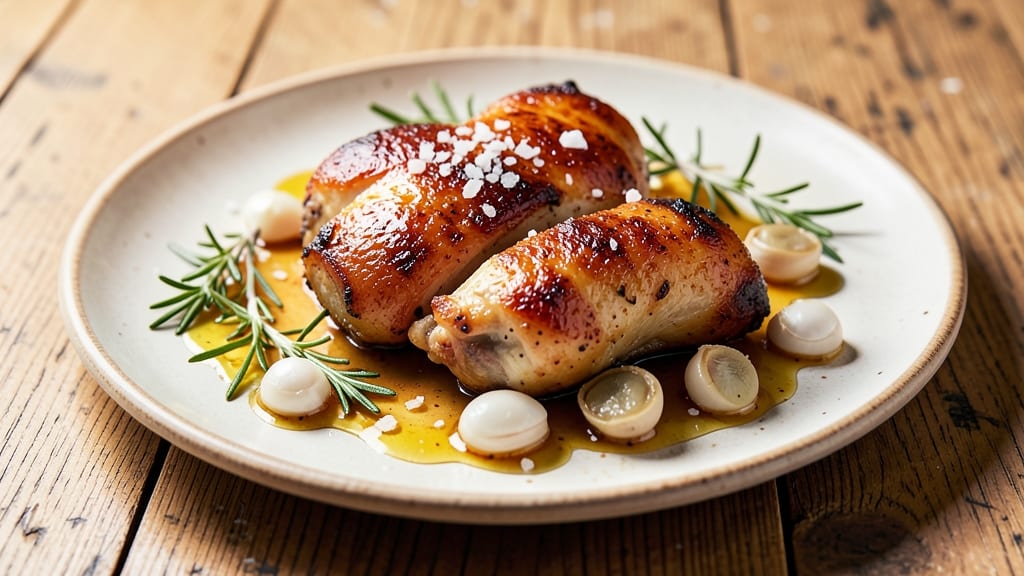
This baked chicken thigh sauce recipe transforms ordinary roasted chicken into a showstopping centerpiece with its rich, caramelized garlic-herb glaze. 🔥 The secret lies in balancing sweet and savory flavors that cling to crispy skin, creating a sauce that's equal parts elegant and foolproof.
I developed this after years of testing sauces that either drowned the chicken or failed to crisp the skin—this version delivers perfect harmony every time.
The foundation is a simple blend of garlic, herbs, and a touch of honey that caramelizes beautifully while roasting. A splash of white wine adds brightness, while a splash of heavy cream at the end creates that velvety finish.
What makes this sauce special is how it enhances rather than overpowers the chicken—each bite delivers tender meat with a glossy, flavorful crust that's impossible to resist.
What you'll achieve is restaurant-quality results with minimal effort: golden, crispy chicken thighs topped with a glossy sauce that's rich, aromatic, and perfectly balanced. The glaze caramelizes into a sticky-sweet finish that pairs perfectly with the savory chicken, creating a dish that feels indulgent yet remains approachable for weeknight dinners.
The best part? This sauce doubles as a versatile condiment—drizzle it over roasted vegetables, use it as a marinade, or serve it alongside grilled meats. It keeps well in the refrigerator for up to 5 days, making it perfect for meal prep.
Let's get started on creating this game-changing sauce that will elevate your chicken dishes forever.
Ingredients for baked chicken thigh sauce
Ten ingredients transform simple roasted chicken into restaurant-worthy brilliance.
| Ingredient | Amount | Notes |
|---|---|---|
| Extra-Virgin Olive Oil 🫒 | ½ cup | High-quality, fruity variety for richness |
| Garlic Cloves 🧄 | 8 cloves | Freshly minced, skin-on for maximum flavor |
| Fresh Rosemary 🌿 | ¼ cup | Finely chopped, stems removed |
| Fresh Thyme 🌿 | ¼ cup | Leaves only, stems discarded |
| Honey 🍯 | ¼ cup | Wildflower or clover preferred |
| Dry White Wine 🍷 | ½ cup | Sauvignon Blanc or Pinot Grigio |
| Heavy Whipping Cream 🥛 | ¼ cup | Full-fat for velvety texture |
| Diamond Crystal Kosher Salt 🧂 | 1 ½ tsp | Adjust to taste for balance |
| Freshly Ground Black Pepper 🌶️ | ½ tsp | Cracked peppercorns preferred |
| Unsalted Butter 🧈 | 2 tbsp | Cold, cubed for emulsification |
The garlic and herbs are non-negotiable for that signature caramelized aroma. Fresh garlic is essential—jarred lacks depth. I always grab organic rosemary and thyme from the grocery store's produce section, where they're kept refrigerated. For honey, local wildflower adds complexity, but any good-quality honey works. The white wine should be dry—no sweet Rieslings here. Trader Joe's has great affordable options, or check your local wine shop for a bottle under $10. Trust me, this is where the magic happens.
No fresh herbs? Dried rosemary and thyme at one-third the amount will work in a pinch, but the flavor won't be as vibrant. Substitute honey with maple syrup if you're avoiding it, though the caramelization will be slightly different. Running low on white wine? Chicken stock with a splash of lemon juice mimics the acidity. The butter is crucial for that glossy finish—don't skip it. For extra richness, add 1 tbsp of cream cheese to the sauce at the end, though it's not traditional. The key is balance: sweet, savory, and umami all working together.
This sauce keeps beautifully—5 days refrigerated or 3 months frozen. For freezing, portion into ice cube trays, then transfer to a bag. Reheat gently in a saucepan over low heat, stirring constantly. The sauce thickens as it cools, so add a splash of warm water if it becomes too stiff. I always make double batches because it disappears faster than you'd think—perfect for drizzling over roasted veggies or grilled meats later in the week.
Why You'll Love This Recipe
- One-Pan Magic: I swear by this—just toss the thighs on a sheet pan with olive oil, minced garlic, and rosemary sprigs, then let the oven do the work. No pots, no pans, no stress.
- Honey-Garlic Kiss: That sticky-sweet honey glaze caramelizes into pure satisfaction, cutting through the richness of the chicken while the thyme adds a bright, herby finish. It’s the kind of flavor that makes you pause mid-bite.
- Meal Prep MVP: Between us, this is my go-to for lunches—make a big batch on Sunday, and you’ve got flavorful, protein-packed meals all week. (Yes, even on a Tuesday night.) The sauce clings perfectly to reheated slices.
- Budget-Friendly Luxury: Chicken thighs are cheaper than breasts, and this recipe stretches them into something restaurant-worthy without breaking the bank. Fresh herbs feel fancy, but a few sprigs go a long way—no waste, all flavor.
Step-by-step instructions for caramelized garlic-herb glazed chicken
Transform simple chicken thighs into restaurant-quality bites with this luscious, caramelized glaze.
🔥 Step 1: Prep and Season the Chicken for Maximum Crisp
Pat 4 bone-in, skin-on chicken thighs completely dry with paper towels—this is non-negotiable for crispy skin. The drier the skin, the better the caramelization. Place them skin-side up in a cold baking dish and season both sides generously with 1.5 teaspoons of the Diamond Crystal kosher salt and 0.5 teaspoon of freshly ground black pepper. I like to press the salt into the meat gently so it adheres well.
Let the seasoned thighs sit at room temperature for 20-30 minutes while you prep the glaze. This ensures even cooking and prevents cold spots that can make the skin soggy. The room temperature also helps the skin render its fat more evenly during baking.
🍳 Step 2: Build the Glaze Base with Caramelized Aromatics
In a small saucepan, combine 0.5 cup of extra-virgin olive oil, 8 minced garlic cloves (skin-on for extra flavor), 0.25 cup of finely chopped fresh rosemary, and 0.25 cup of fresh thyme leaves. Heat over medium-low heat for 8-10 minutes, stirring frequently, until the garlic turns deep golden brown and the herbs release their aromatic oils. This is where the magic happens—the caramelized garlic becomes the flavor backbone of your glaze.
Once fragrant, remove from heat and stir in 0.25 cup of honey and 0.5 cup of dry white wine. Let the mixture bubble gently for 2-3 minutes until slightly reduced and syrupy. The wine will cook off, intensifying the flavors while adding a subtle acidity that balances the richness. Taste and adjust seasoning with more salt if needed.
🥘 Step 3: Bake the Chicken to Golden Perfection
Preheat your oven to 400°F with the rack positioned in the middle. Pour the warm glaze mixture evenly over the chicken thighs, making sure to coat both sides completely. The glaze should pool slightly in the dish—this ensures maximum flavor transfer during baking.
Bake for 35-40 minutes, flipping the thighs skin-side up halfway through, until the skin is deep golden brown and crispy, and the internal temperature reaches 175°F in the thickest part of the thigh. The glaze should thicken into a glossy, sticky coating. If it looks too thin after 30 minutes, broil for 2-3 minutes at the end to intensify the caramelization.
⏰ Step 4: Finish with Creamy Emulsion for Ultimate Richness
Remove the chicken from the oven and transfer it to a serving platter, tenting loosely with foil to keep warm. Place the baking dish on the stovetop over medium-low heat and stir in 2 tablespoons of cold, cubed unsalted butter and 0.25 cup of heavy whipping cream. Let it simmer gently for 3-4 minutes until the butter melts completely and the sauce becomes velvety smooth.
If the sauce is too thick, whisk in 1-2 tablespoons of pan juices from the chicken to loosen it. The butter creates an emulsification that makes the glaze silky and luxurious. Spoon this finished sauce over the chicken thighs just before serving—this keeps the sauce from breaking down during resting.
🍽️ Step 5: Rest and Serve with Glaze Drizzled Generously
Let the chicken rest for 5 minutes before serving. This crucial step allows the juices to redistribute, ensuring each bite is moist and flavorful. The skin should be so crispy it shatters slightly when you cut into it, and the glaze should cling beautifully to both the skin and meat.
Drizzle the remaining sauce generously over the top and serve immediately with roasted vegetables or a fresh herb salad. The contrast of crispy skin, tender meat, and the complex glaze makes this dish unforgettable. Save any leftover glaze—it's perfect for drizzling over mashed potatoes or grilled fish!
Pro Tips For Making Baked Chicken Thigh Sauce
- CRISP THE SKIN FIRST: Pat the chicken thighs dry with paper towels, then rub them with olive oil and a pinch of salt before baking—even if you’re making sauce. I learned this the hard way: skipping the crisping step means the skin stays soggy when you baste with the honey-garlic mix. Bake them skin-side down at 425°F for 12 minutes first, then flip and add the sauce.
- SMASH THE GARLIC: Don’t just mince those cloves—smash them with the flat side of your knife first. This releases more flavor into the olive oil when you sauté it. I was skeptical until I tried it: the sauce tastes deeper, almost like it’s been simmering for hours instead of minutes. Do this right after heating the oil, before adding the herbs.
- SAVE THE HERB STALKS: Strip the rosemary and thyme leaves off the stems and save the woody parts. Toss them into the baking dish with the chicken—they’ll infuse the sauce with subtle earthiness without overpowering it. I used to toss them all in the compost, but now I keep a jar of dried stems in the freezer for quick flavor boosts.
- BASTE WITH PATIENCE: Don’t drown the chicken in sauce—spoon it on in small batches, then return the thighs to the oven. This lets the honey caramelize properly instead of steaming. I used to dump the whole sauce at once, and it’d turn cloying. Instead, baste every 10 minutes for the last 20 minutes of baking.
Perfect pairings for this baked chicken thigh sauce
Roasted Vegetable Harmony
This glaze pairs beautifully with roasted root vegetables like carrots, parsnips, and sweet potatoes. Toss them in 1 tbsp olive oil, ½ tsp salt, and ¼ tsp black pepper, then roast at 400°F for 25-30 minutes until caramelized.
The glaze's sweetness enhances their natural sugars, creating a perfect balance of flavors. 🥕
Fresh Herb Salad Contrast
A crisp arugula salad with lemon vinaigrette cuts through the richness of the chicken and glaze. Toss 4 cups baby arugula with 2 tbsp extra-virgin olive oil, 1 tbsp fresh lemon juice, ½ tsp Dijon mustard, ¼ tsp salt, and 1 tbsp chopped parsley.
The peppery bite refreshes your palate between each rich bite of chicken.
Crusty Bread for Sauce Soaking
Serve with warm crusty bread, like a baguette or sourdough, to soak up any leftover glaze. Toast slices in the oven at 375°F for 5-7 minutes until golden and crisp.
The bread's texture contrasts perfectly with the tender chicken and glossy sauce, making every bite even more satisfying. 🍞
Wine Pairing Perfection
For a wine pairing, opt for a dry white wine like Sauvignon Blanc or Chardonnay. The crisp acidity complements the glaze's sweetness and richness, while the wine's minerality enhances the garlic and herb notes. Avoid heavy reds—they can overpower the delicate balance of flavors in this dish.
Beer Pairing Alternative
If you prefer beer, a light lager or wheat beer works beautifully. The subtle maltiness of a Heineken or Blue Moon pairs well with the glaze's caramelized notes, while the effervescence cleanses your palate. Avoid hoppy IPAs—they can clash with the sauce's sweet and savory profile. 🍺
Leftover Sauce Reinvention
Use leftover glaze to elevate mashed potatoes or grilled fish. Stir 2 tbsp of the glaze into 1 cup of mashed potatoes for a luxurious finish, or drizzle it over pan-seared salmon for a sweet and savory twist.
The glaze's versatility makes it a pantry staple worth doubling up on. 💫
Nutrition facts
Frequently asked questions
Can I make this sauce ahead of time?
This glaze is perfect for meal prep. Prepare it up to 3 days in advance and store it in an airtight container in the refrigerator. For longer storage, freeze portions in ice cube trays, then transfer to a freezer bag for up to 3 months. Thaw overnight in the fridge before using. The flavors actually deepen when reheated gently.
What if I don't have white wine?
No problem! Substitute with ½ cup chicken stock + 1 tbsp lemon juice for acidity, or use ½ cup apple cider vinegar + 1 tbsp honey to mimic the wine's balance. For a non-alcoholic option, try ½ cup cranberry juice—it adds a subtle tartness that works beautifully with the caramelized flavors.
Can I use boneless chicken thighs?
Yes, but expect slightly different results. Bone-in thighs stay juicier longer, but boneless thighs will cook faster. Reduce baking time to 25-30 minutes and check for doneness at 165°F internal temperature. The sauce will still work perfectly—just monitor closely to prevent overcooking.
How do I fix a sauce that's too thin?
Simmer the sauce uncovered for 3-5 minutes to reduce it naturally. If it's still too runny, stir in 1 tsp cornstarch mixed with 1 tbsp cold water and cook until thickened. For a quick fix, whisk in 1 tbsp pan drippings from the chicken—this adds body while keeping the sauce flavorful. The sauce should coat the back of a spoon but remain pourable.
What herbs can I substitute if I don't have rosemary or thyme?
Use ½ tsp dried oregano + ½ tsp dried marjoram for Mediterranean flair, or 1 tbsp fresh sage for a bolder flavor. For a citrus twist, add 1 tsp lemon zest to the glaze base. Remember that dried herbs are more concentrated—use about one-third the amount of fresh herbs when substituting.