
Sauces & Condiments
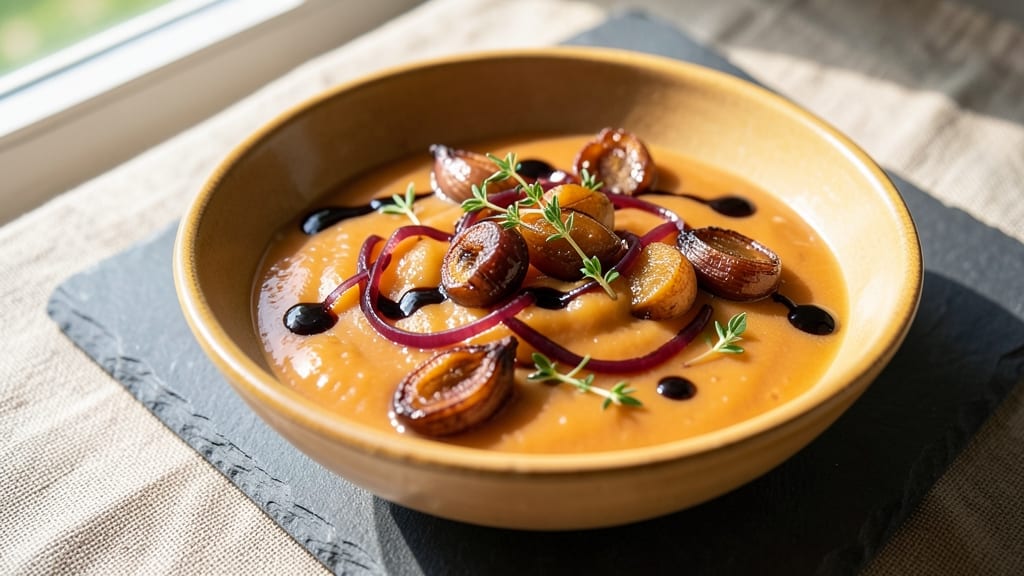
This apricot shallot sauce transforms ordinary dishes into something extraordinary with its perfect balance of sweet, tangy, and caramelized depth. The secret lies in slow-cooking shallots until they develop rich, golden notes before blending them with apricot purée for a silky, versatile glaze.
It’s the kind of sauce that elevates grilled meats, pairs beautifully with cheese boards, and adds a sophisticated touch to appetizers.
The process is straightforward but requires patience—shallots caramelize gradually, releasing their natural sugars and creating a complex base. Adding apricot purée and a splash of balsamic vinegar brightens the flavor while maintaining that caramelized richness.
The result is a glossy, clingy sauce that’s easy to make but feels like a gourmet creation.
What makes this sauce truly special is its versatility. Drizzle it over roasted chicken or pork, use it as a dip for crusty bread, or drizzle it over soft cheeses for a sweet-savory contrast.
The balance of flavors ensures it works as both a main event and a supporting player in any dish. Once you try it, you’ll find yourself reaching for this recipe again and again.
Ready in just 20 minutes, this sauce requires minimal effort but delivers maximum flavor. The key is letting the shallots cook low and slow to develop that deep, caramelized taste.
With just a few simple ingredients, you’ll create a sauce that’s as impressive as it is delicious—perfect for impressing guests or treating yourself to a restaurant-quality meal at home.
Ingredients for apricot shallot sauce
Nine simple ingredients create a sauce that feels like a gourmet secret weapon.
| Ingredient | Amount | Notes |
|---|---|---|
| Shallots 🧅 | 1 ½ lb | Peeled and sliced thinly |
| Apricot Purée 🍑 | 1 cup | Unsweetened, high-quality |
| Balsamic Vinegar 🍷 | ¼ cup | Aged, for depth of flavor |
| Extra-Virgin Olive Oil 🫒 | ½ cup | For richness and smoothness |
| Fresh Thyme Leaves 🌿 | ¼ cup | Or 1 tbsp dried thyme |
| Honey 🍯 | 1 tbsp | Optional, for extra sweetness |
| Salt 🧂 | ½ tsp | Kosher or sea salt |
| Black Pepper 🌶️ | ¼ tsp | Freshly ground preferred |
| Water 💧 | ¼ cup | For thinning if needed |
The shallots are the star—buy fresh, firm ones from the produce section (not the pre-minced jarred kind). Whole Foods or Trader Joe's usually have the best selection. If they’re soft or sprouting, skip them. For the apricot purée, look for unsweetened—it’s sweeter than you’d think, and you don’t want to overpower the caramelized shallots. Balsamic vinegar? Old World or aged makes all the difference—it’s thicker and richer. I grab mine from Costco when it’s on sale, but any specialty store has it.
No apricot purée? Fresh apricots blended with water work in a pinch (about 4-5 fruits for 1 cup purée). Running low on balsamic? Red wine vinegar at half the amount gives a similar tang. Fresh thyme is ideal, but dried works at one-third the amount—just make sure it’s labeled as culinary thyme, not ornamental. The honey is optional, but if you skip it, add a splash more balsamic for brightness. And if your sauce gets too thick? Water or extra olive oil thins it out beautifully.
This sauce keeps for 1 week in the fridge, sealed tightly in a jar. The flavors actually deepen over time, so it’s perfect for making ahead. Freeze for up to 3 months if you’re prepping for a big dinner—just thaw in the fridge overnight. I like to make a double batch because it disappears fast: drizzled over grilled chicken, spooned onto cheese boards, or even stirred into yogurt for a sweet-savory dip. Leftovers? Just reheat gently and thin with a splash of water if needed.
Why You'll Love This Recipe
- Five-Ingredient Magic: I swear, this sauce only needs five things—and three of them are pantry staples. You’re talking minimal chopping, no fancy techniques, just a quick sauté and a stir. That apricot purée does all the heavy lifting while you sip your wine.
- Sweet-Savory Balance: Honestly, the combo of caramelized shallots and tart balsamic with that jammy apricot depth? It’s like a grown-up dessert sneaking into your dinner. The thyme leaves add this bright, herbal punch that keeps it from being too cloying.
- Dresses Up Anything: Between us, this sauce is my secret weapon for weeknights. Drizzle it over grilled chicken, toss it with roasted veggies, or slather it on toast with goat cheese. Even my picky teen asks for it now—(yes, even on a Tuesday night).
- Make-Ahead Goldmine: I double the batch every time because it keeps perfectly in the fridge for five days. The flavors actually deepen overnight, and it reheats like a dream—no clumping, no weird textures. Budget-friendly too; you’re not buying specialty items here.
Step-by-step instructions for apricot shallot sauce
This sweet-tangy glaze comes together with layers of caramelized shallots and rich apricot purée.
Sweat the Shallots Until Golden
Heat the 0.5 cup extra-virgin olive oil in a medium saucepan over medium-low heat. Add the 1.5 lb peeled and thinly sliced shallots and cook for 20-25 minutes, stirring occasionally. You're looking for a deep golden brown color—almost like caramel—that signals the shallots have softened and released their natural sweetness.
Don't rush this step. The low heat prevents burning while allowing the shallots to slowly break down and develop complex flavors. If they start to brown too quickly, reduce the heat slightly. You'll know they're ready when they're tender and the oil has taken on a rich, golden hue. This patience pays off with incredible depth in the final sauce.
Deglaze with Balsamic and Apricot Purée
Once the shallots are perfectly caramelized, increase the heat to medium and add the 0.25 cup balsamic vinegar. Stir immediately to deglaze the pan, scraping up all those delicious browned bits that have settled at the bottom. This step captures all the flavor you've built up so far.
After the balsamic has simmered for 2-3 minutes, add the 1 cup apricot purée and stir well to combine. The mixture will bubble gently as the purée incorporates. Taste at this point—you should notice a perfect balance of sweetness from the apricots and tang from the balsamic. If it needs more depth, this is your chance to add the 1 tbsp honey for extra sweetness.
Simmer and Thicken the Sauce
Reduce the heat to low and let the sauce simmer gently for 10-12 minutes. This slow cooking allows the flavors to meld together beautifully. Stir occasionally to prevent sticking, and watch for the sauce to thicken slightly as the moisture evaporates.
Here's where the 0.25 cup fresh thyme leaves come in. Add them now and let them steep in the warm sauce for 5 minutes, then remove them with a slotted spoon. The thyme will infuse the sauce with its earthy aroma, but you don't want the leaves to overpower the delicate flavors. Season with the 0.5 tsp salt and 0.25 tsp black pepper, adjusting to taste.
Adjust Consistency and Finish
If the sauce is too thick for your liking, thin it with the 0.25 cup water added 1 tablespoon at a time until you reach your desired consistency. The sauce should coat the back of a spoon but still be pourable. For a glossy finish, return the sauce to medium heat and simmer for another 2-3 minutes.
Taste one final time and make any necessary adjustments. This sauce is incredibly versatile—use it as a glaze for grilled meats, a drizzle for roasted vegetables, or even as a dip for fresh bread. The perfect balance of sweet, tangy, and savory makes it a showstopper for any dish.
Pro Tips For Making Apricot Shallot Sauce
- Cook Shallots Low and Slow: I learned this the hard way—blasting them on high turns them bitter. Sauté shallots in olive oil over medium-low heat until they’re golden and jammy, about 10-12 minutes. Patience here keeps the flavor sweet and caramelized, not burnt.
- Use High-Quality Purée: Store-bought apricot purée often tastes artificial. If you can, blend fresh apricots yourself or buy a small jar of unsweetened purée—no additives, just fruit. The difference in depth of flavor is night and day.
- Balance Vinegar Gradually: Balsamic vinegar can overpower if added all at once. Start with half the amount, taste, then adjust. You’re aiming for a bright acidity that cuts through the sweetness, not a tangy punch.
- Toast Thyme Leaves First: Toss fresh thyme leaves in a dry pan for 30 seconds until fragrant—this releases their oils and intensifies their aroma. Then add them to the sauce at the end for maximum punch. (Yes, even if you’re impatient like me.)
Wine and beer pairings for this dish
Red Wine Pairings
The rich caramelized depth of this sauce pairs beautifully with medium-bodied red wines that can stand up to its sweet-tangy profile. A Pinot Noir from Oregon or Burgundy is my go-to—its bright acidity and red fruit notes complement the apricot while the earthy undertones mirror the thyme.
For something more robust, try a Syrah from the Rhône Valley—its peppery spice and dark fruit cut through the sauce’s sweetness. 🍷
White Wine Options
If you prefer white, a Viognier from California or the Rhône Valley brings floral and stone fruit notes that harmonize perfectly with the apricot. Its natural sweetness and creamy texture make it an unexpected but delightful match.
For something lighter, a Gewürztraminer adds a touch of spice that enhances the shallot’s caramelized depth. Chill your wine slightly—around 50-55°F—to balance the sauce’s warmth.
Beer Pairings
For beer lovers, a Belgian Witbier like Hoegaarden or Stella Artois works surprisingly well—the citrusy coriander and light effervescence cleanse the palate between bites. If you prefer something richer, a German Helles Lager (like Weihenstephaner) provides a malty contrast that pairs beautifully with the sauce’s caramelized notes.
Avoid heavy IPAs—their bitterness can clash with the sweetness.
Spiritous Twists
For a cocktail pairing, mix 1.5 oz bourbon with 0.5 oz balsamic reduction (simmer 2 tbsp balsamic until syrupy) and a splash of apricot liqueur for a sophisticated sipper.
The caramelized shallot flavors shine through in this drink, making it a perfect match for the sauce. Garnish with a thin shallot slice for visual appeal. 🍸
Non-Alcoholic Options
Don’t overlook sparkling apricot soda—brands like San Pellegrino Aranciata Rossa or homemade sparkling apricot juice create a refreshing contrast. For a more savory pairing, try a sparkling water with a squeeze of lemon to cut through the richness.
These options keep the meal light while still complementing the sauce’s depth.
Nutrition facts
Frequently asked questions
Can I substitute shallots with regular onions?
You can, but the flavor will be different. Shallots provide a delicate, slightly sweet taste that caramelizes beautifully. If substituting, use 2 cups of finely diced yellow onions and reduce the cooking time to 15 minutes—they brown faster. For a closer match, try red onions, which are milder and sweeter than yellow. The sauce will still be delicious, just with a slightly sharper bite.
How can I make this sauce vegan?
Skip the honey and use 1 tbsp maple syrup instead for sweetness. Ensure your apricot purée is vegan (check labels—some contain honey). For extra richness, add 1 tbsp olive oil or 1 tsp nutritional yeast for depth. The sauce will still be lusciously tangy and perfect for drizzling over roasted veggies or vegan cheeses.
Why did my sauce turn out too sweet?
Too much apricot purée or honey can make the sauce overly sweet. Balance it by adding 1-2 extra tablespoons of balsamic vinegar or a pinch of salt to enhance the tang. If the sweetness is from the purée, try reducing it to 0.75 cup next time. Taste as you go—this sauce is all about finding the perfect harmony!
Can I use dried apricots instead of purée?
Yes! Soak 1 cup dried apricots in 1 cup warm water for 30 minutes, then blend until smooth. You may need to add 1-2 tablespoons of water to achieve a purée-like consistency. The flavor will be slightly more intense, so reduce the honey to 0.5 tbsp to avoid over-sweetness. The texture will be thicker, so thin with water if needed.
What's the best way to reheat leftovers?
Gently reheat in a small saucepan over low heat for 3-5 minutes, stirring often, until warm. Avoid high heat—it can make the sauce separate or burn. If it thickens too much, add 1 tsp water or olive oil at a time. For a glossy finish, simmer for 1 extra minute after reheating. Store leftovers in an airtight container for up to 1 week.