
Sauces & Condiments
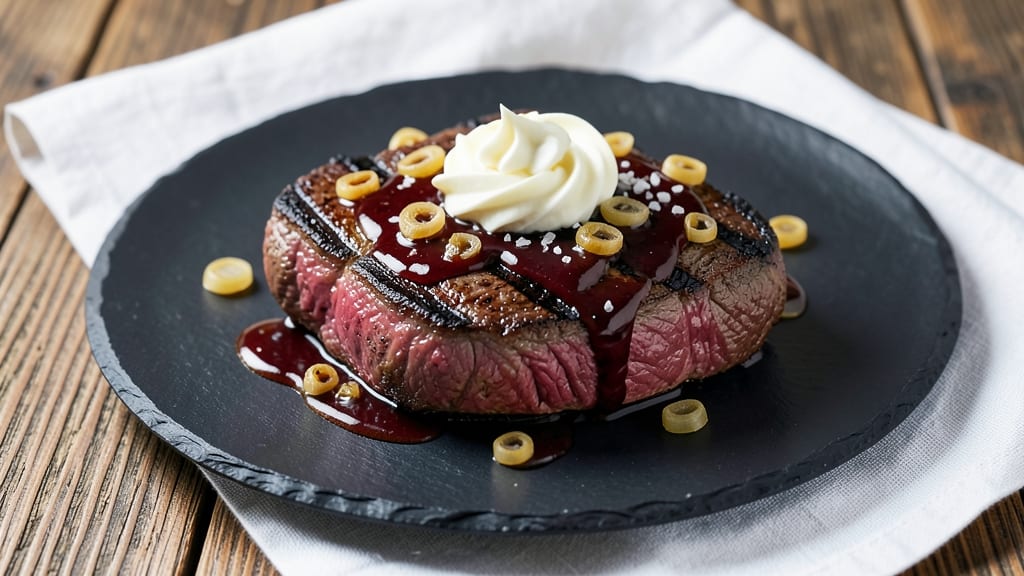
This balsamic vinegar steak sauce recipe transforms simple ingredients into a rich, caramelized drizzle that elevates every steak dish. The key lies in slow simmering, where balsamic vinegar deepens into a glossy, umami-packed sauce with just a touch of sweetness—no artificial additives, just pure flavor development.
What starts as a tangy vinegar becomes a velvety, complex sauce that clings beautifully to seared steaks, turning ordinary meals into restaurant-worthy experiences.
The process is straightforward but requires patience: simmering garlic, shallots, and a splash of balsamic vinegar until the liquid reduces to a thick, glossy consistency.
This isn’t just a quick glaze—it’s a sauce built layer by layer, where the acidity mellows into a balanced sweetness that enhances rather than overpowers the steak’s natural richness. The result?
A sauce that’s equally at home drizzled over grilled ribeye, pan-seared filet mignon, or even roasted vegetables for a touch of sophistication.
What makes this sauce truly special is its versatility—it keeps well in the refrigerator for up to two weeks, making it perfect for meal prep or gifting.
A splash of red wine or a pinch of smoked paprika can further customize the flavor, but the base recipe delivers impressive results without extra effort.
Whether you’re serving a special dinner or simply want to elevate a weeknight steak, this sauce is the secret weapon that turns good into extraordinary.
Pair it with a perfectly cooked steak, a sprinkle of fresh herbs, and a side of roasted potatoes for a complete, restaurant-quality meal. The sauce’s depth of flavor means it works just as well on leftovers, so make extra—you’ll want to have it on hand for every steak night.
Here’s how to create it step by step.
Ingredients for balsamic vinegar steak sauce
Nine simple ingredients transform into a restaurant-quality sauce that elevates every steak dish.
| Ingredient | Amount | Notes |
|---|---|---|
| Balsamic Vinegar 🍷 | 1 cup | High-quality aged balsamic preferred |
| Red Wine 🍷 | ½ cup | Bold Cabernet Sauvignon or Merlot |
| Garlic Cloves 🧄 | 4 cloves | Minced for aromatic depth |
| Shallots 🧅 | ½ cup | Finely chopped, not minced |
| Unsalted Butter 🧈 | 2 tbsp | Full-fat for richness |
| Granulated Sugar 🍚 | 1 tbsp | Balances acidity |
| Smoked Paprika 🌶️ | ½ tsp | For subtle smokiness |
| Fresh Thyme Leaves 🌿 | 2 tsp | Or 0.5 tsp dried thyme |
| Salt 🧂 | ½ tsp | Diamond Crystal preferred |
| Black Pepper 🌶️ | ¼ tsp | Freshly ground |
The balsamic vinegar is the foundation—look for aged varieties (like Barolo or Aceto Balsamico Tradizionale) at specialty stores or the gourmet section of Whole Foods. Fresh thyme and shallots add aromatic depth, but don’t stress if you only have dried thyme (use one-third the amount). The red wine should be bold—Cabernet Sauvignon or Merlot—not something light like Pinot Noir. For garlic, I always buy the peeled jarred kind from Trader Joe's; it’s consistent and saves time. Smoked paprika adds subtle complexity, but if you’re out, a pinch of regular paprika works in a pinch.
No red wine? Substitute beef broth (same amount) or a splash of apple cider vinegar for tang. Shallots can be swapped for onions (more intense flavor), and sugar can be omitted if your balsamic is already sweetened. Fresh thyme unavailable? Dried oregano at half the amount mimics the earthiness. For a deeper color, add a pinch of activated charcoal (food-grade) or a splash of grape juice reduction. The butter is non-negotiable—full-fat only—it emulsifies the sauce beautifully. If you’re strict about dairy-free, use vegan butter (like Miyoko’s) and add 1 tsp cornstarch to thicken.
This sauce thickens as it cools, so reheat gently to restore glossiness. Keeps in the fridge for up to 2 weeks in an airtight jar, though it’s best within 10 days. For gifting, transfer to a small glass bottle with a drizzle on top—looks stunning. Freezes beautifully for up to 3 months (leave 1-inch headspace). I always double the batch: one jar for immediate use, one for future steak nights. The flavor actually improves after 2-3 days as the acidity mellows—patience is key.
Why You'll Love This Recipe
- Pantry-to-Table Magic: I swear by this sauce because it uses what I already have—no special shopping needed. The balsamic and red wine simmer down to a glossy, tangy base while I chop shallots and garlic, which takes less time than waiting for takeout.
- Rich Without Effort: That butter at the end? Pure velvet. It coats every bite with a velvety finish while the caramelized shallots add a sweet, jammy depth. Honestly, it’s the kind of flavor that makes you pause mid-bite—even my picky husband doesn’t complain.
- Weeknight Hero: Drizzle it on steak, toss it with roasted veggies, or even slather it on grilled chicken. I’ve used it for everything from fancy dinners to lazy Sunday breakfasts (yes, really). The sauce keeps well in the fridge, so I make a big batch and stretch it across meals.
- Leftovers That Pay Off: A single batch makes enough for two meals, and it actually tastes better the next day. Between us, I’d rather have this sauce lingering in my fridge than another sad container of leftover mashed potatoes. Plus, it’s cheap—way cheaper than store-bought sauces that taste like they came from a bottle.
Step-by-step instructions for balsamic vinegar steak sauce
This method delivers a rich, caramelized sauce with perfect balance—deep umami flavor and just the right tang.
Cook Shallots and Garlic Until Golden
Melt the 2 tablespoons unsalted butter in a medium saucepan over medium heat. Add the 0.5 cup finely chopped shallots and cook for 5-6 minutes, stirring occasionally, until softened and translucent. This gentle cooking transforms their sharp bite into sweet, mellow flavor.
Add the 4 cloves minced garlic and the 0.5 teaspoon smoked paprika, stirring constantly for 30 seconds until fragrant. The paprika adds subtle smokiness while preventing the garlic from burning. You'll know it's ready when the mixture smells richly aromatic and the garlic loses its raw bite.
Deglaze with Red Wine and Reduce
Pour in the 0.5 cup red wine and scrape up any browned bits from the bottom of the pan with a wooden spoon. These flavorful bits, called fond, are essential for depth. Let the wine simmer for 3-4 minutes until reduced by half and slightly syrupy in texture.
Here's the thing—don't rush this reduction. You want the alcohol to cook off completely, leaving behind concentrated wine flavor. The sauce should coat the back of a spoon when you lift it from the pan. If it reduces too quickly, lower the heat slightly to maintain gentle simmering.
Add Balsamic Vinegar and Sugar
Increase heat to medium-high and add the 1 cup balsamic vinegar along with the 1 tablespoon granulated sugar. Stir well to combine, then reduce heat to medium-low. Let the mixture simmer uncovered for 15-18 minutes, stirring occasionally, until it thickens significantly and darkens to a deep caramel color.
This is where the magic happens. The sugar helps balance the vinegar's acidity while promoting caramelization, creating that signature glossy finish. You'll notice the sauce gradually transform from a light amber to a rich, molasses-like consistency. Don't walk away—constant stirring prevents burning while ensuring even reduction.
Finish with Herbs and Seasoning
Remove the pan from heat and stir in the 2 teaspoons fresh thyme leaves, 0.5 teaspoon salt, and 0.25 teaspoon black pepper. Let the sauce sit off heat for 5 minutes to allow the flavors to meld completely. The thyme adds bright herbal notes that cut through the richness.
Taste and adjust seasoning if needed. You might need a pinch more salt to balance the acidity, or a crack of extra pepper for heat. The sauce should be tangy yet sweet, with complex layers of umami from the wine and vinegar. If it's too thick, whisk in 1 tablespoon warm water to reach your desired consistency.
Strain and Use Immediately
Strain the sauce through a fine-mesh sieve into a clean bowl to remove any herb stems or shallot bits. This ensures a silky texture perfect for drizzling. The sauce will thicken further as it cools, so use it within 2-3 hours for best results.
This sauce pairs beautifully with grilled steaks, roasted vegetables, or even as a glaze for pork chops. For extra richness, whisk in 1 tablespoon heavy cream just before serving. The key to success lies in patience during the reduction—rushing this step will result in a thin, vinegary sauce rather than the luxurious drizzle you're after.
Pro Tips For Making Balsamic Vinegar Steak Sauce
- Sweat Shallots Slow: Don’t rush the shallots—they’re the flavor backbone of this sauce. Cook them on medium-low heat for 8-10 minutes until soft and translucent, stirring occasionally. I learned this the hard way: charred shallots make the sauce bitter, and you’ll regret it when you taste it.
- Reduce Wine First: Simmer the red wine down by half before adding vinegar. This cuts the alcohol sharpness and concentrates the flavor—like making a mini reduction. Skip this, and your sauce will taste thin and raw, even if you simmer later.
- Butter Last, Not First: Add the unsalted butter only at the very end, off the heat. If you melt it in too early, it’ll burn before the sauce thickens. Swirl it in like a pro: let the residual heat from the pan emulsify it for a silky finish.
- Balance Vinegar Acid: Start with 2 tablespoons of balsamic vinegar, then taste and adjust. Too much? A pinch of sugar or a splash of wine cuts the tang. I was skeptical until I tried it—now I always keep a tiny bowl of sugar nearby for this exact moment.
Best sauces and condiments for this recipe
Creamy Variations
For a richer finish, stir in 1 tablespoon heavy cream or ½ cup crème fraîche just before serving. I love adding a dollop of mascarpone cheese for a luxurious texture that pairs perfectly with filet mignon.
If you prefer a dairy-free option, use coconut cream (reduce it first to thicken). The creaminess balances the sauce’s acidity while adding a velvety mouthfeel that guests will rave about. 🥄
Herb Infusions
Swap thyme for other herbs to match your steak’s flavor profile. Try rosemary (½ tsp) for a piney note with lamb chops, or tarragon (1 tsp) for a subtle anise flavor that complements pork.
For a Mediterranean twist, add ½ tsp dried oregano and a pinch of sumac—it’s a game-changer for grilled kebabs. Fresh herbs should always be added at the end to preserve their bright flavors.
Spicy Kick
Add heat with ½ tsp red pepper flakes or 1 tsp harissa paste during the final reduction. For smoky heat, stir in ½ tsp chipotle powder with the smoked paprika. I recommend testing the heat level before serving—some sauces can pack a punch!
A drizzle of hot honey (1 tsp) at the table adds sweetness that cools the burn while enhancing the sauce’s complexity. 🌶️
Sweet and Tangy
Boost the sweetness with 1 tbsp honey or 1 tbsp maple syrup during the reduction. For a fruity twist, add 2 tbsp cranberry sauce (reduced by half) when combining the balsamic and wine.
This variation works beautifully with venison or duck, where the sauce’s depth complements gamey flavors. Balance is key—taste as you go to avoid overpowering the steak’s natural taste.
Umami Boosters
Deepening the umami profile transforms this sauce into a next-level condiment. Stir in 1 tsp fish sauce or ½ tsp soy sauce during the final reduction for a savory punch. For a vegetarian option, add 1 tbsp miso paste (dissolved in 1 tbsp warm water) when combining the balsamic.
These additions elevate the sauce to restaurant-quality depth, especially when paired with grilled mushrooms or tofu. 💫
Nutrition facts
Frequently asked questions
Can I make this sauce without red wine?
Replace the 0.5 cup red wine with 0.5 cup beef broth for depth or 0.5 cup apple cider vinegar for extra tang. The flavor will shift slightly but still deliver rich results. For a sweeter profile, use 0.5 cup cranberry juice instead. Just remember: red wine adds that essential umami complexity.
How do I know when the sauce is done reducing?
Your sauce is ready when it coats the back of a spoon smoothly and darkens to a deep caramel color (15-18 minutes of simmering). It should thicken enough to leave a visible trail when drizzled. If it's too thin, simmer uncovered for 5 more minutes. For extra gloss, add 1 tsp cornstarch mixed with 1 tbsp water at the end.
Why did my sauce turn bitter?
Bitterness usually means over-reduction or burnt shallots/garlic. Keep heat at medium-low and stir frequently to prevent burning. If it happens, balance the flavor by adding 1 tsp honey or 1 tbsp balsamic glaze to sweeten. For future batches, reduce the sugar slightly (½ tbsp) if using very sweet balsamic vinegar.
Can I use this sauce on other meats besides steak?
This versatile sauce works beautifully on grilled chicken, pork chops, and even roasted vegetables! For game meats like venison, add 1 tbsp maple syrup during reduction. With seafood, reduce the balsamic to ½ cup and add 1 tsp lemon juice instead. The key is balancing the sauce's richness with the protein's natural flavors.
How long will the sauce keep in the fridge?
The sauce stays fresh for 2 weeks in an airtight jar in the refrigerator. For longer storage, freeze in 2-tablespoon portions for easy thawing. The flavor actually improves after 2-3 days as the acidity mellows. When reheating, warm gently on the stove or microwave in 10-second bursts to preserve texture.