
Sauces & Condiments
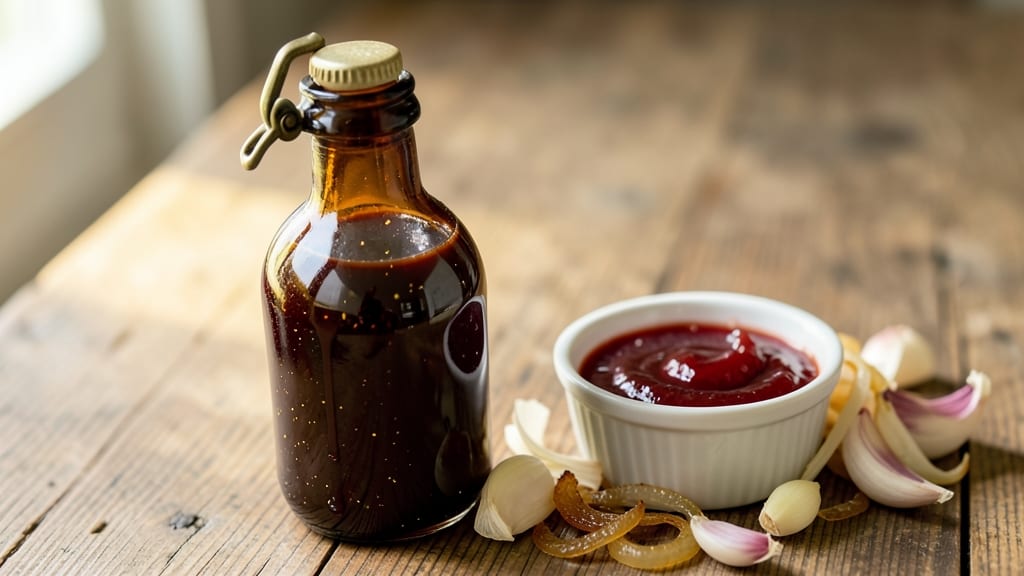
This authentic Worcestershire sauce recipe delivers the complex umami depth that makes it indispensable in kitchens worldwide. The secret lies in fermentation—where vinegar, molasses, tamarind, and anchovies meld over four weeks into a rich, tangy-savory elixir.
Unlike store-bought versions, this recipe captures the traditional balance of sweet, sour, salty, and funky notes that define Worcestershire's signature flavor.
The process begins with carefully combining vinegar, molasses, and tamarind paste to create the base, then infusing it with garlic, onions, and spices like cloves and black pepper. Anchovies add that unmistakable umami depth, while a touch of sugar rounds out the complexity.
The fermentation period allows flavors to develop fully, resulting in a sauce that's bold yet balanced, perfect for steak sauces, marinades, or even Bloody Marys.
What sets this recipe apart is its authentic technique—no shortcuts, just time and patience. The result is a sauce with layers of flavor that store-bought versions simply can't match. Once fermented, it keeps for months in a cool, dark place, ready to elevate any dish.
Whether you're a professional chef or a home cook, this sauce will become a staple in your kitchen.
Ready to transform your cooking? The process is straightforward, but the reward—a bottle of homemade Worcestershire—is unmatched. Let's get started on creating your own batch of this fermented umami powerhouse.
Ingredients for authentic worcestershire sauce
Twelve ingredients, four weeks of fermentation—this is the foundation of authentic Worcestershire sauce.
| Ingredient | Amount | Notes |
|---|---|---|
| Apple Cider Vinegar 🍎 | 2 cups | Raw, unfiltered preferred for depth |
| Molasses 🍯 | ½ cup | Unsulphured, dark variety |
| Tamarind Paste 🌶️ | ¼ cup | Thick, unsweetened preferred |
| Anchovy Fillets 🐟 | 2 oz | High-quality, salt-packed preferred |
| Garlic Cloves 🧄 | 6 cloves | Fresh, peeled, rough chopped |
| Yellow Onions 🧅 | 1 whole | Medium, peeled, chopped |
| Cloves 🌿 | 4 whole | Whole, lightly crushed |
| Black Peppercorns 🌶️ | 1 tsp | Freshly cracked preferred |
| Granulated Sugar 🍚 | ½ cup | White or light brown |
| Salt 🧂 | 1 ½ tsp | Diamond Crystal kosher salt |
| Ground Ginger 🌿 | ½ tsp | Freshly grated preferred |
| Tamari Sauce 🍜 | ¼ cup | Gluten-free soy sauce alternative |
The quality of your vinegar and molasses sets the stage. Bragg Apple Cider Vinegar delivers that tangy backbone, while unsulphured molasses from a specialty store like Penzeys adds depth without bitterness. Tamarind paste is non-negotiable—Thai Kitchen brand is widely available and delivers the perfect balance of sour and funk. For anchovies, imported European fillets (often found at Whole Foods or Eataly) provide superior umami compared to domestic brands. The spices should be freshly ground or cracked—whole peppercorns from Burlap & Barrel make all the difference when freshly cracked. Garlic and onions should be fresh, with no hint of sprouting or softness.
No tamarind paste? Lime juice plus 1 tsp sugar mimics the acidity, though the complexity will differ. Substituting regular molasses with blackstrap molasses intensifies the flavor but may add bitterness. For anchovies, high-quality fish sauce (like Red Boat) can replace half the amount, though the texture will vary. The tamari sauce can be swapped for regular soy sauce, but the umami profile will be slightly less nuanced. If you're avoiding gluten, ensure your tamari is certified gluten-free. The sugar can be omitted entirely if you prefer a more tart profile, though traditional recipes include it for balance. All spices must be whole or freshly ground—pre-ground spices lose potency quickly.
Ferment in a sterilized glass jar with an airlock or tight-sealing lid to prevent contamination. Store in a cool, dark place (like a pantry) for the full four weeks, shaking gently every 3-4 days. Once fermented, strain through a fine-mesh sieve, pressing firmly to extract all flavor. The sauce will keep indefinitely in the refrigerator once bottled. For best results, use within 6 months—flavors continue developing but may become overly intense. If the sauce crystallizes, gently reheat and stir before use. This sauce transforms dishes—think steakhouse-style marinades, Bloody Marys, or even glazes for roasted vegetables.
Why You'll Love This Recipe
- Pantry Magic: I keep a jar of this in my fridge because it’s made from ingredients I already have—no special shopping trips. The molasses and vinegar alone give it that deep, tangy backbone, while the anchovies add this umami punch that’s chef’s kiss without needing fancy tools.
- Umami Bomb: That first taste of the tamarind and anchovies simmered with garlic? It’s like a flavor explosion in your mouth. The vinegar cuts through the richness, but the molasses keeps it from being too sharp—balanced, complex, and ridiculously addictive.
- Glass Jar Versatility: I drizzle it on grilled steak, mix it into marinades, or even stir it into soups. The tamarind gives it a slight tang that works in both sweet and savory dishes—like a secret weapon for weeknight dinners or fancy guests.
- Budget-Friendly Staple: A little goes a long way, and the ingredients cost pennies compared to store-bought sauce. I make a big batch, store it for months, and never worry about running out—plus, it’s way cheaper than buying pre-made. (Yes, even on a Tuesday night.)
Step-by-step instructions for authentic fermented Worcestershire sauce
This traditional method captures the depth of classic Worcestershire through precise fermentation and layering.
Prepare the Base Ferment
In a non-reactive saucepan, combine the 2 cups apple cider vinegar, 0.5 cup molasses, 0.5 cup granulated sugar, and 1.5 tsp salt. Heat over medium-low heat until the sugar completely dissolves—this should take about 5 minutes. The mixture should be fully clear with no graininess remaining. Remove from heat and let cool to room temperature.
While cooling, finely chop the 1 whole yellow onions and 6 cloves garlic. Lightly crush the 4 whole cloves and 1 tsp black peppercorns with a mortar and pestle. Add these to a clean glass jar along with the 2 oz anchovy fillets and 0.25 cup tamarind paste. Stir to create a rough paste—this ensures even distribution during fermentation.
Combine and Ferment for 2 Weeks
Once the vinegar mixture has cooled completely, pour it over the aromatics in the jar. Add the 0.5 tsp ground ginger and 0.25 cup tamari sauce, then stir vigorously to fully incorporate. Seal the jar tightly and store in a dark, cool place (around 65-70°F) for 14 days. Shake the jar gently once daily to distribute the flavors—this prevents stratification and encourages even fermentation.
After 7 days, you'll notice a slight effervescence and deeper color. This indicates fermentation is active. By day 14, the mixture should develop a rich, complex aroma with notes of caramel, umami, and subtle spice. If mold appears, discard and restart—proper fermentation should yield no contamination.
Strain and Bottle for Maturation
After the two-week fermentation, strain the mixture through a fine-mesh sieve lined with cheesecloth into a clean glass bottle. Press firmly on the solids to extract all liquid—this captures the maximum flavor. The strained sauce should be deep amber with visible sediment if pressed well. Seal the bottle tightly and return it to the dark, cool environment for an additional 2 weeks of maturation.
During this final stage, the flavors meld and deepen. The sauce will gradually thicken slightly due to natural reduction. After 2 weeks, taste and adjust seasoning if needed—some batches may benefit from a pinch more salt or a splash of vinegar to balance acidity. Store in the refrigerator for up to 6 months for peak flavor.
Pro Tips For Making Authentic Worcestershire Sauce
- Simmer Slowly: I learned this the hard way—rushing the simmer ruins the depth. Keep the sauce at a gentle boil (barely bubbling) for at least 20 minutes. Too much heat burns the molasses and turns your sauce bitter. If it reduces too fast, add a splash of vinegar to keep it liquid.
- Toast the Anchovies: Dry the anchovy fillets on a skillet over medium heat for 30 seconds before adding them. This removes excess oil and concentrates their flavor—no more fishy aftertaste sneaking into your sauce. (Yes, even if you’re impatient like me.)
- Strain Twice: After simmering, strain through a fine-mesh sieve once, then press the solids with a spoon. Do it again through cheesecloth for a silky finish. The first time I skipped this, my sauce had gritty bits that ruined the texture. Not worth the shortcut.
- Balance the Tamarind: Tamarind paste varies wildly in acidity. Taste it first—if it’s too sharp, dilute it with 1 teaspoon of vinegar before adding to the pot. Too sweet? A pinch of salt cuts through. My grandmother swore by this, and she was right: the sauce either works or it doesn’t.
Perfect pairings for this dish
Steakhouse Sauce Base
This sauce transforms any steak into a restaurant-worthy dish. Use it as a finishing sauce for grilled or pan-seared steaks—simply warm 1 tablespoon in a small saucepan over medium heat for 2-3 minutes until steaming.
Drizzle over sliced steak and garnish with fresh parsley. For extra richness, add 1 teaspoon butter to the sauce before serving. 🥩
Bloody Mary Elevator
Take your Bloody Mary to the next level by adding ½ teaspoon of this sauce to the cocktail shaker before mixing. The umami depth complements the tomato juice and spices beautifully. I like to serve it with a rim of celery salt and a lemon wedge for that classic touch.
For a smoky twist, add a dash of smoked paprika to the sauce before using it in the drink.
Umami Glaze for Roasted Veggies
Brush this sauce on vegetables like Brussels sprouts, carrots, or mushrooms before roasting. Toss them in 1 tablespoon of sauce, then roast at 400°F for 20-25 minutes until caramelized.
The tamarind and molasses create a sweet-savory glaze that pairs perfectly with roasted root vegetables. Finish with a sprinkle of toasted sesame seeds for texture.
Marinade for Chicken
Mix 3 tablespoons of this sauce with ¼ cup olive oil and 2 tablespoons soy sauce to create a bold marinade for chicken thighs or breasts. Let it sit for 4-6 hours or overnight in the fridge.
The fermentation process gives the chicken an unmistakable depth of flavor that grilling or pan-searing brings out beautifully.
Seafood Enhancer
Drizzle 1 teaspoon of this sauce over grilled or pan-seared shrimp, scallops, or fish fillets in the last minute of cooking. The acidity in the vinegar cuts through the richness of seafood, while the umami from anchovies and tamarind adds complexity.
I love using it on swordfish steaks or garlic butter shrimp for a restaurant-quality finish.
Deviled Egg Upgrade
Add ½ teaspoon of this sauce to your deviled egg filling for a tangy, umami kick. Mix it with the yolk mixture before piping into the egg whites. The sauce balances the creaminess of the yolks and adds a layer of depth that store-bought Worcestershire simply can't match.
Garnish with a pinch of smoked paprika for extra flair. 🥚
Nutrition facts
Frequently asked questions
Why does authentic Worcestershire sauce need fermentation?
Fermentation is key to developing the sauce's signature depth and complexity. The four-week process allows vinegar, molasses, and anchovies to break down naturally, creating layers of umami, sweetness, and tang that store-bought versions can't replicate. Without fermentation, you'd miss the rich, funky character that makes traditional Worcestershire so special.
Can I skip the tamarind paste if I don't have any?
You can substitute tamarind with lime juice plus 1 teaspoon sugar, but the flavor won't be identical. Tamarind provides a unique balance of sour and funky notes that are hard to replicate. For best results, look for tamarind paste in Asian markets or online—it's worth the effort for authentic flavor.
How do I know when the fermentation is complete?
After 2 weeks, your sauce should have a deep amber color and a complex aroma with notes of caramel, umami, and subtle spice. If you see mold (fuzzy spots), discard it immediately—this means contamination. Proper fermentation will yield no mold, just a rich, developing flavor that deepens during the final 2 weeks of maturation.
What's the best way to store homemade Worcestershire sauce?
Once fermented and strained, store your sauce in a clean glass bottle in the refrigerator for up to 6 months. The cool, dark environment preserves its flavor. For longer storage, you can also freeze it in ice cube trays—just thaw in the fridge before use. The sauce will thicken slightly over time, which is normal and adds to its richness.
Can I adjust the spice level in this recipe?
For a milder sauce, reduce the black peppercorns to ½ teaspoon or omit the cloves entirely. For extra heat, add ½ teaspoon cayenne pepper or a pinch of red pepper flakes. Remember, you can always adjust seasoning after the final 2 weeks of maturation—taste and tweak as needed before bottling.