
Sauces & Condiments
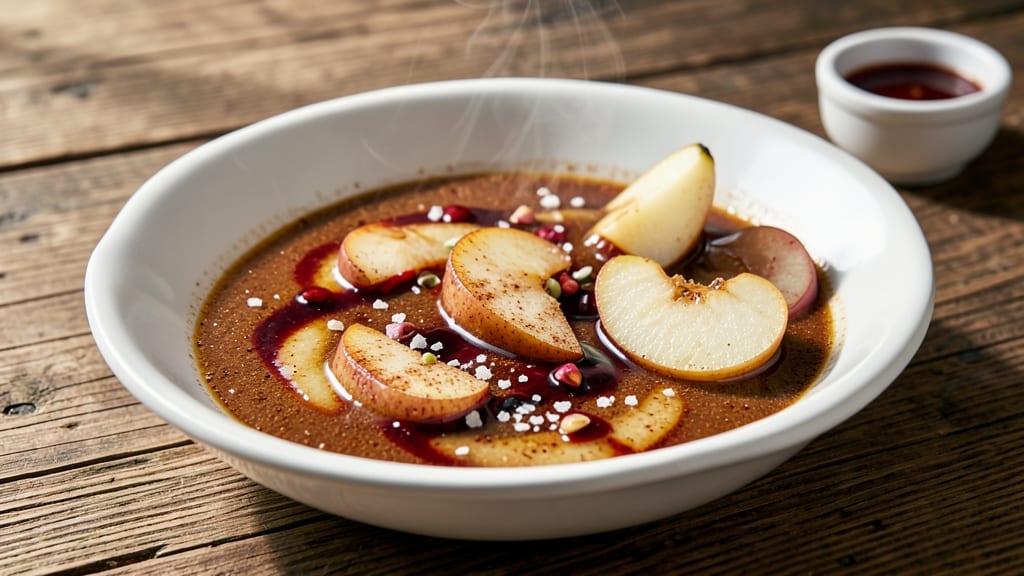
Anjou sauce transforms ordinary dishes into something extraordinary with its rich, velvety texture and perfect balance of sweet and savory notes. This classic French sauce—made with red wine, pears, and aromatic spices—adds depth to both savory and sweet applications, from glazing meats to drizzling over desserts. The key lies in slow reduction, where the wine's acidity mellows into a luscious, umami-packed sauce that clings beautifully to proteins or complements fruit-based desserts.
The secret to a perfect Anjou sauce is patience. Simmering the sauce until it thickens just enough creates a glossy finish without losing its natural fruitiness.
I’ve perfected this recipe to deliver a sauce that’s versatile—use it as a glaze for roasted chicken, a drizzle for vanilla ice cream, or even a marinade for pork. The combination of red wine, pears, and spices like cinnamon and cloves creates a harmonious blend that’s both elegant and approachable.
What sets this Anjou sauce apart is its ability to elevate simple dishes into something restaurant-worthy. The sauce’s depth comes from the wine reduction, while the pears add natural sweetness that balances the acidity.
Once you taste it, you’ll understand why it’s a staple in French cuisine—it’s rich, complex, and impossible to resist. The best part? It keeps well in the fridge, so you can make a batch ahead and enjoy it all week.
Whether you’re preparing a holiday meal or craving a decadent dessert, this Anjou sauce delivers. The process is straightforward, but the results are anything but basic. Let’s get started on creating a sauce that will become your new go-to for adding depth and richness to any dish.
Ingredients for anjou sauce
Nine ingredients transform bold wine and ripe pears into restaurant-quality sauce—sweet, savory, and impossibly rich.
| Ingredient | Amount | Notes |
|---|---|---|
| Dry Red Wine 🍷 | 2 cups | Bold, dry variety like Cabernet Sauvignon |
| Ripe Pears 🍐 | 2 medium | Firm but yielding, peeled and diced |
| Shallots 🧅 | 3 whole | Minced finely for depth |
| Garlic Cloves 🧄 | 4 cloves | Peeled and smashed for aroma |
| Granulated Sugar 🍬 | ½ cup | Balances wine acidity |
| Ground Cinnamon 🌿 | ½ tsp | Warmth without overpowering |
| Ground Cloves 🌶️ | ¼ tsp | Earthy depth, use sparingly |
| Unsalted Butter 🧈 | 2 tbsp | Full-fat for richness |
| Heavy Cream 🥛 | ½ cup | For velvety finish |
| Salt 🧂 | ½ tsp | Kosher preferred for balance |
The red wine is non-negotiable—Cabernet Sauvignon or Merlot work best, but any bold, dry variety does the trick. Trader Joe's and Total Wine have great affordable options. Pears should be firm but yielding—Bosc or Anjou varieties hold up best during cooking. If you can't find fresh, high-quality pear puree (like Mott's) works in a pinch, but fresh is always better. The shallots and garlic are the aromatic backbone—don't skip mincing them finely, or you'll miss out on that deep, complex flavor. I always double-check the wine's age—younger wines work better here since they haven't lost their fruitiness yet.
No red wine? Dry cranberry juice or grape juice can mimic the acidity, though the depth won't be identical. Pears too firm? Apples or peaches work in a squeeze, but reduce the sugar to 0.25 cup to avoid cloying sweetness. Short on butter? Olive oil works, but the sauce won't be as rich. The spices are where you can get creative—cardamom or nutmeg add unexpected warmth. For a quicker version, pear chutney (from the international aisle) can replace the pears and sugar combo, but you'll need to add 1 tbsp extra wine to balance the sweetness. Always taste as you go—the sauce should be glossy but not syrupy.
This sauce keeps beautifully—1 week in the fridge sealed in a jar, or 3 months frozen in ice cube trays for single servings. The flavor actually improves after a day or two as the wine mellows. I make a double batch whenever I can—it disappears fast on roasted chicken or drizzled over vanilla ice cream. For reheating, warm gently on the stove or microwave in 30-second bursts to avoid curdling. The butter and cream make it velvety, but if you're avoiding dairy, coconut cream works surprisingly well—just reduce the heat to prevent separation.
Why You'll Love This Recipe
- Fruit-Forward Simplicity: I swear by this recipe because it’s literally just chopping, simmering, and tasting—no blenders, no strainers, no fuss. The pears soften like magic while the wine and sugar melt into something rich and smooth, and honestly? The hardest part is waiting for it to thicken.
- Wine-Pear Magic: That first sip of sauce—sweet, tangy, with a deep red wine richness—is ridiculously good. The pears add a jammy depth, while the shallots and garlic give it this warm, savory backbone that makes it taste like a fancy restaurant dish, not just something you threw together.
- Weeknight & Holiday Hero: This sauce is my go-to for everything: drizzling over grilled chicken, spooning onto yogurt for a dessert, or even tossing with roasted veggies. (Yes, even on a Tuesday night.) It’s the kind of thing that works for casual dinners and feels special enough for guests—no stress, just flavor.
- Pantry-Friendly & Stays Fresh: Between us, this sauce keeps perfectly in the fridge for days, and it actually tastes better the next day as the flavors marry. Plus, you’re using ingredients you probably already have—wine, sugar, pears—so it’s budget-friendly without feeling cheap. Less waste, more delicious.
Step-by-step instructions for Anjou sauce
This rich, velvety sauce transforms simple ingredients into a luxurious wine reduction with perfect balance.
Sauté Shallots and Garlic Until Fragrant
Heat a medium saucepan over medium-low heat and add the 3 whole shallots (finely minced) and 4 cloves garlic (smashed). Cook for 5-7 minutes until the shallots are translucent and the garlic releases its aroma. You'll know it's ready when the mixture smells sweet and nutty—not browned. Stir occasionally to prevent burning, as garlic can turn bitter in seconds.
I like to keep the heat gentle here because we're building flavor, not color. If you see the shallots start to brown, reduce the heat slightly. This step forms the aromatic base that will carry through the entire sauce. Don't skip this—it's where all the magic begins.
Add Pears and Sugar for Sweet Depth
Increase the heat to medium and add the 2 medium ripe pears (peeled and diced) and 0.5 cup granulated sugar. Stir well to combine, then reduce the heat to medium-low again. Let the mixture cook for 8-10 minutes until the pears soften and begin to caramelize slightly at the edges.
The sugar will help balance the acidity of the wine we're about to add, while the pears contribute natural sweetness and texture. You'll see the mixture darken and thicken as the pears break down. If it starts to stick, add 1 tablespoon of the dry red wine to deglaze and keep it moving. This is where the sauce develops its signature richness.
Deglaze with Wine and Simmer Until Reduced
Pour in the 2 cups dry red wine and scrape up any browned bits from the bottom of the pan with a wooden spoon. Increase the heat to medium-high and bring to a boil, then immediately reduce to medium-low and let it simmer uncovered for 15-20 minutes. You want the wine to reduce by about half, until it coats the back of a spoon.
This reduction step is critical—it concentrates the flavors and creates that glossy, velvety texture. Stir occasionally, but don't obsess over it. The sauce will naturally thicken as it reduces. If it starts to stick, add another 1 tablespoon of wine. You'll know you're getting close when the sauce darkens and smells deeply aromatic.
Add Spices and Finish with Butter and Cream
Stir in the 0.5 teaspoon ground cinnamon, 0.25 teaspoon ground cloves, and 0.5 teaspoon salt. Let the sauce simmer for another 5 minutes to allow the spices to bloom and infuse. Then, reduce the heat to low and whisk in the 2 tablespoons unsalted butter and 0.5 cup heavy cream. Continue to cook for 2-3 minutes until the sauce is smooth and glossy.
The spices add warmth and depth, while the butter and cream give the sauce its luxurious finish. Taste and adjust the seasoning—you might need a pinch more salt or sugar to balance the flavors. The sauce should be rich but not overly sweet, with a hint of spice and the bright acidity of the wine.
Strain and Serve Warm
For a silky-smooth texture, strain the sauce through a fine-mesh sieve into a clean saucepan. This removes any pear chunks or shallot bits, leaving you with a velvety sauce. Return it to low heat and keep it warm until ready to serve. Anjou sauce is best enjoyed warm, so don't let it sit too long after straining.
This sauce pairs beautifully with roasted meats, grilled vegetables, or even as a drizzle over vanilla ice cream. The balance of sweet, spice, and acidity makes it incredibly versatile. Serve immediately to enjoy its full, complex flavors at their peak.
Pro Tips For Making Anjou Sauce
- Simmer Slow and Steady: Anjou sauce needs time to marry flavors—don’t rush the reduction. A gentle simmer (just below a bubble) for 20-25 minutes keeps the wine from turning bitter and lets the pears soften into the sauce without breaking down into mush. I used to speed it up, and the result was always sharp and one-dimensional.
- Peel and Dice Pears Like a Pro: Skip the core and cut pears into even ½-inch cubes—they’ll cook uniformly and release flavor faster. My grandmother swore by this, and she was right: uneven pieces turn to mush in some spots while staying raw in others. (Yes, even if you’re impatient like me.)
- Deglaze with Wine Immediately: As soon as you remove the shallots and garlic from the pan, pour in the wine right away—don’t let those browned bits cool. The residual heat helps dissolve them into the sauce, adding depth instead of leaving a gritty residue. I learned this the hard way after scraping a pan full of stuck-on bits.
- Balance Sugar Early, Taste Often: Add half the sugar upfront, then taste as you simmer. Anjou sauce should taste sweet but not cloying—adjust with a pinch at a time. I skip this when I’m lazy, but the dish is noticeably better when I don’t. (Your future self will thank you.)
Essential equipment for anjou sauce
Medium Saucepan
A 3- to 4-quart medium saucepan is essential for this recipe—it gives enough room for the ingredients to simmer properly without boiling over. I use a stainless steel saucepan like the All-Clad Stainless because it distributes heat evenly and prevents hot spots that could burn the sauce.
Avoid nonstick pans for this recipe, as the high heat and reduction process can damage the coating and impart off-flavors. 🌡️
Fine-Mesh Sieve
For that silky-smooth texture, a fine-mesh sieve (like the OXO Good Grips) is a must. It ensures no pear chunks or shallot bits remain, giving you a velvety finish. If you don’t have one, a cheesecloth works in a pinch, but it requires more effort to strain.
I recommend investing in a good sieve—it makes all the difference in professional-looking results. 🍴
Wooden Spoon
A wooden spoon (I love the Oxo Good Grips) is perfect for stirring and scraping up those flavorful browned bits from the bottom of the pan. Wood won’t react with the acidity in the wine or the spices, unlike metal spoons, which can sometimes alter the taste.
Plus, it’s gentle on your saucepan, preventing scratches over time. 🥄
Kitchen Scale
While this recipe uses volume measurements, a kitchen scale (like the OXO Good Grips) helps ensure precision, especially with spices like cinnamon and cloves. A little too much can overpower the delicate balance of flavors in this sauce.
For the butter and cream, measuring by weight gives you more consistent results than volume. It’s a small investment that makes a big difference in flavor control. 💡
Saucepan Lid
A fitting lid is crucial for controlling the reduction process. I use a tempered glass lid (like the Pyrex) because it allows me to monitor the sauce while keeping it contained.
Avoid metal lids—they can trap moisture and slow down the reduction, leading to a thinner sauce. Keep the lid slightly ajar during the final stages to let excess moisture escape. ⚡
Nutrition facts
Frequently asked questions
Can I use white wine instead of red for Anjou sauce?
The classic Anjou sauce relies on red wine for its deep, rich flavor and umami depth. White wine would lack the complexity and color, resulting in a lighter, less robust sauce. If you absolutely must substitute, use a dry red wine blend—never a sweet or fruity red like Zinfandel. The acidity and tannins in bold reds like Cabernet or Merlot are essential for balancing the sweetness.
What's the best way to store leftover Anjou sauce?
Store your sauce in an airtight container in the fridge for up to 1 week, or freeze it for 3 months in ice cube trays for single servings. The flavors actually improve after 24 hours as the wine mellows. When reheating, warm gently on the stove over low heat or in 30-second microwave bursts to prevent curdling from the cream.
Can I make Anjou sauce without pears?
Yes! For a savory version, substitute pears with 1 cup diced apples or peaches (reduce sugar to 0.25 cup) or 1/4 cup dried apricots (soaked in warm water first). For a fruit-forward dessert sauce, try 1 cup berries (like blackberries or raspberries) with 1 tablespoon lemon juice to brighten the flavors. The key is maintaining the sauce's natural sweetness balance.
Why did my sauce turn out too thin?
Sauce thinning usually happens from insufficient reduction time or adding too much liquid (like cream or butter) too early. For next time, simmer uncovered for 20-25 minutes until the sauce coats the back of a spoon, then whisk in dairy at the very end. If it's still too thin, simmer uncovered for 5 more minutes or mix in 1 teaspoon cornstarch dissolved in 1 tablespoon cold water.
What are the best dishes to serve with Anjou sauce?
This versatile sauce shines on roasted or grilled meats (like duck, pork, or chicken), as a glaze for game birds, or drizzled over vanilla ice cream and cheesecake. It also pairs beautifully with grilled vegetables (asparagus, zucchini) or as a dipping sauce for fresh bread. The wine's acidity cuts through rich proteins, while the sweetness complements creamy desserts.