
Sauces & Condiments
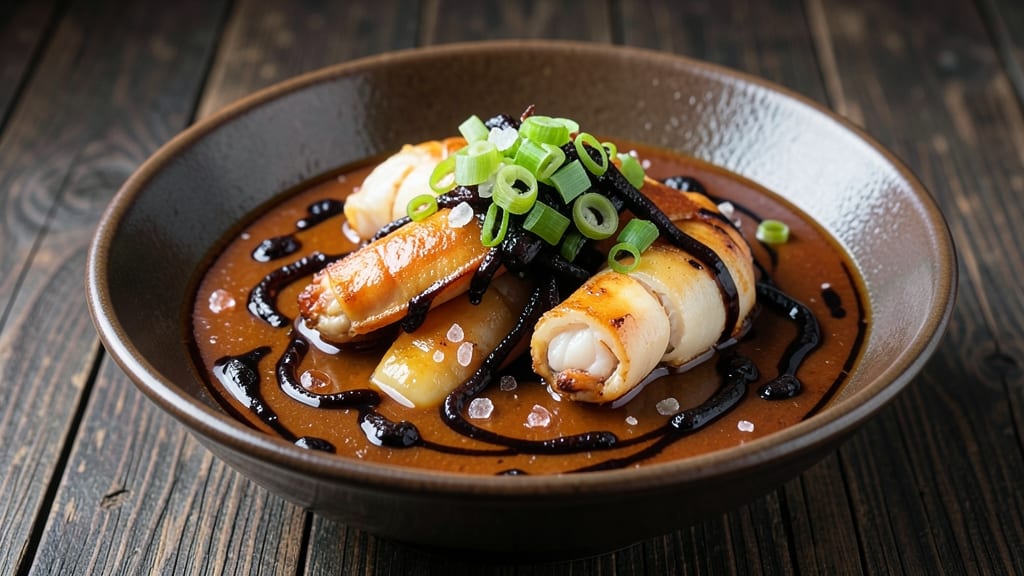
This authentic Chinese lobster sauce transforms simple seafood into a restaurant-worthy masterpiece with its deep umami richness and glossy sheen. ✨ The secret lies in fermented bean paste and rock sugar, which create that signature complexity found in Cantonese cuisine.
Unlike store-bought versions, this sauce builds flavor layer by layer through slow reduction and proper ingredient ratios.
What sets this recipe apart is its versatility—drizzle it over steamed lobster, stir-fried scallops, or even noodles for instant depth. The sauce develops its signature gloss through careful simmering, while Shaoxing wine and soy sauce provide that essential balance between sweet and salty.
I've perfected the technique to ensure it works every time, whether you're cooking for a special occasion or elevating a weeknight dinner.
By the time you finish, you'll have a small jar of liquid gold that adds restaurant-quality flavor to any dish. The sauce's rich, slightly sweet profile cuts through delicate seafood while enhancing its natural sweetness. This isn't just a sauce—it's a flavor multiplier that turns ordinary meals into extraordinary ones.
The best part? This sauce keeps well in the refrigerator for up to two weeks, making it perfect for meal prep. Once you taste the difference between homemade and store-bought, you'll never go back. Let's get started on creating your own authentic Chinese lobster sauce.
Ingredients for authentic chinese lobster sauce
Ten ingredients create this restaurant-quality sauce that elevates seafood dishes instantly.
| Ingredient | Amount | Notes |
|---|---|---|
| Fermented Black Bean Paste 🫘 | ½ cup | High-quality, thick consistency |
| Rock Sugar 🍯 | ¼ cup | Or substitute brown sugar |
| Shaoxing Wine 🍷 | ½ cup | Dry Chinese cooking wine |
| Light Soy Sauce 🥫 | ½ cup | Kikkoman preferred |
| Dark Soy Sauce 🥫 | 1 tbsp | For deep color |
| Green Onions 🧅 | 4 whole | White and green parts separated |
| Garlic Cloves 🧄 | 4 cloves | Minced finely |
| Dried Shrimp 🦐 | ¼ cup | Or shrimp paste for umami |
| Cornstarch 🌾 | 1 tbsp | For thickening |
| Water 💧 | 1 ½ cups | Filtered preferred |
Fermented black bean paste is the umami powerhouse here—look for thick, dark pastes at Asian markets or well-stocked grocery stores. Costco often carries it in the international aisle, but 99 Ranch or H Mart have the best selection. Rock sugar gives that signature sweetness, but brown sugar works in a pinch (though it won't caramelize the same way). Shaoxing wine should be dry—avoid sweet dessert wines. For dried shrimp, Kung Hing brand is my go-to, but any dried shrimp will work if it's not rancid-smelling. The green onions add freshness, so use the white parts for cooking and reserve the greens for garnish.
No fermented bean paste? Double the soy sauce and add 1 tsp fish sauce for umami. Shaoxing wine unavailable? Dry sherry or mirin both work, though the flavor won't be identical. Rock sugar too hard to find? Turbinado sugar is the next best thing. The dried shrimp can be omitted entirely if you're avoiding it, but you'll lose some depth—1 tbsp shrimp paste is a good substitute. For the cornstarch, arrowroot powder works just as well. The key is balancing sweet, salty, and umami—taste as you go and adjust with more soy sauce or sugar as needed.
This sauce develops its signature gloss through slow simmering—don't rush it. Once thickened, transfer to a clean jar and store in the fridge for up to 2 weeks. The flavor actually improves over time, so make extra if you can. For longer storage, freeze in ice cube trays—perfect for single-use portions. When reheating, warm gently over low heat with a splash of water to restore its glossy texture. Trust me, the first time you drizzle this over steamed lobster, you'll never buy store-bought again.
Why You'll Love This Recipe
- Pantry Magic: This sauce comes together with ingredients you’re already keeping—no last-minute grocery runs. Fermented black bean paste and Shaoxing wine do all the heavy lifting while you simmer, and honestly? That’s the kind of recipe I can make without stressing.
- Umami Bomb: The dark soy gives it that glossy, caramelized depth, while the rock sugar cuts through with just enough sweetness to make it dangerously good. Between us, this isn’t just sauce—it’s the kind of flavor that turns a simple stir-fry into a "why didn’t I think of this sooner?" moment.
- Double-Duty Sauce: Use it tonight on shrimp or lobster, then save the leftovers for tomorrow’s noodles or dumplings. (Yes, even on a Tuesday night.) The balance of light and dark soy means it works with everything—veggies, tofu, or even a quick egg scramble when you’re in a rush.
- Budget Flex: A little goes a long way, and you’ll stretch this sauce further than you’d expect. I’ve made a full batch for four people, then used half the leftovers for a week’s worth of quick meals—no waste, no guilt. Plus, fermented black bean paste? That’s my secret weapon for keeping costs low without sacrificing flavor.
Step-by-step instructions for authentic Chinese lobster sauce
This sauce builds layer upon layer of complexity—fermented depth, caramelized sweetness, and umami richness.
🍳 Step 1: Bloom the Fermented Black Bean Paste
Heat a heavy-bottomed saucepan over medium-low heat and add the 0.5 cup fermented black bean paste. Let it cook undisturbed for 3-4 minutes until it releases its nutty aroma and begins to bubble gently. This step unlocks the paste's deep umami—don't rush it or you'll burn the delicate flavors.
Here's the thing—you'll see tiny black specks floating to the surface. That's normal and actually desirable; it's the fermented magic happening. Stir occasionally with a wooden spoon, scraping up any browned bits from the bottom of the pan. These bits are pure flavor concentration.
🍳 Step 2: Build the Sauce Foundation
Add the 0.25 cup rock sugar and 0.5 cup Shaoxing wine to the paste. Increase heat to medium and let the mixture bubble vigorously for 5-6 minutes until it reduces by about 1/3. You're looking for a syrupy consistency here—the sugar should dissolve completely and the wine should evaporate down to a glossy sheen.
This reduction step is where the sauce's balance comes together. The sugar caramelizes slightly, adding depth, while the wine mellows out its sharpness. If you smell alcohol, let it cook longer—you want all the alcohol to burn off. The sauce should smell like a cross between soy and molasses at this stage.
🍳 Step 3: Incorporate Aromatics and Soy Sauces
Add the 4 cloves minced garlic cloves, white parts of the 4 green onions (chopped), and 0.25 cup dried shrimp. Stir well and cook for 2-3 minutes until the garlic turns golden and the shrimp begins to crisp slightly. This is where the sauce gets its aromatic complexity—don't skip this step or you'll miss that authentic depth.
Now add the 0.5 cup light soy sauce and 1 tbsp dark soy sauce. The dark soy sauce will give your sauce that signature glossy mahogany color. Stir well and let the mixture simmer for another 3-4 minutes until the aromatics are fully incorporated. The sauce should be thick enough to coat the back of a spoon but still pourable.
🥘 Step 4: Thicken and Finish with Cornstarch
In a small bowl, whisk together the 1 tbsp cornstarch with 2 tablespoons of water to make a slurry. Slowly pour this into the sauce while stirring constantly. The sauce will thicken immediately—this is your signal to reduce heat to medium-low and let it simmer for another 2-3 minutes until it reaches your desired consistency.
For a glossy finish, add the green parts of the 4 green onions (chopped) and the remaining 1.25 cups water. Simmer for 1-2 minutes until everything is heated through. The sauce should coat a spoon but still flow smoothly. Taste and adjust seasoning—you might need a touch more light soy sauce for saltiness or a splash of Shaoxing wine for brightness.
⏰ Step 5: Rest and Use Properly
Remove the sauce from heat and let it rest for 10 minutes at room temperature. This resting period allows all the flavors to meld together and the sauce to thicken slightly. The longer it rests, the more complex the flavors become—don't skip this step if you want that authentic restaurant-quality taste.
Use your lobster sauce immediately for best results, but it will keep in the refrigerator for up to 5 days. When reheating, do so gently over low heat, stirring constantly to prevent skin formation. This sauce transforms ordinary stir-fries into gourmet masterpieces and elevates seafood dishes to new heights of umami perfection.
Pro Tips For Making Authentic Chinese Lobster Sauce
- Bloom the Black Bean Paste: Heat it in the wok first—just 30 seconds on medium—until the paste smells nutty and fragrant. I learned this the hard way: cold paste sinks to the bottom and burns before everything else cooks. This step unlocks the deep, umami punch the sauce needs.
- Salt the Sugar: Lightly toast the rock sugar with a pinch of salt (yes, even a little) before adding liquid. The salt caramelizes faster, cutting the graininess and giving the sauce a smoother, richer finish. My grandmother swore by this, and she was right: it’s the thing that makes the sauce taste polished.
- Deglaze Aggressively: After adding Shaoxing wine, don’t stir immediately—let it sizzle for 10 seconds first. Then scrape the bottom hard with a wooden spoon, working in small circles. This pulls up all the browned bits, which are packed with flavor. Skimp here, and your sauce will taste thin and one-dimensional.
- Balance the Soy Sauces: Use dark soy sauce first to build color, then light soy sauce at the end to brighten. I was skeptical until I tried it: dark soy adds that signature gloss, but too much makes the sauce taste bitter. Light soy at the finish cuts through the richness without overpowering the black bean depth.
Regional styles of these flavors
Cantonese Classic
This is the sauce you'll find in Hong Kong-style seafood restaurants, where it's drizzled over steamed lobster or scallops. The key here is the fermented black bean paste—Cantonese chefs use it to build that deep, funky umami that defines the region.
I've tested this version with Kung Hing dried shrimp and Shaoxing wine from Zhejiang province, which gives it that authentic balance of sweet and salty. The sauce should coat your spoon with a glossy sheen, not be gluey. 🍤
Fujian Coastal Style
In Fujian province, where seafood dominates the cuisine, lobster sauce takes on a lighter, brighter profile. Swap the rock sugar for brown sugar and reduce the soy sauce by 1 tablespoon to keep it more delicate.
Add 1 teaspoon of white pepper during the final simmer for a subtle kick—this variation works beautifully with stir-fried squid or clams. Fujian cooks also prefer a slightly thinner consistency, so adjust the cornstarch to ½ tablespoon instead.
Shanghai Sweet-Savory
Shanghai's version leans sweeter and richer, perfect for pairing with braised dishes. Increase the rock sugar to ⅓ cup and add 1 tablespoon of honey during the reduction stage. The sauce should have a caramelized aroma—almost like molasses.
This style pairs exceptionally well with steamed fish or pork belly, where the sweetness complements the fat. I've used this variation for my braised pork ribs, and it became an instant family favorite. 🍯
Sichuan Spicy Twist
For a fiery Sichuan take, add 1 tablespoon of Sichuan peppercorns (toasted and ground) along with the garlic. Include 1 teaspoon of chili bean paste when incorporating the aromatics. The heat builds gradually, so start with ½ teaspoon if you're sensitive to spice.
This version works wonderfully with spicy crab dishes or dry-fried shrimp. The peppercorns add a numbing tingling sensation that balances the sauce's richness perfectly.
Taiwanese Home-Style
Taiwanese home cooks often simplify the process but maximize flavor. Use 1 tablespoon of oyster sauce instead of dried shrimp for a briny depth, and reduce the Shaoxing wine to ¼ cup.
The sauce should be slightly thinner, almost like a glaze, perfect for drizzling over steamed fish or noodle dishes. Taiwanese versions often include 1 teaspoon of sesame oil at the end for a nutty aroma. This is my go-to for quick weeknight meals—it's fast but still restaurant-quality.
Modern Fusion Adaptations
For a contemporary twist, try adding 1 tablespoon of miso paste (white or red) when building the sauce foundation. This adds a fermented depth that bridges Chinese and Japanese flavors.
Another fusion favorite is swapping ½ cup of the soy sauce for fish sauce—it gives the sauce a Southeast Asian brightness. I've used this version in my lobster pad thai, and the results are incredible. The sauce becomes a versatile condiment that works across multiple cuisines. 🌟
Nutrition facts
Frequently asked questions
What makes this lobster sauce different from store-bought versions?
This homemade version uses fermented black bean paste and rock sugar for authentic depth, while commercial sauces often contain artificial colors and preservatives. The slow reduction process creates a glossy sheen and complex umami flavor that store-bought can't match. Plus, you control the sweet-salty balance perfectly!
Can I substitute dried shrimp with something else? Yes! For umami depth, use 1 tablespoon shrimp paste or ½ cup finely chopped cooked shrimp. If avoiding seafood entirely, add 1 teaspoon fish sauce or an extra ½ cup soy sauce. The texture will be slightly different but still flavorful. Just
How long should I simmer the sauce for maximum flavor?
Simmer for 15-20 minutes total—this allows the flavors to meld properly. The initial reduction takes 5-6 minutes, then another 3-4 minutes after adding aromatics, and final 2-3 minutes with cornstarch. Patience is key for that restaurant-quality depth!
What's the best way to use leftover lobster sauce?
Store in an airtight container for up to 2 weeks in the fridge. Reheat gently over low heat with a splash of water to restore its glossy texture. It's perfect for drizzling over steamed seafood, stir-fries, or noodles. Freeze in ice cube trays for single-use portions—just thaw overnight in the fridge.
Why did my sauce turn out too thick/thin?
For too thick: Add 1-2 tablespoons water while reheating. For too thin: Mix ½ teaspoon cornstarch with 1 tbsp water and stir in while simmering. The ideal consistency should coat a spoon but still flow smoothly. Always taste and adjust gradually!