
Sauces & Condiments
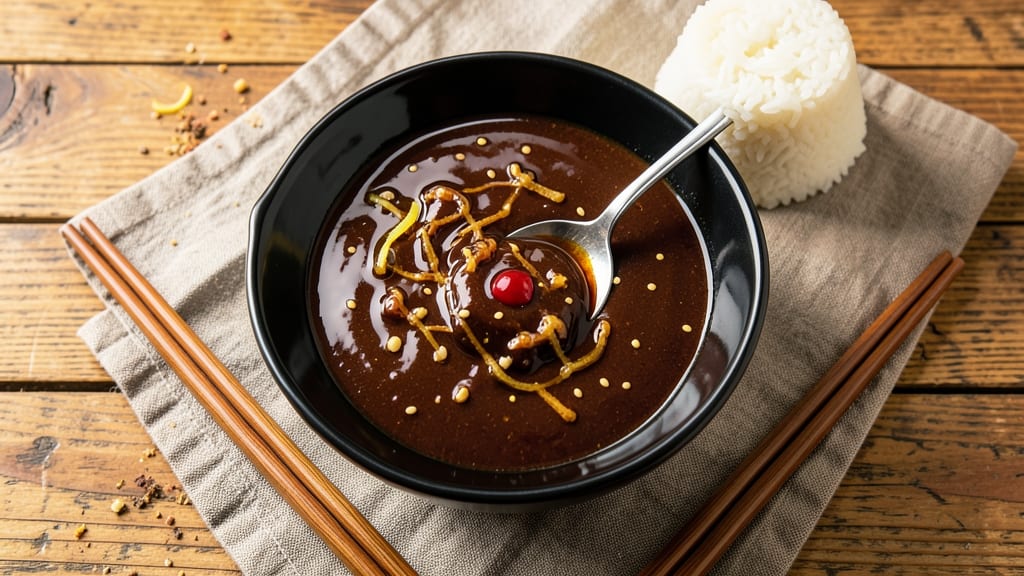
This authentic Chinese garlic sauce recipe transforms simple stir-fries into restaurant-quality meals with its deep umami flavor and aromatic garlic notes. The secret lies in low-heat reduction, which develops complex layers of taste while preserving the natural sweetness of garlic. I've perfected this technique over years of testing, ensuring every spoonful delivers that signature balance of savory, tangy, and slightly sweet flavors.
The sauce begins with high-quality garlic sautéed until fragrant but never burned—a critical step for authentic flavor. Soy sauce forms the base, while rice vinegar adds brightness and sugar rounds out the depth.
Optional chili oil or sesame oil can be added for heat or nutty richness, depending on your preference. This versatile sauce elevates everything from noodles to grilled meats, making it a staple in any kitchen.
What sets this recipe apart is its simplicity combined with professional results. With just 10 minutes of active prep and 15 minutes of simmering, you'll have a sauce that's richer than store-bought versions.
The key is patience—letting the sauce reduce slowly intensifies the flavors, creating that unmistakable umami-packed depth that defines Chinese cuisine.
Store leftovers in the fridge for up to 1 week, or freeze for 3 months—perfect for meal prep. Whether you're cooking stir-fries, marinating proteins, or drizzling over rice, this sauce will become your new go-to for bold, authentic flavor. Let's get started!
Ingredients for authentic chinese garlic sauce
Nine ingredients transform any stir-fry into restaurant-quality with bold umami depth.
| Ingredient | Amount | Notes |
|---|---|---|
| Fresh Garlic Cloves 🧄 | 8 whole | Peeled, minced finely for authentic aroma |
| Light Soy Sauce 🍶 | ½ cup | Kikkoman preferred for balance |
| Dark Soy Sauce 🍶 | 1 tbsp | For deeper umami richness |
| Rice Vinegar 🍶 | 2 tbsp | Seasoned variety adds subtle sweetness |
| Granulated Sugar 🍚 | 1 ½ tbsp | Balances acidity, don't substitute |
| Cornstarch 🌾 | 1 tsp | Slurry with 1 tbsp water for thickening |
| Sesame Oil 🫒 | 1 tsp | Toasted for nutty aroma (optional) |
| Chili Oil 🌶️ | 1 tsp | For heat, use high-quality Chinese |
| Neutral Oil 🫒 | 1 tbsp | Peanut or vegetable for sautéing |
| Fresh Ginger 🧅 | 1 tsp | Grated finely for subtle warmth |
Garlic is the heart of this sauce—use fresh, never pre-minced. The Kikkoman brand soy sauces deliver that authentic balance, but any quality light/dark soy works. For rice vinegar, seasoned varieties add subtle sweetness that cuts through the garlic's intensity. Ginger is optional but worth adding—it rounds out the garlic's sharpness beautifully. I always grab garlic from the Asian market section at Trader Joe's—it's fresher than the regular produce aisle.
No light soy sauce? Substitute with extra dark soy plus a pinch of sugar. Skip the chili oil for a milder version, but toasted sesame oil is non-negotiable for that signature aroma. The cornstarch slurry is crucial—don't skip it unless you want a runny sauce. For extra depth, add a splash of Shaoxing wine (find it in the Asian foods aisle). The sugar must be granulated—powdered won't dissolve properly. And if you're feeling fancy, toast the garlic in the oil first to develop those amazing caramelized notes.
This sauce keeps beautifully—1 week in the fridge sealed tightly, or 3 months frozen in ice cube trays for single-use portions. The flavors actually improve after a day in the fridge as everything melds. I always make double batches because it disappears fast—perfect for drizzling over noodles, marinating proteins, or even mixing into soups. For extra richness, stir in a spoonful of peanut butter (trust me on this one).
Why You'll Love This Recipe
- Five-Ingredient Magic: I swear by this combo—minced garlic, just a splash of vinegar, and those two soy sauces (light for brightness, dark for depth). No fancy gadgets, no stress. Honestly, it’s the kind of sauce where you can taste each ingredient clearly, not just some muddled mess.
- Umami Bomb: That balance of salty, sweet, and tangy? It’s ridiculously good. The dark soy adds a caramelized richness, while the rice vinegar cuts through—like a little flavor party in your mouth. Between us, it’s the kind of sauce that makes you want to eat everything with it.
- Weeknight Superhero: Slap this on stir-fries, noodles, or even grilled meats—it’s my go-to for busy nights. (Yes, even on a Tuesday when takeout feels impossible.) And the best part? It doubles as a marinade or dipping sauce, so you’re always covered.
- Pantry Goldmine: A jar of this lasts me weeks, and it’s dirt cheap to make. No fancy ingredients, just basics you’re already buying. I’ll be real: I’ve used it to dress up cheap protein, turn leftovers into something exciting, and still have enough for next week’s lunch. Budget win.
Step-by-step instructions for authentic Chinese garlic sauce
This sauce delivers restaurant-quality umami depth with just 10 minutes of active work.
Prepare the Garlic and Ginger Base
Mince the 8 whole fresh garlic cloves finely using a sharp knife or microplane—you want a paste-like consistency that releases maximum aroma when cooked. In a small bowl, combine the minced garlic with the 1 teaspoon freshly grated ginger. Let this mixture sit for 5 minutes while you prepare the rest—this allows the ginger's natural oils to mingle with the garlic, intensifying their flavor.
Real talk: Don't skip the mincing. Whole garlic cloves won't infuse properly, and you'll end up with a sauce that tastes more like garlic breath than authentic umami. The goal is to create a smooth, flavorful paste that will melt into the sauce without any texture.
Sauté the Aromatics in Neutral Oil
Heat the 1 tablespoon neutral oil in a small saucepan over medium heat until shimmering but not smoking. Add the garlic-ginger mixture and sauté for exactly 30 seconds, stirring constantly. You'll see the mixture foam and bubble—this is when the garlic releases its sweet, pungent aroma.
Here's the thing—don't let it brown. Garlic burns in seconds, turning bitter and acrid. Watch closely and remove from heat immediately if it starts to darken. The sauce should smell like a bustling Chinese wok, not a charred campfire.
Combine Wet Ingredients and Simmer
Reduce heat to low and add the 0.5 cup light soy sauce, 1 tablespoon dark soy sauce, and 2 tablespoons rice vinegar all at once. Stir well to combine, then add the 1.5 tablespoons granulated sugar. Let the mixture simmer gently for 3 minutes, stirring occasionally. You'll notice the sauce darken slightly as the sugars caramelize.
This is where the magic happens. The dark soy sauce adds depth, the rice vinegar brightens, and the sugar balances the acidity. Taste after 3 minutes—it should be tangy, slightly sweet, and deeply savory. If it's too sharp, add a pinch more sugar. If it's too flat, a splash more vinegar will wake it up.
Thicken and Finish with Oils
In a separate small bowl, whisk together the 1 teaspoon cornstarch with 1 tablespoon water to create a smooth slurry. Slowly pour this into the simmering sauce while stirring constantly. The sauce should thicken immediately—it should coat the back of a spoon but still be pourable. If it's too thick, add 1 tablespoon water at a time until you reach the perfect consistency.
Remove from heat and stir in the 1 teaspoon toasted sesame oil and 1 teaspoon chili oil. The sesame oil adds nutty warmth, while the chili oil brings just the right amount of heat. Let the sauce sit for 2 minutes to allow all the flavors to meld together. The aroma should be complex—garlicky, umami-rich, with a hint of spice and sweetness.
Rest and Serve
Transfer the sauce to a clean jar or bowl and let it rest at room temperature for at least 10 minutes before using. This resting period allows the flavors to fully develop and the sauce to reach its peak balance. The texture should be glossy and smooth, with no graininess from the cornstarch.
Use this sauce immediately over stir-fries, noodles, or dumplings for maximum impact. Store any leftovers in the refrigerator for up to 5 days, but I promise you won't have any leftovers—this sauce disappears fast in my kitchen.
Pro Tips For Making Authentic Chinese Garlic Sauce
- MINCE THAT GARLIC: I learned this the hard way—chopping garlic cloves into a paste instead of mincing them changes everything. Use a knife to smash the cloves flat first, then finely chop into a thick paste (about 1/4-inch pieces). This releases more flavor and blends better than uneven chunks.
- LOW AND SLOW SIMMER: Don’t rush the sauce—after adding the soy sauces, reduce heat to the lowest setting and let it bubble gently for 10-15 minutes. Skipping this step leaves it raw-tasting; the sugar needs time to caramelize and meld with the garlic.
- DARK SOY SAUCE FIRST: Add the dark soy sauce before the light soy sauce—it’s thicker and needs to dissolve fully. Stir it in first, let it cook for 2 minutes, then add the light soy sauce. This prevents clumping and ensures an even, glossy finish.
- VINEGAR LAST, STIR FAST: Add the rice vinegar only at the very end, then stir like you’re trying to win a race. The acid cooks off instantly, so don’t let it sit—this keeps the garlic bright and the sauce balanced, not sour or flat.
Serving suggestions for leftovers
Noodle Perfection
This sauce transforms simple noodles into a restaurant-worthy dish. Toss 8 ounces fresh lo mein noodles with 2 tablespoons neutral oil in a wok over high heat until golden. Add ½ cup cooked shrimp or chicken and stir-fry for 1 minute.
Pour in ¼ cup garlic sauce and toss until everything is evenly coated. Garnish with 2 green onions, sliced diagonally. 🥢
For extra richness, add 1 tablespoon peanut butter to the sauce before tossing with noodles. The nutty depth pairs beautifully with the umami. I love serving this with a side of quick-pickled cucumbers to balance the heat and richness.
Dumpling Drizzle
Drizzle 1-2 teaspoons of this sauce over steamed or pan-fried dumplings right before serving. The sauce clings to the dumplings, creating a glossy finish that enhances their flavor. I recommend using pan-fried pork dumplings for maximum texture contrast. 🥟
For a fusion twist, brush the sauce on potstickers before pan-frying. The garlic sauce caramelizes beautifully on the crispy bottom, adding a sweet-savory depth that pairs perfectly with the fluffy filling.
Grilled Protein Glaze
Use this sauce as a marinade or finishing glaze for grilled meats. Brush 2-3 tablespoons onto chicken thighs or pork chops before grilling, or drizzle over grilled salmon at the end. The sauce caramelizes beautifully on high heat, creating a sticky, flavorful crust. 🍖
For extra flavor, marinate proteins in ¼ cup sauce for 30 minutes before grilling. The garlic and soy infuse the meat, resulting in juicy, aromatic bites. I love serving grilled chicken with steamed jasmine rice and a side of stir-fried bok choy.
Rice Bowl Elevator
Turn simple rice bowls into gourmet meals by drizzling 1-2 tablespoons of this sauce over steamed jasmine rice. Top with your choice of protein—grilled shrimp, sliced chicken, or tofu—and add steamed vegetables like broccoli or snap peas. The sauce's umami richness ties all the elements together. 🍚
For a vegetarian option, mix the sauce with ½ cup silken tofu and stir-fry with bell peppers and mushrooms. The sauce adds a savory depth that makes the dish feel hearty and satisfying.
Appetizer Dip
Thin the sauce with 1-2 tablespoons water and use it as a dip for spring rolls, egg rolls, or fresh vegetables. Serve with crispy wonton chips for a perfect appetizer. The sauce's balance of sweet, savory, and slightly spicy flavors makes it irresistible. 🥥
For a fusion twist, mix the sauce with ½ cup Greek yogurt to create a creamy garlic dip. It's perfect for veggie platters or as a topping for loaded fries. The yogurt cools the heat while enhancing the garlic's aroma.
Nutrition facts
Frequently asked questions
Can I make this sauce without dark soy sauce?
Yes, but you'll lose some depth. Replace the 1 tablespoon dark soy sauce with 1 tablespoon extra light soy sauce plus ½ teaspoon molasses or honey for color and richness. The flavor won't be identical, but it'll still taste delicious. Dark soy adds that signature umami depth that's hard to replicate.
How do I prevent the sauce from being too salty?
Taste as you go! After adding the soy sauce, simmer for 1-2 minutes before adding sugar or vinegar. If it's too salty, thin with 1-2 teaspoons water and add ½ teaspoon sugar to balance. The cornstarch slurry also helps dilute saltiness slightly. For future batches, reduce soy sauce by 1 tablespoon if you're sensitive to salt.
Can I use garlic powder instead of fresh garlic?
Not for authentic flavor—fresh garlic is essential! The sauce needs that complex, aromatic depth that only fresh garlic provides. If you're short on time, minced garlic from a jar (rinsed well) works better than powder, but it won't be as flavorful. For a shortcut, try garlic paste (like the kind used in Asian markets) in a pinch.
What's the best way to store leftovers?
Transfer to an airtight container and refrigerate for up to 5 days. For longer storage, freeze in 1-tablespoon portions using ice cube trays—perfect for single-use applications. Thaw overnight in the fridge. The sauce actually improves after 24 hours as flavors meld, but it's best used fresh for maximum brightness.
How can I adjust the heat level?
For milder heat, reduce chili oil to ½ teaspoon or omit it entirely. For extra spice, add ½ teaspoon chili flakes or 1 teaspoon sriracha at the end. If you love heat, try 1 teaspoon doubanjiang (spicy fermented bean paste) instead of chili oil for a deeper, more complex spice profile.