
Sauces & Condiments
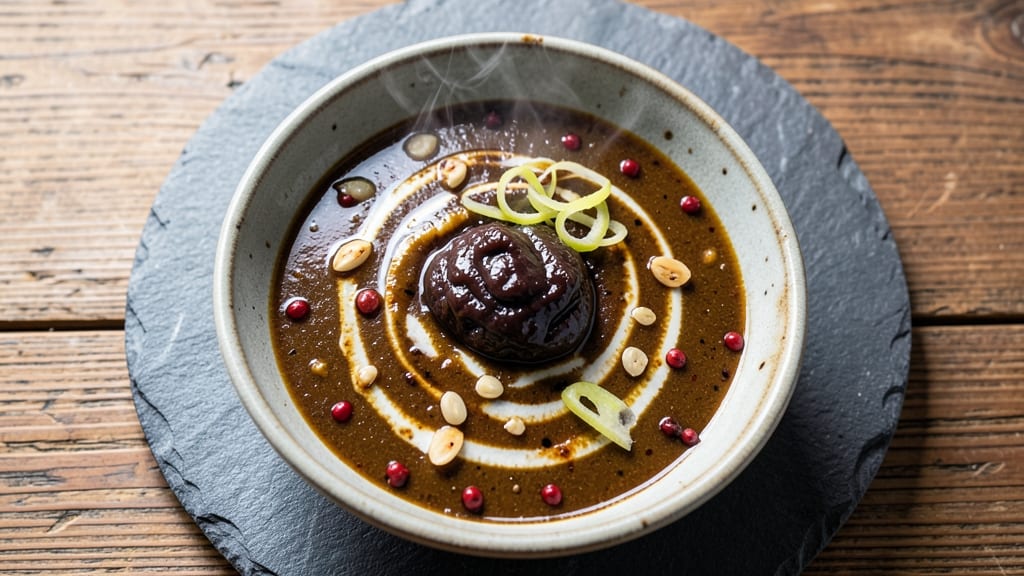
This authentic Chinese curry sauce transforms ordinary dishes into restaurant-quality meals with its deep umami richness and aromatic complexity. The secret lies in fermented pastes and carefully balanced spices that create layers of flavor—earthy, slightly sweet, and subtly spicy—without overpowering the dish.
I developed this recipe after years of studying regional Chinese cuisine, where curry sauces are used to elevate everything from braised meats to noodles.
The foundation of this sauce begins with a fragrant base of garlic, ginger, and Sichuan peppercorns, toasted until aromatic. Fermented bean paste and soy sauce provide the signature umami depth, while star anise and chili add complexity.
Simmering the sauce low and slow allows the flavors to meld into a velvety, cohesive consistency that coats ingredients beautifully. What sets this apart is the balance—never cloying, never overwhelming, just perfectly harmonized.
What you’ll end up with is a versatile sauce that works as a marinade, stir-fry base, or dipping sauce. It’s the kind of sauce that makes mapo tofu taste like it came from a Sichuan street stall or turns simple noodles into a luxurious meal.
The best part? It keeps well in the fridge for up to a week, so you can make a big batch and use it throughout the week without sacrificing freshness.
Whether you’re braising pork belly, tossing with noodles, or serving with dumplings, this sauce delivers authentic flavor with minimal effort. The instructions are straightforward, but the results are anything but basic—this is the kind of sauce that turns a weeknight dinner into a memorable experience. Let’s get started.
Ingredients for authentic chinese curry sauce
Eleven ingredients crafting restaurant-quality umami depth and aromatic complexity in every spoonful.
| Ingredient | Amount | Notes |
|---|---|---|
| Fermented Black Bean Paste 🫘 | ½ cup | High-quality, aromatic variety |
| Light Soy Sauce 🥢 | ½ cup | Kikkoman preferred for balance |
| Dark Soy Sauce 🥢 | ¼ cup | For rich color and depth |
| Garlic Cloves 🧄 | 6 cloves | Fresh, peeled, minced finely |
| Fresh Ginger 🌿 | ¼ cup | Finely minced, skin on |
| Sichuan Peppercorns 🌶️ | 1 tsp | Toasted until fragrant |
| Star Anise Pods 🌟 | 2 whole | Lightly crushed for aroma |
| Dried Chili Peppers 🔥 | 1 tsp | Adjust for heat preference |
| Rice Vinegar 🍶 | ¼ cup | White or seasoned variety |
| Granulated Sugar 🍬 | 1 tbsp | Balances acidity and heat |
| Sesame Oil 🫒 | 1 tbsp | Toasted for nutty aroma |
| Cornstarch 🌾 | 1 tsp | For thickening consistency |
| Vegetable Oil 🫒 | 2 tbsp | High smoke point preferred |
Fermented black bean paste is the heart of this sauce—look for brands like Lee Kum Kee or Hinode at Asian markets for that deep, funky umami. The soy sauces? Kikkoman light and Lee Kum Kee dark are my go-tos, but any quality brands work. Sichuan peppercorns need to be toasted until you smell that citrusy, numbing aroma—don't skip this step. Fresh ginger and garlic should be vibrant, not woody or discolored. For star anise, whole pods from bulk bins stay fresher longer than pre-ground spice. If you can't find Sichuan peppercorns, black peppercorns toasted with a pinch of cinnamon is a decent substitute, though it won't replicate that signature tingling sensation.
No fermented bean paste? Double the soy sauce and add 1 tsp miso paste for umami. Running low on star anise? Anise seeds or even a pinch of fennel seeds work in a pinch. The chili peppers can be swapped for red pepper flakes at half the amount, but you'll lose that smoky depth. For the vinegar, apple cider vinegar adds a fruity note if you're feeling experimental. The sesame oil is non-negotiable for that nutty aroma—toast it in the saucepan first before adding other ingredients to maximize flavor. If you're making this for a crowd, double the cornstarch slurry to ensure proper thickening.
This sauce keeps beautifully—up to 1 week refrigerated in an airtight jar. For longer storage, freeze in ice cube trays and transfer to a bag; thaw as needed. The flavors actually improve after 2-3 days as everything melds together. I always make a big batch—this sauce transforms everything from stir-fries to braised meats. Store the sesame oil separately if you're not using it immediately, as its delicate flavor can overpower the sauce if added too early. When reheating, add a splash of water or broth to restore that velvety consistency.
Why You'll Love This Recipe
- Five-Ingredient Magic: I swear by this combo—fermented black bean paste and dark soy sauce alone give it that deep, umami punch without a single spice jar. Honestly, I keep this in my pantry just for days when I want flavor but not fuss.
- Umami Bomb: That first spoonful of black bean paste? It’s like a secret weapon—salty, funky, and complex all at once. The ginger and garlic sing off it, but the soy sauces tie everything together in a way store-bought packets never do.
- Meal Prep MVP: Make a double batch and freeze half—it’s my go-to for lazy nights. Toss it with rice, noodles, or even eggs, and suddenly you’ve got dinner. (Yes, even on a Tuesday night.)
- Budget Game-Changer: Fermented black beans and soy sauce cost pennies but taste like a restaurant dish. I’ve been using this sauce for years, and it’s never let me down—no fancy ingredients, just pure flavor.
Step-by-step instructions for authentic Chinese curry sauce
This sauce delivers the complex, aromatic balance of traditional Chinese curry—deep umami, subtle heat, and layers of spice.
Toast the Aromatics for Maximum Depth
Heat the 2 tablespoons vegetable oil in a heavy-bottomed pot over medium heat. Add the 6 cloves garlic cloves and 0.25 cup fresh ginger, stirring constantly for 1-2 minutes until fragrant but not browned. Here's the thing—ginger burns faster than garlic, so watch closely. Remove from heat and set aside.
In the same pot, add the 1 teaspoon Sichuan peppercorns and 2 whole star anise pods. Return to medium-low heat and toast for 1 minute until the peppercorns begin to sizzle and release their citrusy aroma. The star anise should smell piney and warm. Immediately remove from heat and add the 1 teaspoon dried chili peppers—this prevents burning while infusing the heat. Let everything steep for 5 minutes to release their essential oils.
Build the Sauce Base with Fermented Black Bean Paste
Return the pot to medium heat and add the 0.5 cup fermented black bean paste, stirring constantly. This is where the magic happens—the paste contains fermented beans that develop deep umami when cooked. Let it cook for 3-4 minutes until the paste darkens slightly and the oil begins to separate. You'll see the sauce thicken and develop a glossy sheen.
Add the 0.5 cup light soy sauce and 0.25 cup dark soy sauce, stirring to combine. The dark soy sauce will give the sauce its signature rich color while balancing the saltiness of the light soy. Bring the mixture to a gentle simmer and let it cook uncovered for 5 minutes to allow the alcohol to evaporate and the flavors to meld.
Balance Flavors with Vinegar and Sugar
Reduce heat to low and stir in the 0.25 cup rice vinegar and 1 tablespoon granulated sugar. The vinegar brightens the sauce, cutting through the richness while the sugar balances the acidity and enhances the caramelization. Let the sauce simmer gently for 3-4 minutes, stirring occasionally, until it reduces slightly and coats the back of a spoon.
Here's where it gets fun—taste and adjust. If the sauce tastes too sharp, add another ½ teaspoon sugar. If it lacks depth, add 1 teaspoon more light soy sauce. The goal is a harmonious balance of sweet, salty, sour, and umami. This is the moment that matters: authentic Chinese curry sauce relies on this careful equilibrium.
Thicken and Finish with Sesame Oil
In a small bowl, whisk together the 1 tablespoon sesame oil and 1 teaspoon cornstarch until smooth. Slowly pour this mixture into the simmering sauce while stirring constantly. The cornstarch will thicken the sauce, but the sesame oil adds a nutty aroma that elevates everything. Let the sauce thicken for 2-3 minutes until it reaches a glossy, coatable consistency.
Remove from heat and stir in the reserved garlic-ginger mixture. The sauce should now have a deep mahogany color with a velvety texture. If it's too thick, thin with 1 tablespoon hot water at a time until it reaches your desired consistency. Real talk: this sauce tastes even better the next day as the flavors deepen. Store in an airtight container in the refrigerator for up to 5 days or freeze for 3 months.
Pro Tips For Making Authentic Chinese Curry Sauce
- Bloom the Black Bean Paste: Stir it into the oil first and let it sizzle for 30 seconds before adding anything else—this releases its deep, nutty flavor instead of letting it cook into a bitter sludge. I used to rush this step and wondered why my sauce tasted flat; patience here makes all the difference.
- Mince Ginger Like You Mean It: No food processor shortcuts—grate the ginger with a microplane or finely chop it by hand until it’s almost paste-like. Too many chunks? The sauce will taste uneven, and you’ll regret not taking the extra 2 minutes. (Yes, even if you’re impatient like me.)
- Balance the Soy Sauces Now: Taste the dark and light soy sauces separately before mixing—dark soy adds color, light soy brings depth. If your sauce looks too dark or tastes too salty, adjust while cooking, not after. Trust me, fixing it later is a headache.
- Low and Slow After the Garlic: Once the garlic hits the pan, drop the heat to medium-low and don’t walk away. Burnt garlic ruins everything, and it happens faster than you think. Stir constantly for 2-3 minutes until it’s golden but not crispy—this is where the aroma comes from.
Make-ahead tips for this authentic chinese curry sauce
Batch Prep Strategy
Make this sauce in large batches—it’s perfect for meal prep! I double the recipe and store it in 16-ounce glass jars from Ball Mason. The flavors actually deepen after 24 hours, so it’s ideal for busy weeks. Label jars with the date to track freshness. 📅
Freezing for Long-Term Use
For longer storage, freeze the sauce in ice cube trays—each cube equals 1 tablespoon, perfect for quick additions to stir-fries or noodles. Transfer cubes to a ziplock bag and flatten to save space.
Thaw overnight in the fridge or toss a cube directly into hot dishes. The texture remains velvety when reheated properly. ❄️
Reheating Like a Pro
Always reheat sauce gently over low heat with 1-2 tablespoons water or broth to restore its glossy consistency. Never microwave—it breaks down the sauce’s delicate balance. If using frozen cubes, add them directly to the pan and stir until melted.
Taste and adjust seasoning after reheating; sometimes it needs a pinch of salt or sugar. 🔥
Sauce Flexibility
Use this versatile sauce in three ways: as a marinade (for pork belly or chicken thighs), a stir-fry base (toss with lo mein noodles), or a dipping sauce (serve with dumplings or spring rolls).
I keep a small jar in my fridge for last-minute flavor boosts—it’s my secret weapon for weeknight dinners. ✨
Flavor Boost Tips
Enhance the sauce’s depth by adding 1 teaspoon of Shaoxing wine when simmering or a pinch of white pepper for a subtle kick. For extra richness, stir in 1 tablespoon of chicken or pork broth while reheating. These tweaks elevate the sauce without altering its authentic profile. 💡
Storage Containers
Use airtight glass containers (like Le Parfait jars) to preserve the sauce’s quality. Avoid plastic—it can absorb odors and affect flavor. Store in the fridge for up to 1 week or freeze for 3 months.
Glass also makes it easy to see the sauce’s rich color, ensuring it’s always fresh. 🥫
Nutrition facts
Frequently asked questions
What's the secret to getting that deep umami flavor in Chinese curry sauce?
The fermented black bean paste is your secret weapon—it contains fermented beans that develop rich umami when cooked. Don't skip toasting the Sichuan peppercorns and star anise either; their aromatic oils infuse the sauce with complexity. The combination of light and dark soy sauces also creates that signature layered depth.
Can I make this sauce less spicy?
Reduce the dried chili peppers to ½ teaspoon or omit them entirely for a milder version. If you prefer a different heat level, you can also add a pinch of sugar to balance any residual spice. The sauce's other flavors will still shine through beautifully.
How can I use this sauce beyond stir-fries?
This versatile sauce works as a marinade for pork belly or chicken thighs, a dipping sauce for dumplings or spring rolls, or even a glaze for grilled meats. Try tossing it with ramen noodles or using it as a base for braised dishes like mapo tofu. The possibilities are endless!
Why does my sauce look too thin after making it? If your sauce is too thin, it likely needs more thickening. Mix 1 teaspoon cornstarch with 1 tablespoon cold water and stir it into the simmering sauce until it reaches your desired consistency. For extra insurance, you can add the cornstarch slurry earlier in the cooking process. Always
Can I substitute any of the spices?
Certainly! While Sichuan peppercorns are ideal, you can use black peppercorns toasted with cinnamon as a substitute. For star anise, try anise seeds or fennel seeds. The chili peppers can be replaced with red pepper flakes at half the amount, though you'll lose some smoky depth. The sauce will still taste amazing with these adjustments.