
Sauces & Condiments
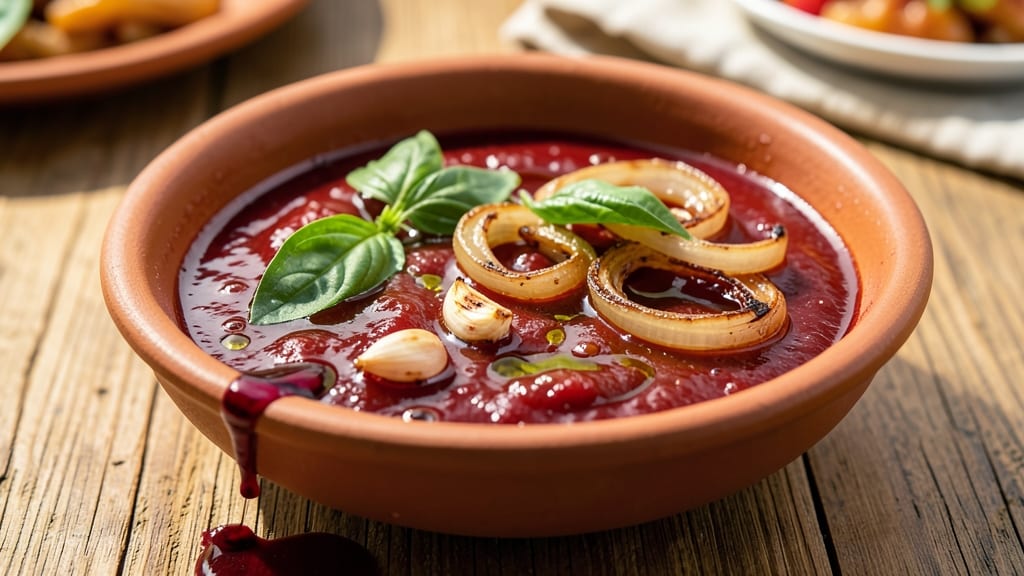
This authentic marinara sauce recipe from scratch delivers the depth of a Neapolitan trattoria without canned shortcuts—just simmered tomatoes, aromatic garlic, and fresh herbs that transform simple ingredients into something extraordinary.
After years of perfecting the balance between sweetness and acidity, I’ve created a sauce that’s rich yet bright, with a velvety texture that clings to every forkful. The secret lies in slow-cooking the tomatoes until their natural sugars caramelize, creating layers of flavor that store-bought versions simply can’t match.
The foundation of this sauce is high-quality canned tomatoes—San Marzano if you can find them—simmered with olive oil, garlic, and a splash of red wine for depth.
As the sauce reduces, the flavors intensify, and the addition of fresh basil at the end ensures that bright, herbaceous finish that defines authentic marinara. This isn’t just a sauce; it’s a flavor experience that elevates any dish, from classic pasta to grilled meats or crusty bread.
What sets this recipe apart is its simplicity and versatility. With just 10 minutes of prep and 30 minutes of simmering, you’ll have a sauce that’s restaurant-quality yet effortless to make. The key is patience—letting the tomatoes break down gradually so the sauce develops that unmistakable depth.
Store it in the fridge for up to a week or freeze for months, so you always have a taste of Italy at your fingertips.
Whether you’re serving it over al dente pasta, drizzling it on bruschetta, or using it as a base for lasagna, this marinara sauce is the kind of foundation that turns ordinary meals into something special. Let’s get started—your taste buds will thank you.
Ingredients for authentic marinara sauce recipe from scratch
Simmered tomatoes, aromatic garlic, and fresh herbs transform simple pantry staples into extraordinary marinara sauce.
| Ingredient | Amount | Notes |
|---|---|---|
| San Marzano Tomato Crushed (400g can) 🍅 | 2 cans | High-quality, no salt added |
| Extra-Virgin Olive Oil 🫒 | ½ cup | Fruity, peppery variety preferred |
| Garlic Cloves 🧄 | 4 cloves | Freshly peeled, thinly sliced |
| Red Wine 🍷 | ¼ cup | Bold dry variety like Cabernet |
| Fresh Basil Leaves 🌿 | ½ cup | Packed, stems removed |
| Onion (Yellow) 🧅 | 1 whole | Diced, medium size preferred |
| Canned Tomato Paste 🍅 | 2 tbsp | No salt added, smooth texture |
| Diamond Crystal Kosher Salt 🧂 | 1 tsp | Fine grain preferred |
| Freshly Ground Black Pepper 🌶️ | ½ tsp | Freshly cracked preferred |
| Granulated Sugar 🍚 | 1 tbsp | Balances acidity |
San Marzano tomatoes are the holy grail here—their sweet, meaty texture gives depth no other canned tomato can match. Whole Foods or Italian markets usually carry them, but any high-quality canned tomatoes work in a pinch. The garlic should be fresh, not pre-minced (that stuff oxidizes fast). I always grab a whole bulb and peel the cloves myself—takes 30 seconds, but the flavor difference is noticeable. For the olive oil, California extra-virgin brands like Corto or Lucini elevate the sauce, but even a good supermarket EVOO will work. The red wine adds complexity, so don't skip it—any bold dry red will do, but Cabernet Sauvignon is my go-to for its structure.
No San Marzano tomatoes? Crushed tomatoes in a 28oz can work, but you'll need to strain out the skins for a smoother texture. Fresh basil is ideal, but dried basil at one-third the amount gets you close if you're out. The tomato paste can be substituted with an extra 1/4 cup crushed tomatoes, though it won't be as concentrated. For the onion, red onion adds sweetness if you prefer that, but yellow is traditional. The sugar is crucial—it balances the acidity from the tomatoes and wine, so don't omit it. If you're concerned about sweetness, start with 1/2 tbsp and adjust to taste. The salt should be added gradually—taste as you go, especially if using no-salt-added tomatoes.
This sauce tastes even better the next day as the flavors meld. Store it in an airtight container in the fridge for up to 7 days, or freeze for 3 months in portions. I like to freeze it in 1-cup ice cube trays—perfect for single servings later. For best texture, bring it to room temperature before reheating. A splash of water or a pinch of salt can revive it if it thickens too much. The sauce thickens as it cools, so don't worry if it looks too thin when hot—it'll come together beautifully.
Why You'll Love This Recipe
- No-Fuss Simplicity: I swear by this recipe because it’s the kind of sauce that doesn’t demand perfection—just a can of San Marzano tomatoes, a splash of red wine, and a quick simmer. Honestly, the hardest part is deciding whether to mince the garlic or just smash the cloves with the side of your knife.
- Wine-Infused Depth: That splash of red wine? It’s not just for show—it softens into a rich, earthy backbone that makes this sauce taste like it simmered all day. The crushed tomatoes and fresh basil finish it with brightness that actually makes you reach for seconds.
- Weeknight to Dinner Party: Between us, this sauce works for pasta on a Tuesday and as a showstopper under a rack of lamb on Saturday. The secret? It’s bold enough to stand alone but flexible enough to adapt—add a pinch of sugar if you’re serving it with seafood, or a drizzle of olive oil for extra richness.
- Leftovers That Don’t Suck: I make a double batch every time because this sauce doesn’t lose its magic in the fridge. Freeze half for lazy nights, and the other half? Still tastes like you slaved over it when reheated gently. (Yes, even on a Tuesday night.)
Step-by-step instructions for authentic from-scratch marinara sauce
Here's how to build rich, layered flavor from scratch—no shortcuts, just pure tomato depth.
Sauté Onion and Garlic Until Translucent
Heat the 0.5 cup extra-virgin olive oil in a heavy saucepan over medium-low heat. Add the 1 whole diced yellow onion and cook for 8-10 minutes, stirring occasionally, until the onion softens and becomes translucent. This slow cooking prevents burning and develops sweetness.
Push the onions to one side of the pan and add the 4 cloves thinly sliced garlic. Cook for 30-60 seconds until fragrant but not browned—garlic burns quickly, and you want that sweet, mellow flavor. Here's the thing: if the garlic starts to color too quickly, reduce the heat slightly and keep stirring. You're building the aromatic foundation for everything that follows.
Deglaze with Red Wine and Add Tomato Paste
Pour in the 0.25 cup bold red wine and scrape up any browned bits from the bottom of the pan with a wooden spoon. This deglazing step captures all the flavor you've built so far. Let the wine simmer for 2-3 minutes until it reduces by half and the alcohol burns off completely—you'll smell it evaporating.
Lower the heat to medium-low and stir in the 2 tablespoons canned tomato paste. Cook for 2 minutes, stirring constantly, until the paste darkens slightly and the raw taste disappears. This step deepens the sauce's complexity and balances the acidity of the tomatoes. Don't skip it—this is where the sauce gets its authentic, concentrated flavor.
Add Tomatoes and Simmer Until Thickened
Pour in the 2 cans crushed San Marzano tomatoes, breaking up any large chunks with your hands. Stir in the 1 tablespoon granulated sugar, 1 teaspoon kosher salt, and 0.5 teaspoon freshly ground black pepper. The sugar isn't just for sweetness—it helps balance the natural acidity of the tomatoes and prevents the sauce from becoming too sharp.
Bring the sauce to a gentle simmer and let it cook uncovered for 25-30 minutes, stirring occasionally. You're looking for a sauce that coats the back of a spoon and has thickened noticeably. Real talk: the first 15 minutes might feel slow, but patience is key—this is where the flavors meld and develop. If the sauce reduces too quickly, add 1-2 tablespoons water to maintain the right consistency.
Finish with Fresh Basil and Adjust Seasoning
Remove the sauce from heat and stir in the 0.5 cup fresh basil leaves. Let it steep for 5 minutes—this infuses the sauce with bright, fresh basil flavor without overpowering it. Taste and adjust the seasoning if needed. You might need a pinch more salt or a splash of red wine to balance the acidity, depending on your tomatoes.
For the best texture, I like to blend the sauce briefly with an immersion blender to smooth it out while keeping some natural tomato texture. If you prefer it completely smooth, transfer it to a regular blender and pulse until desired consistency. The sauce should be vibrant red, glossy, and rich with layered flavors—this is the hallmark of an authentic, from-scratch marinara.
Rest and Serve for Maximum Flavor
Let the sauce rest for 10-15 minutes before serving. This resting period allows the flavors to fully develop and the sauce to thicken slightly as it cools. I know it's tempting to serve it immediately, but trust me—this step makes a difference in the final result.
Serve the marinara warm over pasta, drizzled with a little more extra-virgin olive oil, or use it as a base for other Italian dishes. The sauce should be vibrant, balanced, and full of depth—no canned shortcuts here, just pure, authentic flavor built from scratch.
Pro Tips For Making Authentic Marinara Sauce Recipe From Scratch
- Sweat the Garlic Low: After burning three batches, I finally figured out that garlic needs patience—sauté it in olive oil over low heat until it’s golden, not browned. High heat turns it bitter fast, and you’ll taste it in every bite.
- Crush Tomatoes by Hand: Skip the can’s ridges—drain the San Marzano tomatoes and crush them by hand with your fingers. The texture stays chunkier, and you avoid the slimy bits that come from shaking the can.
- Deglaze with Red Wine: After cooking the garlic, pour in just enough red wine to moisten the pan—about ½ cup—and let it reduce by half before adding tomatoes. This builds depth; skipping it leaves the sauce flat.
- Finish with Whole Basil: Toss in a handful of whole basil leaves at the end (not chopped) and simmer for 30 seconds—just enough to perfume the sauce without turning it bitter. I was skeptical until I tried it.
Flavor customization for these flavors
Herb Variations
Swap out basil for other fresh herbs to create completely different flavor profiles. Try 1/4 cup fresh oregano for a robust, Mediterranean twist—it pairs beautifully with grilled meats. For a brighter, almost summery sauce, add 1/4 cup chopped parsley along with the basil.
I love using thyme sprigs (about 2 tbsp) for a more rustic, French-inspired marinara that works perfectly with roasted chicken. 🌿
Spice Infusions
Add heat with 1/2 teaspoon red pepper flakes for a classic Italian kick, or go bold with 1/2 teaspoon crushed fennel seeds for a licorice-like depth that complements seafood. For a smoky twist, stir in 1/2 teaspoon smoked paprika during the simmering phase.
I often keep a small jar of Calabrian chili paste on hand—just 1 teaspoon adds intense, fruity heat that transforms this sauce into something truly special. 🌶️
Umami Boosters
Elevate the sauce's depth with umami-rich ingredients. Stir in 1 tablespoon soy sauce or 1 teaspoon fish sauce during the simmer for a subtle savory boost (trust me, it works!).
For a more traditional approach, add 1/4 cup finely chopped sun-dried tomatoes along with the fresh tomatoes—they add concentrated sweetness and a chewy texture. I also love adding 1/2 teaspoon balsamic vinegar at the end for an extra layer of complexity that balances the acidity beautifully. 💫
Sweet-Tangy Balance
Adjust the sweet-tangy ratio to suit your taste. For a more pronounced sweetness, add 1 extra tablespoon of sugar or swap it for 1 tablespoon honey. To increase tang, add 1 extra tablespoon of red wine vinegar or a splash of balsamic glaze at the end.
I once added 1/4 cup pineapple juice to the simmering sauce—it might sound unusual, but the tropical sweetness creates a surprisingly delicious fusion that works perfectly with shrimp or grilled chicken. 🍍
Creamy Variations
Transform your marinara into a creamy sauce by stirring in 1/4 cup heavy cream or 1/2 cup ricotta cheese at the end. For a lighter option, blend in 1/4 cup Greek yogurt after simmering.
I love this variation for pasta dishes or as a dip—it adds a luxurious texture while keeping the authentic tomato flavor. If you want to keep it dairy-free, use 1/4 cup coconut milk instead.
The key is to add the cream or dairy at the very end and let it heat through gently to avoid curdling. 🥛
Nutrition facts
Frequently asked questions
Why does this recipe call for red wine when most marinara recipes don't include it?
The red wine adds depth and complexity that canned sauces lack. The 0.25 cup of bold red wine deglazes the pan and enhances the sauce's umami profile as it simmers. It's a traditional technique in Italian cooking that transforms ordinary tomato sauce into something restaurant-quality.
Can I substitute fresh tomatoes for canned in this recipe?
Fresh tomatoes work but require extra prep. Use 4-5 large ripe tomatoes (peeled, seeded, and chopped) instead of canned. Simmer them for 45-60 minutes to break them down properly. For best results, roast them first at 400°F for 20 minutes to concentrate their flavor.
How do I fix marinara that's too acidic or too sweet?
For too acidic: Add 1/2 teaspoon sugar or 1/4 cup pineapple juice to balance. For too sweet: Stir in 1 tablespoon red wine vinegar or a pinch of salt. Taste as you go—adjust gradually to avoid overcorrecting.
What's the best way to store leftovers to maintain freshness?
Cool the sauce completely before transferring to airtight containers. It keeps 7 days refrigerated or 3 months frozen. For freezing, portion into 1-cup ice cube trays for single servings. Thaw overnight in the fridge before reheating.
Can I make this sauce in a slow cooker or Instant Pot?
Yes! For slow cooker: Combine all ingredients (except basil) and cook on low for 4-5 hours. For Instant Pot: Sauté onion/garlic normally, then add remaining ingredients and cook on high pressure for 10 minutes. Finish with fresh basil as directed.