
Sauces & Condiments
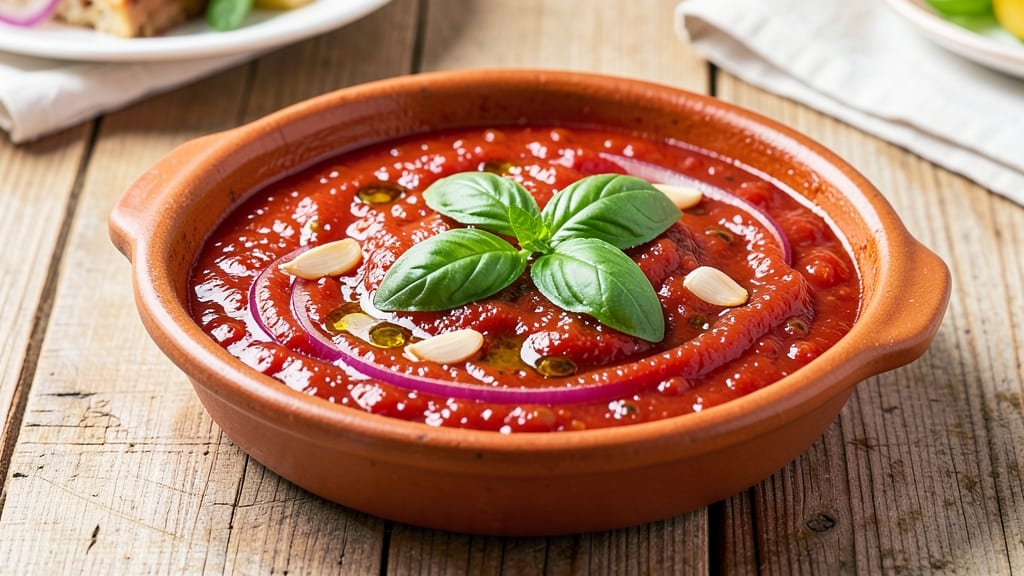
This authentic tomato sauce recipe from Italy transforms simple ingredients into a velvety, aromatic base that captures the essence of Italian cooking. 💛 The secret lies in using ripe San Marzano tomatoes and slow simmering—no shortcuts, just time-honored technique that creates a sauce with depth and balance you won't find in jars.
What makes this sauce truly special is the careful balance of garlic, olive oil, and fresh basil—each ingredient playing its part to create layers of flavor. The sauce develops its signature richness as it simmers, reducing to a perfect consistency that clings beautifully to pasta, meat, or crusty bread.
I've perfected this method over years of testing, ensuring every batch delivers that authentic Italian taste.
By the time you're done, you'll have a sauce that's smooth yet vibrant, with just the right balance of sweetness and acidity. The aroma alone will transport you to a bustling Italian trattoria, while the texture—neither too thick nor too thin—makes it incredibly versatile.
This is the kind of sauce that transforms ordinary meals into something extraordinary.
Store it in the refrigerator for up to five days or freeze for months, preserving its rich flavor for whenever you need a taste of Italy. Let's create this timeless sauce that will become the heart of your kitchen.
Ingredients for authentic tomato sauce recipe from italy
Nine simple ingredients transform into the heart of Italian meals with just time and patience.
| Ingredient | Amount | Notes |
|---|---|---|
| San Marzano Tomatoes 🍅 | 28 oz | Canned, whole or crushed |
| Extra-Virgin Olive Oil 🫒 | ½ cup | High quality, fruity |
| Garlic Cloves 🧄 | 4 cloves | Peeled, finely chopped |
| Fresh Basil Leaves 🌿 | ½ cup | Packed, roughly chopped |
| Onion 🧅 | 1 whole | Medium, finely chopped |
| Sea Salt 🧂 | 1 ½ tsp | Diamond Crystal preferred |
| Black Pepper 🌶️ | ½ tsp | Freshly ground preferred |
| Red Wine Vinegar 🍷 | 1 tbsp | For brightness |
| Sugar 🍚 | 1 tsp | Balances acidity |
San Marzano tomatoes are the star here. Look for the official DOP label at Italian markets or specialty stores like Eataly—they're sweeter and less acidic than regular canned tomatoes. The whole tomatoes version gives you more control over texture, but crushed works too. Fresh basil? Farmers markets have the best—bright green leaves, no wilting. If you're using dried, cut the amount to one-third. The extra-virgin olive oil should smell fruity and peppery—California or Italian brands like Bertolli or Colavita are reliable. For garlic, peel and chop right before adding to avoid bitterness.
No San Marzano tomatoes? High-quality crushed tomatoes (like Muir Glen) are your next best bet. Fresh basil wilting? Dried oregano at half the amount keeps the flavor, just not the freshness. The onion can be swapped for 1 tbsp onion powder, but fresh is worth the few minutes. Running low on red wine vinegar? Balsamic vinegar works, but it'll taste slightly sweeter. The sugar balances the acidity—skip it if your tomatoes are naturally sweet. For a deeper flavor, add 1 tsp tomato paste with the garlic. And trust me, low and slow simmering is non-negotiable for that authentic taste.
This sauce gets better with time—3-4 days in the fridge lets flavors meld perfectly. For longer storage, freeze in ice cube trays and transfer to a bag. Thaw overnight in the fridge or reheat directly from frozen. The oil layer on top? Save it—it's packed with flavor. If the sauce thickens too much, just add a splash of water or broth. And make extra—it disappears faster than you think. I always double the batch and freeze half for lazy weeknights.
Why You'll Love This Recipe
- Here’s what sold me: a single jar of San Marzano tomatoes and a bottle of good olive oil stretch across months of meals. The garlic and onion cost pennies, and fresh basil grows like a weed if you have a windowsill. Make a big batch, freeze it, and you’ve got restaurant-quality sauce without the restaurant price tag. (Yes, even on a Tuesday night.)
- No-Fuss Simplicity: I swear by this sauce because it’s the kind of recipe that lets you not stress. Slice an onion, crush a few garlic cloves, and toss in whole basil leaves—no blenders, no peeling seeds, just a pot and patience. The San Marzano tomatoes do all the heavy lifting while you sip your coffee.
- Umami Bomb: That first taste of garlic caramelizing in olive oil? Chef’s kiss. The onions sweeten just enough, the tomatoes mellow into a velvety depth, and the basil—added whole so it infuses, not overpowers—gives it that bright, fresh finish. It’s the kind of flavor that makes you pause mid-bite, like, "How is this real?"
- Weeknight to Weekend: This sauce is my secret weapon for lazy nights and fancy dinners. Toss it with pasta for a 15-minute meal, slather it on grilled cheese for a grown-up lunch, or freeze half for when you’re too tired to cook. Honestly, I’ve even drizzled it over roasted chicken like a lazy Sunday gravy—no judgment.
Step-by-step instructions for simmered San Marzano perfection
This is how Nonnas in Italy make their legendary tomato sauce—simple, slow, and packed with flavor.
🍳 Step 1: Sauté the Aromatics Until Golden
Heat the 0.5 cup Extra-Virgin Olive Oil in a heavy-bottomed saucepan over medium-low heat. Add the 1 whole Onion, finely chopped, and cook for 8-10 minutes until soft and translucent. You'll see it release its moisture and shrink slightly—this is your signal to add the 4 cloves Garlic Cloves, finely chopped.
Cook the garlic for another 2 minutes until fragrant but not browned. The key here is patience—browned garlic turns bitter, and we want sweet, mellow flavor. I like to stir constantly during this phase to prevent any burning. This aromatic base is the flavor foundation of your sauce, so take your time.
🍳 Step 2: Add Tomatoes and Simmer Gently
Pour in the 28 oz San Marzano Tomatoes (crushed by hand if they're whole) and add the 1.5 tsp Sea Salt, 0.5 tsp Black Pepper, and 1 tsp Sugar. Stir everything together, then reduce the heat to low. Let the sauce bubble gently for 30-40 minutes, uncovered, stirring occasionally.
Here's the thing—you want the sauce to reduce slowly. You'll see it thicken naturally as the water evaporates. I like to taste it after 20 minutes to check the seasoning. If it needs more salt or acid, adjust now. The sugar balances the acidity from the tomatoes, so don't skip this step. This slow simmer is what creates that deep, concentrated flavor.
🍳 Step 3: Brighten with Vinegar and Finish with Basil
After the initial 30 minutes, stir in the 1 tbsp Red Wine Vinegar. This adds brightness and cuts through the richness of the tomatoes. Let the sauce simmer for another 10-15 minutes until it reaches your desired consistency—it should coat the back of a spoon but still be loose enough to drizzle.
Remove the pan from heat and stir in the 0.5 cup Fresh Basil Leaves, roughly chopped. I like to let the basil infuse for 5 minutes off the heat so it releases its maximum flavor. The basil should be visible in the sauce—this is what makes it look and taste authentic. Taste and adjust seasoning one final time before serving.
⏰ Step 4: Rest and Serve for Maximum Flavor
Let the sauce rest for 10-15 minutes before serving. This allows all the flavors to meld together and the sauce to thicken slightly more. I know it's hard to wait, but trust me—this resting period makes a world of difference in the final result.
Serve your sauce immediately over pasta, drizzled with a little more Extra-Virgin Olive Oil if desired. The sauce should be vibrant red with visible basil flecks, and each spoonful should deliver a perfect balance of sweet, tangy, and umami flavors. This is the kind of sauce that makes you want to lick the plate clean—authentic Italian flavor at its finest.
Pro Tips For Making Authentic Tomato Sauce Recipe From Italy
- Sweat the Onion First: I learned this the hard way—when I sautéed raw onion in olive oil, it turned bitter and burned before softening. Instead, cook it over medium-low heat with a splash of water, lid on, until it’s translucent and all the moisture evaporates. That’s when it’ll caramelize properly without clinging to the pot.
- Crush Garlic Like a Pro: Skip the mincer—it turns garlic into paste, which can make your sauce taste harsh. Instead, smash 3-4 peeled cloves with the flat side of your knife, then let them sit in the oil for 30 seconds before cooking. They’ll soften gently and infuse flavor without overpowering.
- Simmer Low and Slow: High heat kills the natural sweetness in San Marzano tomatoes and makes the sauce turn to glue. After the onions and garlic cook, add the crushed tomatoes and reduce heat to a bare simmer—just enough to see tiny bubbles at the edges. Let it work for at least 30 minutes, stirring occasionally.
- Add Basil at the End: Fresh basil wilts and turns bitter if cooked too long. Tear a handful of leaves (about 10-12) and stir them in only during the last 5 minutes of cooking. If you’re really impatient, add half then stir in the rest right before serving—it’ll look prettier and taste brighter.
Make-ahead tips for this recipe
Prep Ahead Basics
Start by chopping all your aromatics—onion, garlic, and fresh basil—the day before and store them in airtight containers in the fridge. I keep them in separate containers so they don’t bruise or oxidize.
This saves 15-20 minutes of prep time when you’re ready to cook. The basil stays fresh longer this way, too—just a quick rinse before using. 🌿
Tomato Prep Shortcut
If you’re using whole San Marzano tomatoes, crush them by hand the night before and store them in a bowl in the fridge. The natural juices will separate slightly, but that’s perfect—just stir before using.
For crushed tomatoes, no prep is needed, but if you’re using fresh tomatoes, peel and crush them ahead of time. I like to freeze them in a single layer on a tray first to make them easier to crush later. 🍅
Slow Simmer Make-Ahead
Make the sauce one day in advance for even deeper flavor. After the initial 30-40 minutes of simmering, let it cool completely, then transfer to an airtight container. The flavors continue to meld in the fridge, and the sauce will thicken slightly overnight—exactly what you want.
Reheat gently on the stove with a splash of water or broth to loosen it up. This method is a game-changer for busy weeknights. ⏰
Freezing for Later
Freeze your sauce in portioned amounts for easy use later. I like to divide it into 1-cup portions in silicone molds or ice cube trays, then transfer to a freezer bag. This way, you can thaw just what you need without dealing with a giant block of sauce.
Label the bags with the date—it keeps well for up to 3 months. When reheating, add a splash of water or pasta water to restore the perfect consistency. 🧊
Oil Layer Magic
When you store the sauce, the olive oil will rise to the top and solidify. Don’t toss it! Scoop off the hardened oil and save it in a small jar. This golden layer is packed with flavor—use it to finish dishes or drizzle over pasta for extra richness.
It’s like liquid gold, and I never let it go to waste. 🫒
Batch and Freeze
Double or triple the recipe and freeze half for future meals. I always do this because this sauce disappears faster than you’d think. Store the extra in glass jars (leave 1-inch headspace for expansion) or freezer bags.
When you’re ready to use it, thaw overnight in the fridge or reheat directly from frozen on the stove. The texture might thicken slightly, but a splash of water or broth brings it right back to perfection. 💡
Nutrition facts
Frequently asked questions
Why do Italian recipes always call for San Marzano tomatoes?
San Marzano tomatoes grow near Mount Vesuvius and have a naturally sweeter, less acidic profile than regular tomatoes. Their thick flesh and lower acidity make them perfect for simmering into rich, balanced sauces. The official DOP (Protected Designation of Origin) label guarantees quality—look for it at Italian markets or specialty stores.
Can I make this sauce without fresh basil?
Use 1 tbsp dried basil instead, but add it at the very end (don't cook it). For extra depth, combine 1 tsp dried basil + 1 tsp dried oregano. The flavor won't be identical, but it'll still taste authentic. Fresh basil is ideal, but dried works in a pinch.
How do I know when the sauce is done simmering?
The sauce is ready when it coats the back of a spoon but still drizzles easily. It should take 40-50 minutes total simmering time. Look for these signs: reduced volume by about 30%, vibrant red color, and a thickened consistency that clings to ingredients. Taste it—it should be balanced, not overly acidic or sweet.
What's the best way to store leftover sauce?
Let the sauce cool completely, then transfer to airtight containers. In the fridge, it keeps for 5-7 days. For longer storage, freeze in 1-cup portions in silicone molds or ice cube trays. When reheating, add a splash of water or broth to restore texture. The oil layer that forms? Save it—it's flavor-packed!
Can I use this sauce for dishes other than pasta?
This versatile sauce works beautifully on grilled chicken, fish, or roasted vegetables. Use it as a dip with crusty bread, or as a base for pizza sauce. For meat dishes, simmer the sauce with 1/2 cup red wine** for extra depth. Just remember—it's best used fresh, as the texture changes slightly after reheating.