
Sauces & Condiments
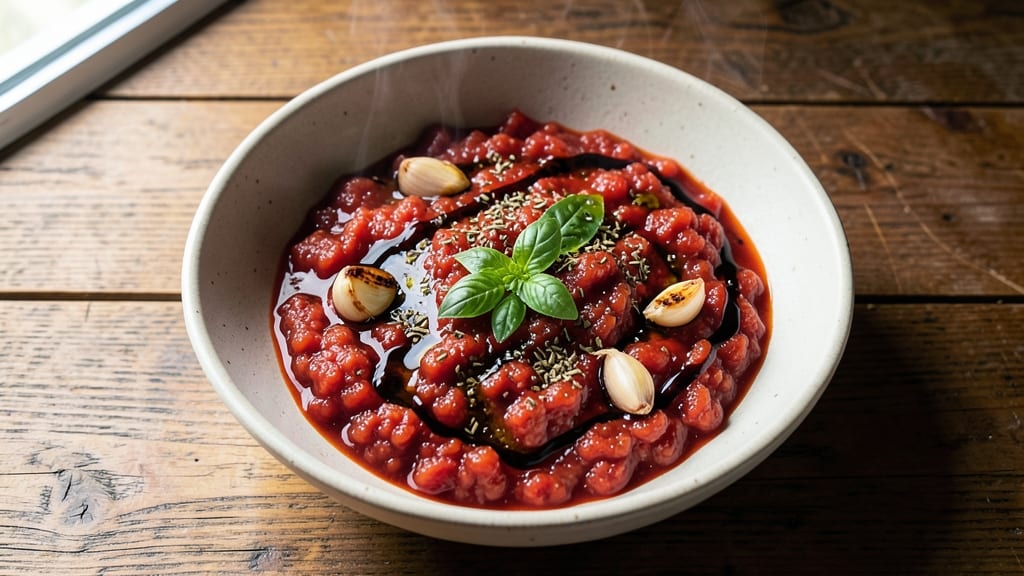
This awesome pizza sauce recipe transforms simple tomatoes into a rich, umami-packed sauce that elevates every pizza night. The secret lies in slow simmering and a blend of garlic, herbs, and a touch of sugar to balance acidity—no processed ingredients needed.
I developed this version after years of testing store-bought sauces that always fell short of homemade depth.
What sets this sauce apart is its bold tomato base that develops complex flavors through controlled simmering. You'll use canned tomatoes (for convenience) but enhance them with fresh garlic, dried oregano, and a splash of red wine for depth.
The sauce thickens naturally as it reduces, creating that perfect consistency—neither too watery nor too stiff—for spreading or dipping.
By the time you're done, you'll have a sauce that's rich, aromatic, and packed with savory notes from the garlic and herbs. It keeps well in the fridge for up to a week, making it perfect for meal prep.
The best part? This sauce works for more than just pizza—it's fantastic on pasta, as a marinade, or even as a dipping sauce for garlic bread.
The process is straightforward but requires patience—simmering for 20-30 minutes allows the flavors to meld beautifully. No blender needed; just chop, simmer, and taste as you go. This is the kind of sauce that makes you question why you ever bought store-bought again.
Ingredients for awesome pizza sauce
Nine simple ingredients transform canned tomatoes into restaurant-quality pizza sauce.
| Ingredient | Amount | Notes |
|---|---|---|
| Canned San Marzano Tomatoes 🍅 | 28 oz | Crushed by hand for texture |
| Extra-Virgin Olive Oil 🫒 | ¼ cup | High-quality, fruity variety |
| Garlic Cloves 🧄 | 6 cloves | Freshly minced for bold flavor |
| Dried Oregano 🌿 | 1 ½ tsp | Mexican oregano preferred |
| Dried Basil 🌿 | 1 tsp | Or 1 tbsp fresh basil |
| Red Wine 🍷 | ½ cup | Bold, dry variety like Cabernet |
| Granulated Sugar 🍚 | 1 tbsp | Balances tomato acidity |
| Salt 🧂 | 1 ½ tsp | Diamond Crystal kosher salt |
| Black Pepper 🌶️ | ½ tsp | Freshly ground preferred |
San Marzano tomatoes are the gold standard here—they're sweeter and less acidic than regular canned tomatoes. Trader Joe's and Whole Foods carry them, or check the Italian aisle at any grocery store. The garlic is non-negotiable for depth; freshly minced makes all the difference. For the red wine, any bold, dry variety works—Cabernet Sauvignon or Merlot are my go-tos. The olive oil should be fruity and extra-virgin; California-grown brands like Corto or Bertolli are excellent choices. If you're using dried herbs, make sure they're fresh-smelling—none of that dusty spice rack stuff.
No red wine? Substitute with beef broth plus a splash of balsamic vinegar—it adds a similar depth. Fresh basil is ideal, but dried works at one-third the amount. For a vegetarian option, skip the wine and use vegetable broth instead. The sugar is key—it balances the acidity beautifully, but if you're avoiding sugar, a pinch of honey works too. The olive oil can be swapped for avocado oil if preferred, though it won't have the same fruity notes. And if you're short on time, pre-minced garlic from a jar works in a pinch, though fresh is always better.
This sauce develops even more flavor overnight, so make it a day ahead if possible. Store it in an airtight container in the fridge for up to 1 week, or freeze for 3 months in portion-sized containers. It reheats beautifully—just warm it gently on the stove or microwave until hot. The sauce thickens as it cools, so if it seems too thick when cold, stir in a splash of water or broth. This is the kind of sauce that gets better with age, so don't hesitate to make extra for future pizza nights.
Why You'll Love This Recipe
- Here’s what sold me: the slow-simmered garlic cloves. They melt into the sauce without burning, leaving that sweet, aromatic punch that makes every bite taste like you spent hours in the kitchen.
- Five-Ingredient Magic: I swear by this—just tomatoes, oil, garlic, and two herbs. That’s it. No fancy prep, no stress, just dump-and-simmer until it smells like Sunday dinner.
- Garlic Kiss: Here’s what sold me: the slow-simmered garlic cloves. They melt into the sauce without burning, leaving that sweet, aromatic punch that makes every bite taste like you spent hours in the kitchen.
- Pantry Powerhouse: Between us, this sauce is my meal-prep MVP. Freeze half for lazy nights or toss it into pasta, bruschetta, or even scrambled eggs—because sometimes, pizza sauce belongs everywhere.
Step-by-step instructions for bold tomato sauce with umami depth
Here's how to build a pizza sauce with rich, layered flavor that stands up to any topping.
Crush the Tomatoes for Perfect Texture
Empty the 28 oz canned San Marzano tomatoes into a large bowl. I like to crush them by hand with my fingers—this breaks up the tomatoes while preserving their natural juices and creating that perfect chunky texture for pizza sauce. Avoid using a blender or food processor here; you want some texture to carry through.
Transfer the crushed tomatoes to a heavy-bottomed saucepan. The San Marzano variety is my go-to because its natural sweetness and low acidity create a balanced, rich sauce. If you see any large seeds or skins, remove them now for a cleaner sauce. Keep the pan off the heat for the moment—we'll preheat it with the oil first.
Bloom the Aromatics in Olive Oil
Heat the saucepan over medium-low heat until the 0.25 cup extra-virgin olive oil begins to shimmer. Add the 6 cloves freshly minced garlic and let them cook for 1-2 minutes until they're fragrant but not browned. Watch closely—garlic burns quickly and turns bitter, which would ruin our sauce.
Here's the thing—cooking the garlic in oil first allows its flavors to develop fully before they mingle with the tomatoes. The olive oil also creates a silky base that prevents the sauce from separating later. Once the garlic is just golden around the edges, it's time to add the crushed tomatoes.
Simmer and Develop the Flavor Base
Pour in the crushed tomatoes, then stir in the 1.5 tsp dried oregano, 1 tsp dried basil, 1 tbsp granulated sugar, 1.5 tsp salt, and 0.5 tsp black pepper. Bring the mixture to a gentle simmer over medium heat, then reduce to low heat and let it cook uncovered for 20 minutes. This slow cook time allows the flavors to meld deeply.
I stir occasionally but not constantly—just enough to prevent sticking. The sugar helps balance the natural acidity of the tomatoes while caramelizing slightly, adding depth. You'll notice the sauce darkening and thickening as it reduces. If it gets too thick before the 20 minutes are up, add 1-2 tablespoons of water to maintain a smooth consistency.
Add Wine for Umami Depth
After the initial 20 minutes, pour in the 0.5 cup bold red wine and stir immediately. The alcohol will cause the sauce to bubble vigorously for about 1 minute—this is normal and actually helps deglaze the pan, capturing all those flavorful browned bits. Let the sauce simmer uncovered for another 15-20 minutes, stirring occasionally.
The wine adds a sophisticated umami dimension that elevates this from basic pizza sauce to something truly special. As it simmers, the alcohol will cook off completely, leaving behind just the rich wine flavors. You'll know it's ready when the sauce has thickened to a spreadable consistency—it should coat the back of a spoon smoothly but still be vibrant in color.
Finish and Adjust Seasoning
Taste the sauce now and adjust the seasoning if needed. I usually need to add a pinch more salt at this stage—the tomatoes can be surprisingly salty. The sauce should be balanced—sweet from the sugar, bright from the tomatoes, with herbal notes from the oregano and basil, and a touch of peppery heat.
Let the sauce cool to room temperature before using it on pizza. The flavors will continue developing as it cools, becoming even more complex. This sauce makes about 2 cups, perfect for two 12-inch pizzas. Store any leftovers in the refrigerator for up to 5 days or freeze for 3 months. The longer it sits, the better the flavors meld together!
Pro Tips For Making Awesome Pizza Sauce
- CRUSH THE GARLIC: I learned this the hard way—don’t chop those cloves into tiny bits. Smash them with the flat side of your knife first, then mince. This releases more flavor without burning, and your sauce won’t taste like raw garlic hit you in the face.
- SIMMER LOW AND LONG: This sauce isn’t a race. After you’ve broken down the tomatoes and garlic, drop the heat to a bare simmer and let it cook uncovered for at least 20 minutes. The longer it cooks, the deeper the flavor—no, it won’t curdle if you leave it too long.
- SALT THE TOMATOES FIRST: Skip the urge to season everything at once. Drain the San Marzanos, then sprinkle them with 1 teaspoon of salt right in the can and let them sit for 10 minutes. This draws out excess water and seasons the sauce from the start—trust me, your pizza will taste brighter.
- UPGRADE WITH A SPLASH: You’ve got great ingredients, so don’t stop at the basics. After simmering, pull the sauce off heat and stir in 1 tablespoon of extra-virgin olive oil and a pinch of red pepper flakes. It sounds simple, but it makes the sauce richer and adds a subtle kick without overpowering.
Perfect pairings for this recipe
Classic Wine Pairings
This rich, umami-packed sauce pairs beautifully with Italian red wines that complement its depth. A Chianti Classico from Tuscany—like Castello di Volpaia—brings bright acidity that cuts through the sauce's richness. For something lighter, try a Pinot Noir from Oregon, which highlights the herbal notes without overpowering them. 🍷
If you prefer white wine, a crisp Vermentino from Sardinia offers citrusy brightness that refreshes your palate between bites. Avoid heavy, oaked whites—they'll clash with the sauce's bold tomato flavor. Pro tip: Chill your wine slightly before serving to enhance its refreshing quality against the warm sauce.
Beer Complements
A Belgian witbier like Hoegaarden adds a perfect contrast with its coriander and citrus notes, balancing the sauce's savory depth. For American craft beer lovers, a hazy IPA with juicy hop flavors works surprisingly well—the bitterness complements the sweetness of the sauce. 🍺
If you're serving pizza at a casual gathering, a light Italian lager such as Peroni or Moretti is foolproof. The crisp, clean profile won't compete with the sauce but will cleanse your palate between bites. For a non-alcoholic option, try a sparkling blood orange soda—the effervescence and citrus notes mirror the wine pairing beautifully.
This sauce shines with Cheese Enhancements
For a meat lover's pizza, pair with spicy soppressata or crispy pancetta—the saltiness enhances the sauce's herbal notes. If you're making a white pizza, try goat cheese and caramelized onions for a sophisticated twist. The sauce's versatility lets you experiment with endless cheese combinations.
A simple Side Dish Harmony
Roasted zucchini and cherry tomatoes with balsamic reduction add a fresh, summery element that balances the sauce's depth. If you're serving a full Italian feast, include creamy polenta or crispy bruschetta—both complement the sauce's umami profile beautifully.
For a Global Flavor Twists
Inspired by Neapolitan style, try adding 1 tbsp tomato paste and ½ tsp red pepper flakes to the sauce for a spicier kick. Pair it with fresh basil, mozzarella di bufala, and a drizzle of olive oil** for an authentic taste of Italy.
The sauce's versatility lets you adapt it to countless global flavors while keeping its core richness intact.
Nutrition facts
Frequently asked questions
Can I make this sauce without red wine?
Replace the 0.5 cup red wine with 0.5 cup beef broth plus 1 tablespoon balsamic vinegar for similar depth. The balsamic adds a subtle sweetness that balances the tomato acidity. For a vegetarian option, use vegetable broth and a splash of vinegar instead. The sauce will still develop rich flavors—just without the wine's umami complexity.
How do I adjust the thickness of this sauce?
If your sauce is too thick after simmering, stir in 1-2 tablespoons of water or broth while heating. For a thicker consistency, simmer uncovered for 5-10 extra minutes to reduce further. The ideal texture should be smooth enough to spread but still vibrant in color—not watery like marinara. Remember, sauces thicken as they cool, so don't over-reduce at the end.
Can I use fresh tomatoes instead of canned?
Yes, but you'll need to pre-cook them first. Roast 4 large fresh tomatoes at 400°F (200°C) for 20 minutes until softened, then peel, seed, and chop them. Use 2 cups chopped roasted tomatoes instead of the canned version. Fresh tomatoes add a brighter acidity, but their water content means you may need to simmer longer to thicken the sauce properly.
Why does my sauce taste too acidic?
Acidity comes from the tomatoes and can be balanced by adding ½ teaspoon more sugar or 1 teaspoon tomato paste to the simmering sauce. For immediate adjustment, stir in 1 teaspoon honey or maple syrup. The 20-minute simmer time helps mellow acidity naturally—don't rush this step. If using very tart tomatoes, reduce simmering time slightly to 15 minutes to preserve some brightness.
How long can I store this sauce?
Store in an airtight container in the fridge for up to 1 week, where flavors actually deepen over time. For longer storage, freeze in portion-sized containers for 3 months. Thaw overnight in the fridge—never microwave directly from frozen. The sauce reheats beautifully on the stove over medium-low heat for 5 minutes, stirring occasionally to prevent scorching.