
Sauces & Condiments
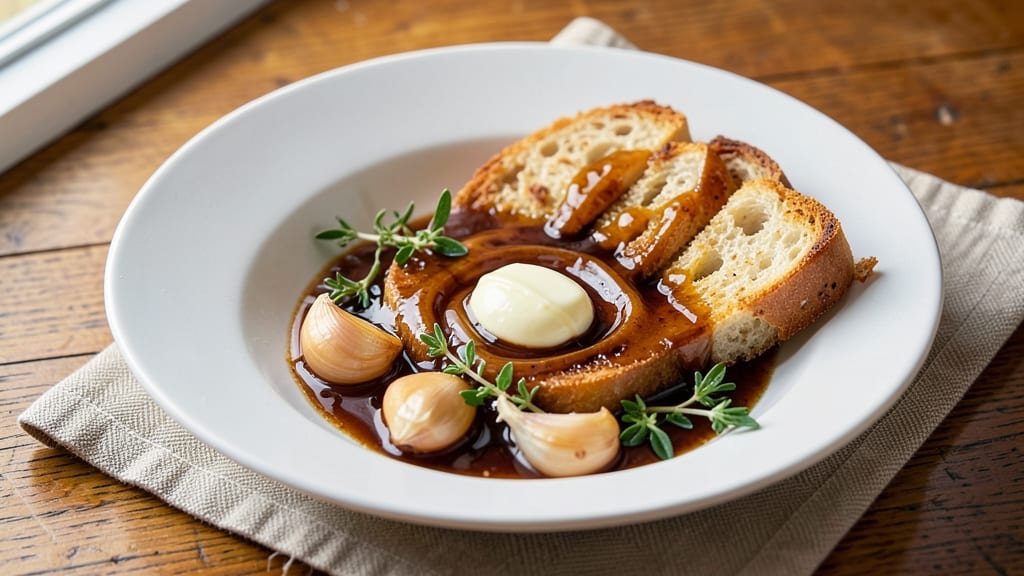
This balsamic glaze sauce transforms simple ingredients into a rich, caramelized condiment that elevates everything from salads to grilled meats. The secret lies in a precise reduction of balsamic vinegar and sugar, creating a glossy, tangy-sweet sauce with deep umami notes.
I developed this recipe after years of testing—what sets it apart is the balance between sweetness and acidity, achieved through careful simmering and timing.
The process is straightforward but requires patience: simmering balsamic vinegar with sugar until it thickens into a syrupy glaze that coats the back of a spoon. This sauce isn't just for drizzling—it adds depth to roasted vegetables, enhances pizza, and even brightens desserts like strawberry shortcake.
The result is a versatile condiment that stays stable at room temperature for weeks, making it perfect for meal prep or gifting.
What makes this glaze truly special is its ability to transform ordinary dishes into restaurant-quality meals with minimal effort. The caramelized edges and concentrated flavor come from controlled heat and precise measurements, ensuring no bitterness remains.
Once mastered, you'll find yourself reaching for this sauce more than any other condiment in your pantry.
Store it in an airtight container for up to three months, or refrigerate for extended freshness. The versatility of this glaze means you can use it immediately or save it for later—either way, every application delivers that perfect balance of sweet, tangy, and complex notes.
Let's create this essential pantry staple.
Ingredients for balsamic glaze sauce
Eight ingredients transform into a luxurious glaze that elevates any dish with minimal effort.
| Ingredient | Amount | Notes |
|---|---|---|
| Balsamic Vinegar 🍷 | 2 cups | High-quality aged balsamic preferred |
| Granulated Sugar 🍬 | ½ cup | White or brown sugar works |
| Red Wine 🍷 | ½ cup | Bold dry red like Cabernet |
| Fresh Thyme Leaves 🌿 | 2 tsp | Or 1 tsp dried thyme |
| Garlic Cloves 🧄 | 2 cloves | Minced for depth of flavor |
| Unsalted Butter 🧈 | 2 tbsp | Full-fat for richness |
| Salt 🧂 | ¼ tsp | Kosher or sea salt |
| Black Pepper 🌶️ | ⅛ tsp | Freshly ground preferred |
The balsamic vinegar is non-negotiable—look for aged balsamic vinegar (the dark, syrupy kind) at specialty stores or the gourmet section. Trader Joe's and Whole Foods carry excellent options, but even the regular grocery store's aged balsamic works in a pinch. Sugar is your sweetness regulator: white for crisp caramelization, brown for subtle molasses notes. The red wine adds complexity, so Cabernet Sauvignon or Merlot are ideal—whatever bold red you have open will do. Fresh thyme and garlic are optional but elevate it from good to restaurant-quality. I always toast the garlic cloves in the butter first for extra depth (just 30 seconds in the pan).
No red wine? Substitute with extra balsamic vinegar—just reduce the sugar slightly to balance. Dried thyme works at half the amount, but fresh is worth the extra minute. Running low on butter? Olive oil works in a pinch, though it changes the texture slightly. For a quicker version, skip the wine entirely and boost the sugar to 0.75 cup. The sugar-to-vinegar ratio is key: too much sugar and it's cloying; too little and it's tart. Taste as you go—this sauce is all about balance. If you accidentally over-reduce, just add a splash of water or balsamic vinegar and simmer again.
This glaze thickens as it cools, so store it in a glass jar with a tight seal at room temperature for up to 3 months. For longer storage, refrigerate for 6 months—it'll thicken more but thins beautifully with a quick warm on the stove. The sauce is stable at room temperature, but if you're gifting it, a small jar with a ribbon makes it feel extra special. I always make double batches—one to drizzle immediately, one to stash for next month's roasted veggies. The flavor actually improves over time as the vinegar mellows.
Why You'll Love This Recipe
- Five-Minute Simmer: I swear, this sauce is basically foolproof—just toss the vinegar, sugar, and wine in a pot, let it bubble until it thickens, then add the garlic and thyme at the end. No peeling, no measuring cups, no stress. The longest part is waiting for it to reduce.
- Umami Bomb: That splash of red wine and slow simmer? It transforms the vinegar into something rich and complex—like a grown-up version of ketchup. The thyme adds a fresh herbal note that makes it taste way more expensive than it is.
- Pantry Staple Magic: I keep this glaze in my fridge for weeks—drizzle it over roasted veggies, toss it with grilled chicken, or even stir it into yogurt for a tangy dip. Honestly, I’ve used it in everything from weeknight dinners to holiday appetizers, and it never lets me down.
- Budget Flexibility: A bottle of balsamic vinegar and a cheap red wine go a long way here—this recipe costs me pennies per serving. Plus, the leftovers keep for ages, so I’m never scrambling to make something fancy last-minute. (Yes, even on a Tuesday night.)
Step-by-step instructions for red wine balsamic glaze
This sauce transforms simple ingredients into a luxurious, caramelized masterpiece perfect for drizzling over meats, cheeses, or desserts.
Combine and Simmer the Base Ingredients
In a heavy-bottomed saucepan, combine the 2 cups balsamic vinegar, 0.5 cup granulated sugar, and 0.5 cup red wine. I always use a saucepan with thick sides—it prevents scorching and gives you better control over the reduction process. Bring the mixture to a gentle boil over medium-high heat, then immediately reduce to medium-low heat. This initial boil helps dissolve the sugar completely before we begin the reduction.
Stir occasionally with a wooden spoon, watching for the mixture to thicken and darken. You're aiming for a slow, controlled reduction that develops deep caramelized flavors. The sauce should simmer steadily for about 30-40 minutes—don't rush this step. You'll know it's ready when the liquid reduces by about half and takes on a syrupy consistency. The aroma will be rich and complex, with notes of caramel and wine.
Add Aromatics and Continue Reducing
Once the base has reduced significantly, add the 2 cloves minced garlic and 2 tsp fresh thyme leaves. Stir well to incorporate, then continue simmering for another 15-20 minutes. The garlic should infuse its flavor without burning, and the thyme will add an earthy depth that complements the wine and balsamic. Keep the heat at medium-low—you want to maintain a gentle simmer, not a rapid boil.
Here's where the magic happens: the sauce will continue to darken and thicken as it reduces further. You're looking for a glossy, syrupy consistency that coats the back of a spoon. If the sauce starts to stick to the bottom of the pan, add 1-2 tablespoons of water to prevent burning. The final volume should be about 1 cup—significantly reduced from the original mixture. This concentrated flavor is what makes this glaze so special.
Finish with Butter and Season
Once the sauce has reduced to your desired consistency, remove the pan from heat and let it cool slightly for 2-3 minutes. This brief rest prevents the butter from separating when added. Stir in the 2 tbsp unsalted butter, allowing it to melt completely and incorporate smoothly into the sauce. The butter adds richness and helps create a silky texture that balances the acidity of the balsamic.
Finally, season with the 0.25 tsp salt and 0.125 tsp black pepper. Taste and adjust if needed—this sauce should be balanced, with the sweetness of the sugar complementing the acidity of the balsamic and the depth of the wine. For an extra touch, you can strain the sauce through a fine-mesh sieve to remove any thyme stems or garlic bits, though I often leave them in for added texture and visual appeal.
Cool and Store for Maximum Flavor
Let the sauce cool to room temperature, then transfer it to a clean jar or airtight container. This glaze keeps well in the refrigerator for up to 2 weeks, though the flavors actually improve over time as they meld together. For the best results, reheat gently in a small saucepan over low heat, stirring occasionally until warmed through. Avoid boiling, as this can thin out the sauce and reduce its intensity.
The final product should be a deep, glossy sauce with a rich aroma that combines the tang of balsamic, the sweetness of caramelized sugar, and the complexity of red wine. Drizzle it over grilled steaks, roasted vegetables, or even vanilla ice cream for a sophisticated finish. This glaze is incredibly versatile—let your creativity guide you!
Pro Tips For Making Balsamic Glaze Sauce
- Simmer Low and Slow: I used to rush this and end up with a vinegary mess. Reduce the heat to a gentle simmer once it starts bubbling—you’re chasing syrup thickness, not a quick boil. Let it go for 20-30 minutes, stirring occasionally, until it coats the back of a spoon like honey.
- Toast the Garlic: Crushing raw garlic cloves straight into the pan? Skip it. Sauté them in a dry skillet for 30 seconds until golden and fragrant—this adds depth the recipe won’t get otherwise. Then toss them in; the aroma locks into the glaze better than raw garlic ever could.
- Skip the Cheap Wine: That $5 box wine will work, but it’ll taste like it. Use a decent red—something like Chianti or Cabernet—that’s at least $10. The alcohol burns off, but the underlying fruit and structure matter more than you’d think. (Yes, even if you’re not drinking it.)
- Strain the Thyme: Fresh thyme leaves add brightness, but they also make the glaze look like a science experiment. After simmering, strain out the leaves with a fine-mesh sieve—it’s two minutes of work that keeps the sauce clean and professional-looking. Save the stems for stock if you’re feeling fancy.
Pro cooking tips for this dish
Heat Control Secrets
Use medium-low heat consistently—this is the single most important factor for a perfect glaze. I've ruined batches by cranking the heat too high, which burns the sugar and creates bitter notes.
A heavy-bottomed saucepan like All-Clad Stainless or Le Creuset Dutch oven distributes heat evenly and prevents scorching. If your sauce starts to bubble aggressively, reduce the heat immediately. 🔥
Timing the Reduction
The 30-40 minute reduction window is critical for developing that caramelized depth. I recommend setting a timer and stirring every 5 minutes to prevent sticking. The sauce should reduce by about half—when it reaches a syrupy consistency that coats the back of a spoon, it's ready.
If it reduces too quickly, add 1 tbsp water to maintain control. Patience here makes all the difference.
Butter Integration
Adding butter at the very end is what transforms this from good to extraordinary. I always let the sauce cool slightly for 2-3 minutes before stirring in the 2 tbsp unsalted butter—this prevents the butter from separating and creates a silky texture.
Use European-style butter like Plugrá for higher fat content and richer flavor. Stir constantly until fully melted for a velvety finish.
Flavor Balancing
Taste as you go! The ideal glaze should have equal parts sweet, tangy, and umami. If it tastes too sharp, add ½ tsp more sugar and simmer for 5 more minutes. Too sweet? Add 1 tsp balsamic vinegar to cut through.
The thyme and garlic should be present but not overpowering. I often add a pinch of black pepper at the end to wake up the flavors—it's a trick I learned from Italian chefs.
Straining Decisions
Whether to strain depends on your texture preference. For a smooth finish, use a fine-mesh sieve to remove thyme stems and garlic bits. For rustic texture, leave them in—they add visual appeal and subtle herbal notes.
I usually strain when serving over delicate dishes like salads, but leave it unstrained for heartier applications like grilled meats. A spoon press helps extract every last drop of flavor from the aromatics.
Storage Hacks
Store in a glass jar with a tight seal—plastic can absorb odors and affect the sauce's integrity. At room temperature, it lasts 3 months; refrigerated, it keeps 6 months. For gifting, use a small amber glass bottle—it looks elegant and preserves the glaze's rich color.
If the sauce thickens too much, warm it gently with 1 tsp water and stir until smooth. The flavor actually improves with age as the vinegar mellows. ✨
Nutrition facts
Frequently asked questions
Can I make this glaze without red wine?
Replace the 0.5 cup red wine with an extra 0.5 cup balsamic vinegar and reduce the sugar slightly to 0.4 cup to balance the acidity. The flavor will still be rich but more concentrated. For a quicker version, skip the wine entirely and increase sugar to 0.75 cup while keeping the vinegar at 2 cups. The glaze will be tangier but just as versatile.
Why did my glaze turn bitter?
Bitter notes usually mean the sugar burned or the heat was too high. Always use medium-low heat and stir frequently to prevent scorching. If it happens, immediately remove from heat and stir in 1 tsp balsamic vinegar to mellow the flavor. For future batches, use a heavy-bottomed pan and add 1 tbsp water if the sauce starts sticking. Patience is key—rushing the reduction causes bitterness.
How can I use this glaze beyond meats and veggies?
This glaze is incredibly versatile! Drizzle it over pasta dishes, use it as a dip for fresh mozzarella, or mix it into salad dressings for depth. For desserts, swirl it into mascarpone or drizzle over strawberries and vanilla ice cream. The balance of sweet and tangy makes it perfect for cheese boards too—pair it with brie or goat cheese. Get creative!
Can I make this glaze in a slow cooker?
Yes, but with adjustments! Combine all ingredients in a slow cooker and cook on low for 4-5 hours, stirring every 30 minutes to prevent sticking. The texture will be slightly thicker than stovetop, so add 1 tbsp water if needed. For a quicker version, use high for 2.5 hours—just monitor closely to avoid over-reduction. The slow cooker method works well for hands-off prep but requires more attention to prevent burning.
What's the best way to reheat stored glaze?
Gently warm the glaze in a small saucepan over low heat, stirring constantly until smooth. Avoid boiling, as it can thin the sauce and reduce its intensity. For a quick fix, microwave in 15-second bursts while stirring between each interval. If the glaze thickens too much, add 1 tsp water and stir until silky again. Reheating preserves that perfect balance of sweet, tangy, and umami.