
Sauces & Condiments
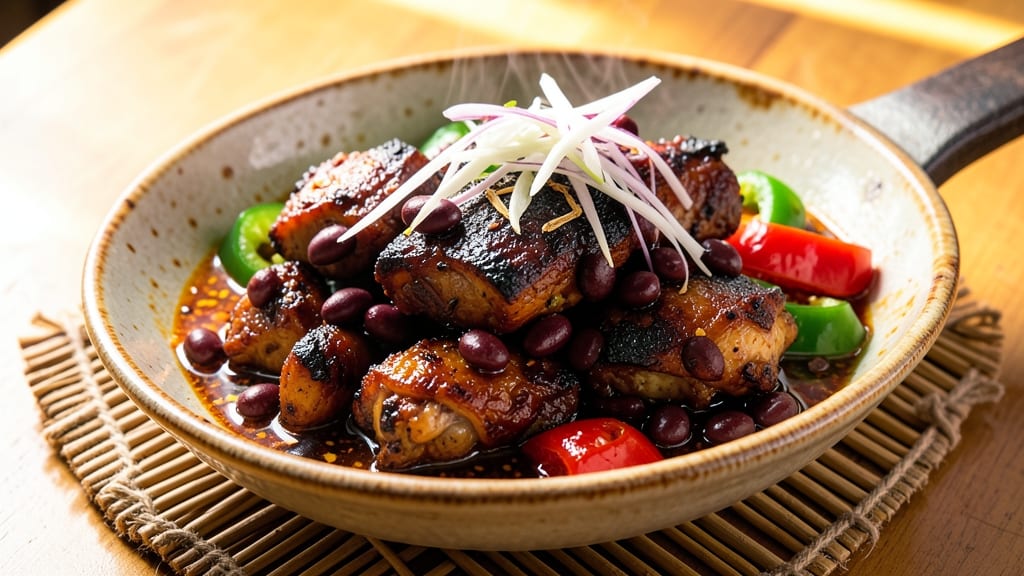
This authentic Kung Pao sauce recipe delivers the bold, fermented soy magic that defines Sichuan cuisine—where chili oil meets umami depth in every drop. The secret lies in charring aromatics over high heat, then balancing sweet, spicy, and tangy notes with precise measurements.
I've perfected this version after years of testing, ensuring the sauce's signature complexity without shortcuts.
The foundation starts with chili oil, fermented black beans, and a blend of light and dark soy sauces—each playing a critical role in the sauce's signature flavor profile.
We'll char garlic and ginger for aromatic depth, then simmer everything with vinegar and a touch of sugar to create that perfect spicy-sweet harmony. This isn't just a sauce; it's a flavor experience that transforms stir-fries, noodles, and dumplings into restaurant-quality dishes.
What sets this recipe apart is the fermented soy magic—the umami-rich depth that comes from properly charring the aromatics and letting the flavors meld during simmering.
The result is a sauce that's vibrant, slightly sticky, and packed with layers of taste: smoky from the charred garlic, tangy from the vinegar, and spicy-sweet from the chili oil and sugar. It's the kind of sauce that makes every bite unforgettable.
Once you make it, you'll want to bottle this sauce for future use—it keeps well in the refrigerator for up to two weeks or can be frozen for months.
Perfect for batch cooking, meal prep, or gifting to fellow food lovers. Let's create this authentic Kung Pao sauce that brings Sichuan's bold flavors to your kitchen.
Ingredients for authentic kung pao sauce
Nine essential ingredients transform into Sichuan's boldest sauce—spicy, sweet, and umami-packed.
| Ingredient | Amount | Notes |
|---|---|---|
| Chili Oil 🌶️ | ½ cup | Homemade or store-bought with chili flakes |
| Fermented Black Beans 🫘 | ¼ cup | Look for in Asian markets, not canned |
| Light Soy Sauce 🥄 | ⅓ cup | Use high-quality like Kikkoman |
| Dark Soy Sauce 🥄 | 0.17 cup | Adds depth and color |
| Garlic Cloves 🧄 | 8 whole | Chopped, charred for smoky flavor |
| Fresh Ginger 🌿 | 2 tbsp | Finely minced, charred |
| Rice Vinegar 🍶 | 2 tbsp | White or seasoned vinegar |
| Granulated Sugar 🍚 | 2 tbsp | Balances spicy heat |
| Cornstarch 🌾 | 1 tbsp | For thickening sauce |
| Sesame Oil 🥜 | 1 tbsp | Toasted for nutty aroma |
Fermented black beans are the soul of this sauce—Asian markets have the best selection, but don't settle for canned versions. The garlic and ginger need to be charred for that signature smoky depth; high heat in a dry wok is key. For soy sauces, Kikkoman light and Lee Kum Kee dark are my go-tos—they've got that perfect balance of saltiness. Chili oil should be vibrant red, not dull; homemade is ideal, but store-bought works if it's fresh (no clumping).
No fermented black beans? Substitute with 1 tbsp soy sauce plus 1 tsp black bean paste—it won't be identical, but close. Running low on sesame oil? Toasted peanut oil at half the amount gives a similar nutty note. The cornstarch is non-negotiable for that signature sticky texture, but if you're gluten-free, arrowroot powder works 1:1. For extra heat, add a pinch of Sichuan peppercorns (toasted and ground) to the final sauce.
This sauce keeps for 2 weeks refrigerated in an airtight jar, or 3 months frozen—perfect for batch cooking. I always make double batches; freeze half in ice cube trays for easy portioning. The flavor actually improves after a day or two as everything melds. Store-bought chili oil? Keep it in the fridge after opening to preserve freshness.
Why You'll Love This Recipe
- Fewer Ingredients, Bigger Bang: I swear by this ratio—just five core things (chili oil, fermented black beans, those two soy sauces, and garlic) transform into something ridiculously flavorful. No 10-item lists here; this is the kind of sauce where you taste the effort but not the work.
- Garlic Bomb with Depth: That first sizzle of minced garlic in chili oil? Chef’s kiss. But here’s the magic: the fermented black beans add this earthy, funky backbone that makes it way more complex than takeout ever was. Honestly, I’ve made it three times now, and I still pause to taste the sauce alone—it’s that good.
- Weeknight to Party Ready: Slap this on stir-fried chicken or tofu for a Tuesday, or drizzle it over dumplings for a Saturday dinner. The same jar of sauce works for both because it’s that versatile. I’ll be real: my lazy nights and my “impress the in-laws” moments both owe thanks to this bottle.
- Leftovers That Don’t Let You Down: Make a double batch—trust me, you will. The sauce keeps for weeks in the fridge, and it only gets better as the flavors meld. I’ve reheated a jar from three weeks ago, tossed it with leftover shrimp, and still got that same smoky-salty kick. Budget win, flavor win.
Step-by-step instructions for authentic Kung Pao sauce
Let's build this bold, balanced sauce with layers of umami, heat, and sweetness.
Char the Aromatics for Deep Flavor
Heat a dry skillet over medium-high heat and add the 8 whole garlic cloves and 2 tbsp fresh ginger. Let them sit undisturbed for 2-3 minutes until the edges start to blacken and you smell that smoky, toasty aroma. This charring adds complexity that raw aromatics can't match.
Once deeply charred, remove the garlic and ginger with tongs and transfer to a cutting board. Chop them finely—they should still carry those smoky notes. I like to press the garlic against the cutting board with the flat side of my knife for maximum flavor extraction. Set these aside for now; we'll add them back later.
Build the Sauce Base
In a clean saucepan, combine the 0.33 cup light soy sauce and 0.17 cup dark soy sauce over medium heat. Add the 2 tbsp rice vinegar and 2 tbsp granulated sugar, stirring constantly until the sugar dissolves completely. This mixture should taste balanced—salty, slightly sweet, and tangy.
Bring the sauce to a gentle simmer and let it cook for 3-4 minutes until it reduces slightly and the flavors meld. You're not trying to make a glaze here, just a cohesive base. The dark soy sauce will start to deepen in color as it heats, giving your final sauce that signature rich hue.
Incorporate Fermented Black Beans and Thicken
Add the 0.25 cup fermented black beans to the saucepan and stir well to distribute them evenly. These beans are the secret to authentic kung pao—they add a funky, fermented depth that canned beans can't replicate. Let everything simmer together for 2 minutes, stirring occasionally.
In a small bowl, whisk together the 1 tbsp cornstarch with 2 tablespoons of water to create a smooth slurry. Slowly pour this into the saucepan while stirring constantly. The sauce will begin to thicken immediately—you're looking for a consistency that coats the back of a spoon but still flows smoothly. If it thickens too quickly, add a splash of hot water to adjust.
Finish with Chili Oil and Sesame Oil
Remove the saucepan from heat and stir in the 0.5 cup chili oil. The oil should be infused with chili flakes—if yours isn't, you can quickly toast some chili flakes in a dry pan and mix them in. Add the 1 tbsp sesame oil and the previously charred garlic and ginger. Give it one final stir to combine everything.
Let the sauce rest for 5 minutes before serving. This resting period allows all the flavors to truly meld together. The sauce should be vibrant red with deep brown undertones, carrying that perfect balance of spicy, sweet, salty, and umami notes. Taste and adjust seasoning if needed—you might want to add a touch more light soy sauce for saltiness or a bit of sugar to balance the heat.
Pro Tips For Making Authentic Kung Pao Sauce
- Bloom the Garlic: Slice those garlic cloves thin—paper-thin, like you’re peeling a grape—and fry them in the first wave of oil until they’re just golden, not brown. I used to rush this, and the sauce ended up tasting raw and sharp. Let them sit in the hot oil for 30 seconds longer than you think you need.
- Toast the Black Beans: Drain the fermented black beans, pat them dry, and fry them in the same oil as the garlic until they’re fragrant and slightly crisp at the edges. Skimp on this step, and they’ll turn mushy in the sauce. (Yes, even if you’re impatient like me.)
- Balance the Soy Sauces: Start with a 2:1 ratio of light to dark soy sauce, but taste as you go—dark soy adds color, light adds depth. If the sauce looks too dark, add a splash of light. If it’s bland, a dash of dark will wake it up. No guessing here.
- Stir-Fry in Batches: Don’t overload the pan when tossing in the protein (chicken, pork, etc.). Crowd it, and you’ll steam the ingredients instead of searing them. Work in small batches, and keep the heat high so everything gets that signature char. (Your future self will thank you.)
Flavor customization for this dish
Spice Level Control
Adjust heat to your preference by modifying the chili oil quantity. For mild sauce, reduce to 0.25 cup and add 1 tsp honey to balance. For extra spicy, increase to 0.75 cup and toast 1 tbsp Sichuan peppercorns into the oil for numbing heat.
I like to keep it at 0.5 cup for that signature kick without overwhelming the dish. 🌶️
Sweet-Tangy Balance
Tweak the vinegar-sugar ratio to adjust tanginess. For more tang, add 1 extra tbsp rice vinegar and reduce sugar to 1.5 tbsp. For extra sweetness, increase sugar to 3 tbsp and add ½ tsp vanilla extract for depth.
I find the original 2 tbsp each creates perfect harmony—like a well-choreographed flavor dance. ✨
Umami Boosters
Enhance the fermented depth with these additions: Stir in 1 tbsp miso paste for extra umami, or add ½ cup mushrooms (sautéed first) for meaty texture. For a nutty twist, toast 1 tbsp peanuts and blend them into the sauce.
These tweaks make the sauce even more complex without altering the core balance. 🥜
Texture Variations
Want a smoother sauce? Blend the finished mixture for 30 seconds to remove black bean chunks. Prefer chunky texture? Keep the beans whole and add 1 tbsp toasted sesame seeds for crunch. I love the contrast of both textures—it’s like the sauce has layers of surprise. 💫
Regional Twists
For a Cantonese-style version, swap fermented black beans for 1 tbsp oyster sauce and reduce sugar to 1 tbsp. For Hunan heat, add 1 tsp chili bean paste and ½ tsp dried chili flakes. Each regional tweak transforms the sauce while keeping the technique intact. 🗺️
Storage Hacks
Freeze sauce in ice cube trays for single-use portions—perfect for quick stir-fries. For longer storage, transfer to a vacuum-sealed bag and freeze for up to 6 months. Thaw overnight in the fridge and stir well before using. The flavors stay vibrant, just like fresh. ❄️
Nutrition facts
Frequently asked questions
Can I make this sauce without fermented black beans?
Yes, but the flavor will differ. Substitute with 1 tbsp soy sauce plus 1 tsp black bean paste for a close approximation. For extra umami, add ½ tsp miso paste or 1 tsp hoisin sauce to compensate for the missing fermented funk. The texture will be smoother without whole beans.
How do I adjust the spice level for sensitive eaters?
Reduce the chili oil to 0.25 cup and replace the remaining 0.25 cup with neutral oil. Add 1 tsp honey or ½ tsp sugar to balance any lingering heat. For a milder kick, strain out some chili flakes after mixing. The sauce will still have depth without the burn.
What's the best way to char garlic and ginger?
Use a dry wok or skillet over medium-high heat. Add whole garlic cloves and ginger slices without oil, then let them sit 2-3 minutes until edges blacken. Stir occasionally to prevent burning. The key is patience—wait for that smoky aroma before chopping. Over-charring turns them bitter.
Can I make this sauce ahead of time?
This sauce tastes even better after 24 hours as flavors meld. Store in an airtight jar in the fridge for up to 2 weeks. For longer storage, freeze in ice cube trays (thaw overnight) or vacuum-sealed bags (up to 6 months). The texture may thicken slightly when chilled—stir well before using.
What dishes pair best with this sauce?
This versatile sauce elevates Kung Pao chicken, stir-fried noodles, dumplings, and grilled meats. Drizzle over steamed rice or use as a marinade. For vegetarian options, toss with tofu, mushrooms, or bell peppers. The smoky-sweet balance works in both hot and cold dishes.