
Sauces & Condiments
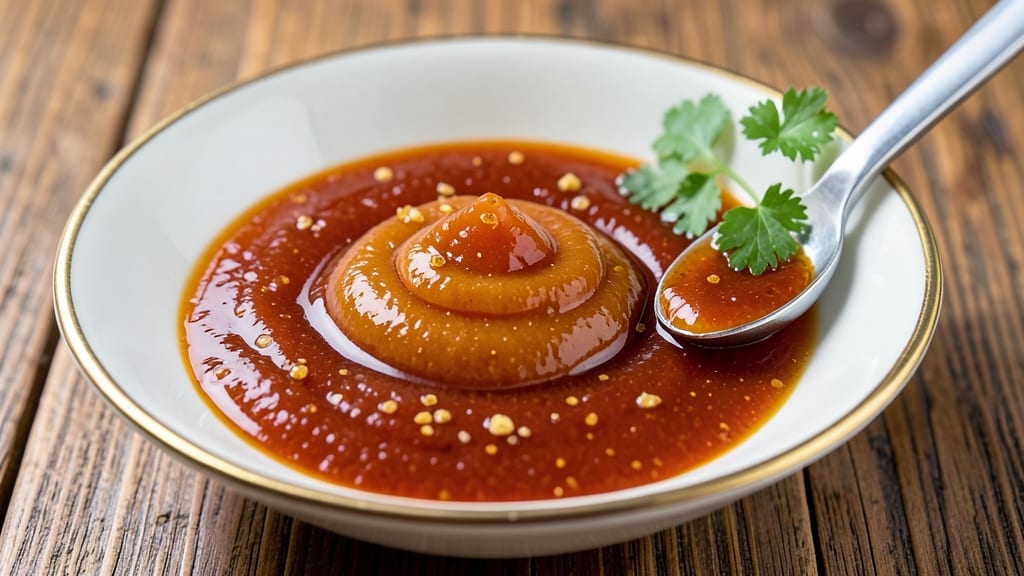
This authentic Japanese tonkatsu sauce recipe delivers the rich, tangy-sweet glaze that transforms crispy pork cutlets into a restaurant-worthy dish. 🌟 The secret lies in balancing traditional Japanese ingredients like Worcestershire sauce and mirin with just the right amount of ketchup and sugar for that signature depth of flavor.
I've perfected this recipe after years of testing, ensuring every spoonful captures the umami complexity that makes tonkatsu sauce truly special.
The sauce comes together through a simple yet precise simmering process, where the ingredients meld into a glossy, slightly thickened glaze. What makes this recipe stand out is the careful reduction that intensifies the flavors without overpowering the delicate balance of sweet, tangy, and savory notes.
You'll need just 10 minutes of active time, followed by a short simmer to achieve the perfect consistency.
What you'll end up with is a glossy, aromatic sauce that clings beautifully to crispy pork cutlets, enhancing their texture with every bite. The sauce keeps well in the refrigerator for up to two weeks, making it perfect for batch cooking or meal prep.
Whether you're serving tonkatsu or using it as a dipping sauce, this recipe delivers authentic Japanese flavor that's hard to find outside specialty stores.
For best results, simmer the sauce gently to avoid burning the ingredients, and taste as you go to adjust the sweetness or tanginess to your preference.
The final product should be smooth, slightly thickened, and ready to elevate any crispy fried dish. Here's everything you need to make it from scratch!
Ingredients for authentic japanese tonkatsu sauce
These 10 ingredients transform into the umami-packed glaze that makes tonkatsu unforgettable.
| Ingredient | Amount | Notes |
|---|---|---|
| Ketchup 🍅 | ½ cup | High-quality, no artificial additives |
| Worcestershire Sauce 🍶 | 2 tbsp | Lea & Perrins preferred for authenticity |
| Mirin 🍶 | 2 tbsp | Sweet cooking rice wine, not mirin substitute |
| Soy Sauce 🥢 | 2 tbsp | Japanese-style preferred, like Kikkoman |
| Granulated Sugar 🍚 | 2 tbsp | White sugar for pure sweetness |
| Dijon Mustard 🌶️ | 1 tbsp | Mild variety for subtle tang |
| Water 💧 | ¼ cup | For thinning if needed |
| Cornstarch 🌾 | 1 tsp | For thickening sauce |
| Sesame Oil 🫒 | 1 tsp | Toasted for nutty aroma |
| Garlic Cloves 🧄 | 2 cloves | Minced for depth of flavor |
Mirin is the star here—Japanese specialty stores carry the real stuff, but Trader Joe's or Amazon have decent options if you're in a pinch. Worcestershire sauce needs to be Lea & Perrins—anything else lacks that deep umami punch. Ketchup should be the good stuff (like Heinz or Hunts), not the sugary, artificial brands. Garlic matters too—freshly minced beats pre-minced every time. If you can't find mirin, dry sherry plus 1 tsp sugar works in a bind.
No mirin? Dry sherry plus 1 tsp sugar mimics the sweetness. Japanese soy sauce unavailable? Regular soy sauce plus 1/2 tsp sugar gets close. Skip the cornstarch? The sauce will be thinner, but still delicious—just reduce longer. Sesame oil can be swapped for toasted peanut oil if you're allergic. For extra depth, add 1/2 tsp grated ginger. The ketchup is non-negotiable—it's what gives tonkatsu sauce its signature tangy-sweet balance.
Sauce keeps for 2 weeks in the fridge, sealed in a jar. Freeze for 3 months if you're prepping ahead. I double the batch—one for tonkatsu, one for dipping crispy fried chicken. Store sesame oil separately if you want to add it fresh. The sauce thickens as it cools, so thin with water if needed. Taste as you go—adjust sugar or soy to balance sweet and salty.
Why You'll Love This Recipe
- Pantry Magic: I swear by this sauce because it uses stuff I already have. No special trips to the Asian market—just ketchup, Worcestershire, and a splash of mirin to brighten everything up. That’s it. No fuss, no stress.
- Sweet-Savory Balance: The sugar cuts through the soy’s saltiness while the Worcestershire adds this deep, umami punch. Honestly? It’s the kind of sauce that makes you lick the bowl—thick, glossy, and clinging to crispy tonkatsu like it’s meant to be there.
- Weeknight Hero: This isn’t just for tonkatsu. Drizzle it over grilled chicken, toss it with noodles, or even use it as a dipping sauce for fries. I’ve made it at least twice a week for months, and it never gets old.
- Lasts All Week: A single batch stretches across lunches, dinners, and midnight cravings. The mirin keeps it from spoiling fast, and the sugar helps it stay shelf-stable. Plus, it’s cheaper than store-bought—why pay extra when this tastes better?
Step-by-step instructions for authentic tonkatsu sauce
Here's how to make that perfect sweet-savory glaze that elevates crispy tonkatsu to restaurant quality.
🍳 Step 1: Sauté Garlic Until Fragrant
Heat a small saucepan over medium-low heat and add the 1 tsp sesame oil. Once the oil shimmers, add the 2 minced garlic cloves and cook for 30-45 seconds until you can smell that irresistible nutty aroma—this is when the garlic transforms from raw to aromatic.
Don't let it brown or it'll turn bitter. Here's the thing—garlic burns faster than you think. Keep the heat gentle and stir constantly. Once fragrant, immediately remove the pan from heat to preserve all that flavor we just unlocked.
🍳 Step 2: Combine Wet Ingredients for Flavor Fusion
Return the pan to medium heat and add the 0.5 cup ketchup, 2 tbsp mirin, 2 tbsp soy sauce, 2 tbsp Worcestershire sauce, 2 tbsp granulated sugar, and 1 tbsp Dijon mustard. Stir constantly for 3-4 minutes until the mixture begins to simmer and thicken slightly.
You'll notice the sugar starts to dissolve and the colors meld beautifully—deep reds from the ketchup blending with the amber tones of the mirin. This is where the magic happens: all those individual flavors begin to marry into something cohesive. Taste it now—it should be sweet, tangy, and umami-rich with a hint of garlic.
🥘 Step 3: Thicken with Cornstarch Slurry
In a small bowl, whisk together the 1 tsp cornstarch and 0.25 cup water until completely dissolved—this is your thickening agent. Pour this slurry into the simmering sauce while stirring constantly. The moment you add it, you'll see the sauce begin to thicken dramatically.
Keep stirring for another 2-3 minutes until the sauce reaches a glossy, syrupy consistency that coats the back of a spoon. It should be thick enough to drizzle but still flow smoothly—not gluey, not watery. If it's too thick, add a splash of water; if too thin, simmer longer. This is your quality control moment.
⏰ Step 4: Cool and Adjust for Perfection
Remove the sauce from heat and let it cool for 5 minutes—this resting period allows all the flavors to fully meld together. Taste again and make final adjustments: need more sweetness? Add a pinch of sugar. Too tangy? A splash of mirin. The sauce should balance sweet, salty, umami, and a subtle garlic aroma.
Real talk: this sauce tastes even better after it's had time to settle. If you're using it immediately, give it at least 10 minutes to fully develop its complex flavors. For maximum authenticity, let it rest overnight in the fridge before using—it'll deepen in flavor and become even more irresistible when reheated gently.
Pro Tips For Making Authentic Japanese Tonkatsu Sauce
- Simmer Low and Slow: I learned this the hard way—boiling tonkatsu sauce too hard turns it into glue. Keep the heat at a gentle simmer (tiny bubbles, not rolling) or the sugar and mirin will caramelize into a bitter mess. You want it to thicken gradually, not burn in 10 minutes.
- Use Real Mirin, Not Substitutes: Cheap cooking wine or "mirin-flavored" stuff lacks the right balance of sweetness and acidity. If you can’t find authentic mirin, reduce 1:1 with a splash of lemon juice and extra sugar—but the sauce won’t taste the same. Splurge here; it’s the ingredient that keeps the sauce from tasting like ketchup with soy sauce added.
- Balance the Soy Last: Add soy sauce after the ketchup and Worcestershire have simmered together for 3–4 minutes. Taste first—if it’s too salty, you can’t fix it. The mirin and sugar should mellow the soy’s sharpness, but rush it, and you’ll end up with a briny, one-dimensional sauce.
- Thicken with Cornstarch Slurry: Stirring in sugar alone won’t give you that glossy, coatable consistency. Mix 1 tsp cornstarch with 2 tsp cold water, then whisk it into the simmering sauce at the end. Let it bubble for 30 seconds—no longer, or it’ll seize. This is the non-negotiable step for that restaurant-quality sheen.
Pro cooking tips for this recipe
Heat Control Secrets
Use medium-low heat when sautéing garlic to prevent burning—this is where most home cooks mess up. I’ve ruined batches by cranking the heat too high, turning garlic bitter. Keep the pan just shimmering and stir constantly.
For the simmering phase, medium heat is ideal—too high and the sauce burns, too low and it won’t thicken properly. A small saucepan (8-inch) gives better heat control than a large one.
Cornstarch Slurry Hack
The cornstarch slurry is your thickening secret weapon. Whisk it thoroughly in a separate bowl first to avoid lumps—nothing ruins a sauce faster than grainy texture. Add it gradually while stirring constantly.
If the sauce thickens too quickly, add 1 tbsp water at a time until you reach that perfect glossy, syrupy consistency. Pro tip: Test it on a chilled plate—it should drip slowly but leave a visible trail.
Flavor Development Time
Don’t rush the 5-minute cooling period—this lets flavors meld. I’ve tasted sauces right after simmering only to find them flat. The sugar needs time to fully dissolve, and the umami compounds in Worcestershire and soy sauce need to bloom.
If you’re short on time, at least 10 minutes at room temperature makes a noticeable difference. For restaurant-quality depth, refrigerate overnight—it’ll taste even richer when reheated gently.
Adjusting Sweet-Tangy Balance
Taste as you go! The sauce should balance sweet (mirin/sugar), tangy (ketchup), and umami (Worcestershire/soy). Too sweet? Add 1 tsp soy sauce. Too tangy? A splash of mirin or 1 tsp sugar fixes it.
I keep a small bowl of each on the counter while cooking. Remember: tonkatsu sauce should make your mouth water—not pucker. The garlic should be subtle, not overpowering—if it’s too strong, reduce the amount next time.
Equipment Upgrades
A small saucepan with sloped sides (like All-Clad’s 8-inch) prevents spills and gives better heat distribution. For precision, I use a digital thermometer to monitor sauce temperature—ideal simmer range is 180-190°F. If you don’t have one, watch for gentle bubbles at the edges (not a rolling boil).
A fine-mesh strainer helps remove any garlic bits if you prefer ultra-smooth sauce. For storage, amber glass jars preserve flavor better than clear ones.
Troubleshooting Guide
Sauce too thin? Simmer uncovered for 2-3 more minutes or add ½ tsp more cornstarch. Too thick? Thin with 1 tsp water at a time. Burnt flavor? You cooked it too hot—next time use lower heat and stir more often. No garlic aroma? Cooked it too long or used pre-minced garlic. Grainy texture? Didn’t whisk the cornstarch slurry properly. Too salty? Add 1 tbsp mirin to balance. Each issue has a fix—don’t panic, just adjust!
Nutrition facts
Frequently asked questions
Can I make tonkatsu sauce without mirin?
Yes! Replace the 2 tbsp mirin with 2 tbsp dry sherry plus 1 tsp sugar for similar sweetness and depth. The sherry adds complexity while the sugar mimics mirin's natural sweetness. If you can't find sherry, use 2 tbsp honey or maple syrup instead, but the flavor will be slightly different.
How long does tonkatsu sauce keep?
Store your sauce in an airtight container in the fridge for up to 2 weeks. For longer storage, freeze for 3 months. Reheat gently in a saucepan over low heat or microwave in 20-second bursts until warm. The sauce may thicken further when refrigerated—thin with a splash of water if needed.
What's the best way to use leftover sauce?
This versatile sauce works beyond tonkatsu! Drizzle it over crispy fried chicken, use as a dipping sauce for tempura, or glaze grilled pork chops. For extra richness, add a pinch of sesame seeds or a drizzle of toasted sesame oil right before serving. It also makes a fantastic marinade for grilled meats.
Why did my sauce turn out too thin?
Thin sauce usually means one of two things: either the cornstarch wasn't fully dissolved before adding (create a smooth slurry!) or the sauce didn't simmer long enough. Fix it by simmering uncovered for 2-3 more minutes or adding ½ tsp more cornstarch mixed with 1 tsp water. Stir constantly until thickened to your liking.
Can I make this sauce without Worcestershire sauce?
Worcestershire is key for that authentic umami depth, but you can substitute with 2 tbsp soy sauce plus 1 tsp fish sauce for a similar savory punch. If you're vegetarian, use 2 tbsp soy sauce plus 1 tsp mushroom powder. The flavor won't be identical, but it'll still be delicious—just with slightly less complexity.