
Sauces & Condiments
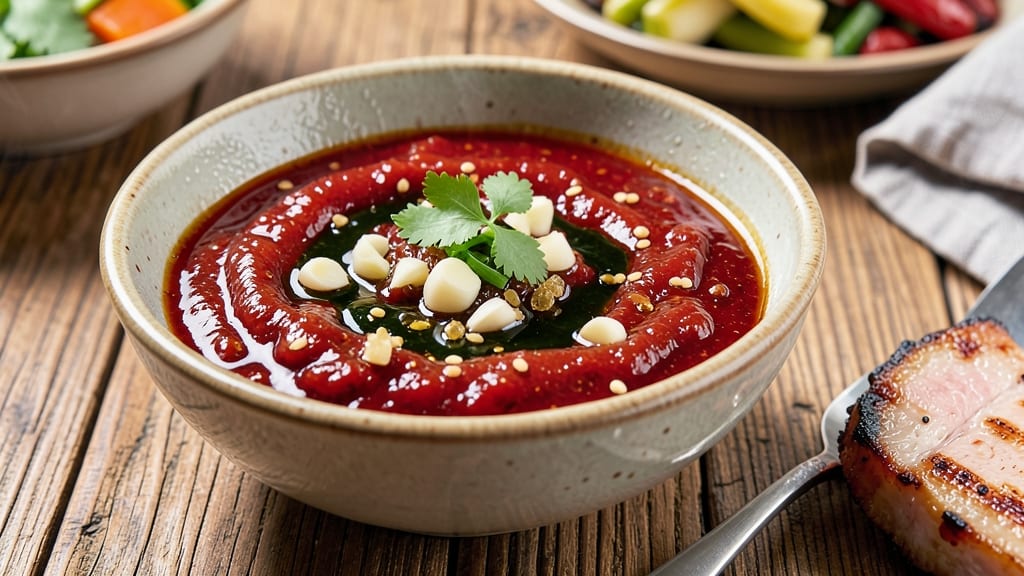
This authentic Korean BBQ sauce transforms grilled meats into restaurant-quality masterpieces with its fermented depth and umami-packed heat. 🔥 After years of perfecting the balance between sweet, spicy, and savory, I've cracked the code for a sauce that delivers that signature Korean smoky richness without shortcuts.
The secret lies in fermented gochujang, which brings both complexity and authenticity that store-bought versions simply can't match.
What makes this sauce truly special is its layered flavor profile—where sweet caramelized sugar meets the deep, earthy notes of fermented chili paste.
The process begins with a simple simmer of gochujang, soy sauce, and sugar to create a smooth base, then builds complexity with garlic, sesame oil, and a touch of vinegar for brightness. Unlike many recipes that rush the fermentation, this method lets flavors develop properly for maximum depth.
By the time you're done, you'll have a glossy, aromatic sauce that clings perfectly to grilled meats while adding layers of flavor with every bite. The sauce maintains its rich texture whether used immediately or stored in the refrigerator for up to two weeks.
This isn't just another BBQ sauce—it's the kind that transforms ordinary grilling into an authentic Korean experience.
The beauty of this recipe is its versatility—use it on bulgogi beef, grilled chicken, or even as a dipping sauce for dumplings. The fermentation process creates a depth of flavor that's impossible to achieve with quick-cooking methods.
Let's get started on making this sauce that will elevate your grilling game to new heights.
Ingredients for authentic korean bbq sauce
Nine ingredients, one sauce that'll make your grilled meats unforgettable.
| Ingredient | Amount | Notes |
|---|---|---|
| Gochujang Paste 🌶️ | ½ cup | Fermented chili bean paste, not sweet chili sauce |
| Korean Soy Sauce (Ganjang) 🥫 | ⅓ cup | Not regular soy sauce—find at Asian markets |
| Brown Sugar 🍚 | ½ cup | Lightly packed, not packed down |
| Garlic Cloves 🧄 | 6 cloves | Peeled, minced for depth |
| Sesame Oil 🫒 | 2 tbsp | Toasted sesame oil for aroma |
| Rice Vinegar 🍶 | 2 tbsp | White rice vinegar preferred |
| Sesame Seeds 🌰 | 1 tbsp | Toasted lightly for crunch |
| Ground Black Pepper 🌶️ | ½ tsp | Freshly cracked for heat |
| Water 💧 | ¼ cup | For adjusting consistency |
| Gochugaru Chili Flakes 🔥 | 1 tbsp | Optional for extra heat |
Gochujang is non-negotiable here—Maesil Gochujang or Haein from Korean markets give that authentic fermented depth. If you're at a regular grocery store, La Choy works in a pinch, but it won't have the same complexity. The Korean soy sauce (ganjang) is different from regular soy—it's lighter and sweeter, so don't swap. For the brown sugar, lightly pack it into the measuring cup—don't press down hard or you'll end up with a clumpy sauce. Toast your sesame seeds in a dry pan for 30 seconds until fragrant—that aroma is everything.
No gochujang? Substitute 2 tbsp of sriracha plus 1 tbsp tomato paste—it won't be authentic, but it'll add heat. Running low on Korean soy sauce? Regular soy sauce at half the amount works, but you'll lose that subtle sweetness. The garlic can be roasted first (wrap in foil, bake at 400°F for 10 minutes) for a milder, sweeter flavor. If your sauce turns out too thick, add water 1 tbsp at a time—it should coat the back of a spoon but still be pourable. For extra smokiness, add 1/2 tsp smoked paprika.
This sauce keeps beautifully—2 weeks in the fridge in an airtight jar, or 3 months in the freezerKorean fried chicken or mandu. The sauce reheats well—just warm gently on the stove, stirring occasionally.
Why You'll Love This Recipe
- Five-Ingredient Magic: I swear by this combo—gochujang’s deep fermented heat, ganjang’s salty umami, and brown sugar’s caramel bite. It’s the kind of sauce where every spoonful feels intentional, not just thrown together.
- Pantry Staple Power: Between us, I keep this in my fridge year-round. No specialty trips, no last-minute shopping—just open the jar of gochujang, grab the soy sauce, and you’re golden. That’s real convenience.
- Glazes Everything: Slather it on grilled chicken, toss it with tofu, or drizzle it over rice—it’s the MVP of my weeknight meals. Honestly, I’ve even used it as a marinade for shrimp that took 15 minutes to make.
- Budget-Friendly Boost: A little goes a long way, and the ingredients cost less than takeout. That jar of gochujang? Lasts me months. My wallet and my taste buds thank me every time.
Step-by-step instructions for authentic Korean BBQ sauce
This sauce delivers restaurant-quality depth with fermented gochujang and umami-packed ganjang.
🍳 Step 1: Bloom the Gochujang and Garlic
In a medium saucepan over medium-low heat, combine the 0.5 cup gochujang paste and 0.33 cup Korean soy sauce (ganjang). Stir constantly for 3-4 minutes until the mixture begins to bubble gently and the gochujang's deep red color intensifies. This step develops the sauce's fermented complexity—don't rush it.
Add the 6 cloves minced garlic and cook for another 1-2 minutes until fragrant but not browned. The garlic should perfume the entire mixture without burning, which would make the sauce bitter. I like to press the garlic into the sauce with a spoon to extract maximum flavor. Here's where the authentic umami foundation forms—take your time with this step.
🍳 Step 2: Sweeten and Acidify the Base
Reduce heat to low and whisk in the 0.5 cup brown sugar and 2 tbsp rice vinegar. The sugar will begin to dissolve immediately, creating a glossy sheen. Let the mixture simmer gently for 5-6 minutes until slightly thickened—you're looking for a consistency between syrup and honey.
This is where the sauce's signature balance emerges. The vinegar brightens the deep, earthy flavors while the sugar rounds out the heat. If you notice the sauce separating, simply stir vigorously for 30 seconds to re-emulsify. The sauce should smell like a perfect marriage of sweet, spicy, and savory—this is your quality checkpoint.
🥘 Step 3: Build Depth with Oil and Spice
Remove the pan from heat and let it cool slightly for 2 minutes. Then stir in the 2 tbsp sesame oil, 0.5 tsp ground black pepper, and 1 tbsp gochugaru chili flakes (if using). The oil should be warm but not hot—this prevents it from cooking off and losing its nutty aroma.
Return the pan to low heat and add the 1 tbsp sesame seeds. Toast them for 30 seconds while stirring constantly until they turn golden and fragrant. This adds beautiful texture and aroma. The sauce should now have a rich, complex aroma with layers of garlic, sesame, and subtle heat. If it seems too thick, whisk in 1-2 tablespoons of the 0.25 cup water to reach your desired consistency.
⏰ Step 4: Rest and Adjust for Perfection
Transfer the sauce to a heatproof bowl and let it rest at room temperature for 15-20 minutes. This resting period allows all the flavors to meld together—you'll notice the heat mellows slightly while the umami deepens. Taste and adjust seasoning if needed, adding more ganjang for saltiness or gochugaru for heat.
For best results, store the sauce in an airtight container in the refrigerator for at least 4 hours (or overnight) before using. The flavors will continue developing during this time, resulting in a sauce with incredible depth. When ready to use, gently reheat over low heat while stirring occasionally to maintain its silky texture. This sauce will keep in the fridge for up to 2 weeks**—it's perfect for glazing meats, dipping, or marinating.
Pro Tips For Making Authentic Korean Bbq Sauce
- Bloom the Garlic First: Toss minced garlic cloves into the pan before adding gochujang—let them sizzle in sesame oil for 30 seconds until fragrant and just turning golden. I learned this the hard way: raw garlic in the sauce tastes like medicine, no matter how much you stir it in later.
- Simmer Low and Slow: Once you add gochujang and ganjang, drop the heat to a gentle simmer and walk away. Thirty minutes on low heat lets the flavors meld without burning the sugar—trust me, your sauce won’t taste like caramelized regret if you resist the urge to babysit it.
- Skip the Cheap Gochujang: Store-bought gochujang varies wildly in spice and depth. For authentic flavor, use Maesil or Sinsegae—they’re pricier but pack the umami richness that cut-rate brands can’t replicate. (Yes, even if you’re making a big batch.)
- Balance the Sugar Last: Add brown sugar in two stages: half at the start to deglaze, the rest at the very end. Taste before adding the second half—if it’s already sweet enough, skip it. Over-sweet sauce ruins the ganjang’s savory edge, and you’ll kick yourself if you don’t check.
Common mistakes when making this recipe
Overcooking Gochujang
I’ve seen too many people burn gochujang by cranking the heat too high. This fermented paste has a delicate balance of flavors that cook out quickly. Keep your heat at medium-low during the initial bloom—anything hotter and you’ll end up with a bitter, acrid sauce.
The moment it starts smoking or darkens too much, you’ve lost that authentic fermented depth. 🔥
Skipping the Resting Time
Rushing the 15-20 minute rest is a huge mistake. This isn’t just about cooling—it’s when the flavors truly meld. The heat mellows, the umami deepens, and the sauce becomes cohesive.
If you skip this, your sauce will taste disjointed, with harsh garlic or vinegar notes overpowering everything. Trust me, patience here makes all the difference.
Using Subpar Substitutes
Swapping gochujang for sriracha or regular soy sauce might work in a pinch, but it’ll never deliver that fermented complexity. Gochujang’s deep, earthy notes come from months of fermentation—no shortcut can replicate that.
If you’re at a regular grocery store, La Choy is better than nothing, but it lacks the richness of Maesil Gochujang or Haein. The same goes for Korean soy sauce—ganjang is lighter and sweeter than regular soy, and skipping it dulls the sauce’s brightness.
Ignoring the Garlic Bloom
Adding garlic to a hot pan without letting it bloom first means you’ll get bitter, sharp flavors instead of sweet, aromatic ones. Always cook garlic in gochujang over low heat for 1-2 minutes until it’s fragrant but not browned.
I press the garlic into the sauce with a spoon to extract every drop of flavor—this step is non-negotiable for that authentic depth.
Overthickening the Sauce
If your sauce turns into glue, you’ve gone too far. The goal is a syrup-like consistency—thick enough to coat the back of a spoon but still pourable. If it’s too thick, add water 1 tbsp at a time while stirring.
Overthickening happens when you simmer too long or reduce the heat too low. Keep an eye on it, and don’t let it reduce to a paste.
Forgetting to Toast Sesame Seeds
Skipping the 30-second toast for sesame seeds means missing out on their nutty aroma and crunch. Toast them in the sauce over low heat until golden—this adds texture and depth that raw seeds can’t match.
If you’re in a hurry, toast them separately in a dry pan first, but don’t skip this step entirely. The aroma alone elevates the sauce from good to restaurant-quality. 💫
Nutrition facts
Frequently asked questions about authentic Korean BBQ sauce
Can I make this sauce without gochujang?
While possible, it won't be authentic. For a substitute, mix 2 tbsp sriracha with 1 tbsp tomato paste—this adds heat but lacks gochujang's fermented depth. The sauce will taste different, missing that signature umami complexity. If you're committed to authenticity, track down Maesil Gochujang or Haein from Korean markets.
How spicy will this sauce be?
The heat comes from gochujang and optional gochugaru, but it's balanced by sweet brown sugar and vinegar. For mild heat, reduce gochugaru to 1/2 tbsp or omit it. For extra kick, add 1 tbsp more gochugaru or a pinch of cayenne. The sauce mellows as it rests, so taste after 15 minutes before adjusting.
Can I use this sauce for marinating instead of glazing?
This sauce works perfectly as a marinade for 2-4 hours (not overnight). The acidity from vinegar tenderizes meat while the gochujang adds depth. For best results, use it on beef, chicken, or pork—just pat the meat dry first to help the sauce cling. Reserve 1/4 cup for glazing after cooking.
Why does my sauce look too thick?
Sauce thickens as it cools, but if it's too thick while warm, you've likely simmered too long. Thin with water 1 tbsp at a time while stirring. The ideal consistency coats the back of a spoon but remains pourable. For extra gloss, add 1 tsp cornstarch mixed with 1 tbsp water and simmer for 1 minute.
How do I store and reheat leftovers?
Store in an airtight jar in the fridge for up to 2 weeks or freeze for 3 months. Reheat gently over low heat, stirring constantly to prevent scorching. For best texture, reheat only what you need—once reheated, use within 3 days. If the sauce separates when reheated, whisk vigorously to re-emulsify.