
Sauces & Condiments
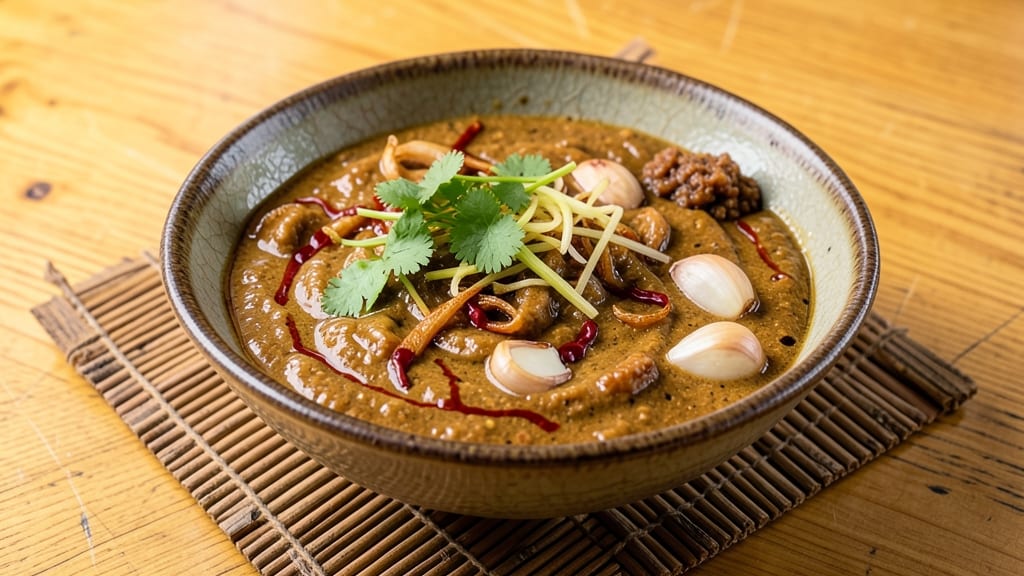
This authentic Indonesian peanut sauce recipe transforms every dish into a flavor explosion—rich, nutty, and packed with the bold spices of sambal kacang. The secret lies in slow-toasted peanuts and a balance of sweet, spicy, and umami notes that make it irresistible.
I developed this version after years of perfecting the texture and depth, ensuring it clings perfectly to satay, noodles, or even grilled meats.
The sauce starts with a fragrant paste of peanuts, shallots, garlic, and galangal—traditional aromatics that form the base. Coconut milk adds creaminess, while tamarind and palm sugar bring just the right tang and sweetness.
A touch of chili and shrimp paste (terasi) ensures that authentic Indonesian flavor that’s hard to replicate. The result? A velvety, clingy sauce with a perfect balance of heat and richness.
What sets this apart is the slow-cooking method, which deepens the peanut flavor and thickens the sauce naturally. No additives, no shortcuts—just pure, complex taste.
It’s the kind of sauce that elevates simple dishes into something extraordinary, whether you’re drizzling it over grilled skewers or tossing it with rice and vegetables.
Once made, this sauce keeps beautifully in the fridge for up to a week, so you can batch-cook and enjoy it all week long. Let’s make it—your taste buds will thank you.
Ingredients for authentic indonesian peanut sauce
Nine bold ingredients for a sauce that's nutty, spicy, and packed with authentic Indonesian soul.
| Ingredient | Amount | Notes |
|---|---|---|
| Raw Peanuts 🥜 | 1 ½ cups | Unsalted, dry-roasted for depth |
| Shallots 🧅 | 8 whole | Peeled, roughly chopped |
| Garlic Cloves 🧄 | 6 cloves | Peeled, whole for toasting |
| Galangal 🌿 | 1 piece | Fresh, about 3 inches long |
| Red Chili Peppers 🌶️ | 2 whole | Bird's eye or Thai chilies |
| Shrimp Paste (Terasi) 🦐 | 1 tbsp | Indonesian brand preferred |
| Coconut Milk 🥥 | 1 can | Full-fat, 13.5 oz can |
| Palm Sugar 🍯 | ¼ cup | Or sub light brown sugar |
| Tamarind Paste 🍈 | 2 tbsp | Unsweetened, thick consistency |
| Soy Sauce 🥢 | 1 tbsp | Dark soy for color depth |
| Vegetable Oil 🫒 | 2 tbsp | For dry-roasting peanuts |
| Salt 🧂 | ½ tsp | Adjust to taste |
The peanuts are the heart of this sauce—raw, unsalted, and dry-roasted until golden and fragrant. Trader Joe's or Asian markets carry the best quality in bulk, but any store's unsalted peanuts work. Galangal, that citrusy ginger relative, is non-negotiable for authenticity—substitute lemongrass if you can't find it, but it won't be the same. Shrimp paste (terasi) adds that unmistakable umami punch; look for Indonesian brands in Asian grocery stores. The shallots and garlic get toasted in oil until caramelized, building deep flavor that forms the sauce's backbone.
No galangal? Lemongrass plus a pinch of ginger mimics its citrusy kick. Short on shrimp paste? Anchovy paste at half the amount works in a pinch (though it's not traditional). The tamarind paste should be thick—if it's watery, strain it first. Palm sugar is ideal, but light brown sugar keeps things balanced. For heat control, remove the seeds from the chilies before blending. The sauce thickens as it cooks, but if it's too thin, simmer uncovered for 5-10 minutes—just don't walk away, or it'll burn.
This sauce tastes even better the next day as flavors meld. Store in an airtight jar in the fridge for up to 1 week, or freeze for 3 months in portions. I always make a double batch—one for immediate use, one to freeze. The sauce clings beautifully to grilled meats, noodles, or even rice dishes. For extra richness, stir in a splash of coconut milk before serving. Trust me, the leftovers are just as magical.
Why You'll Love This Recipe
- No-Fuss Blend: I swear by this—just toast the peanuts until they’re fragrant, then toss everything into a blender. No simmering, no straining, just pulse until it’s smooth. My blender’s seen better days, and this still comes out perfect every time.
- Galangal Magic: That earthy, citrusy galangal? It’s the secret weapon. One whiff of it frying with the shallots and garlic, and you’re transported straight to a street-side warung in Jakarta. Skip it, and you’re missing the soul of the sauce—trust me, I’ve tried.
- Sauce for Everything: Drizzle it over grilled chicken, toss it with noodles, or slather it on rice cakes. Honestly, I’ve even used it as a marinade for tofu—it’s that adaptable. The peanut richness balances anything, from spicy to mild.
- Pantry Goldmine: Raw peanuts and dried chilies? Cheap, shelf-stable, and packed with flavor. A single batch stretches for days—leftovers taste just as good reheated or cold. I make double portions on Sundays because, between us, I can’t resist using it twice in one week.
Step-by-step instructions for authentic Indonesian peanut sauce
Here's how to build this complex sauce layer by layer—where every ingredient plays a role.
Dry-Roast the Peanuts and Toast the Aromatics
Heat the 2 tablespoons vegetable oil in a heavy-bottomed skillet over medium heat. Add the 1.5 cups raw peanuts and toast for 8-10 minutes, stirring constantly, until they turn a rich golden brown and release their nutty aroma. Remove them immediately and set aside—they'll continue to darken slightly as they cool.
In the same skillet (no need to wipe it clean), add the 8 whole shallots, 6 cloves garlic, 1 piece galangal (peeled and cut into ½-inch slices), and 2 whole red chili peppers (seeds removed if you prefer less heat). Cook for 5-7 minutes until the shallots turn translucent and the garlic emits its sweet, pungent scent. This step develops the aromatic foundation of your sauce—don't rush it, or you'll burn the garlic before it releases its full flavor.
Build the Spicy-Sweet Base
Reduce the heat to low and add the 1 tablespoon shrimp paste (terasi). Stir for 1 minute until it darkens slightly and releases its umami-rich aroma—this is where the sauce gets its authentic Indonesian depth. Then add the 1 can coconut milk, scraping up any browned bits from the bottom of the pan. Bring to a gentle simmer.
In a small bowl, whisk together the 0.25 cup palm sugar, 2 tablespoons tamarind paste, and 1 tablespoon soy sauce with 2 tablespoons water to help dissolve the sugar. Pour this mixture into the simmering coconut milk and stir continuously for 5 minutes until the sauce thickens slightly and the sugar fully dissolves. You're aiming for a glossy, syrupy consistency that coats the back of a spoon—this balance of sweet, sour, and savory is what makes this sauce sing.
Blend and Refine the Texture
Transfer the sauce to a blender along with the toasted peanuts. Blend until completely smooth, scraping down the sides as needed. If the sauce is too thick, add 1-2 tablespoons water at a time until it reaches a pourable consistency—it should coat a spoon but still flow freely. Taste and adjust seasoning with the 0.5 teaspoon salt, adding more if needed. The sauce should be rich, nutty, with a lingering spicy warmth and bright tang from the tamarind.
Return the blended sauce to the skillet and simmer gently for 3-4 minutes over low heat. This final step ensures all the flavors meld together while maintaining that perfect balance. If the sauce starts to separate, stir in a splash of warm water to re-emulsify it. The result should be velvety, with visible peanut flecks if you prefer texture, or completely smooth if you like it refined.
Pro Tips For Making Authentic Indonesian Peanut Sauce
- TOAST PEANUTS LOW AND SLOW: I learned this the hard way—blasting raw peanuts on high heat turns them bitter fast. Instead, spread them on a dry pan over medium-low and stir every 30 seconds until they’re golden and fragrant (about 8-10 minutes). The aroma should hit you like a warm hug—that’s when you know they’re ready.
- GRATE GALANGAL FRESH, NO SUBSTITUTES: Dried galangal? Forget it. The fresh stuff’s zing is non-negotiable for that authentic kick. Use about 2 inches (or 30g) of the root—peel it first, then grate it fine. If you’re desperate, a splash of lime zest might help, but it’s not the same.
- BLOOM THE SPICES IN OIL: Don’t just toss shallots and garlic into the pan raw. Heat 2 tablespoons of oil first, then add sliced shallots and minced garlic. Let them sizzle for 30 seconds until fragrant—this builds flavor that disappears if you skip it. (Yes, even if you’re impatient like me.)
- STIR CONSTANTLY AFTER ADDING PEANUTS: The moment you mix in the toasted peanuts, the sauce can seize up. Keep stirring like your life depends on it for the first 2 minutes—this prevents clumping and ensures a smooth, velvety texture. I’ve burned more than one batch because I got distracted. Don’t be me.
Best sauces and condiments for these flavors
Satay's Signature Sauce
This peanut sauce is the soul of Indonesian satay—the skewered grilled meat that defines street food culture. The sauce's rich, nutty profile cuts through the smoky char of grilled meat while adding layers of umami from shrimp paste and bright acidity from tamarind.
I've served this sauce with beef satay at backyard gatherings, and it's always the first to disappear. 🌟
For an authentic touch, drizzle the warm sauce over freshly grilled skewers and serve with ketupat (rice cakes) or lompong (sticky rice). The sauce's velvety texture clings perfectly to the meat, creating a flavor bomb with every bite.
If you're short on time, a quick blend-and-drizzle method works—just toss the sauce with a splash of coconut milk and pour it over the skewers right before serving.
Spicy Peanut Dipping Sauce
Transform this sauce into a dipping sauce for spring rolls or fried tofu by thinning it slightly with warm water or coconut milk. The heat from the chilies and the nutty depth make it irresistible with crispy tempeh or vegetable spring rolls.
I like to add a pinch of white pepper for extra warmth—it’s a game-changer for crunchy textures. 🌶️
For a milder version, reduce the chilies to 1 whole pepper (seeds removed) and add a splash of lime juice at the end. This balances the richness and adds a refreshing zing. Serve it in a small bowl with a sprig of cilantro for garnish—it’s simple but always impressive.
Rice Bowl Elevator
This sauce is a must-have for Indonesian rice bowls (nasi goreng or nasi campur). Stir a generous spoonful into your fried rice, or drizzle it over steamed jasmine rice with grilled chicken or tofu.
The peanut flavor soaks into the rice beautifully, creating a cohesive, flavorful dish. 🍚
For extra depth, mix 1 teaspoon of kecap manis (Indonesian sweet soy sauce) into the sauce before serving. It adds a caramelized sweetness that pairs perfectly with the nutty, spicy notes. This combo is a crowd-pleaser at family dinners—everyone always asks for seconds.
Storage and Reuse
Store leftover sauce in an airtight glass jar in the fridge for up to 1 week, or freeze it in ice cube trays for easy portioning. The sauce thickens as it cools, so stir in a splash of warm water or coconut milk before reheating.
I often freeze half the batch to use later in stir-fries or curries. 🧊
If the sauce separates after storage, simply reheat it gently on the stove while stirring constantly. For extra richness, add a dash of coconut milk before serving. This sauce is incredibly versatile—use it as a marinade, a drizzle, or even a soup base for a quick Indonesian-inspired broth.
Nutrition facts
Frequently asked questions
Can I substitute peanut butter for raw peanuts?
Not for this authentic recipe! Raw peanuts develop deeper flavor when toasted, while peanut butter adds moisture and can make the sauce too thin. If you're in a pinch, use 1 cup dry-roasted peanuts (not salted) and blend them into the sauce after toasting. The texture will be smoother but less complex.
What if I can't find galangal?
No problem! Use a mix of 1 stalk lemongrass (finely chopped) and ½ teaspoon ground ginger for a close substitute. The citrusy notes will still shine through, though galangal's unique peppery aroma is irreplaceable for full authenticity.
How spicy should this sauce be?
The recipe balances heat with sweetness for a moderate kick. For milder heat, remove seeds from chilies before blending. For extra spice, add 1 extra chili pepper or a pinch of cayenne. Always taste as you go—Indonesian peanut sauce should tantalize, not overwhelm!
Can I make this sauce without coconut milk?
You can try, but the sauce will lose its signature creaminess. For a substitute, blend ½ cup Greek yogurt or coconut cream with ¼ cup water**> to mimic the texture. The sauce will be tangier but still delicious—just expect a slightly different mouthfeel.
Why does my sauce separate when stored?
This happens when fats (from peanuts/coconut milk) and liquids separate. Before storing, let the sauce cool completely, then press plastic wrap directly on the surface to minimize air exposure. When reheating, stir gently over low heat and add 1 tsp coconut milk to re-emulsify.