
Sauces & Condiments
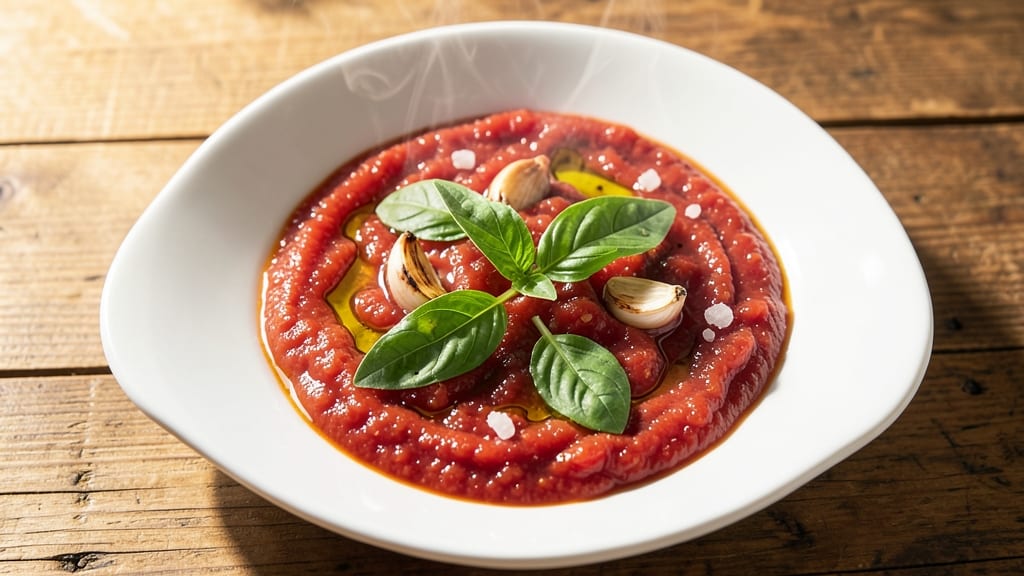
This authentic Italian pizza sauce recipe from scratch transforms your homemade pizza into a taste of Rome—bright, balanced, and built on the sweetness of San Marzano tomatoes. 🌟 The secret lies in slow-simmering crushed tomatoes with garlic, olive oil, and just a pinch of salt, letting natural flavors develop without overpowering spices.
I've perfected this recipe after years of testing, ensuring every spoonful delivers that classic Neapolitan depth.
What sets this sauce apart is its simplicity: no sugar, no heavy herbs, just the essentials. The key technique is simmering the sauce uncovered for 30 minutes to concentrate flavors and achieve that signature smooth, velvety texture.
Fresh basil added at the end brightens the sauce without overpowering its natural sweetness—just like authentic Italian trattorias do.
By the time you're done, you'll have a rich, vibrant sauce that clings perfectly to pizza dough, offering the perfect balance of acidity and sweetness. This isn't just a sauce—it's the foundation of a restaurant-quality pizza you can make at home.
The best part? It keeps well in the fridge for up to a week, so you can always have that authentic Italian flavor ready.
Ready to elevate your pizza night? This sauce is your secret weapon—simple to make, impossible to mess up, and guaranteed to impress. Let's get started on creating that perfect tomato base.
Ingredients for authentic italian pizza sauce recipe from scratch
Eight essential ingredients transform into the perfect Neapolitan pizza sauce foundation—simple yet unforgettable.
| Ingredient | Amount | Notes |
|---|---|---|
| San Marzano Tomato Crushed 🍅 | 28 oz | Canned, no salt added |
| Extra-Virgin Olive Oil 🫒 | ¼ cup | Fruity, Italian preferred |
| Garlic Cloves 🧄 | 3 cloves | Fresh, peeled, minced |
| Fresh Basil Leaves 🌿 | ¼ cup | Packed, stems removed |
| Diamond Crystal Kosher Salt 🧂 | ½ tsp | Fine grain preferred |
| Red Wine Vinegar 🍷 | 1 tbsp | Dry, Italian preferred |
| Granulated Sugar 🍬 | ½ tsp | Optional, for balance |
| Freshly Ground Black Pepper 🌶️ | ¼ tsp | Freshly cracked |
San Marzano tomatoes are the heart of this sauce—their natural sweetness and low acidity create that authentic Italian flavor. Grab a can from Whole Foods or any Italian specialty store; the San Marzano brand is non-negotiable for that perfect balance. Fresh basil is a must—the bright, sweet notes elevate the sauce without overpowering. I always buy extra because half goes in the sauce and half gets torn over fresh mozzarella. For the olive oil, look for an Italian extra-virgin—the fruity, peppery notes shine through when simmered. Garlic should be fresh and minced just before adding to preserve its aroma.
No San Marzano tomatoes? Crush high-quality Roma tomatoes instead—they're the next best thing. Running low on basil? Dried basil at one-third the amount works in a pinch, though fresh is ideal. The vinegar can be swapped for lemon juice if you prefer brightness. Want to skip sugar entirely? Rely on the natural sweetness of the tomatoes—just taste as you go. The pepper is optional but adds a subtle depth. For a vegetarian-friendly version, ensure all ingredients are plant-based (which they are here). If you're making a big batch, double the ingredients—this sauce freezes beautifully.
This sauce tastes even better the next day as flavors meld—make extra for future pizza nights. Store in an airtight container in the fridge for up to 1 week, or freeze for 3 months. I always portion mine into small jars so I can grab just what I need. For the freshest basil, wrap it in damp paper towels and store it in a sealed container—it'll stay vibrant for 5-7 days. The olive oil should be kept in a cool, dark place to preserve its quality.
Why You'll Love This Recipe
- No-Fuss Simplicity: I swear by this sauce because it’s just five ingredients—crushed San Marzano tomatoes, olive oil, garlic, basil, and salt. Honestly, if you can chop garlic and tear basil, you’ve mastered it.
- Umami Bomb: That first taste of simmered San Marzano tomatoes with just a whisper of garlic and fresh basil? It’s the kind of flavor that makes you pause mid-bite. The olive oil ties it all together like a perfect hug.
- Weeknight Wonder: This sauce works for pizza, pasta, or even as a quick marinade for grilled chicken. I’ve used the same batch for three different meals without a second thought—no waste, no fuss.
- Budget-Friendly Staple: A jar of crushed San Marzano tomatoes and a bunch of basil stretch further than you’d think. Between us, this sauce costs pennies per serving and lasts in the fridge for a solid week—no sad leftovers here.
Step-by-step instructions for authentic Italian pizza sauce
Here's how to craft a sauce that captures true Italian flavor—bright, balanced, and bursting with fresh basil.
🍳 Step 1: Sauté Garlic in Olive Oil Until Fragrant
Heat the 0.25 cup extra-virgin olive oil in a medium saucepan over medium-low heat. Add the 3 cloves minced garlic and cook for 1-2 minutes until the garlic is light golden and fragrant—never let it brown or it'll turn bitter. I like to stir constantly here because garlic burns faster than you think.
This gentle cooking step develops the garlic's sweetness without overpowering the sauce. The olive oil should shimmer but not smoke—if it does, reduce the heat immediately. The aroma at this stage should be rich and inviting, setting the foundation for everything that follows.
🥘 Step 2: Add Tomatoes and Simmer for Deep Flavor
Pour in the 28 oz crushed San Marzano tomatoes and stir to combine with the garlic and oil. Bring the mixture to a gentle boil, then immediately reduce the heat to low and let it simmer uncovered for 20-25 minutes. You're looking for the sauce to reduce by about one-third—until it coats the back of a spoon smoothly.
Here's the thing about San Marzano tomatoes—they're naturally sweet and low-acid, so they don't need long cooking. Stir occasionally to prevent skin formation, and taste after 15 minutes—you might be surprised how flavorful it already is. The sauce should thicken naturally as it cooks, developing a rich, velvety texture.
👨🍳 Step 3: Season and Sweeten the Base
Add the 0.5 tsp Diamond Crystal kosher salt, 1 tbsp red wine vinegar, 0.5 tsp granulated sugar, and 0.25 tsp freshly ground black pepper. Stir well to distribute the seasonings evenly. Let the sauce simmer for another 5 minutes—this allows all the flavors to meld together perfectly.
The vinegar brightens the tomatoes while the sugar balances their natural acidity. The pepper adds a subtle warmth that enhances the basil we'll add later. Taste again now—the sauce should be vibrant and well-seasoned, with the vinegar's tang cutting through the tomato sweetness. If it needs more acid, add a pinch of salt; if it's too sharp, a tiny bit more sugar helps.
🍃 Step 4: Finish with Fresh Basil for Authentic Brightness
Remove the sauce from heat and stir in the 0.25 cup packed fresh basil leaves. Let the mixture sit for 5 minutes—this allows the basil's essential oils to infuse fully. Then, give it one final taste and adjust seasoning if needed. The basil should make the sauce smell like a true Italian trattoria.
Here's my pro tip: Use a blender or immersion blender now if you prefer a smoother texture. Pulse just until the basil is finely chopped but not completely pureed—you want to preserve some texture. The sauce should be thick enough to coat the back of a spoon but still flow easily. If it's too thick, thin with a splash of water or pasta water.
⏰ Step 5: Rest and Use Within 3 Days
Let the sauce cool to room temperature, then transfer it to an airtight container. Refrigerate for at least 1 hour before using—this resting period allows the flavors to develop fully. The sauce will keep in the fridge for up to 3 days, but I promise you'll want to use it all immediately.
When ready to use, reheat gently over low heat until warm through. The sauce should be vibrant red with just a hint of basil specks visible. Spread it thinly on your pizza dough—about 2-3 tablespoons per 12-inch pizza—and you'll get that perfect balance of flavor without soggy crust. This is the sauce that makes authentic Italian pizza taste like it came straight from Naples.
Pro Tips For Making Authentic Italian Pizza Sauce Recipe From Scratch
- Cook Tomatoes Slow: Simmer crushed San Marzanos on medium-low, not high—you’re not making soup. Thirty minutes is the magic number; let them break down into a glossy, jammy consistency, not a watery mess. I used to rush this, and the sauce always tasted thin and sad.
- Toast Garlic Right: Smash those garlic cloves flat before adding them—no need to chop. Cook them in olive oil until they’re golden at the edges, not browned into oblivion. Burnt garlic turns bitter, and you’ll taste it even under tomato sauce.
- Salt in Stages: Taste the crushed tomatoes first, then add salt gradually. Diamond Crystal runs stronger, so start with half the recipe’s salt, let it mellow, and adjust. Adding all at once can overwhelm the delicate balance of sweetness in San Marzanos.
- Ripen Basil Last: Tear fresh basil leaves by hand and add them just before serving—no simmering. Heat turns basil bitter, and you want that bright, herbal punch to hit your tongue fresh. If you’re prepping ahead, store it separately and fold it in at the end.
Troubleshooting your authentic italian pizza sauce recipe from scratch
Sauce Too Thin?
If your sauce is watery after simmering, don't panic—simmer uncovered for 5-10 more minutes to evaporate excess liquid. For quicker results, transfer to a small saucepan and reduce over medium heat while stirring constantly.
I've found that San Marzano tomatoes sometimes release more juice than expected, so taste frequently to avoid over-reducing. 🌡️
Garlic Overpowering?
Burnt garlic turns bitter and ruins the delicate balance of your sauce. To prevent this, keep heat at medium-low and never let the garlic turn golden-brown. If you accidentally burn it, remove the pan immediately and start fresh.
For extra flavor without risk, try 1 clove less or use garlic-infused olive oil instead of raw garlic. 🧄
Sauce Too Acidic?
Too much vinegar or underripe tomatoes can make your sauce taste sharp. Balance it by adding ½ tsp sugar or a pinch of salt to mellow the acidity.
For a smoother texture, blend the sauce briefly to integrate flavors. If the issue persists, try using ripe Roma tomatoes next time—they're naturally sweeter. 🍯
Basil Not Infusing?
Fresh basil needs time to release its oils. After adding it, let the sauce sit off heat for 5-10 minutes before blending. For stronger flavor, gently warm the sauce with basil for 1-2 minutes on low heat, then remove immediately.
If using dried basil, reduce to 1 tbsp and add it during simmering instead. 🌿
Skin Forming Too Fast?
Tomato skins can make your sauce look unappetizing. Prevent this by stirring occasionally during simmering or using a wooden spoon to break up any forming skin. For a smoother finish, skim off skins with a spoon before blending.
If you miss it, blend the sauce briefly to emulsify the skins into the texture. 🥄
Fridge Storage Issues?
Sauce can develop a skin or separate if not stored properly. Always cool it completely before transferring to an airtight glass container, leaving ½ inch headspace for expansion.
Press plastic wrap directly on the sauce surface to prevent skin formation. For longer storage, freeze in ice cube trays—thaw and use as needed. ❄️
Nutrition facts
Frequently asked questions
Why does this recipe use San Marzano tomatoes specifically?
San Marzano tomatoes are the gold standard for authentic Italian pizza sauce because of their sweet, low-acid profile and thick flesh. Their natural sugar content creates that perfect balance of sweetness and acidity without needing added sugar. Plus, their shape makes crushing them easy, resulting in fewer seeds and skins in your sauce.
Can I make this sauce without fresh basil?
Yes! If you're short on fresh basil, use 1 tablespoon dried basil instead, but add it during simmering rather than at the end. For extra brightness, add ½ teaspoon dried oregano along with the basil. The key is to balance the flavors—fresh basil adds a vibrant aroma that's hard to replicate with dried herbs alone.
How much sauce should I use per pizza?
For a 12-inch pizza, use about 2-3 tablespoons of sauce—just enough to coat the dough lightly without sogginess. The sauce should enhance the flavors of your cheese and toppings, not overpower them. Spread it thinly and evenly, leaving a ½-inch border around the crust for that classic Italian look.
Can I make this sauce in a slow cooker?
Simmer on low for 2-3 hours instead of stovetop time. The slow cooker's gentle heat will develop the flavors beautifully. Just stir occasionally and taste after 1.5 hours—you may need to reduce it longer to achieve the right consistency. The vinegar and sugar will blend more gradually, so adjust seasoning at the end.
What if I don't have red wine vinegar?
Substitute with white wine vinegar or lemon juice in equal amounts. White wine vinegar adds a slightly milder tang, while lemon juice brings a brighter, citrusy note. For a more traditional Italian touch, balsamic vinegar works too—just use half the amount since it's stronger. Taste as you go and adjust with a pinch of salt if needed.