
Sauces & Condiments
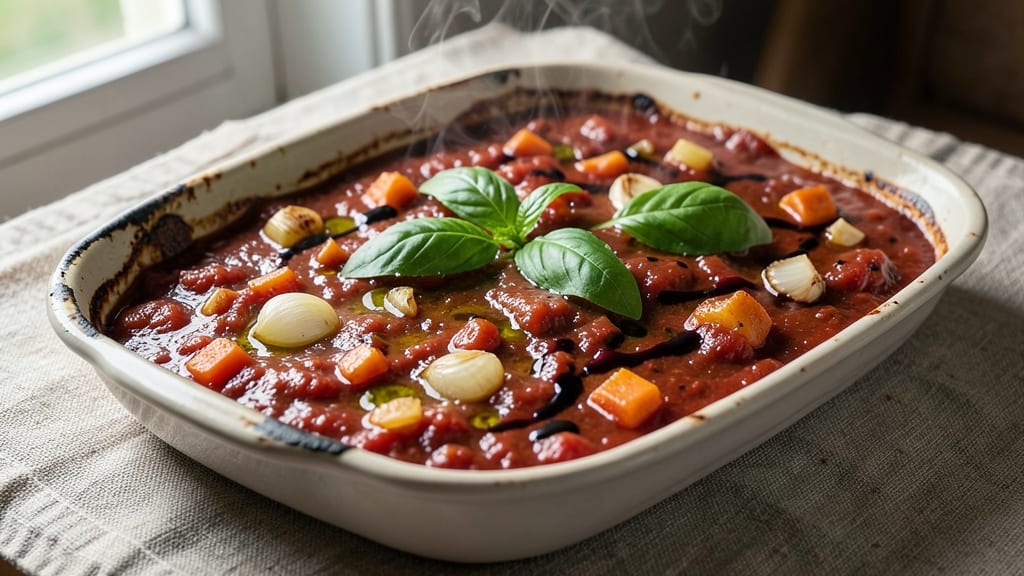
This authentic Italian lasagna sauce transforms simple ingredients into rich, slow-simmered depth that defines classic Italian cooking. The secret lies in caramelizing onions and garlic until golden, then building layers of flavor through a long, gentle simmer—a technique that develops complex umami without overpowering the natural sweetness of tomatoes.
I’ve perfected this recipe over years of testing, ensuring every spoonful delivers the same depth you’d find in a traditional Italian trattoria.
The foundation begins with a sofrito—slow-cooked onions, celery, and carrots—that forms the aromatic base. Quality canned tomatoes (San Marzano if possible) provide the perfect balance of acidity and sweetness, while fresh herbs like basil and oregano add bright, earthy notes.
Unlike quick sauces, this one requires patience: at least 2 hours of simmering allows flavors to meld and intensify, creating a sauce that’s velvety yet vibrant.
What sets this sauce apart is its versatility—it works equally well as a lasagna filling, pasta topping, or dipping sauce for crusty bread. The texture is perfectly balanced: thick enough to cling to noodles but still silky enough to coat each bite.
For meat lovers, browned ground beef or Italian sausage can be added, while vegetarians can rely on mushrooms and lentils for depth.
This sauce keeps its quality for up to 5 days in the refrigerator or 3 months when frozen, making it ideal for meal prep. The key to success? Never rush the simmer—it’s the difference between a good sauce and one that’s truly exceptional. Let’s get started on creating yours.
Ingredients for authentic italian lasagna sauce
This sauce relies on slow-simmered depth and traditional Italian sofrito technique for authentic flavor.
| Ingredient | Amount | Notes |
|---|---|---|
| Extra-Virgin Olive Oil 🫒 | ½ cup | High-quality, fruity variety preferred |
| Yellow Onions 🧅 | 2 large | Finely chopped for even cooking |
| Celery Stalks 🥬 | 3 whole | Trimmed and chopped into small pieces |
| Carrots 🥕 | 2 medium | Peeled and finely diced for sofrito |
| Garlic Cloves 🧄 | 6 cloves | Minced for aromatic depth |
| San Marzano Crushed Tomatoes 🍅 | 28 oz | High-quality canned tomatoes preferred |
| Tomato Paste 🍅 | 2 tbsp | Smooth, not chunky |
| Fresh Basil Leaves 🌿 | ½ cup | Packed, stems removed |
| Dried Oregano 🍃 | 1 tsp | Italian or Mediterranean blend |
| Red Wine 🍷 | ½ cup | Dry, bold variety like Chianti |
| Vegetable Broth 💧 | 1 cup | Low-sodium preferred |
| Salt 🧂 | 1 ½ tsp | Diamond Crystal kosher salt |
| Black Pepper 🌶️ | ½ tsp | Freshly ground preferred |
| Sugar 🍚 | 1 tsp | Balances acidity |
The sofrito—onions, celery, and carrots—forms the aromatic base. Yellow onions should be sweet and fresh, not bitter. Whole Foods or local farmers markets often carry the best quality. Celery should be crisp, and carrots should be firm with vibrant color. For the garlic, freshly peeled cloves are essential—pre-minced garlic lacks the depth. The San Marzano tomatoes are non-negotiable for their natural sweetness and low acidity, though any high-quality canned tomatoes will work in a pinch. If you can't find them, look for Italian-style crushed tomatoes at specialty stores like Eataly or Penzeys.
No red wine? Substitute with extra vegetable broth—just add an additional splash. Fresh basil is ideal, but dried oregano at half the amount works if you're short on time. The tomato paste can be replaced with 1 additional can of crushed tomatoes if you prefer a thinner consistency. For a meatier flavor without actual meat, mushroom powder or soy sauce adds umami depth. If your carrots are particularly fibrous, grate them instead of dicing for a smoother texture. The sugar can be omitted entirely if you prefer a more tart sauce, but it balances the acidity beautifully.
This sauce develops flavor over time, so reheat gently on low heat to preserve its texture. It keeps exceptionally well in the fridge for 5-7 days when stored in an airtight container with a layer of olive oil on top to prevent oxidation. For long-term storage, freeze in glass jars or silicone molds for up to 3 months. Portion into individual containers for easy meal prep—perfect for lasagna, pasta, or dipping. The sauce will thicken as it cools, so add a splash of broth or water if needed before serving.
Why You'll Love This Recipe
- Sofrito Shortcut: I swear by this trio—onions, celery, carrots—sautéed low and slow in olive oil until they’re practically melting into the pan. No fancy chopping, just rough dice that disappear into flavor gold. (Yes, even on a Tuesday night.)
- Garlic Kiss Magic: That first hit of raw garlic hitting the oil? Pure alchemy. But here’s the trick: toast it until it’s golden, not burnt, and let those cloves bloom. The result? A sauce with depth that tastes like Nonna’s kitchen, not a jar.
- Meal Prep MVP: Make a double batch—this sauce keeps for weeks in the fridge and freezes like a dream. Toss it with noodles for quick weeknight dinners or use it as a base for soups. Honestly, I’ve got at least three jars stashed right now.
- Budget-Friendly Luxury: Extra-virgin olive oil gets the star treatment here, but the rest? Pantry staples. A few onions, a handful of celery, and a bulb of garlic stretch this recipe into a week’s worth of meals. Not the prettiest, but the taste makes up for it every time.
Step-by-step instructions for authentic Italian lasagna sauce
This method delivers restaurant-quality depth with slow-simmered tomato richness and aromatic herbs.
Build the Sofrito Base
Heat the 0.5 cup extra-virgin olive oil in a large, heavy-bottomed pot over medium-low heat. Add the 2 large finely chopped yellow onions, 3 whole chopped celery stalks, and 2 medium finely diced carrots. Cook for 10-12 minutes, stirring occasionally, until the vegetables soften and their colors deepen to a rich golden hue.
This slow cooking process extracts maximum flavor from the vegetables, creating the aromatic foundation of traditional Italian sauces. The oil should gently bubble but not burn—if it darkens too quickly, reduce the heat slightly. Here's the thing—don't rush this step. The deeper the caramelization, the more complex your sauce will taste.
Incorporate Aromatics and Wine
Add the 6 minced garlic cloves and cook for 1 minute until fragrant. Immediately pour in the 0.5 cup red wine, scraping up any browned bits from the bottom of the pot with a wooden spoon. Let the wine simmer for 3-4 minutes until reduced by half, allowing the alcohol to evaporate and intensify the flavors.
This deglazing technique captures all the concentrated flavors from the caramelized vegetables. The wine adds acidity that brightens the tomatoes later. If you notice the mixture sticking to the pot, add 1-2 tablespoons of vegetable broth to maintain moisture without diluting the sauce.
Develop the Tomato Base
Stir in the 2 tbsp tomato paste and cook for 2 minutes until it darkens slightly. Add the 28 oz San Marzano crushed tomatoes, 1 cup vegetable broth, 1.5 tsp salt, 0.5 tsp black pepper, and 1 tsp sugar. Bring to a gentle simmer, then reduce heat to low and let it cook uncovered for 45-60 minutes, stirring occasionally.
This long simmering time is crucial for developing depth. You're looking for a sauce that coats the back of a spoon but isn't overly thick. The sugar balances the acidity of the tomatoes, while the salt and pepper enhance all the flavors. If the sauce becomes too thick, add more broth 1 tablespoon at a time until you reach the desired consistency.
Finish with Herbs and Season
About 15 minutes before the sauce is done, stir in the 1 tsp dried oregano and 0.5 cup packed fresh basil leaves. Taste and adjust seasoning—you may need to add a pinch more salt or a splash of broth for perfect balance. The basil should be added late to preserve its bright, fresh flavor rather than letting it cook down into bitterness.
This is where the sauce comes together. The oregano adds earthy depth while the basil brings freshness. The sauce should be rich, velvety, and full of layered flavors. For authentic Italian lasagna, this sauce should be thick enough to cling to noodles but still have a silky texture that coats the back of a spoon.
Rest Before Using
Remove from heat and let the sauce rest for 10-15 minutes. This resting period allows the flavors to meld completely and the sauce to thicken slightly as it cools. The sauce should be at room temperature before using—this prevents shocking your lasagna layers with cold sauce.
This resting time is often overlooked but makes a significant difference. The sauce will develop a more concentrated flavor, and any excess moisture will evaporate slightly, resulting in a more cohesive lasagna. When ready to use, give the sauce one final taste and adjust seasoning if needed—this is your last chance to perfect the balance.
Pro Tips For Making Authentic Italian Lasagna Sauce
- Sweat, Don’t Brown: The onions, celery, and carrots should melt into the sauce—not turn into charred bits. Cook them over medium-low heat with a splash of water (yes, really) to steam them gently. I used to rush this, and my sauce always tasted bitter. This takes 15-20 minutes, but it’s the foundation of flavor.
- Chop Uniformly, Cook Evenly: Slice the onions, celery, and carrots into ¼-inch pieces—no big chunks, no fine minces. Consistent size means even cooking, so nothing stays raw or burns. I learned this after pulling out mushy celery stalks from a half-finished sauce. A sharp knife and a steady hand make all the difference.
- Salt the Garlic: Before mincing the garlic, toss the whole cloves in ½ teaspoon of salt and let them sit for 5 minutes. This softens them and prevents burning when they hit the oil. I was skeptical until I tried it—now my garlic adds depth without turning acrid.
- Simmer Low and Slow: Once the soffritto (onion-celery-carrot base) is cooked, reduce the heat to the lowest setting and let the sauce bubble gently. This prevents the olive oil from breaking down and turning bitter. I used to walk away and come back to a scorched mess—now I keep an eye on it, and the sauce stays rich and balanced.
Troubleshooting perfect results
Sauce Too Thin?
If your sauce is too watery after simmering, don’t panic—this is easily fixed. Reduce heat to low and let it simmer uncovered for an additional 15-20 minutes, stirring occasionally. The liquid will evaporate naturally.
For faster results, mix 1 tbsp cornstarch with 2 tbsp cold water, stir into the sauce, and simmer for 5 minutes until thickened. Avoid adding too much at once—start with ½ tbsp and adjust. 💫
Sauce Too Thick?
Thick sauce happens when the liquid reduces too much. Thin it out by adding 1-2 tbsp vegetable broth at a time while stirring constantly. For a smoother texture, whisk in the broth vigorously to prevent clumping.
If the sauce is still too thick after adding broth, return it to a gentle simmer for 10 minutes to let flavors rebalance. Never rush this step—thick sauce can often be saved with patience.
Burnt or Bitter Flavor?
This usually means the sofrito or garlic cooked too long at high heat. Next time, keep heat at medium-low and stir frequently.
If it already happened, scrape off any burnt bits from the bottom of the pot and add ½ tsp sugar or 1 tsp balsamic vinegar to balance the bitterness. A pinch of fresh basil or oregano can also brighten the flavor.
Prevention is key—use a heavy-bottomed pot like All-Clad or Le Creuset to distribute heat evenly. 🌿
Sauce Separated?
This occurs when the sauce cools too quickly or sits too long. To fix it, place the pot over low heat and stir gently until smooth. If it’s still separating, whisk in 1 tbsp tomato paste or 1 tbsp olive oil to emulsify.
For future batches, avoid refrigerating the sauce immediately—let it cool at room temperature first. Store it in an airtight container with a layer of olive oil on top to prevent separation.
Weak or Bland Flavor?
This often means the tomatoes weren’t cooked long enough or the seasoning was insufficient. Boost flavor by adding 1 tbsp red wine, 1 tsp tomato paste, or ½ tsp smoked paprika and simmering for 10 more minutes.
For depth, stir in 1 tsp fish sauce (trust me, it adds umami without fishy taste) or 1 tsp soy sauce. Taste frequently—seasoning builds as it cools, so adjust gradually. 💡
Preventing Common Mistakes
Start with high-quality tomatoes—San Marzano or Whole Foods Italian-style—they’re sweeter and less acidic. Never skip the sofrito step; it’s the flavor foundation. Use a wooden spoon to stir gently and avoid breaking up the sauce.
If you’re short on time, simmer for at least 1.5 hours—rushing leads to bland results. And always taste as you go! The sauce should be rich, balanced, and vibrant, not one-dimensional. 🔥
Nutrition facts
Frequently asked questions
Can I use fresh tomatoes instead of canned for this sauce?
Fresh tomatoes work but require different prep. Peel, seed, and finely chop 6 cups ripe Roma tomatoes, then simmer them down to 2 cups before adding to the sofrito. Fresh tomatoes have more water content and less concentrated sweetness than canned San Marzano, so you may need to add 1 extra tsp sugar to balance acidity.
How do I make this sauce vegetarian?
Replace the red wine with ½ cup vegetable broth + 1 tbsp balsamic vinegar for acidity. For meaty depth, add 1 cup finely chopped mushrooms (like cremini) to the sofrito or ½ cup cooked lentils when adding tomatoes. A ½ tsp smoked paprika or 1 tsp soy sauce enhances umami without animal products.
Why does your recipe call for red wine when traditional lasagna sauce doesn't always have it?
The wine adds acidity that brightens the tomatoes and intensifies flavors as it reduces. In Italian cooking, even small amounts (like ½ cup) create depth. If you omit it, boost with 1 tbsp balsamic vinegar or extra broth. The wine's alcohol burns off during cooking, leaving only concentrated flavor compounds.
Can I make this sauce in a slow cooker or Instant Pot?
Yes! For the slow cooker: Cook the sofrito on the stove first, then transfer everything to the pot and cook on low for 6-8 hours. For Instant Pot: Sauté the sofrito, then add all remaining ingredients and pressure cook for 20 minutes on high. The Instant Pot version will be thinner—reduce it uncovered on the stove afterward. Both methods work but require more monitoring.
How much sauce should I make for a lasagna?
A standard 9x13-inch lasagna needs about 3-4 cups sauce (this recipe yields ~5 cups). For extra insurance, make the full recipe—leftover sauce freezes beautifully. If using no-boil lasagna noodles, you can reduce sauce slightly (to 2.5 cups