
Sauces & Condiments
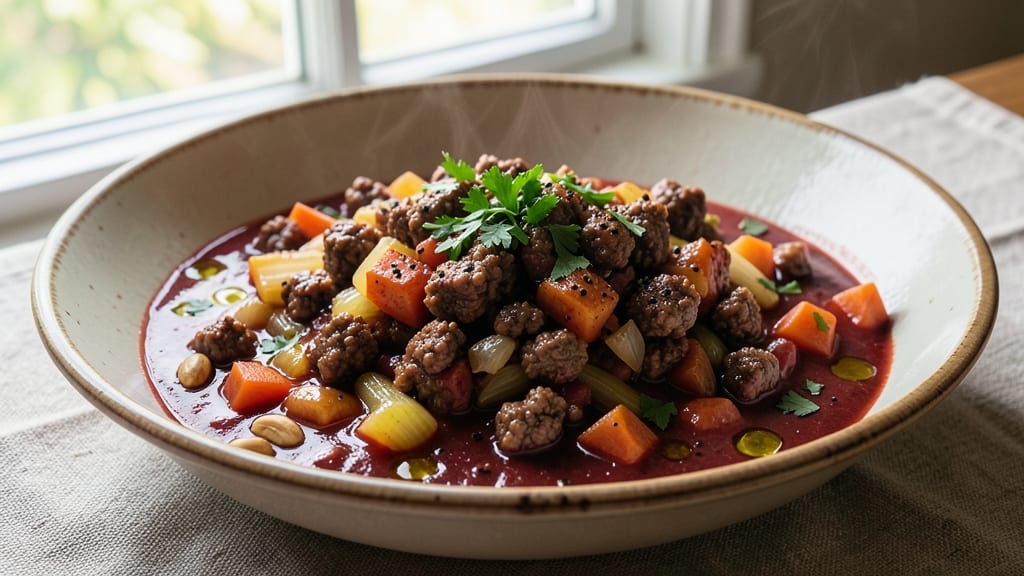
Alton Brown’s bolognese sauce recipe transforms humble ingredients into a rich, complex sauce that builds flavor through slow simmering. The secret lies in developing a deep tomato fond—caramelized bits that form the sauce's soul—before adding wine and meat for layers of umami. This isn't just a sauce; it's a flavor journey that rewards patience with restaurant-quality depth in every spoonful.
What sets this recipe apart is the methodical approach: browning onions and celery until deeply golden, deglazing with wine to dissolve flavor, then simmering for hours until the sauce thickens into velvety perfection.
No shortcuts here—just time and technique working together. The result? A sauce so flavorful it elevates simple pasta into an Italian masterpiece.
This bolognese keeps beautifully for up to 5 days in the fridge or freezes for months, making it perfect for meal prep. The slow cooking process allows flavors to meld and deepen, creating a sauce that tastes even better the next day.
Whether you're feeding a crowd or saving leftovers for lunch, this recipe delivers consistent, professional-quality results every time.
The beauty of this sauce is its versatility—use it over pasta, as a pizza topping, or even as a hearty filling for stuffed vegetables. The key is letting it work its magic through slow simmering, which transforms basic ingredients into something extraordinary.
Let's get started on creating your own flavor-packed bolognese sauce.
Ingredients for alton brown bolognese sauce
Fifteen ingredients, each playing a crucial role in building Alton Brown's signature depth through slow-simmered technique.
| Ingredient | Amount | Notes |
|---|---|---|
| Extra-Virgin Olive Oil 🫒 | ¼ cup | High-quality, fruity variety |
| Yellow Onion 🧅 | 1 whole | Medium size, finely diced |
| Carrots 🥕 | 2 whole | Medium size, finely diced |
| Celery Stalks 🌿 | 3 whole | Trimmed, finely diced |
| Garlic Cloves 🧄 | 4 cloves | Peeled, finely minced |
| Ground Beef 🥩 | 1 ½ lb | 80% lean, finely chopped |
| Canned San Marzano Tomatoes 🍅 | 28 oz | Crushed, high-quality |
| Dry Red Wine 🍷 | ½ cup | Bold variety like Cabernet |
| Tomato Paste 🍅 | 2 tbsp | High-quality, smooth |
| Fresh Rosemary 🌿 | ½ tsp | Finely chopped, fresh |
| Fresh Thyme 🌿 | ½ tsp | Leaves only, fresh |
| Bay Leaves 🌿 | 2 whole | Dried, high-quality |
| Kosher Salt 🧂 | 1 ½ tsp | Diamond Crystal preferred |
| Freshly Ground Black Pepper 🌶️ | ½ tsp | Coarsely ground |
| Whole Milk 🥛 | ¼ cup | Full-fat for creaminess |
The foundation begins with San Marzano tomatoes—their natural sweetness and low acidity are essential for authentic flavor. Whole Foods Market or Trader Joe's carry the best canned varieties, but any high-quality crushed tomatoes will work. For the aromatics, yellow onion, carrots, and celery should be finely diced to maximize surface area for caramelization. The ground beef must be finely chopped (almost like a meat paste) to mimic traditional Italian ragù texture. Penzeys Spices offers excellent dried herbs if you prefer bulk purchasing, but fresh rosemary and thyme provide superior depth. The tomato paste should be smooth, not chunky—Barilla is a reliable brand for consistent quality.
No San Marzano tomatoes? High-quality crushed tomatoes from any reputable brand will suffice, but avoid those with added salt or preservatives. Substituting red wine? A bold, dry red like Cabernet Sauvignon or Merlot works best—avoid sweet varieties. Fresh herbs unavailable? Dried rosemary and thyme can be used at half the quantity, but toast them lightly in a dry pan first to enhance flavor. The whole milk at the end adds richness; half-and-half works in a pinch, but full-fat dairy is ideal. For the tomato fond, patience is key—rushing this step will compromise the sauce's depth. If time is limited, deglaze with extra wine to salvage some flavor, but the slow caramelization is non-negotiable for authentic results.
This sauce develops even better with time, so reheat gently on the stove with a splash of water or wine to restore moisture. Stores for 5 days in the refrigerator or up to 3 months in the freezer when properly portioned. For freezing, use airtight containers and leave a 1-inch headspace to prevent ice crystals. The sauce thickens as it cools, so add a splash of water or broth when reheating if needed. Portion into individual servings before freezing for easy meal prep—each batch yields about 6-8 servings, perfect for feeding a family or prepping for the week.
Why You'll Love This Recipe
- No-Sweat Sauté: I swear by the soffritto—onion, carrots, celery—cooked low and slow in olive oil until it’s sweet and jammy. That’s the secret: no chopping like a fine herb, just rough dice that melts into the sauce while you stir. Honestly, I set a timer and sip wine. The sauce builds itself.
- Umami Bomb: That garlic? It’s not just minced—it’s browned until it’s nutty and deep, then deglazed with a splash of red wine. The carrots add natural sweetness that balances the richness, and the olive oil keeps it from drying out. Between us, this isn’t just bolognese—it’s ridiculously flavorful pasta sauce that makes jarred stuff look sad.
- Crowd-Pleaser Any Day: I’ve served this at potlucks, game nights, and even my mom’s dinner table. It’s the kind of dish where everyone asks for seconds, whether it’s over spaghetti, stuffed in manicotti, or slathered on grilled cheese. (Yes, even on a Tuesday night.) The base is simple, but the flavor feels special—like you put in effort, even if you didn’t.
- Leftovers That Lie: I make a double batch because the second night is even better. The flavors meld overnight, and reheating it? Just a splash of water or broth to loosen it up. It’s my budget-friendly secret weapon—cheaper than takeout, healthier than frozen, and still tastes like you spent hours. My kids don’t even notice when I sneak in extra veggies.
Step-by-step instructions for alton brown's bolognese sauce
This method builds rich, layered flavor through precise technique and patience.
Build the Flavor Base with Soffritto
Heat the 0.25 cup extra-virgin olive oil in a large Dutch oven over medium-low heat. Add the 1 whole yellow onion, 2 whole carrots, and 3 whole celery stalks, all finely diced. Cook for 15-20 minutes until the vegetables soften and the onion becomes translucent. This slow cook transforms them into a sweet, concentrated base called soffritto.
Add the 4 cloves garlic cloves, finely minced, and cook for 1 minute until fragrant. Here's the thing—don't let the garlic brown or it'll turn bitter. Stir constantly to prevent burning. The garlic should just perfume the mixture before moving to the next step. This aromatic foundation is what separates good Bolognese from great Bolognese.
Brown the Ground Beef for Depth
Push the vegetable mixture to one side of the pot and increase heat to medium-high. Add the 1.5 lb ground beef, breaking it up with a wooden spoon. Cook for 8-10 minutes until the meat loses its raw color and develops a rich brown crust. This browning creates the Maillard reaction that builds deep, meaty flavor.
I press down gently on the beef with the spoon during the first minute—this prevents it from curling and ensures even contact with the pan. Once browned, break up the meat into small pieces and distribute it evenly throughout the vegetable mixture. The beef should coat the vegetables completely, absorbing their flavors.
Develop the Sauce with Wine and Tomatoes
Deglaze the pot by adding the 0.5 cup dry red wine, scraping up all the browned bits from the bottom. Let it simmer for 3-4 minutes until mostly evaporated. This step removes the alcohol's harshness while concentrating the wine's flavor. Add the 2 tbsp tomato paste and stir well to combine.
Pour in the 28 oz canned San Marzano tomatoes, breaking up any large chunks. Stir in the 0.5 tsp fresh rosemary, 0.5 tsp fresh thyme, 2 whole bay leaves, 1.5 tsp kosher salt, and 0.5 tsp freshly ground black pepper. Bring to a gentle simmer, then reduce heat to low and cover partially. The sauce needs to simmer uncovered for 2-2.5 hours—this slow cooking develops the rich, complex tomato fond that defines authentic Bolognese.
Finish with Milk for Velvety Texture
After 2 hours, stir in the 0.25 cup whole milk. The milk adds creaminess and balances the acidity of the tomatoes. Simmer uncovered for another 30-45 minutes until the sauce has thickened to your desired consistency. You'll know it's ready when it coats the back of a spoon smoothly.
Taste and adjust seasoning if needed. The sauce should be rich, slightly sweet from the carrots, and deeply savory from the beef. If it's too acidic, a pinch more salt helps balance the flavors. Remove the bay leaves before serving—they're not meant to be eaten. This final step transforms the sauce from good to exceptional, creating that signature velvety texture that makes Bolognese unforgettable.
Pro Tips For Making Alton Brown Bolognese Sauce
- Sweat the Veggies Low: Alton’s recipe calls for onions, carrots, and celery to cook until soft—but don’t let them turn to mush. Keep the heat at a steady simmer (not a sizzle) and stir every 30 seconds. I learned this the hard way when my batch turned into a sad, gluey paste instead of a flavorful base.
- Mince Garlic Like You Mean It: The recipe says "minced garlic," but not all minces are equal. Use a knife for even, fine pieces—no clumps—so it blends smoothly into the sauce. (Yes, even if you’re impatient like me.) If you’re short on time, a garlic press works, but toast the minced garlic in the oil for 30 seconds first to deepen the flavor.
- Salt the Oil First: Before adding anything else, season the olive oil with a pinch of salt. This seasoning carries through the entire sauce, making every bite richer. I was skeptical until I tried it—now I never skip it.
- Deglaze with Wine Immediately: As soon as you remove the meat (if using), pour in that dry red wine and scrape every bit of browned bits from the pot. Those bits pack serious flavor, and letting them sit too long means missing out. (Does it look weird? Yes. Does it work? Every single time.)
Perfect pairings for this alton brown bolognese sauce
Pasta Perfection
This bolognese sauce is a game-changer for pasta lovers. I always serve it over freshly cooked fettuccine or tagliatelle—the wide noodles cradle the sauce beautifully. For extra indulgence, toss in ½ cup grated Parmigiano-Reggiano right before serving.
The sauce's rich depth pairs especially well with egg-based pastas like pappardelle, which absorb the flavors like a sponge. 🍝
Meatball Mastery
Transform your bolognese into Italian meatballs by shaping the sauce into 1.5-inch balls (mix with ½ cup breadcrumbs and 1 egg if needed). Bake at 375°F for 20-25 minutes until golden.
These meatballs make incredible sandwiches with garlic bread and a drizzle of the reserved sauce. For extra flavor, add ½ tsp red pepper flakes to the mixture before baking. 🍔
Pizza Topping
Use this sauce as a pizza base by spreading ½ cup per 12-inch crust after adding your preferred cheese. Top with sliced mozzarella, fresh basil, and a sprinkle of Parmesan, then bake at 425°F for 12-15 minutes.
The slow-simmered flavors shine even more when baked into a crispy crust. For a gourmet touch, add caramelized onions or prosciutto before baking. 🍕
Stuffed Vegetables
Hollow out bell peppers, zucchini, or eggplants, then stuff them with a mix of ½ cup bolognese sauce, ¼ cup cooked rice, and ¼ cup shredded mozzarella. Bake at 375°F for 25-30 minutes until tender.
This turns a simple side into a hearty vegetarian main course. For extra richness, top with balsamic glaze before serving. 🥦
Beverage Pairings
A bold Chianti or Barbera wine complements the sauce's deep flavors perfectly. For non-alcoholic options, a sparkling water with lemon cuts through the richness. If you prefer beer, a Malty Italian lager like Peroni or Moretti balances the sauce's richness without overpowering it. 🍷
Garnish Ideas
Finish your dish with fresh parsley for brightness or grated Pecorino Romano for a sharper taste. A drizzle of high-quality extra-virgin olive oil adds a luxurious touch.
For heat lovers, crushed red pepper flakes or hot honey elevate the dish instantly. These simple garnishes take your bolognese from homemade to restaurant-worthy. ✨
Nutrition facts
Frequently asked questions
Why does Alton Brown's bolognese sauce need such a long cooking time?
The 2-2.5 hour simmer is essential for developing the sauce's rich, complex tomato fond—the caramelized bits that form the flavor base. This slow process allows the ingredients to meld deeply, creating layers of umami from the meat and sweetness from the carrots. Rushing this step results in a flat, one-dimensional sauce. Think of it as a flavor marathon, not a sprint!
Can I make this bolognese sauce vegetarian?
Replace the 1.5 lb ground beef with 1.5 lb finely chopped mushrooms (like cremini or portobello) or 1 lb lentils for a meaty texture. Use 1 tbsp soy sauce or 1 tsp miso paste to boost umami. The slow simmering will still develop that deep, satisfying flavor—just without the meat.
What's the best way to store leftover bolognese sauce?
Store in an airtight container in the fridge for up to 5 days or freeze for 3 months. For freezing, portion into single-serving containers with a 1-inch headspace to prevent ice crystals. When reheating, add a splash of water or wine to restore moisture—never microwave directly from frozen. The sauce actually tastes better the next day as flavors continue to meld!
Why does the recipe call for milk at the end?
The 0.25 cup whole milk adds creaminess and balances the acidity of the tomatoes, creating that signature velvety texture. It also helps emulsify the sauce, preventing separation. For a dairy-free version, substitute with 0.25 cup unsweetened almond milk or 0.25 cup tomato paste** (extra tablespoon) to maintain thickness. The milk is the secret weapon that transforms good sauce into exceptional sauce!
Can I make this sauce in a slow cooker?
Yes! Follow the same steps for the soffritto and meat browning, then transfer everything to a 6-quart slow cooker. Cook on low for 6-8 hours or high for 4-5 hours, then add the milk and cook uncovered for 30 minutes to thicken. The slow cooker maintains gentle heat, which is perfect for developing flavor without monitoring. Just stir occasionally to prevent sticking!