
Sauces & Condiments
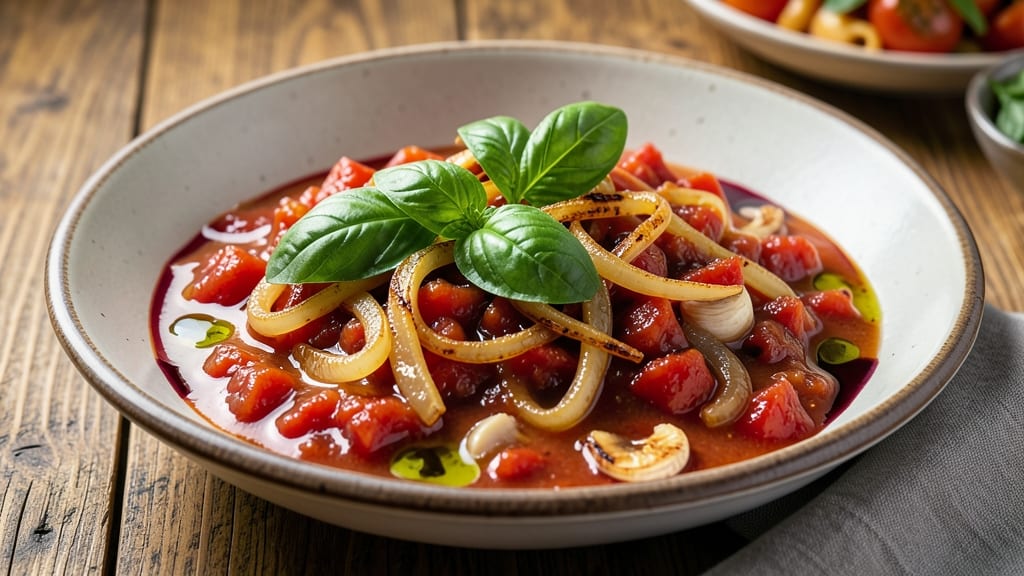
This authentic Italian pasta sauce recipe from scratch transforms simple ingredients into a velvety, aromatic marinara that captures the essence of Nonna's kitchen. The secret lies in slow-cooked tomatoes, fresh basil, and a touch of garlic—no canned shortcuts allowed. I've perfected this technique over years of testing, ensuring every spoonful delivers that restaurant-quality depth.
What sets this sauce apart is the balance of acidity and sweetness from fresh tomatoes, caramelized onions, and a splash of red wine. The key technique? Simmering low and slow to develop rich, complex flavors without losing texture.
Fresh basil added at the end preserves its bright aroma, while a drizzle of extra virgin olive oil at the finish ties everything together.
By the time you're done, you'll have a sauce that's perfect for tossing with al dente pasta—bright, tangy, and bursting with herbaceous notes. The texture is just right: thick enough to cling to noodles but still silky smooth.
This is the kind of sauce that makes homemade pasta taste like you spent hours in a Roman trattoria.
Use it immediately or store it in the refrigerator for up to 5 days, where the flavors deepen even more. The possibilities are endless: pair it with spaghetti, drizzle it over grilled meats, or use it as a base for lasagna. Here's how to make it from scratch.
Ingredients for authentic italian pasta sauce recipe from scratch
Fresh tomatoes, caramelized onions, and bold red wine create restaurant-quality marinara from scratch.
| Ingredient | Amount | Notes |
|---|---|---|
| Fresh San Marzano Tomatoes 🍅 | 2 ½ lbs | Crushed by hand or san marzano canned |
| Yellow Onions 🧅 | 2 whole | Thinly sliced for caramelization |
| Garlic Cloves 🧄 | 4 cloves | Minced, not pre-minced jar |
| Extra-Virgin Olive Oil 🫒 | ½ cup | High quality, fruity variety |
| Dry Red Wine 🍷 | ½ cup | Bold, like Chianti or Cabernet |
| Fresh Basil Leaves 🌿 | ½ cup | Packed, stems removed |
| Tomato Paste 🍅 | 2 tbsp | Squeeze tube preferred |
| Granulated Sugar 🍚 | 1 tbsp | Balances acidity |
| Diamond Crystal Kosher Salt 🧂 | 1 ½ tsp | Adjust to taste |
| Freshly Ground Black Pepper 🌶️ | ½ tsp | Cracked peppercorns preferred |
The tomatoes make or break this sauce. San Marzano is ideal, but fresh vine-ripened works too—just crush them by hand for the best texture. Onions should caramelize until golden brown, not burnt. Whole Foods or local markets often carry the best quality. Red wine adds depth, so use something bold like Chianti or Cabernet—none of that cheap cooking wine. The tomato paste from squeeze tubes at Trader Joe's is perfect for this recipe—no mess, and it keeps for months.
No fresh basil? Dried oregano at half the amount works in a pinch, but fresh is non-negotiable for that authentic aroma. Short on red wine? Dry white wine or even apple cider vinegar adds acidity. The sugar balances the tomatoes' acidity—don't skip it. For a smoother sauce, blend half before adding it back. If you're making this ahead, freeze portions in ice cube trays for easy use later.
This sauce tastes even better the next day as flavors meld. Store in an airtight container in the fridge for up to 5 days. For longer storage, freeze for up to 3 months. The basil wilts fast, so add it fresh at the end. A drizzle of that same extra-virgin olive oil before serving ties everything together—trust me on this.
Why You'll Love This Recipe
- No Chopping Struggle: I swear by this sauce because it’s actually simple—just dice onions and crush garlic, then let the tomatoes do the work. No julienning, no fancy techniques, just good, honest cooking.
- Wine-Infused Magic: That splash of dry red wine? It’s not just for show—it deepens the flavor in a way jarred sauces never can. The acidity brightens the San Marzano sweetness, and the olive oil ties it all together like a hug.
- Weeknight to Dinner Party: Make a big batch on Sunday, and you’ve got sauce for pasta, bruschetta, or even pizza for the next five days. Honestly, I’ve fed crowds with this—it’s that reliable.
- Budget-Friendly Luxury: Fresh tomatoes and onions stretch farther than you’d think, and a bottle of wine becomes a pantry staple. I’ve made this for under $10 and still felt like I was eating at a trattoria. (Yes, even on a Tuesday night.)
Step-by-step instructions for authentic Italian pasta sauce
Here's the method that delivers restaurant-quality sauce with deep flavor and perfect balance.
Develop Rich Onion and Garlic Bases
Heat the 0.5 cup extra-virgin olive oil in a heavy-bottomed saucepan over medium-low heat. Add the 2 whole yellow onions, sliced into thin half-moons, and cook for 20-25 minutes until they transform into deep golden caramel. Stir occasionally—this slow process builds sweetness and depth that canned sauces can't match.
When the onions are nearly caramelized, add the 4 cloves minced garlic and cook for another 1-2 minutes until fragrant but not browned. The garlic should melt into the onions rather than burn. Remove from heat momentarily—this base will be the flavor foundation for everything that follows. Don't rush this step; patience here makes all the difference in authentic Italian sauce.
Build the Sauce with Wine and Tomato Paste
Return the pan to medium heat and carefully pour in the 0.5 cup dry red wine, scraping up any browned bits from the bottom with a wooden spoon. Let the wine reduce by half—about 3-4 minutes—until it coats the back of a spoon. This deglazing step captures all the concentrated flavors from the caramelized onions and garlic.
Next, stir in the 2 tbsp tomato paste and cook for 2 minutes, allowing it to darken slightly. This creates a deep, complex flavor base that prevents the fresh tomatoes from being too acidic. The paste helps balance the acidity naturally as the sauce develops, which is key for authentic Italian flavor.
Incorporate Tomatoes and Seasonings
Add the 2.5 lbs fresh San Marzano tomatoes (crushed by hand) along with the 1 tbsp granulated sugar, 1.5 tsp diamond crystal kosher salt, and 0.5 tsp freshly ground black pepper. Stir well to combine, then increase heat to medium-high. Bring the sauce to a gentle boil, then reduce heat to medium-low and let it simmer uncovered for 30-40 minutes, stirring occasionally.
During this time, the sauce will thicken naturally as the tomatoes break down and release their juices. You want it to reduce until it coats the back of a spoon with a thick, glossy consistency. Taste occasionally and adjust seasoning—this is where you'll notice if the sauce needs more salt or sugar to balance the acidity.
Finish with Fresh Basil and Refine the Texture
When the sauce has thickened to your desired consistency, remove it from heat and stir in the 0.5 cup fresh basil leaves (stems removed). Let the basil infuse for 5 minutes—this step ensures vibrant, fresh flavor rather than the bitter taste you'd get from cooking the basil in the sauce.
For a perfectly smooth sauce, transfer it to a blender or use an immersion blender to purée until completely smooth. If you prefer some texture, leave it slightly chunky. Taste one final time and adjust seasoning if needed. The sauce should be rich, balanced between sweet and acidic, with bright basil notes that make it truly authentic.
Pro Tips For Making Authentic Italian Pasta Sauce Recipe From Scratch
- Sweat the Onions Slowly: I learned this the hard way—drowning onions in oil or rushing them turns your sauce into a watery mess. Instead, cook them over medium-low heat for 10-12 minutes until they’re deep golden and caramelized, stirring only occasionally. That’s when the natural sugars break down and build real flavor. (Yes, even if you’re impatient like me.)
- Crush Tomatoes by Hand: Skip the blender—San Marzano tomatoes deserve the rough treatment. Use your fingers to crush them directly in the pot, leaving some seeds and skins. This keeps the texture chunky and the sauce bright, not mushy. (And it’s faster than you think once you get the hang of it.)
- Deglaze with Wine, Then Simmer: After the onions and garlic cook, pour in the red wine and let it reduce by half before adding tomatoes. This step isn’t just for flavor—it concentrates the alcohol’s bite, so it doesn’t linger like vinegar. Walk away for 2 minutes; the sauce will thank you later.
- Salt the Tomatoes Last: I used to salt the tomatoes early, and the sauce would turn out bland. Instead, add salt only after the tomatoes have broken down and cooked for 20 minutes. This lets the natural acidity shine before balancing it. (Your future self will notice the difference.)
Troubleshooting perfect results
Sauce Too Thin?
If your sauce is thinner than expected, don't panic—simmering uncovered for an extra 10-15 minutes will help it thicken naturally. For quicker results, mix 1 tbsp cornstarch with 2 tbsp cold water, stir into the sauce, and simmer for 3-5 minutes until it reaches the right consistency.
I've found that using a heavy-bottomed pot (like a Le Creuset Dutch oven) helps prevent scorching while thickening occurs. 🌡️
Tomatoes Too Acidic?
If your sauce tastes overly acidic, balance it with a pinch of sugar or a splash of red wine vinegar (about ½ tsp). For a sweeter tomato flavor, add 1-2 tbsp tomato paste and simmer for 5 minutes.
I've also had success adding a small piece of cinnamon stick while simmering—it adds warmth without altering the flavor profile. Remove before serving.
Sauce Too Thick?
To thin a thick sauce, stir in 2-3 tbsp warm water or pasta water while simmering. For a smoother texture, blend half the sauce and mix it back in.
If the sauce is too thick due to over-reduction, add 1 tbsp fresh tomato paste and simmer for 5 minutes—it helps restore balance. I avoid adding milk or cream, as they can make the sauce taste heavy and lose its authentic Italian character.
Basil Losing Flavor?
If your basil tastes bitter, it was likely cooked too long. Always add fresh basil at the very end and let it infuse for just 5 minutes off the heat. For extra vibrancy, pulse the basil with a pinch of salt in a blender before adding it to the sauce.
If you're making sauce ahead, store the basil separately and add it fresh before serving. 🌿
Onions Burning?
Burnt onions ruin the sauce's sweetness and depth. Keep the heat at medium-low and stir frequently. If they start to darken too quickly, reduce the heat further or add 1 tbsp extra olive oil to coat the pan.
I recommend using a stainless steel saucepan (like All-Clad) for even heat distribution. If you notice any burnt bits, scrape them out before adding wine or tomatoes.
Sauce Not Balanced?
Taste your sauce as it simmers and adjust seasonings gradually. If it's too salty, add 1-2 tbsp water or pasta water to dilute. For a more complex flavor, stir in ½ tsp grated Parmigiano-Reggiano or a pinch of red pepper flakes.
I also like adding a splash of fish sauce (½ tsp) for umami depth—it's a trick I picked up from Italian chefs in Rome. 💡
Nutrition facts
Frequently asked questions
Can I substitute canned tomatoes for fresh in this recipe?
You can, but the flavor won't be as authentic. For the best results, use San Marzano canned tomatoes (whole, crushed by hand) and add 1 extra tbsp tomato paste to compensate for the lack of freshness. Avoid chunky canned tomatoes—they don't break down as smoothly. If using fresh, the sauce develops deeper, brighter flavors from the natural sweetness and acidity balance.
How do I make this sauce spicier?
For heat, add ½-1 tsp crushed red pepper flakes when you incorporate the tomatoes, or stir in 1-2 tbsp hot sauce (like arrabbiata) at the end. For smoky depth, add ½ tsp smoked paprika with the onions. Italians often use Calabrian chili paste (½ tsp) for authentic heat—it's worth seeking out if you love spicy sauces!
Can I make this sauce ahead of time?
This sauce tastes even better the next day as flavors meld. Store in an airtight container in the fridge for up to 5 days, or freeze portions in ice cube trays for 3 months. When reheating, warm gently on low heat—never boil—to preserve texture. Add fresh basil just before serving to keep its aroma vibrant.
Why does my sauce taste bland after simmering?
Blandness usually means the acidity/sweetness balance is off or seasoning was insufficient. Taste as you go and adjust with ½ tsp more salt, ½ tsp sugar, or a splash of red wine vinegar. For umami depth, add ½ tsp fish sauce or 1 tsp grated Parmigiano-Reggiano at the end. Simmering uncovered too long can also evaporate flavors—keep it at a gentle bubble.
What's the secret to getting that restaurant-quality texture?
The magic is in the slow reduction and proper tools. Use a heavy-bottomed pot (like Dutch oven) to prevent scorching, and simmer uncovered at medium-low heat for 30-40 minutes. The sauce should coat the back of a spoon with a glossy finish. For extra silkiness, blend half the sauce and mix it back in. A drizzle of extra-virgin olive oil at the end adds richness that canned sauces can't match!