
Sauces & Condiments
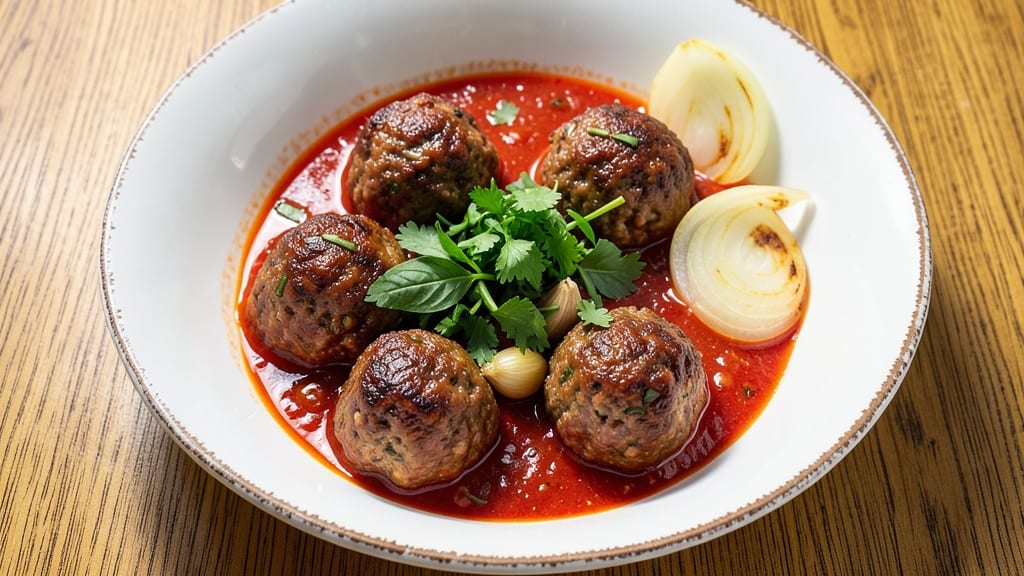
This authentic Italian meatballs recipe delivers restaurant-quality results with herbed beef and pork blend simmered in rich tomato sauce. The secret lies in hand-forming meatballs with breadcrumbs, Parmesan, and fresh herbs—never dry or dense. My grandmother's technique ensures tender, juicy centers that stay perfect even after long simmering.
What sets these meatballs apart is the slow-cooked tomato sauce made with San Marzano tomatoes, garlic, and onions. The sauce reduces to a velvety consistency while absorbing all the meatball flavors, creating that deep, complex taste you crave.
I've perfected this method over years of Sunday dinners, where the aroma alone brings everyone to the table.
By the time you plate these meatballs with warm crusty bread or al dente pasta, you'll understand why this recipe becomes a family staple. Each bite delivers perfectly balanced flavors—herbaceous meatballs with sweet-tangy tomato sauce.
The texture is what you dream of: tender meatballs that hold their shape yet melt in your mouth.
This isn't just another meatball recipe—it's the one that transforms weeknight dinners into Italian feasts. The technique is approachable yet professional, delivering results that impress even skeptical food lovers. Let's get cooking with this timeless classic that never goes out of style.
Ingredients for authentic italian meatballs in tomato sauce
Eight essential ingredients for meatballs that taste like Nonna's secret.
| Ingredient | Amount | Notes |
|---|---|---|
| Ground Beef (80% lean) 🥩 | ¾ lb | Chilled for better texture |
| Ground Pork 🐷 | ½ lb | Freshly ground preferred |
| Fresh Basil Leaves 🌿 | ½ cup | Chopped, stems removed |
| Fresh Parsley Leaves 🌿 | ¼ cup | Chopped, for brightness |
| Garlic Cloves 🧄 | 4 cloves | Minced, for deep flavor |
| Small Yellow Onion 🧅 | 1 whole | Finely diced, for sauce base |
| San Marzano Tomato Cans 🍅 | 2 cans | Crushed by hand, seeds removed |
| Extra-Virgin Olive Oil 🫒 | ¼ cup | High quality, fruity |
| Freshly Grated Parmesan Cheese 🧀 | ½ cup | From a block, not pre-grated |
| Italian Seasoned Breadcrumbs 🍞 | ½ cup | Panko works too |
| Large Eggs 🥚 | 1 whole | Room temperature |
| Dry Red Wine 🍷 | ¼ cup | Bold, like Chianti |
| Vegetable Oil 🫒 | 2 tbsp | For browning meatballs |
| Kosher Salt 🧂 | 1 ½ tsp | Diamond Crystal preferred |
| Freshly Ground Black Pepper 🌶️ | 1 tsp | Cracked peppercorns |
The meat blend is everything. Ground beef and pork from the butcher counter (not pre-packaged) gives you that authentic texture—ask for 80% lean beef and fresh pork. I always grab mine at Whole Foods or my local Italian market where they grind it fresh. The herbs? Fresh basil and parsley make all the difference—dried just won't cut it. For the Parmesan, grate it yourself from a wedge—pre-grated has anti-caking agents that ruin the sauce. And those San Marzano tomatoes? Worth every penny for that sweet, rich flavor that's the heart of this dish.
No red wine? Substitute with beef broth plus a splash of balsamic vinegar—it mimics the acidity perfectly. Running low on fresh herbs? Dried oregano at half the amount works in a pinch, but trust me, fresh is better. The breadcrumbs can be regular panko if you're out of Italian seasoned—just add an extra pinch of Italian seasoning. For the meatballs, don't skip browning them—that Maillard reaction is what gives them that restaurant-quality crust. And if you're worried about the pork being too fatty, pat it dry with paper towels first—that helps with binding.
This sauce gets better the next day—make extra for leftovers. Store in airtight containers in the fridge for up to 5 days or freeze for 3 months. I like to portion the meatballs separately so they reheat perfectly—just warm in the sauce for 10 minutes on low. The breadcrumbs keep well in the pantry for up to 3 months, but the herbs? Use them up within 3 days of buying. And that Parmesan wedge? Wrap it tightly in parchment and foil—it'll last for weeks in your fridge.
Why You'll Love This Recipe
- No-Fuss Mixing: I swear by the 80/20 beef-pork blend—no fancy kneading, just hands-on shaping. The pork keeps them juicy while the beef holds form, and honestly? Five minutes of gentle mixing is all it takes before they’re ready to brown.
- Herb-Packed Punch: That fresh basil and parsley right off the stem? It’s the secret weapon. I don’t even bother with dried—just a handful of chopped leaves tossed in while the sauce simmers, and suddenly it’s ridiculously bright, like Nonna’s kitchen but with half the effort.
- Weeknight to Party: Same recipe, different vibes. Toss with crusty bread for a lazy Tuesday, or serve over spaghetti for guests who’ll swear you slaved for hours. Between us, the sauce thickens beautifully—just let it sit overnight if you’re prepping ahead.
- Budget-Friendly Leftovers: A pound of meat stretches for four servings, and the sauce only gets better the next day. I’ll be real: my freezer’s always got a container of these, ready to reheat for lunch or toss into pasta. No waste, all flavor—what’s not to love?
Step-by-step instructions for authentic Italian meatballs
Here's how to craft meatballs that burst with juicy perfection and sauce that sings with Italian tradition.
Prepare the Meatball Mixture
In a large mixing bowl, combine the 0.75 lb ground beef (80% lean) and 0.5 lb ground pork. This classic 3:2 beef-to-pork ratio creates tender meatballs with just the right balance of richness and texture. Use your hands to gently break up any large clumps, but don't overwork the mixture—this keeps the meatballs tender rather than dense.
Add the 1 whole large egg, 0.5 cup chopped fresh basil leaves, 0.25 cup chopped fresh parsley leaves, 0.5 cup freshly grated Parmesan cheese, 0.5 cup Italian seasoned breadcrumbs, 1.5 tsp kosher salt, and 1 tsp freshly ground black pepper. Mix everything together until just combined—you should still see some visible flecks of meat and herbs. Overmixing develops gluten and makes the meatballs tough. Let the mixture rest for 10 minutes at room temperature while you prepare the sauce.
Form and Brown the Meatballs
Using your hands, roll the meat mixture into 1.5-inch diameter meatballs—about the size of a golf ball. I like to make them uniform so they cook evenly. Place them on a plate and cover with plastic wrap while you heat the 2 tablespoons vegetable oil in a large skillet over medium-high heat.
Working in batches to avoid crowding, add the meatballs to the skillet and brown them for 3-4 minutes per side until they develop a deep golden color. You want them to develop a crust but not cook through completely—this ensures juicy centers. Transfer the browned meatballs to a plate and set aside. Keep them warm while you prepare the sauce.
Build the Tomato Sauce Base
In the same skillet, reduce the heat to medium and add 0.25 cup extra-virgin olive oil. Add the 1 whole small yellow onion and 4 cloves minced garlic, cooking for 5-6 minutes until the onion softens and becomes translucent. This step develops the sauce's flavor foundation.
Pour in the 0.25 cup dry red wine and scrape up any browned bits from the bottom of the pan—this technique, called deglazing, captures all that meaty flavor. Let the wine simmer for 2-3 minutes until it reduces by half. Then add the 2 cans crushed San Marzano tomatoes (seeds removed) and bring the mixture to a gentle simmer. Season with an additional ½ tsp kosher salt and ¼ tsp black pepper if needed.
Simmer the Meatballs to Juicy Perfection
Return the browned meatballs to the skillet with the sauce. Partially cover the skillet and let the mixture simmer gently over low heat for 25-30 minutes. This slow cooking allows the meatballs to finish cooking through while absorbing the rich tomato sauce. Stir occasionally to prevent sticking, but avoid overmixing.
You'll know the meatballs are perfectly cooked when they reach an internal temperature of 160°F and the sauce has thickened slightly. The meatballs should be tender but still hold their shape when pierced with a fork. If the sauce becomes too thick, add 2-3 tablespoons of water to loosen it to your desired consistency.
Finish and Serve with Authentic Flavor
Once the meatballs are fully cooked, remove the skillet from heat and let the sauce rest for 5 minutes. This resting period allows the flavors to meld together and the sauce to thicken slightly. Taste and adjust seasoning if needed—you might want to add more salt, a splash of red wine, or a pinch of sugar to balance the acidity.
Serve the meatballs immediately over al dente pasta or crusty bread, spooning generous amounts of that rich, herbed tomato sauce over the top. Each bite should deliver juicy, flavorful meatballs with a perfect balance of herbs and tangy tomato sauce. These meatballs stay moist and delicious even when reheated, making them perfect for meal prep or leftovers.
Pro Tips For Making Authentic Italian Meatballs In Tomato Sauce
- Chill the Meat Mix: Pop your ground beef and pork mixture in the fridge for 30 minutes before forming meatballs—it tightens the texture so they don’t fall apart when browning. I learned this the hard way after watching a batch of meatballs crumble into the sauce like overcooked dumplings.
- Toast the Herbs: Pulse fresh basil and parsley in a food processor (or finely chop) and lightly toast them in a dry pan for 30 seconds until fragrant. This removes moisture and intensifies their flavor—no more bland, watery sauce from wilting herbs.
- Simmer Sauce Low: Once the meatballs are in the sauce, reduce heat to a bare simmer (tiny bubbles, occasional stirring) and cover loosely. High heat will cook them unevenly and make the sauce break. My grandmother called this "whispering heat"—it’s not dramatic, but it works.
- Brown Meatballs Twice: Start with a hot pan (no oil needed—lean pork/fat renders fast), sear meatballs until deeply browned, then flip them into a fresh batch of the pan to crisp the second side. This double-crisp creates that restaurant-quality crust that soaks up sauce instead of repelling it.
Dietary considerations for this recipe
Gluten-Free Adaptations
For gluten-free meatballs, replace the 0.5 cup Italian seasoned breadcrumbs with 0.5 cup gluten-free breadcrumbs or 0.5 cup finely ground gluten-free crackers. I recommend Canyon Bakehouse gluten-free breadcrumbs for their sturdy texture.
The egg and Parmesan still bind perfectly, but you might need to add 1 extra tablespoon of olive oil to help hold the meatballs together. The sauce remains the same, so no adjustments are needed there. 🌱
Dairy-Free Options
Skip the 0.5 cup Parmesan cheese and replace it with 0.5 cup nutritional yeast for a dairy-free version that still adds depth. Nutritional yeast has a cheesy flavor and works beautifully in the meatball mixture.
For the sauce, use dairy-free butter instead of olive oil if you prefer, though I find olive oil maintains the authentic Italian character better. The texture stays tender and flavorful without dairy. 🧀
Pescatarian Swap
Replace the beef and pork with 1 lb finely chopped firm white fish like cod or haddock, mixed with 0.25 cup breadcrumbs and 1 extra egg for binding. The sauce remains identical, but reduce simmering time to 15 minutes to prevent the fish from overcooking.
This version keeps all the herby, tomato sauce goodness while making it seafood-friendly. 🐟
Vegetarian Version
For a meatless take, use 1 lb finely chopped mushrooms (like cremini or portobello) sautéed until dry, mixed with 0.5 cup cooked lentils, 0.25 cup breadcrumbs, and 1 extra egg.
The sauce stays the same, but add 1 tbsp soy sauce to the meatball mixture for umami depth. Simmer for 20 minutes to let flavors meld. 🌿
Low-Carb Adjustments
Cut the breadcrumbs to 0.25 cup and add 0.25 cup finely grated zucchini (squeeze out excess water) to the meatball mixture. This keeps carbs low while maintaining moisture.
The sauce remains unchanged, but serve over cauliflower rice or a low-carb pasta alternative like shirataki noodles. The flavor stays rich and satisfying. 🥦
Nutrition facts
Frequently asked questions
Why do your meatballs stay juicy while others turn dry?
The secret is the 3:2 beef-to-pork ratio and minimal handling of the mixture. Pork adds fat that keeps meatballs moist, while beef provides structure. Never overmix—the gluten develops when you work the meat too much, leading to tough texture. Also, browning them first creates a flavorful crust that seals in juices during simmering.
Can I make these meatballs ahead of time?
Form the meatballs and refrigerate them on a tray (uncovered) for 24 hours before cooking. This dries the surface slightly for better browning. For the sauce, make it up to 3 days ahead and store in airtight containers. Reheat gently on low—never microwave directly from fridge to avoid rubbery texture. The flavors actually improve overnight!
What's the best way to tell when meatballs are fully cooked?
Use a meat thermometer—meatballs are done at 160°F internally. Visually, they should be golden brown outside and slightly firm to the touch (not hard). Cut one open: the center should be light pink (not gray or raw). If using ground beef/pork, they'll be safe at this temp even if slightly pink inside. Never rely on color alone!
Can I use ground turkey or chicken instead of beef/pork?
Yes, but with adjustments: use 100% ground turkey/chicken (no substitutions) and add 1 extra egg plus 2 tbsp olive oil to prevent dryness. Simmer for 20 minutes (5 minutes less than beef/pork). For chicken, add 1 tsp lemon zest to the mixture for brightness. The texture will be lighter but still delicious!
How do I fix meatballs that fell apart in the sauce?
This usually happens from overmixing or too much moisture. For next time: pat meat dry before mixing, use less egg (try ½ egg), and add 1 tbsp extra breadcrumbs. If it happens now, strain the sauce through a fine-mesh sieve to remove loose bits, then thicken with 1 tsp cornstarch mixed with water and simmer for 2 minutes. Serve with crusty bread to soak up any loose sauce.