
Sauces & Condiments
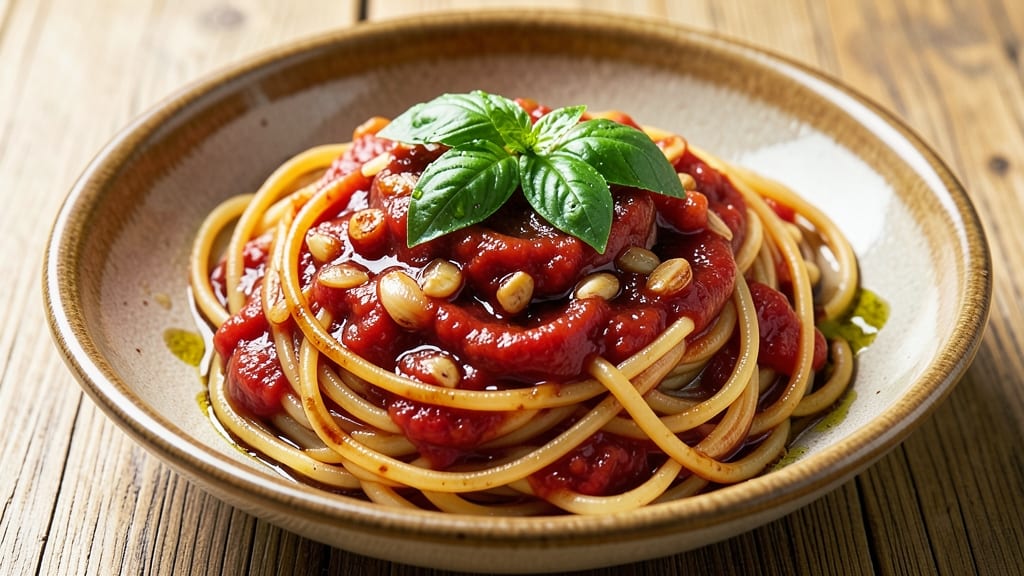
Brenda Gantt's spaghetti sauce recipe delivers that deep, slow-simmered tomato richness you crave—no shortcuts, just layers of flavor built over hours. The secret lies in fresh basil and oregano, added at the end to preserve their bright aroma, while garlic and onions develop into a fragrant base.
This isn’t just sauce; it’s a restaurant-quality foundation that clings to every strand of pasta.
What sets this sauce apart is the balance: sweet San Marzano tomatoes for natural sweetness, a splash of red wine to deepen the flavor, and a touch of sugar to round out the acidity.
Simmering low and slow (3-4 hours) lets the flavors meld into something complex and satisfying. The texture? Thick enough to coat but light enough to let the pasta shine.
This sauce keeps beautifully for up to 5 days in the fridge or freezes for months, making it perfect for meal prep. Whether tossed with al dente spaghetti or used as a marinara for meatballs, it transforms simple dishes into something special.
The fresh herbs at the end add a bright, aromatic finish that elevates every bite.
For extra depth, brown ground beef or Italian sausage before adding the tomatoes—a classic touch that adds richness. Or keep it vegetarian by swapping in mushrooms or lentils. The choice is yours, but the sauce will be foolproof either way.
Ingredients for brenda gantt spaghetti sauce
Eleven ingredients for a sauce that tastes like a restaurant's secret weapon.
| Ingredient | Amount | Notes |
|---|---|---|
| San Marzano Tomatoes 🍅 | 28 oz | Canned, whole peeled tomatoes |
| Extra-Virgin Olive Oil 🫒 | ½ cup | High quality, fruity |
| Onion 🧅 | 1 whole | Yellow, finely chopped |
| Garlic Cloves 🧄 | 6 cloves | Peeled, minced |
| Dry Red Wine 🍷 | ½ cup | Bold, like Cabernet Sauvignon |
| Tomato Paste 🍅 | 2 tbsp | Squeeze tube preferred |
| Granulated Sugar 🍚 | 1 tbsp | White or brown |
| Dried Oregano 🌿 | 1 tsp | Italian preferred |
| Salt 🧂 | 1 ½ tsp | Kosher or sea salt |
| Black Pepper 🌶️ | ½ tsp | Freshly ground |
| Fresh Basil Leaves 🌿 | ¼ cup | Packed, chopped |
The San Marzano tomatoes are non-negotiable here—their natural sweetness is what makes this sauce shine. Grab a 28-ounce can from the Italian section at Whole Foods or Trader Joe's; they're worth the splurge. The red wine should be bold—Cabernet Sauvignon or Merlot work best, whatever's open in your cabinet. For the olive oil, California-grown varieties add a fruity depth that cheaper oils miss. If you're prepping ahead, toast the garlic in the olive oil first—it develops a nutty flavor that's key to this sauce's complexity.
No red wine? Substitute with beef broth and a splash of balsamic vinegar—it adds acidity without alcohol. Fresh basil is ideal, but dried oregano at half the amount works in a pinch. The tomato paste can be skipped if you're using crushed tomatoes instead, but it adds that concentrated umami that takes this sauce to the next level. For extra richness, swap half the water for chicken or vegetable stock. And if you're making a big batch, double the herbs—they'll mellow out as the sauce simmers.
This sauce tastes even better the next day as flavors meld. Store in an airtight container in the fridge for up to 5 days, or freeze in 1-cup portions for 3 months. For meal prep, freeze the sauce in ice cube trays—just pop out what you need for quick weeknight dinners. The fresh basil should go in last, so keep it separate until serving. If you're using this for meatballs, simmer the sauce with the meatballs for 10 minutes to infuse flavor.
Why You'll Love This Recipe
- No-Fuss Simmer: I swear by this sauce because it’s all about letting the tomatoes and wine do the work—just chop, sauté, and let it bubble. No blenders, no fancy techniques, just pure, slow-building flavor while you sip your coffee or scroll through your phone.
- Wine-Infused Depth: That splash of dry red wine? It’s the secret weapon—brightens the acidity and adds this earthy richness that makes it taste like you spent hours simmering. (Spoiler: you didn’t.)
- Leftover Goldmine: This sauce only gets better the next day—thicker, more concentrated, and perfect for tossing with pasta, drizzling on grilled cheese, or even stuffing into baked potatoes. I make a double batch just for this reason.
- Budget Pantry Hero: San Marzano tomatoes and good olive oil might sound fancy, but they stretch for meals all week. Honestly, this sauce costs me less than takeout, and it’ll feed my family for days without breaking the bank.
Step-by-step instructions for Brenda Gantt's spaghetti sauce
This is how you build deep, balanced flavor—slow simmering transforms simple ingredients into rich, herbaceous sauce.
Sauté Onion and Garlic Until Translucent
Heat the 0.5 cup extra-virgin olive oil in a heavy-bottomed pot over medium heat. Add the 1 whole finely chopped onion and cook for 8-10 minutes until softened and golden, stirring occasionally. The onions should release their moisture and become translucent before caramelizing.
Reduce heat to medium-low and add the 6 cloves minced garlic. Cook for 1-2 minutes until fragrant—you'll smell that sweet, nutty aroma. Be careful not to let the garlic burn; it should just barely sizzle. This foundational step builds the sauce's depth, so don't rush it. If the onions start to brown too quickly, lower the heat slightly and give them more time to develop their natural sweetness.
Deglaze with Wine and Add Tomato Paste
Pour in the 0.5 cup dry red wine and scrape up any browned bits from the bottom of the pot with a wooden spoon. These bits, called fond, pack intense flavor. Let the wine simmer for 3-4 minutes until it reduces by about half, leaving a rich, syrupy consistency behind.
Next, stir in the 2 tbsp tomato paste and cook for 1 minute until it darkens slightly. This step creates a thick, flavorful base that prevents the sauce from separating later. The paste will blend seamlessly with the wine and onions, forming a smooth foundation for the tomatoes. If you notice any lumps, use a whisk to break them up completely.
Add Tomatoes and Seasonings
Pour in the 28 oz San Marzano tomatoes, breaking them up with your hands or a wooden spoon. Stir in the 1 tbsp granulated sugar, 1.5 tsp salt, 0.5 tsp black pepper, and 1 tsp dried oregano. The sugar helps balance the acidity of the tomatoes, while the salt and pepper enhance all the flavors.
Bring the mixture to a gentle boil, then reduce heat to low and let it simmer uncovered for 45-60 minutes. Stir occasionally to prevent sticking, and skim off any foam that rises to the surface. This simmering time allows the flavors to meld and the sauce to thicken naturally. The sauce should reduce by about one-third, becoming rich and velvety. If it thickens too quickly, add ½ cup water to maintain consistency.
Finish with Fresh Basil and Adjust Seasoning
Once the sauce has simmered for 45-60 minutes, stir in the 0.25 cup chopped fresh basil leaves. The basil adds a bright, aromatic finish that cuts through the richness of the tomatoes. Taste the sauce and adjust the seasoning if needed—you may need a little more salt or pepper to balance the flavors.
Let the sauce sit off the heat for 10-15 minutes before serving. This resting time allows the flavors to fully develop and the sauce to thicken slightly. The result should be a deeply flavorful, well-balanced sauce with a perfect balance of sweetness, acidity, and herbs. Serve immediately over al dente spaghetti for the best experience.
Pro Tips For Making Brenda Gantt Spaghetti Sauce
- CRUSH THE ONIONS: Pulse them in a food processor until they’re almost paste—no big chunks, no skipping this. I learned the hard way that leaving even a few pieces whole makes the sauce taste unevenly sweet and raw. (Yes, even if you’re in a hurry.)
- SWEAT THE GARLIC LOW: After adding the wine, reduce heat to medium-low and let the garlic cook until it’s just golden, not browned. Burnt garlic turns bitter, and Brenda’s sauce loses its bright, balanced flavor when it happens. (Smell the pot—it should smell sweet, not acrid.)
- STRAIN THE TOMATOES: Skip the whole tomatoes and use the strained San Marzano pulp—it’s less watery, so your sauce thickens faster and doesn’t need constant stirring. I used to ignore this, and my sauce would always end up too thin, no matter how long I simmered it.
- SALT THE WINE FIRST: Toss a pinch of salt into the red wine before deglazing—it cuts the harsh alcohol taste and rounds out the acidity. I was skeptical until I tried it; now I can’t go back. (Use flaky sea salt, not iodized.)
Make-ahead tips for this recipe
Freezer Prep Tips
Portion the sauce into 1-cup silicone molds or quart-sized freezer bags for easy grab-and-go meals. Leave ½-inch headspace to prevent expansion cracks. Label each bag with the date—this sauce stays flavorful for 3 months in the freezer. I like using Stasher bags because they’re reusable and stackable. 🧊
Thawing Methods
For quick use, transfer frozen sauce to the fridge 24 hours before serving. Need it faster? Thaw in a bowl of warm water for 30-45 minutes—stir occasionally to maintain even texture.
Never microwave directly from frozen; it can create hot spots that break down the sauce’s structure. Stir in fresh basil after thawing for that bright finish. 🔥
Meal Prep Strategy
Make a double batch and freeze half immediately. Store the other half in the fridge for 5 days. I prep this sauce every Sunday—it’s perfect for weeknight pasta dinners.
Keep the fresh basil separate until ready to use, or freeze it in ice cube trays with water to preserve its color and aroma. 💡
Reheating Perfection
Reheat sauce gently on the stovetop over low heat for 10-15 minutes, stirring occasionally. Avoid high heat—it can make the sauce too thick or develop a skin.
If needed, add 1-2 tablespoons of water or pasta water to loosen the texture. Taste and adjust seasoning before serving; flavors concentrate during storage. ✨
Sauce Storage Hacks
Use glass airtight containers for fridge storage—they preserve flavor better than plastic. For long-term storage, freeze in 1-cup portions (perfect for one serving). I keep a stash of frozen sauce in my freezer for emergencies—just pop a portion into a pot and simmer until heated through. 💫
Nutrition facts
Frequently asked questions
Why does this sauce need such a long simmering time?
The 3-4 hour simmering transforms simple ingredients into complex flavors. This slow process allows the tomatoes to break down, the wine to mellow, and the aromatics to develop their full potential. The result is a sauce with depth and balance that can't be achieved with quick cooking methods.
Can I make this sauce without red wine?
Yes! Substitute with ½ cup beef broth plus 1 tablespoon balsamic vinegar to maintain acidity and depth. The key is balancing the flavors—if using broth, you may need an extra pinch of salt. The wine adds complexity, but this alternative works beautifully for non-alcoholic versions.
How do I prevent the sauce from getting too thick?
Add ½ cup water or broth gradually while simmering if the sauce thickens too quickly. Stir well to distribute the liquid evenly. The sauce should coat the back of a spoon but remain smooth. For extra insurance, simmer uncovered—this helps control the reduction rate.
What's the best way to use leftover sauce?
This sauce freezes perfectly for 3 months—portion into 1-cup containers for easy serving. Reheat gently on the stove with a splash of water if needed. It's also fantastic for lasagna layers, pizza sauce, or meatball dipping. The flavors actually improve after the first day!
Can I add meat to this sauce?
Brown ½ pound ground beef or Italian sausage in olive oil before adding the onions, then proceed with the recipe. For a lighter option, sauté 8 oz mushrooms or 1 cup lentils instead. The meat adds richness, while plant-based options keep it vegetarian but hearty.