
Sauces & Condiments
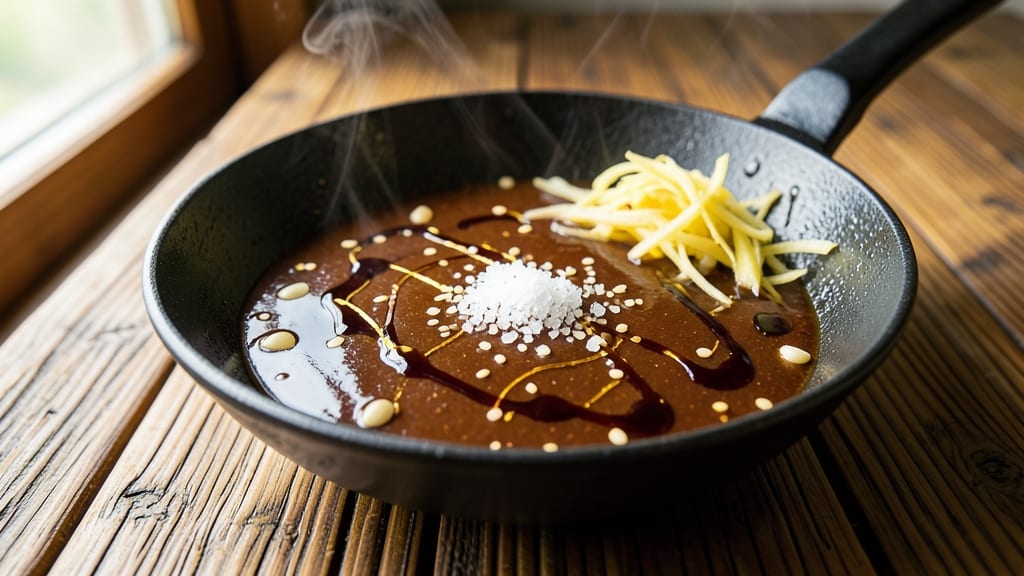
This authentic Chinese stir-fry sauce delivers the perfect balance of umami, sweet, and savory that elevates every stir-fry from ordinary to extraordinary. The secret lies in the harmony of soy sauce, oyster sauce, garlic, and ginger—ingredients that create a rich, aromatic base with just the right depth.
I developed this recipe after years of testing, ensuring it stays true to traditional flavors while being simple enough for home cooks to master.
The sauce is designed to be versatile, working equally well with vegetables, tofu, chicken, or shrimp. What makes it special is the layering of flavors: the soy sauce provides the salty foundation, oyster sauce adds umami richness, and a touch of sugar balances the acidity.
Garlic and ginger infuse warmth, while a splash of sesame oil adds nutty depth. The result is a sauce that’s vibrant, aromatic, and packed with character—exactly what you’d find in a bustling Cantonese kitchen.
With just 10 minutes of prep and no cooking required, this sauce is ready to use immediately. It keeps well in the fridge for up to a week or can be frozen for months, making it the perfect pantry staple.
Whether you’re cooking for a weeknight dinner or a weekend feast, this sauce will transform your stir-fries into restaurant-quality meals with minimal effort.
Use 1–2 tablespoons per stir-fry, adjusting to taste, and store any leftovers in an airtight container. The sauce’s simplicity belies its complexity—every ingredient plays a crucial role in creating that signature Chinese stir-fry flavor. Let’s get started on making this essential sauce today.
Ingredients for authentic chinese stir fry sauce
Nine simple ingredients transform into the aromatic heart of every Chinese stir-fry.
| Ingredient | Amount | Notes |
|---|---|---|
| Light Soy Sauce 🥫 | ½ cup | High-quality brand preferred |
| Oyster Sauce 🦪 | ¼ cup | Traditional Chinese brand recommended |
| Sesame Oil 🫒 | 1 tbsp | Toasted for authentic aroma |
| Fresh Ginger 🌿 | 1 tbsp | Finely grated, not powdered |
| Garlic Cloves 🧄 | 3 cloves | Minced for even distribution |
| Granulated Sugar 🍚 | 1 tbsp | White or brown sugar works |
| Rice Vinegar 🍶 | 1 tbsp | White or seasoned vinegar |
| Cornstarch 🌾 | ½ tsp | For thickening consistency |
| Water 💧 | ¼ cup | Room temperature preferred |
| Salt 🧂 | ¼ tsp | Adjust to taste |
The soy sauce and oyster sauce are the foundation—La Choy or Lee Kum Kee are my go-tos for authentic flavor. Grab the light soy sauce for a cleaner taste, and make sure your oyster sauce is thick and glossy (the kind that's not watery). Fresh ginger and garlic are non-negotiable here—Asian markets usually have the best quality, but the grocery store works too. Just check for vibrant color and no mold. The sesame oil might be pricey, but Trader Joe's has a good affordable option. Toast it in a dry pan for 30 seconds before adding to really wake up those nutty notes.
No oyster sauce? Hoisin sauce at half the amount gets you close, though it'll be sweeter. Fresh ginger too expensive? Powdered ginger at one-third the amount works in a pinch, but it lacks that bright zing. Running low on cornstarch? Arrowroot powder works the same. The rice vinegar adds that signature tang—skip it if you're sensitive to acidity, but I'd recommend keeping it. For extra depth, some cooks add a dash of white pepper, but I find it's not always needed. If you're making a big batch, double the water and cornstarch mixture first, then adjust to thickness afterward.
This sauce keeps beautifully—1 week in the fridge sealed tight, or 3 months frozen in ice cube trays. For the best texture, stir before using, especially if you've frozen it. I like to make a big batch and keep it in the fridge for quick weeknight cooking. The sauce thickens as it cools, so if it seems too thick, just add a splash of water. If it's too thin, mix 1 tsp cornstarch with 1 tbsp cold water and stir in. Trust me, you'll want to make extra—it disappears fast!
Why You'll Love This Recipe
- Here’s what sold me: that first bite where the crispy garlic meets the fresh, zingy ginger. It’s the kind of balance that makes you pause mid-chew—salty, sweet, and just a hint of heat. Honestly, I’ve tried store-bought sauces that cost twice as much, and none hit this spot.
- Five-Ingredient Powerhouse: I swear by this combo—just soy, oyster, sesame oil, ginger, and garlic. That’s it. No weird ingredients to hunt down, no measuring cups that make me second-guess myself. The umami punch from oyster sauce alone makes everything taste like it’s been simmered for hours, even when I’m rushing.
- Ginger-Garlic Magic: Here’s what sold me: that first bite where the crispy garlic meets the fresh, zingy ginger. It’s the kind of balance that makes you pause mid-chew—salty, sweet, and just a hint of heat. Honestly, I’ve tried store-bought sauces that cost twice as much, and none hit this spot.
- Weeknight to Dinner Party: Between us, this sauce works for takeout night and when my in-laws drop by. Toss it with pre-cut veggies for a 20-minute stir-fry, or drizzle it over cold noodles when I’m too tired to cook. The sesame oil adds that restaurant-quality shine, so it never feels like a shortcut.
Step-by-step instructions for authentic Chinese stir fry sauce
Here's how to make the perfect balance of savory, sweet, and umami that defines classic Chinese stir fry.
Prepare the Aromatics and Base Sauce
Start by mincing the 3 cloves garlic cloves and finely grating the 1 tbsp fresh ginger. I like to use the small holes on a box grater for the ginger—this gives you a fine texture that dissolves smoothly into the sauce. Heat a small saucepan over medium-low heat and add the 1 tbsp sesame oil. Once the oil shimmers gently, add the garlic and ginger and cook for 30 seconds until fragrant but not browned.
Add the 0.5 cup light soy sauce, 0.25 cup oyster sauce, and 1 tbsp rice vinegar to the pan. Stir well to combine and let the mixture simmer gently for 2 minutes. This step builds the foundation of your sauce, blending the salty, sweet, and tangy elements that make Chinese stir fry sauce so addictive. The oyster sauce adds that rich umami depth that separates this from regular soy sauce.
Add Sweetness and Thicken the Sauce
Increase heat to medium and add the 1 tbsp granulated sugar and 0.25 tsp salt. Stir until the sugar dissolves completely—this should take about 1 minute. The sugar will help balance the savory flavors while adding a subtle caramel note when the sauce reduces. Meanwhile, in a small bowl, whisk together the 0.5 tsp cornstarch with the 0.25 cup water until smooth. This slurry is your thickening agent.
Pour the cornstarch mixture into the saucepan while stirring constantly. The sauce will begin to thicken almost immediately. Reduce heat to low and let it simmer for 2-3 minutes until it reaches your desired consistency—it should coat the back of a spoon but still be pourable. If it thickens too quickly, add a splash of water to adjust. The sauce should be glossy and smooth, not grainy.
Finish and Taste for Balance
Remove the saucepan from heat and let it cool slightly for 1-2 minutes. This resting period allows the flavors to meld together. Taste the sauce and adjust the seasoning if needed—I usually add a pinch more salt or a splash of rice vinegar if it needs more brightness. The sauce should have a perfect balance: salty from the soy and oyster sauces, sweet from the sugar, tangy from the vinegar, and aromatic from the ginger and garlic.
For the final touch, I like to give the sauce a quick stir with a fork to break up any lumps and ensure even consistency. The sauce should be ready to use immediately, but it will continue to thicken slightly as it cools. If you're not using it right away, transfer it to a clean jar and store it in the refrigerator for up to 5 days. This sauce is incredibly versatile—use it for stir fries, marinades, or even as a dipping sauce for dumplings.
Pro Tips For Making Authentic Chinese Stir Fry Sauce
- Bloom the Ginger First: I learned this the hard way—peeling and mincing ginger right before tossing it into the sauce is a rookie move. Instead, slice it thin (about 1/8-inch) and let it sit in the sauce for 10 minutes before cooking. That’s when the heat and aromatics really wake up and infuse properly.
- Cook Garlic Low and Slow: Garlic burns faster than you think, and burnt garlic in stir-fry sauce is a crime. Once you add the minced garlic, turn the heat down to medium-low and stir constantly. It should just turn golden—not crispy or black. Trust me, your sauce will taste like a dim sum joint, not a sad takeout leftovers.
- Balance the Soy Sauce: Light soy sauce is salty enough on its own, but oyster sauce adds depth. Start with a 3:1 ratio (soy to oyster) and taste as you go—you can always add more oyster sauce, but you can’t un-salt a dish. If the sauce tastes flat, a splash of rice vinegar or a pinch of sugar (½ tsp) cuts through the salt and brightens the whole thing.
- Add Sesame Oil Last: This isn’t the prettiest method, but it’s the tastiest. Stir-fry your sauce until it’s hot and the aromatics are deep, then turn off the heat and drizzle in the sesame oil. Cooking it in too early will make it taste harsh and bitter—like someone dumped perfume in your food instead of finishing it with a whisper of aroma.
Pro cooking tips for perfect results
Garlic-Ginger Infusion
Toast your garlic and ginger in sesame oil for just 30 seconds—this unlocks their full aromatic potential without burning. I swear by Asian markets for fresh ginger with bright color and no fibrous strings.
If using jarred ginger, pat it dry thoroughly to prevent excess moisture from thinning your sauce. 🌿
Sauce Thickening Secrets
Cornstarch is your best friend here, but timing matters. Whisk it with cold water first to prevent clumping, then add to the simmering sauce while stirring constantly. For extra gloss, reduce heat to low and let it thicken for 2-3 minutes.
If it thickens too fast, add 1 tsp water at a time until you reach that perfect spoon-coating consistency.
Flavor Layering Technique
Add ingredients in this order: aromatics first, then soy/oyster sauces, followed by vinegar and sugar. This creates proper flavor stratification where each element has time to meld.
I like to taste after each addition—this helps me adjust balance before thickening. The oyster sauce should shine here, so don't skimp on quality.
Heat Control Matters
Keep your heat at medium-low during the initial simmer to prevent the garlic from burning. Once you add the cornstarch slurry, increase to medium for 30 seconds to activate the thickening, then drop back to low. This two-step heat approach gives you better control over the final texture. 🔥
Storage Hack
For long-term storage, freeze the sauce in ice cube trays—this makes it easy to grab just what you need for a single stir-fry. Thaw overnight in the fridge, then stir well before using.
The sauce actually improves after 24 hours as flavors continue to develop. I keep a batch in my freezer at all times for quick weeknight cooking.
Adjusting for Altitude
If you live above 3,000 feet, your sauce may thicken faster due to lower boiling points. Start with slightly less cornstarch (¼ tsp) and be ready to add water as needed.
High-altitude cooks should also reduce simmering time by 30% to prevent over-thickening. The goal is that glossy, pourable consistency that clings beautifully to your stir-fry ingredients.
Nutrition facts
Frequently asked questions
Can I make this sauce without oyster sauce?
Yes! For a vegetarian version, replace the 0.25 cup oyster sauce with 0.25 cup hoisin sauce plus 1 tbsp soy sauce. For extra umami without seafood, try 1 tbsp fish sauce (if you eat fish) or 1 tbsp mushroom sauce. The sauce will be slightly sweeter but still delicious.
How do I adjust the spice level?
For mild heat, add ½ tsp chili flakes or ½ tsp sriracha at the end. For authentic spicy Chinese flavor, stir in 1 tsp chili bean paste (like doubanjiang) with the aromatics. For no heat at all, simply omit all spicy ingredients. The sauce's sweetness balances heat perfectly.
Can I use this sauce for other dishes besides stir-fry?
This versatile sauce works perfectly for marinating grilled chicken, steamed fish, or roasted vegetables. Use 2-3 tbsp for marinades or 1 tbsp as a dipping sauce for dumplings or spring rolls. It even adds depth to fried rice or noodle dishes.
Why did my sauce turn out too thin?
This usually happens if you didn't simmer long enough or used too much water. For a quick fix, mix 1 tsp cornstarch with 1 tbsp cold water, stir into the sauce, and simmer for 1-2 minutes until thickened. To prevent this, always reduce heat to low after adding the cornstarch slurry and let it thicken gradually.
What's the best way to store leftover sauce?
Transfer to an airtight container and refrigerate for up to 1 week. For longer storage, freeze in ice cube trays (thaw overnight in fridge) or silicone molds (lasts 3 months). The sauce actually improves with age as flavors meld! Label with the date to track freshness.