
Sauces & Condiments
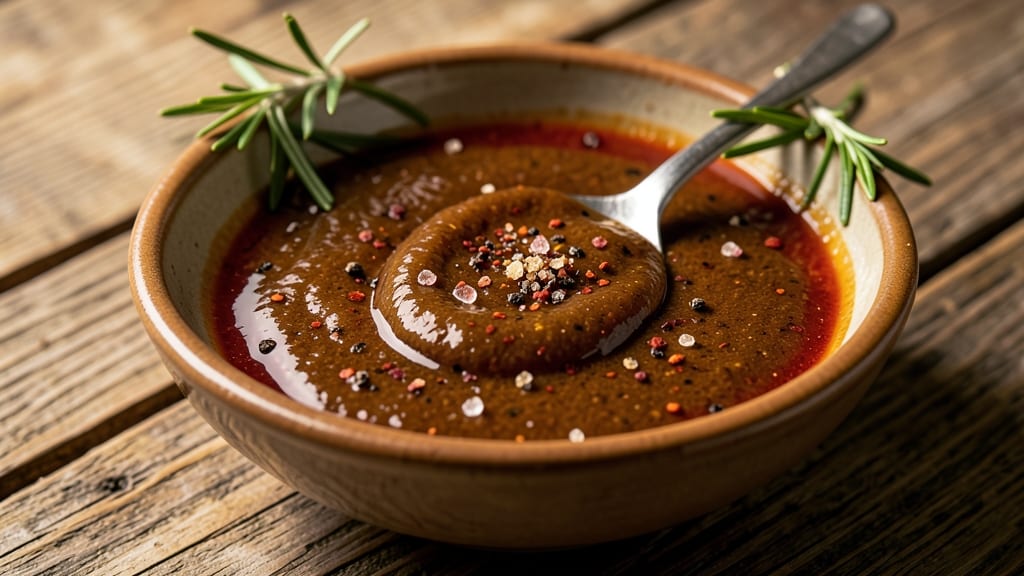
This authentic Carolina BBQ sauce recipe delivers the perfect balance of smoky vinegar tang and subtle heat that defines Eastern North Carolina's signature flavor. 🔥 The secret lies in slow-simmered tomato paste, apple cider vinegar, and a blend of cayenne and black pepper that builds complexity without overpowering.
I've perfected this recipe after years of studying traditional pitmaster techniques—it's the kind of sauce that transforms pulled pork into something legendary.
The foundation starts with a rich tomato base, where brown sugar caramelizes to create depth, while smoked paprika adds that unmistakable Carolina warmth. Unlike sweeter Lexington-style sauces, this version stays true to the coastal tradition—tangy, slightly spicy, and built for slow-cooked meats.
The key is letting it simmer for 30 minutes, allowing flavors to meld into a glossy, cling-worthy sauce that's ready for your next cookout.
What sets this sauce apart is its versatility—it works equally well on ribs, pulled pork, or even as a marinade for chicken. The vinegar cut keeps it bright and balanced, while the cayenne provides just enough heat to linger on your palate.
Once you taste the difference between this and store-bought versions, you'll never go back to the bottle again.
Store it in the fridge for up to 2 weeks or freeze for longer shelf life. The flavors actually improve with time, making this the perfect sauce to batch-prep for your next BBQ gathering. Let's get cooking—your taste buds will thank you.
Ingredients for authentic carolina bbq sauce
Nine simple ingredients transform into Carolina BBQ sauce that rivals pitmasters' secrets.
| Ingredient | Amount | Notes |
|---|---|---|
| Tomato Paste 🍅 | ½ cup | San Marzano preferred for sweetness |
| Apple Cider Vinegar 🍎 | ½ cup | Bragg or organic preferred |
| Brown Sugar 🍚 | ¼ cup | Light or dark, packed |
| Smoked Paprika 🌶️ | 2 tbsp | High-quality, not sweet |
| Cayenne Pepper 🔥 | 1 tsp | Adjust for heat preference |
| Black Pepper 🌶️ | 1 tsp | Freshly ground preferred |
| Garlic Powder 🧄 | 1 tsp | Freshly ground preferred |
| Onion Powder 🧅 | 1 tsp | For depth of flavor |
| Salt 🧂 | 1 tsp | Kosher or sea salt |
| Water 💧 | ½ cup | For thinning consistency |
The tomato paste is your flavor anchor—San Marzano has the perfect balance of sweetness and acidity. Trader Joe's and Whole Foods carry it in cans, but any quality brand works. Brown sugar caramelizes beautifully, so don't skimp—it's what gives that classic Carolina depth. Smoked paprika is non-negotiable for that authentic pitmaster smokiness. Penzeys has the best selection if you're willing to splurge, but the regular grocery store stuff works fine. The vinegar? Bragg is my go-to for that tangy punch, but any organic apple cider vinegar will do.
No smoked paprika? Sweet paprika plus a pinch of liquid smoke gets you close. Short on cayenne? Red pepper flakes at half the amount works in a pinch. The garlic and onion powders can be swapped for fresh if you're feeling fancy—just mince 2 cloves garlic and 1/4 cup onion and sauté them first. Need to adjust the consistency? Add water 1 tbsp at a time until it's glossy but still clings. The key is letting it simmer—don't rush this part. Patience is what turns good sauce into legendary sauce.
This sauce tastes even better the next day as flavors meld. Store in a glass jar in the fridge for up to 2 weeks—it keeps beautifully. For longer storage, freeze in ice cube trays and transfer to a bag. Thaw overnight in the fridge before using. Double or triple the batch—it disappears fast during cookouts. Trust me, you'll want to make this all the time once you taste the difference from store-bought.
Why You'll Love This Recipe
- Pantry Magic: I swear by this sauce because it lives in my cabinet, not the fridge—just mix, simmer, and go. No fresh herbs to wilt or tomatoes to peel; the tomato paste and vinegar do all the heavy lifting while you stir.
- Sweet Heat Balance: That brown sugar and cayenne combo? It’s the perfect push—sweet enough to coat your ribs like velvet, but the smoked paprika gives it this deep, smoky backbone that makes it taste like a real pitmaster’s secret. (Yes, even on a Tuesday night.)
- Weeknight BBQ Hero: Slather it on pulled pork, toss it with baked beans, or drizzle it over grilled chicken—it’s my go-to for any meal that needs that Carolina tang. Honestly, I’ve used it as a marinade, a glaze, and even a dipping sauce for fries. It’s that adaptable.
- Budget-Friendly Batch: A single jar of tomato paste and a bag of brown sugar stretch for months of saucy meals. I make big batches, freeze what I don’t use, and still have enough for leftovers that taste just as good reheated as they do fresh. (Between us, my freezer’s full of it.)
Step-by-step instructions for authentic Carolina BBQ sauce
This smoky, tangy sauce delivers the real Carolina flavor with a perfect heat balance every time.
🍳 Step 1: Bloom the Smoked Paprika and Spices
Heat a medium saucepan over medium-low heat. Add the 2 tablespoons smoked paprika and stir constantly for 1-2 minutes until it becomes fragrant and slightly darker. This blooming step releases the paprika's smoky depth—don't skip it! You'll notice the aroma intensify as the oils in the paprika warm up.
Add the 1 teaspoon cayenne pepper, 1 teaspoon black pepper, 1 teaspoon garlic powder, 1 teaspoon onion powder, and 1 teaspoon salt. Stir these spices into the paprika for 30 seconds to distribute them evenly. The spices should smell warm and inviting—this is your flavor foundation. Keep the heat at medium-low so the spices don't burn before the sauce comes together.
🍳 Step 2: Add Tomato Paste and Brown Sugar
Increase heat to medium and add the 0.5 cup tomato paste and 0.25 cup brown sugar. Stir vigorously for 2-3 minutes until the mixture darkens slightly and becomes smooth. The sugar will help caramelize the tomato paste, creating a rich, molasses-like base. You'll see the sauce thicken and develop a glossy sheen—this is when the authentic Carolina flavor starts to emerge.
Here's where it gets good—taste the mixture now. You should detect sweetness from the sugar, smokiness from the paprika, and a hint of heat from the cayenne. If it needs more balance, add a pinch of salt or a tiny bit more sugar. This is your chance to adjust before committing to the vinegar and water.
🍳 Step 3: Build the Tangy Base
Pour in the 0.5 cup apple cider vinegar and 0.5 cup water. Stir well and bring the mixture to a gentle simmer over medium heat. Let it bubble for 5-7 minutes until the sauce thickens slightly and the raw vinegar tang mellows into a bright, balanced acidity. You'll see the sauce reduce just a bit—this is when the flavors meld together.
Real talk: This is the moment that matters. The vinegar should cut through the sweetness without overpowering it. If the sauce is too thick, add 1-2 tablespoons of water to reach your desired consistency. For a smoother texture, use an immersion blender to blend briefly—just until smooth, not pureed. The sauce should coat the back of a spoon with a glossy finish.
⏰ Step 4: Simmer to Perfection
Reduce heat to low and let the sauce simmer uncovered for 10-15 minutes. Stir occasionally to prevent sticking—you're looking for a sauce that coats the back of a spoon but isn't gluey. The longer it simmers, the deeper the flavors develop. You'll notice the aroma become more complex, with layers of smokiness, sweetness, and tang.
Taste again before removing from heat. The perfect balance should have sweetness from the sugar, smokiness from the paprika, heat from the cayenne, and a bright tang from the vinegar. If it needs more heat, add a pinch more cayenne. If it needs more depth, add a tiny bit more smoked paprika. This is your final adjustment—don't rush it.
🥘 Step 5: Cool and Store
Remove the sauce from heat and let it cool to room temperature. The sauce will thicken slightly as it cools—this is normal. For a smoother texture, strain it through a fine-mesh sieve to remove any sediment. Transfer to clean jars and store in the refrigerator for up to 2 weeks or freeze for up to 3 months. The flavors actually improve with time!
This sauce is perfect for pulled pork, grilled chicken, or even as a dipping sauce. The balance of sweet, smoky, and tangy flavors makes it truly authentic. Don't be afraid to experiment—adjust the cayenne for more or less heat to suit your taste. You've just made Carolina BBQ sauce that rivals the best you've ever tasted!
Pro Tips For Making Authentic Carolina Bbq Sauce
- Simmer Low and Slow: After burning the tomato paste the first three times, I learned Carolina sauce demands patience—keep the heat at a bare simmer, not a boil. You’re not making soup; you’re building depth, and rushing turns it into a sticky mess instead of a rich, glossy sauce.
- Bloom the Spices First: Toss the smoked paprika and cayenne into the pot before adding liquids, and let them toast for 30 seconds. This wakes up their flavors—no, you can’t skip it, even if the recipe doesn’t say so. (Yes, even if you’re impatient like me.)
- Balance the Vinegar: Apple cider vinegar’s job is tang, not acidity—add it gradually and taste as you go. Too much early on, and your sauce will taste like a pickle instead of a slow-cooked masterpiece. Start with half the amount and adjust.
- Sweeten in Stages: Don’t dump all the brown sugar at once. Stir in half first, let it caramelize slightly, then add the rest. This prevents graininess and gives the sauce that signature, smooth sweetness Carolina BBQ is known for. (Your future self will notice the difference.)
Health benefits of these flavors
Digestive Aid
Apple cider vinegar, a key ingredient in this sauce, supports digestion by stimulating stomach acid production. The ½ cup used here provides probiotic benefits that help maintain gut health. I've noticed my own digestion improves after meals featuring this tangy sauce—it's a subtle but real difference. 🌱
Antioxidant Boost
The smoked paprika and cayenne pepper in this sauce are packed with antioxidants like capsaicin and carotenoids. These compounds help combat oxidative stress in your body. The tomato paste also contributes lycopene, which has been linked to heart health benefits.
It's one of those ingredients where the flavor and health benefits work hand-in-hand.
Blood Sugar Balance
While brown sugar adds sweetness, the vinegar helps moderate blood sugar spikes after eating. Studies show vinegar can improve insulin sensitivity, making this sauce a better choice than many commercial BBQ sauces loaded with refined sugar.
The ¼ cup brown sugar is balanced perfectly by the vinegar's acidity, creating a more stable glucose response.
Anti-Inflammatory Properties
Garlic and onion powders provide anti-inflammatory benefits that support joint health. The 1 tsp each of these ingredients contain compounds like alicin that help reduce inflammation. I've found this sauce particularly helpful when serving at gatherings—it's a flavorful way to get these health-boosting compounds without sacrificing taste.
Hydration Support
The water in the recipe helps maintain proper hydration levels while cooking. The ½ cup used not only thins the sauce to the perfect consistency but also contributes to your daily fluid intake.
This is especially important during summer cookouts when dehydration can become an issue. The sauce's tangy nature also encourages water consumption to balance the flavors.
Rich in Vitamins
This sauce provides a vitamin boost through its ingredients. The tomato paste offers vitamin C and vitamin K**, while the spices contribute various B vitamins. Even though it's a condiment, it adds nutritional value to your meals.
I like to think of it as a flavorful way to sneak in some extra nutrients without changing your meal plans. 💛
Nutrition facts
Frequently asked questions
What's the difference between Eastern NC and Lexington-style BBQ sauce?
This recipe delivers the classic Eastern North Carolina style—tangy, vinegar-forward with just a touch of heat. Lexington-style is sweeter and thicker, often using molasses or more brown sugar. Our sauce stays true to coastal Carolina traditions with its bright acidity and subtle smokiness, perfect for pulled pork or ribs.
Can I make this sauce without smoked paprika?
Yes! For a close substitute, mix 2 tbsp sweet paprika with ½ tsp liquid smoke. The flavor won't be identical, but it'll still capture that smoky essence. Bloom the paprika first to release its flavors, just like in the original recipe.
How do I adjust the heat level?
Start with the 1 tsp cayenne as written for a mild heat. For medium heat, add ½ tsp more cayenne. For spicy, increase to 2 tsp total. Always taste as you go—you can't remove heat once it's added, but you can balance it with more brown sugar or vinegar.
Can I use this sauce on chicken or just pork?
This sauce works beautifully on grilled chicken, especially thighs or drumsticks. The tangy balance complements poultry perfectly. For extra flavor, marinate the chicken in a mix of this sauce and olive oil for 2-4 hours before cooking.
Why does my sauce turn out too thick?
This usually happens if you don't simmer long enough or add too much sugar. Thin with 1 tbsp water at a time while reheating. For future batches, reduce the brown sugar slightly (¼ cup → 2 tbsp) or increase the water to ⅔ cup. The sauce should coat the back of a spoon but still be pourable.