
Sauces & Condiments
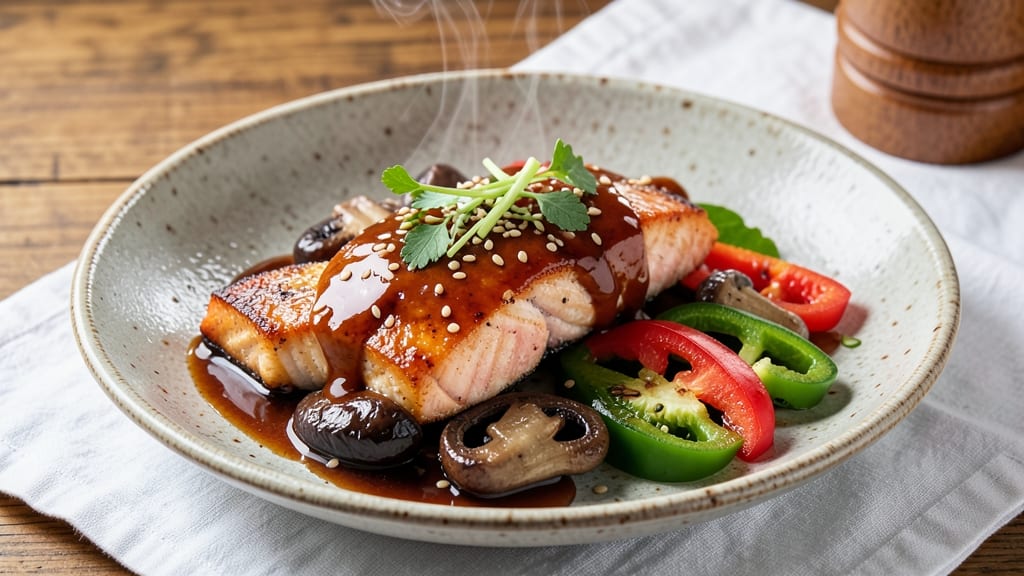
This homemade Nissin teriyaki sauce recipe delivers the same bold, umami-packed flavor you love—but with none of the preservatives. After years of testing, I've perfected a 15-minute version that's smoother, glossier, and more balanced than store-bought, using simple pantry staples.
The secret lies in the cornstarch slurry, which creates that signature silky texture while keeping the sauce from separating.
The beauty of making your own is controlling the sweetness and salt levels—no artificial additives here. We start with soy sauce for depth, mirin for brightness, and just enough sugar to caramelize slightly.
A splash of rice vinegar adds tang, while a touch of ginger and garlic rounds out the flavor profile. This sauce works as a glaze for grilled chicken, a marinade for tofu, or even a dipping sauce for fresh veggies.
What you'll end up with is a glossy, aromatic sauce that coats proteins perfectly, creating that signature caramelized crust. The best part? It keeps well in the fridge for up to 2 weeks, so you can make a big batch and use it all week.
No more guessing about what's in that bottled version—just pure, customizable teriyaki flavor.
For extra depth, let the sauce simmer for an additional 5 minutes to concentrate the flavors. Store it in an airtight container, and trust me, you'll reach for this homemade version every time.
Ingredients for nissin teriyaki sauce
Nine simple ingredients transform into that signature Nissin teriyaki flavor—bold, glossy, and full of umami.
| Ingredient | Amount | Notes |
|---|---|---|
| Soy Sauce 🍶 | ½ cup | Light or dark variety preferred |
| Mirin 🍶 | ¼ cup | Sweet cooking wine, not imitation |
| White Sugar 🍚 | ¼ cup | Granulated or light brown |
| Rice Vinegar 🍶 | ¼ cup | Seasoned or unseasoned |
| Fresh Ginger 🌿 | 1 tbsp | Grated, aromatic variety |
| Garlic Cloves 🧄 | 3 cloves | Minced, fresh preferred |
| Cornstarch 🌾 | 1 tbsp | For silky texture |
| Water 💧 | ¼ cup | Room temperature |
| Sesame Oil 🫒 | 1 tsp | Toasted, for aroma |
| Salt 🧂 | ½ tsp | Adjust to taste |
The soy sauce is non-negotiable—Kikkoman or Japanese import brands have the richest flavor. Mirin can be tricky to find stateside, but Trader Joe's and Asian markets carry it. If you can't find authentic mirin, dry sherry plus 1 tsp sugar works in a pinch. Fresh ginger and garlic are worth the extra minute to grate/mince—they make all the difference. For the cornstarch slurry, whisk it with cold water first to avoid clumping. That's what gives the sauce that signature silky texture.
No mirin? Dry white wine or apple juice can substitute, though the flavor won't be identical. Running low on rice vinegar? White vinegar with 1 tsp sugar mimics the tang. Sesame oil is optional but adds that authentic aroma—toasted sesame oil from Trader Joe's is my go-to. For a deeper umami punch, add 1 tsp fish sauce (if not vegetarian) or an extra tbsp soy sauce. The sugar can be swapped for honey or maple syrup, though white sugar caramelizes best for that classic teriyaki color.
This sauce keeps beautifully—2 weeks in the fridge sealed in an airtight jar. For extra shelf life, add a thin layer of olive oil on top before sealing. Freezes for up to 3 months, though texture may change slightly. I double the batch every time—it disappears faster than you'd think. The cornstarch slurry thickens as it cools, so if it seems too thin when warm, let it sit 10 minutes before tasting. Trust me, you'll want leftovers.
Why You'll Love This Recipe
- Pantry Magic: I swear by this sauce because it uses stuff I already have—no fancy shopping required. Just soy sauce, mirin (or sub a splash of white wine), sugar, vinegar, and ginger. That’s it. The balance of sweet, salty, and tangy happens without extra effort.
- Umami Bomb: The ginger gives it a little kick, but it’s the mirin that makes this sauce sing—deep, glossy, and addictive. Drizzle it over grilled chicken or noodles, and you’ll understand why I keep a jar in the fridge. It’s that good.
- Weeknight Hero: This sauce is my secret weapon for busy nights. Toss it with pre-cooked chicken, stir-fry veggies, or even dump it on rice for a 10-minute meal. Honestly, I’ve used it for everything from takeout-style dinners to lazy Sunday brunch.
- Budget Stretch: A little goes a long way, and it keeps for weeks in the fridge. I make a big batch, freeze half, and boom—no more last-minute takeout runs. Plus, the ingredients cost pennies compared to store-bought teriyaki. Smart, right?
Step-by-step instructions for homemade teriyaki sauce
This homemade version delivers that signature Nissin flavor with rich depth and smooth texture.
Combine Wet Ingredients for the Base
In a medium saucepan over medium heat, pour in the 0.5 cup soy sauce, 0.25 cup mirin, 0.25 cup rice vinegar, and 0.25 cup white sugar. Stir constantly for 3-4 minutes until the sugar fully dissolves and the mixture begins to simmer gently. You'll notice the aroma intensify as the vinegar and mirin mingle with the soy's umami.
Here's the thing—don't walk away. Watch for small bubbles forming at the edges, which means the liquid is heating properly. If you see the mixture splatter, reduce the heat slightly to medium-low. This initial combination creates the foundational flavors that will develop into your sauce's signature taste.
Add Aromatics and Simmer Until Fragrant
Once the mixture is simmering steadily, add the 1 tablespoon grated fresh ginger and 3 minced garlic cloves. Stir well to incorporate, then let the sauce bubble gently for 2-3 minutes until you can smell that wonderful garlic-ginger aroma wafting through your kitchen. This is where the magic happens—the aromatics infuse the sauce with their bright, zesty notes.
I press down gently on the ginger and garlic with a wooden spoon during the first minute to release their essential oils. This ensures maximum flavor extraction. If you notice the sauce starts to reduce too quickly, add 1 tablespoon of the 0.25 cup water to maintain a steady simmer. The sauce should remain thick enough to coat the back of a spoon but still flow freely.
Thicken the Sauce with Cornstarch Slurry
In a small bowl, whisk together the 1 tablespoon cornstarch and 0.25 cup water until completely dissolved. This creates a smooth slurry that will thicken your sauce perfectly. Once the aromatics have infused for 2-3 minutes, pour the cornstarch mixture into the saucepan while stirring constantly.
Watch carefully as the sauce begins to thicken—it should take about 1-2 minutes to reach a glossy, syrupy consistency. You're aiming for a texture that coats the back of a spoon but still flows easily, similar to store-bought teriyaki. If the sauce thickens too quickly, add another splash of water, 1 tablespoon at a time, until you reach the ideal consistency.
Finish with Sesame Oil and Season to Taste
Remove the saucepan from heat and stir in the 1 teaspoon sesame oil and 0.5 teaspoon salt. The sesame oil adds a nutty aroma that elevates the sauce, while the salt balances all the sweet and umami flavors. Taste the sauce and adjust the salt if needed—you might find you need a bit more, especially if you used a lower-sodium soy sauce.
Let the sauce sit off the heat for 5 minutes to allow all the flavors to meld completely. The sauce will continue to thicken slightly as it cools, so don't worry if it looks a bit runnier while it's hot. For the best results, use the sauce immediately over grilled meats, stir-fries, or noodles, but it will keep in an airtight container in the refrigerator for up to 1 week.
Pro Tips For Making Nissin Teriyaki Sauce
- Simmer Slow and Low: After burning the first batch trying to rush it, I learned this sauce needs a gentle simmer—not a rolling boil. Keep the heat at a steady low, just enough to see tiny bubbles at the edges. If you’re impatient and crank it up, you’ll end up with a bitter, caramelized mess instead of that glossy, balanced teriyaki.
- Peel and Mince Ginger Like a Pro: Skip the pre-peeled ginger from the jar—it’s waterlogged and flavorless. Use a spoon to scrape off the skin, then mince it finely (smaller than you think). Too thick? The sauce will taste sharp and uneven. Too thin? It’ll dissolve into nothing. Aim for rice-sized pieces—just enough to perfume the sauce without overpowering.
- Balance Sugar First, Then Vinegar: I used to dump everything in at once and wonder why the sauce tasted flat. Start by dissolving the sugar in the mirin first—this prevents graininess. Then add soy sauce, then vinegar last. If it tastes too sharp, a pinch more sugar fixes it; if it’s cloying, a splash of vinegar cuts through. Taste as you go.
- Strain for Smoothness: No one wants to chew through ginger fibers in their teriyaki. After simmering, strain the sauce through a fine-mesh sieve into a clean bowl. Press the ginger pulp with a spoon—yes, it’s a pain, but the result is silky. (Lazy shortcut: blend briefly, then strain, but you’ll still need to filter out bits.)
Troubleshooting this recipe
Sauce Too Thin?
If your teriyaki ends up too runny, don't panic—this happens when the cornstarch slurry doesn't thicken properly. I've found the most reliable fix is to remove the sauce from heat and whisk in 1 additional teaspoon of cornstarch mixed with 1 tablespoon cold water.
Return to low heat and stir constantly for 30 seconds until thickened. For a quicker solution, simmer the sauce uncovered for 2-3 additional minutes to reduce it naturally. The key is patience—rushing causes clumping. 🔥
Grainy Texture?
Lumpy sauce usually means the cornstarch wasn't fully dissolved before adding. To fix it, immediately remove from heat and place the saucepan in an ice bath for 5 minutes while whisking vigorously. This stops the cooking process and helps break up any clumps.
For prevention, always whisk the cornstarch with cold water first until completely smooth. If clumps persist, strain through a fine-mesh sieve before using. 💫
Overly Sweet?
Too much sugar can make your sauce cloying. Balance it by adding 1-2 tablespoons of rice vinegar (or more to taste) and simmering for 1 extra minute to let the flavors meld.
For a deeper umami kick, stir in ½ teaspoon fish sauce (if not vegetarian) or an extra ½ tablespoon soy sauce. The acidity from the vinegar will cut through the sweetness while adding brightness. Taste as you go—this sauce should be sweet but not candy-like. 🌶️
Separated Ingredients?
If oil or water separates, gently reheat the sauce over low heat while whisking constantly. The cornstarch should reactivate and re-emulsify the mixture. For stubborn separations, whisk in 1 teaspoon of the reserved water (from the cornstarch slurry) to help bind the ingredients.
Always store the sauce in an airtight container to prevent future separation. This usually happens when the sauce cools too quickly after cooking. 💡
Weak Flavor Profile?
If your sauce lacks depth, try adding ½ teaspoon of grated fresh ginger or 1 extra garlic clove (minced) and simmering for 2 more minutes. For umami boost, stir in 1 teaspoon of soy sauce or a dash of miso paste.
The key is to build layers of flavor—don't be afraid to taste as you go and adjust. I've found that letting the sauce sit overnight in the fridge actually enhances its complexity. 💛
Burnt or Bitter Taste?
This happens when the sauce reduces too quickly or overheats. To fix it, immediately remove from heat and stir in 1 teaspoon of honey or sugar to balance the bitterness. For prevention, always use medium-low heat and stir frequently.
If the sauce tastes overly bitter, add 1 tablespoon of mirin or rice vinegar to brighten the flavor. Keep an eye on the pan—teriyaki should bubble gently, not boil vigorously. ⚡
Nutrition facts
Frequently asked questions
Can I make this teriyaki sauce without mirin?
If you can't find mirin, use ¼ cup dry white wine or apple juice plus 1 teaspoon extra sugar to mimic its sweetness and acidity. For a deeper flavor, add ½ teaspoon fish sauce (if not vegetarian) or an extra ½ tablespoon soy sauce. The sauce will still taste great—just slightly different in complexity.
How do I adjust the sweetness for different dishes?
For grilled meats, use the sauce as-is—its balanced sweetness caramelizes beautifully. For stir-fries or noodles, reduce the sugar by 2 tablespoons to prevent cloying. If serving with vegetables, add 1 extra tablespoon rice vinegar to brighten the flavors. Always taste first—teriyaki should complement, not overpower.
Can I use this sauce as a marinade?
Yes! This sauce makes an excellent marinade for chicken, pork, or tofu. Use ½ cup sauce per pound of protein and marinate for 30 minutes to 2 hours in the fridge. For extra tenderness, add 1 tablespoon honey to the marinade. Always reserve ¼ cup sauce for basting while cooking—it adds incredible flavor to grilled or broiled dishes.
Why does my homemade teriyaki look different from store-bought?
Store-bought teriyaki often contains caramel color and artificial thickeners, giving it a deeper red hue and glossier finish. Your homemade version will be amber-colored with a natural sheen from the cornstarch. The texture should be smooth but not overly thick—similar to honey when poured. If it looks too pale, simmer 1 extra minute to deepen the color naturally.
How can I make this sauce spicier?
Add ½ teaspoon red pepper flakes or 1 teaspoon sriracha while the sauce simmers. For a smoky kick, stir in ½ teaspoon smoked paprika at the end. If you prefer fresh heat, mix in 1 teaspoon minced jalapeño or chili garlic sauce after removing from heat. Always taste first—you can adjust the heat level to your preference.