
Sauces & Condiments
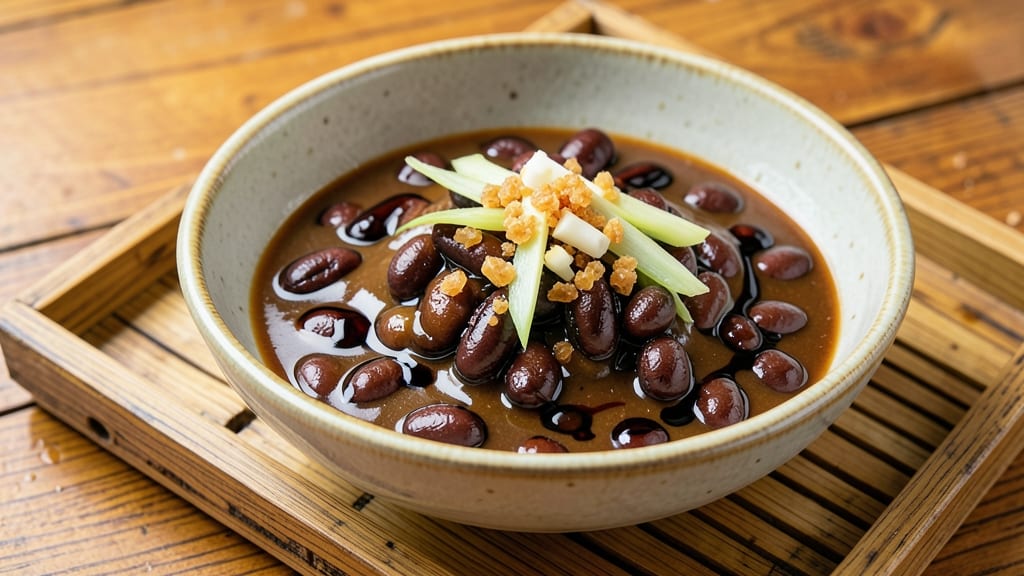
This authentic Chinese black bean sauce transforms ordinary stir-fries into restaurant-quality meals with its deep, fermented umami richness. 💛 The secret lies in fermented black beans (douchi), which develop complex, salty-sweet flavors when simmered with soy sauce, sugar, and aromatics.
Unlike store-bought versions, this homemade sauce captures the true essence of Sichuan and Cantonese cuisine—bold, aromatic, and perfectly balanced.
The process is straightforward but requires patience: soaking the fermented beans to mellow their intensity, then simmering them with garlic, ginger, and chili until the flavors meld into a thick, glossy paste.
This sauce isn’t just for dipping—it elevates stir-fried vegetables, noodles, and even grilled meats with its deep, savory depth. The key is controlling the heat and sugar balance to avoid overpowering dishes.
What makes this sauce truly special is its versatility. Use it as a marinade for meats, a stir-fry glaze, or a dipping sauce for dumplings—each application highlights its fermented complexity.
The sauce keeps well in the refrigerator for up to 2 weeks, allowing you to make a big batch and enjoy it throughout the week.
For those new to fermented ingredients, don’t be intimidated—the beans’ strong flavor mellows during cooking, leaving behind a smooth, addictive taste that’s worth the effort. Let’s make this sauce and unlock a new level of flavor in your cooking.
Ingredients for authentic chinese black bean sauce
Ten ingredients, one sauce that transforms stir-fries into restaurant-quality meals with fermented depth.
| Ingredient | Amount | Notes |
|---|---|---|
| Fermented Black Beans (Douchi) 🫘 | ½ cup | Packed, rinsed well |
| Light Soy Sauce 🍶 | ½ cup | High-quality, low-sodium preferred |
| Dark Soy Sauce 🍶 | 1 tbsp | For deeper color and flavor |
| Brown Sugar 🍚 | ¼ cup | Packed, light variety |
| Garlic Cloves 🧄 | 4 cloves | Peeled, minced finely |
| Fresh Ginger 🌿 | 1 tbsp | Grated, aromatic |
| Dried Red Chili Peppers 🌶️ | 1 tbsp | Crushed, adjust for heat |
| Star Anise Pods 🌟 | 2 whole | Lightly crushed |
| Sichuan Peppercorns 🌶️ | ½ tsp | Crushed, for numbing spice |
| Sesame Oil 🫒 | 1 tbsp | Toasted, for aroma |
Fermented black beans (douchi) are the heart of this sauce, and authenticity starts here. Look for them in the Asian aisle of Whole Foods or well-stocked grocery stores like H-Mart, where they’re often sold in jars or bags. The beans should smell funky but not rotten—think like strong cheese, not garbage. If you can’t find them, Asian grocery stores are your best bet, though some specialty online retailers carry them too. The key is soaking them first to soften and mellow their intense flavor before simmering. Don’t skip this step—it’s what transforms their boldness into smooth umami.
No fermented black beans? Miso paste or soy sauce with a splash of vinegar can mimic some of the funk, but you’ll miss the true depth. For the chili, dried chili flakes or fresh red chili work, though the dried version gives a more complex flavor. Star anise is non-negotiable for that signature aroma, but if you’re missing it, a pinch of cinnamon or cloves can add warmth. The Sichuan peppercorns are optional but add that signature numbing tingle—if you skip them, the sauce will still be delicious, just missing that signature Sichuan kick. For the ginger, fresh is best, but powdered works in a pinch if you’re in a hurry.
This sauce tastes even better the next day as the flavors meld, so make a double batch if you can. Store it in an airtight jar in the fridge for up to 2 weeks, or freeze portions for 3 months. The oil will separate on top—just stir it back in before using. Use it as a stir-fry glaze, dipping sauce, or marinade, but always taste first—adjust with more soy sauce or sugar to balance. The sauce thickens as it cools, so thin with a splash of water if needed. Trust the process, and you’ll have a sauce that rivals any restaurant version.
Why You'll Love This Recipe
- Five-Ingredient Magic: I swear by this—just fermented black beans, soy sauces, sugar, and garlic. No fancy prep, no stress. That salty-umami punch from the douchi alone makes it worth it.
- Umami Bomb: Between us, the dark soy sauce gives this sauce that deep, caramelized richness while the light soy keeps it bright. Add the brown sugar? Suddenly, everything you toss in it—stir-fries, noodles, even eggs—tastes like a restaurant dish.
- Weeknight Workhorse: Honestly, I make this twice a week. Drizzle it over rice and veggies for dinner, or slather it on dumplings for a snack. It’s the kind of sauce that turns basic meals into something special without extra effort.
- Pantry Goldmine: Douchi lasts forever, and a little goes a long way. I buy it in bulk, and this recipe stretches my grocery budget—plus, the leftovers? Even better the next day. That’s the kind of sauce you don’t want to run out of.
Step-by-step instructions for authentic fermented black bean sauce
This sauce delivers restaurant-quality depth—fermented funk meets umami richness in perfect balance.
🍳 Step 1: Bloom the Aromatics in Sesame Oil
Heat a small saucepan over medium-low heat and add the 1 tablespoon sesame oil. Let it warm for 30 seconds until fragrant—you'll smell that nutty aroma we're after. This is where the magic starts.
Add the 2 lightly crushed star anise pods and 0.5 teaspoon crushed Sichuan peppercorns. Stir constantly for 1 minute until the star anise releases its licorice-like aroma and the peppercorns begin to sizzle gently. This step builds the aromatic foundation—don't rush it or you'll burn the spices.
🔥 Step 2: Toast the Fermented Black Beans
Increase heat to medium-high and add the 0.5 cup packed, rinsed fermented black beans (Douchi). Stir vigorously for 2-3 minutes until they develop a deep mahogany color and release their funky, fermented aroma.
Here's the thing—you want them toasted but not burned. They should smell intensely aromatic with notes of soy and fermentation, not acrid or bitter. If they start to darken too quickly, reduce heat slightly. This toasting step unlocks their umami potential, transforming them from simple beans to flavor bombs.
🍳 Step 3: Build the Sauce Base
Add the 4 minced garlic cloves, 1 tablespoon grated fresh ginger, and 1 tablespoon crushed dried red chili peppers. Stir constantly for 30 seconds until the garlic turns golden and the chili peppers darken slightly—this prevents them from burning and maximizes their flavor.
Pour in the 0.5 cup light soy sauce and 1 tablespoon dark soy sauce. The sauce will bubble vigorously—let it simmer for 2 minutes until the raw garlic and ginger flavors mellow into sweetness. This is where the sauce starts to come together, balancing the funky fermented notes with salty umami.
⏰ Step 4: Sweeten and Simmer to Perfection
Stir in the 0.25 cup packed brown sugar and bring the mixture to a gentle boil. Reduce heat to low and let it simmer uncovered for 10-12 minutes, stirring occasionally, until the sauce thickens to a glossy, syrupy consistency.
You'll know it's ready when it coats the back of a spoon smoothly. The color should be deep reddish-brown from the dark soy sauce, with tiny bean fragments suspended throughout. Taste and adjust—if it needs more salt, add a pinch of light soy sauce; if it needs more depth, add a splash of water and simmer longer. This sauce should be complex, not one-dimensional.
🥘 Step 5: Cool and Store Properly
Remove from heat and let the sauce cool to room temperature. The flavors will continue developing as it cools—this is normal and actually enhances the depth. Transfer to a clean glass jar and refrigerate for at least 4 hours (or overnight) before using.
This resting period allows the flavors to meld completely. The sauce will thicken further in the fridge and develop that authentic fermented depth. When ready to use, give it a good stir—it should be glossy, aromatic, and ready to elevate any stir-fry, noodle dish, or dipping sauce. The sauce will keep in the fridge for up to 2 weeks, with flavors intensifying over time.
Pro Tips For Making Authentic Chinese Black Bean Sauce
- SOAK THE DOUCHI: Fermented black beans need a quick 10-minute soak in warm water—just enough to soften their edges without dissolving the good funk. I learned this the hard way when mine turned into a mushy paste after 20 minutes; now I set a timer and resist the urge to "help" them along.
- STARTS HOT, ENDS LOW: Sear the garlic and douchi in a dry wok over medium-high until the beans sizzle and darken—this is where the deep, smoky flavor forms. Once you add the soy sauces, drop the heat to medium-low to let the sauce thicken properly without burning. After burning three batches, I finally figured out heat control matters more than speed.
- USE DARK SOY SAUCE SPARINGLY: That thick, molasses-like sauce is potent—start with just 1 tablespoon and taste as you go. Too much turns your sauce bitter, and you’ll be stuck with a gloopy mess. My grandmother swore by this, and she was right: less is more, especially when balancing the sweetness of brown sugar.
- TOAST THE GARLIC FIRST: Mince the garlic after dry-toasting it whole in the wok for 30 seconds until fragrant. This prevents bitterness and amplifies the aroma in the final sauce. Sounds weird, but it works—your sauce will smell like a street vendor’s stall instead of a sad pot of paste.
Common mistakes when making this recipe
Skipping the Soak
One of the biggest mistakes is skipping the soaking step for fermented black beans. These beans are intensely funky and salty straight from the jar.
If you don’t soak them for at least 30 minutes (or up to 2 hours for stronger beans), their raw flavor will dominate the sauce, making it taste bitter or overly pungent. I’ve learned this the hard way—trust me, the soak is non-negotiable for balance. 💫
Overheating the Aromatics
Burning the garlic, ginger, or chili peppers turns your sauce bitter and harsh. These aromatics need gentle heat—just enough to release their oils without darkening. I recommend stirring constantly over medium-low heat for 30 seconds max.
If you see the garlic turning dark brown, you’ve gone too far. The goal is to perfume the sauce, not char it.
Ignoring the Resting Time
Rushing to use the sauce immediately after cooking is another common error. The flavors need 4+ hours in the fridge to meld properly. Without this resting period, the sauce will taste disjointed—like separate ingredients fighting for dominance.
I always make this sauce the night before so it’s ready to use at its peak the next day.
Using the Wrong Soy Sauce
Substituting low-quality soy sauce (especially the cheap, watery brands) will make your sauce flat and one-dimensional. Invest in high-quality light and dark soy sauces—brands like Lee Kum Kee or Hainan make a noticeable difference.
The dark soy sauce adds color and depth, while the light soy provides the salty backbone. Skimping here means sacrificing authenticity.
Over-Sweetening or Under-Salting
Balancing sugar and salt is tricky, but critical. Too much sugar makes the sauce cloying, while too little salt leaves it bland. Start with the recipe’s measurements, then taste and adjust gradually.
I often add ½ teaspoon more soy sauce or 1 teaspoon sugar at a time until I hit that perfect harmony of sweet, salty, and funky. Trust your palate—this sauce should be complex, not simplistic.
Storing Improperly
Storing the sauce in a plastic container or not sealing it tightly leads to contamination and flavor loss. Always use a glass jar with an airtight lid—I prefer Le Parfait jars for their tight seals.
The sauce will thicken further in the fridge, so thin with a splash of water if needed. And remember: the oil will rise to the top—just stir it back in before using. Proper storage keeps the sauce fresh for 2 weeks (or 3 months frozen).
Nutrition facts
Frequently asked questions
Can I substitute regular black beans for fermented black beans (douchi)?
No, regular black beans won't work—they lack the fermented funk that's essential to this sauce. Fermented black beans (douchi) develop complex umami and salty-sweet notes through fermentation. If you absolutely can't find them, try using 1 tablespoon miso paste plus 1 teaspoon soy sauce for a mild substitute, but the flavor won't be authentic.
How spicy should this sauce be?
The recipe includes 1 tablespoon dried chili peppers for a moderate heat level. For less spice, reduce to ½ tablespoon or remove the seeds. If you love heat, add ½ teaspoon chili flakes or a dash of Sichuan chili bean sauce after cooking. The Sichuan peppercorns add numbing heat, not just spiciness.
What's the best way to use this sauce?
This versatile sauce works perfectly as a stir-fry glaze, noodle sauce, or dipping sauce for dumplings. For stir-fries, use 1-2 tablespoons per serving. For braising meats, add 3-4 tablespoons to the cooking liquid. The sauce also makes an excellent marinade—coat proteins in ½ cup sauce for 30 minutes before cooking.
Why does my sauce look too thin?
The sauce should thicken as it cools. If it's too thin when hot, simmer uncovered for 5-10 more minutes to reduce. For immediate thickening, mix 1 teaspoon cornstarch with 1 tablespoon water, then stir into the sauce and simmer for 1 minute. The sauce naturally thickens further in the fridge—just stir before using.
Can I make this sauce without sugar?
Yes, but the sauce will taste more savory and less balanced. Replace the ¼ cup brown sugar with 2 tablespoons honey or 1 tablespoon maple syrup for sweetness. If you prefer no sweetener, reduce the soy sauce by 1 tablespoon and add ½ teaspoon white pepper to enhance depth. The sugar helps mellow the fermented bean's intensity.