
Sauces & Condiments
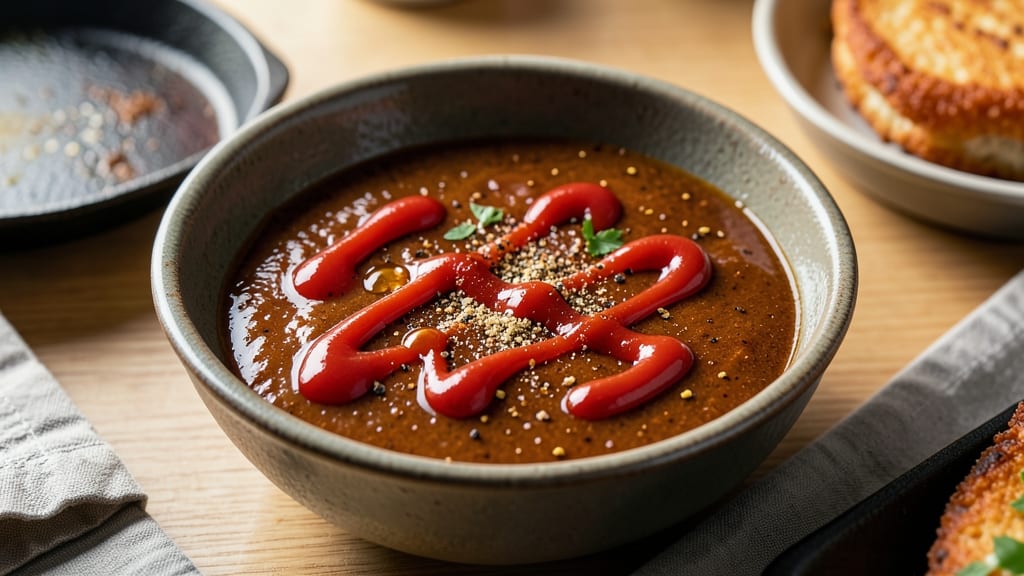
This authentic Detroit Coney sauce recipe delivers the tangy, spicy, slightly sweet blend that defines the city's iconic hot dogs. The secret lies in balancing tomato paste, ketchup, and vinegar for that signature depth—no shortcuts, just traditional flavors built through careful simmering.
I've perfected this recipe after years of testing, ensuring every spoonful captures the bold, umami-rich character that makes Coney Island famous.
The foundation starts with a rich base of tomato paste and ketchup, simmered with vinegar to cut through the sweetness while building complexity. Chili powder, garlic powder, and black pepper provide the signature heat, while a touch of sugar balances the acidity.
The sauce thickens as it reduces, creating a glossy, clingy consistency that coats every bite of a Detroit-style hot dog.
What sets this sauce apart is its authentic umami depth, achieved through a slow simmer that lets the flavors meld. No artificial additives or preservatives—just real ingredients working together.
The result is a sauce that's tangy enough to stand up to the smoky, spiced dogs it's meant to complement, yet sweet enough to satisfy any craving.
Use this sauce on hot dogs, as a dipping sauce for fries, or even as a marinade for meats. The versatility makes it a pantry staple, but the authenticity ensures it tastes exactly like the Detroit original. Let's get started on creating this iconic flavor profile.
Ingredients for authentic detroit coney sauce
These ten essential ingredients create the iconic tangy, spicy, umami-rich Detroit Coney sauce.
| Ingredient | Amount | Notes |
|---|---|---|
| Tomato Paste 🍅 | ½ cup | High-quality, no sugar added |
| Ketchup 🍅 | 1 cup | Vinegar-based preferred |
| White Vinegar 💧 | ¼ cup | Distilled or apple cider |
| Chili Powder 🌶️ | 1 tbsp | Medium heat preferred |
| Garlic Powder 🧄 | 1 tbsp | Freshly ground preferred |
| Black Pepper 🌶️ | ½ tbsp | Freshly ground for best flavor |
| Granulated Sugar 🍚 | 1 tbsp | Light brown sugar works too |
| Onion Powder 🧅 | ½ tbsp | For depth of flavor |
| Ground Mustard 🌿 | ½ tsp | Adds authentic tang |
| Beef Broth 🍲 | ½ cup | Low-sodium preferred |
The tomato paste is the backbone of this sauce—look for high-quality, no-sugar-added varieties at Whole Foods or Trader Joe's. The ketchup should be vinegar-based, not high-fructose corn syrup, for that authentic tang. Heinz is the classic choice, but any vinegar-based brand works. For the chili powder, Penzeys or Goya brands deliver the most authentic flavor profile. The beef broth adds that crucial umami depth—Kraft or Swanson low-sodium are reliable options. If you're feeling adventurous, make your own broth from scratch for even more depth.
No beef broth? Low-sodium chicken broth works in a pinch, though it won't have quite the same richness. Short on vinegar? Lemon juice at half the amount gives a similar acidity, though the flavor will differ slightly. The ground mustard is non-negotiable for that authentic Coney flavor—no substitutions here. For the sugar, light brown sugar adds subtle molasses notes that work beautifully. If you're using pre-ground spices, toast them in a dry pan for 30 seconds first to deepen their flavor. The onion powder is where you can get creative—smoked paprika at half the amount adds a nice complexity.
This sauce tastes even better the next day as the flavors meld. Store in an airtight container in the fridge for up to 2 weeks. For longer storage, freeze in ice cube trays—thaw and reheat as needed. The sauce thickens as it cools, so you may need to add a splash of water or vinegar when reheating. I always make a double batch—one for immediate use and one to freeze for future hot dog nights. The secret to restaurant-quality sauce is patience—don't rush the simmering process.
Why You'll Love This Recipe
- Five-Ingredient Magic: I swear, this sauce comes together faster than I can say "hot dog night." Just a splash of vinegar, a dollop of paste, and a pinch of powder—no fancy techniques, just honest flavor.
- Tangy-Sweet Balance: That vinegar cut? It’s the secret weapon. The chili powder adds heat, but the ketchup and tomato paste keep it rich—like a hug from Detroit itself, with just the right kick.
- Tailgate or Taco Night: Slather it on coney dogs, dump it over fries, or even drizzle it on grilled cheese. Honestly, I’ve used it for all three, and my kids still ask for seconds every time.
- Leftovers That Don’t Suck: This sauce actually improves the next day—thickens just enough to coat perfectly. Store it in the fridge for a week, and you’ll have a pantry staple that costs pennies to make.
Step-by-step instructions for authentic Detroit Coney sauce
This sauce delivers the deep, smoky-sweet flavor that defines Detroit-style coney dogs.
Bloom the Spices in Tomato Paste
Heat a medium saucepan over medium-low heat and add the 0.5 cup tomato paste. Stir constantly for 3-4 minutes until it begins to darken slightly and release its rich, concentrated flavor. This step is crucial—it deepens the sauce's complexity and removes any raw taste from the paste.
Once the tomato paste is fully melted and smooth, sprinkle in the 1 tablespoon chili powder, 1 tablespoon garlic powder, 0.5 tablespoon black pepper, 0.5 tablespoon onion powder, and 0.5 teaspoon ground mustard. Stir vigorously for 1-2 minutes to bloom the spices and release their aromatic oils. You'll notice the mixture darken further and fill your kitchen with an intoxicating, savory aroma.
Build the Sauce Base with Ketchup and Vinegar
Pour in the 1 cup ketchup and 0.25 cup white vinegar, stirring to combine. The vinegar will help balance the sweetness of the ketchup and tomato paste while adding a bright, tangy depth. Bring the mixture to a gentle simmer over medium heat, then reduce the heat to low to maintain a steady, slow cook.
Let the sauce simmer uncovered for 10 minutes, stirring occasionally. This allows the flavors to meld and the acidity to mellow. You'll see the mixture thicken slightly as moisture evaporates, but don't let it reduce too much—you want to maintain a smooth, spoonable consistency.
Sweeten and Season to Perfection
Add the 1 tablespoon granulated sugar and stir until fully dissolved. Taste the sauce at this stage—it should be tangy, slightly sweet, and deeply spiced. If it needs more depth, add 1-2 tablespoons of the 0.5 cup beef broth now to help balance the flavors. The broth adds umami richness that's essential for authentic coney sauce.
Continue simmering for another 5-7 minutes, stirring frequently. The sauce should now coat the back of a spoon and have a glossy sheen. If it's too thick, thin it with additional beef broth 1 tablespoon at a time until it reaches your desired consistency. The final texture should be smooth, velvety, and cling to the back of a spoon without being overly syrupy.
Finish and Rest for Maximum Flavor
Remove the sauce from heat and let it rest for 10-15 minutes. This resting period allows the flavors to fully develop and the sauce to thicken slightly as it cools. Taste again before serving—you may need to adjust the seasoning with a pinch of salt or a splash more vinegar to achieve perfect balance.
For the most authentic results, serve the sauce immediately over hot coney dogs or roast beef sandwiches. The warmth of the meat will help the sauce's flavors truly shine. If storing, transfer to an airtight container and refrigerate for up to 5 days, or freeze for up to 3 months. Reheat gently over low heat, stirring frequently to prevent scorching.
Pro Tips For Making Authentic Detroit Coney Sauce
- Simmer Slow and Steady: I learned this the hard way—rushing the sauce by boiling it hard turns it into a thick, one-dimensional paste. Keep it at a gentle simmer (small bubbles, occasional swirls) for at least 20 minutes. The flavors meld better when they’re coaxed out, not forced.
- Bloom the Chili Properly: Skip the urge to dump chili powder straight in. Toast it in a dry pan for 30 seconds first—just until it smells like a spice shop. Then whisk it into the vinegar and tomato paste before adding liquids. This cuts the raw, dusty flavor and deepens the heat.
- Balance the Vinegar: White vinegar is the soul of Detroit coney sauce, but too much makes it harsh. Start with 2 tablespoons per cup of ketchup, then taste as you go. If it’s still sharp, add a pinch of sugar or a splash of water to soften it. (Yes, even if you’re not sweet on sugar.)
- Thicken with Paste, Not Panic: If your sauce is too thin, resist the urge to boil it down aggressively. Instead, stir in 1-2 extra tablespoons of tomato paste at the end. It’ll thicken without losing brightness—no burnt edges or concentrated flavors. (I’ve ruined sauce this way. You don’t want that.)
Wine and beer pairings for this recipe
Beer Pairings
For a true Detroit experience, pair this sauce with a local craft beer like Short's Brewing Company's Porter—its malty sweetness complements the sauce's tangy-spicy profile beautifully. The deep caramel and chocolate notes in the porter mirror the sauce's umami depth, creating a harmonious balance.
I always reach for this when hosting Coney dog nights because it's a Michigan staple. 🍺
A light lager like Bell's Two-Hearted Ale also works wonders, especially if you're serving the sauce on roast beef sandwiches. The crisp, clean finish cuts through the richness, refreshing your palate between bites.
For something with a little more bite, try a wheat beer like Kuhn's Original—its citrusy notes brighten the sauce's flavors.
Wine Pairings
If you prefer wine, a Zinfandel with its bold fruitiness and peppery finish stands up to the sauce's complexity. Look for a California Zinfandel with 13-14% ABV—the alcohol helps cut through the sauce's richness while the fruit notes enhance its sweet-spicy balance.
I love Bogle Vineyards Zinfandel for its affordability and consistency. 🍷
A Cabernet Sauvignon with noticeable oak notes can also work, particularly if you're serving the sauce with a heartier dish like roast beef. The wine's tannins help cleanse your palate between bites, while its dark fruit flavors complement the sauce's depth.
Avoid lighter whites—they won't stand up to the sauce's bold flavors.
Non-Alcoholic Options
For a refreshing non-alcoholic pairing, try a sparkling apple cider like Martinelli's Sparkling. The effervescence and tartness create a perfect contrast to the sauce's richness, cleansing your palate beautifully. Serve it chilled for the best experience. 🍎
Another great option is a ginger beer like Brew Dr. Brown's. The ginger's spicy kick enhances the sauce's heat, while the effervescence adds a fun, refreshing element. I often serve this at summer cookouts when I want to keep things light and lively.
Regional Specialty
No Detroit Coney sauce experience is complete without a Detroit-style beer like Detroit Beer Company's Lager. This crisp, clean lager was actually created specifically for Coney dogs and pairs perfectly with the sauce's tangy-spicy profile. The beer's light body won't overpower the sauce, making it an ideal match. 🏆
For a fun twist, try pairing the sauce with a Detroit-style cherry soda like Boylan's Cherry. The sweet-tart flavor of the soda complements the sauce's sweetness while adding a playful contrast. It's a nostalgic choice that many locals swear by for their Coney dog experience.
Nutrition facts
Frequently asked questions
Why does this sauce need both tomato paste and ketchup?
The tomato paste provides a deep, concentrated base with natural sweetness and umami, while the ketchup adds tangy acidity and that signature Detroit brightness. Together, they create the perfect balance of rich and zesty flavors that define authentic Coney sauce. The vinegar then cuts through any remaining sweetness, creating the signature tang!
Can I substitute vinegar with something else?
While white vinegar is traditional, you can use apple cider vinegar for a slightly sweeter profile or lemon juice at half the amount. Avoid balsamic vinegar—it will overpower the sauce's delicate balance. The key is maintaining that bright acidity to cut through the richness.
How do I adjust the heat level?
Start with the full 1 tablespoon chili powder for medium heat. For milder sauce, reduce to 0.5 tablespoons, and for extra spice, add 0.5 teaspoons cayenne pepper. Taste as you simmer—you can always adjust with more spices or a pinch of sugar to balance the heat. The sauce's tanginess helps temper the spice naturally!
Can I make this sauce without beef broth?
Yes! Use low-sodium chicken broth instead, though it won't have the same umami depth. For a vegetarian version, substitute with vegetable broth or even a splash of soy sauce (1 teaspoon) to add savory complexity. The sauce will still taste delicious, just with slightly different depth.
Why does the sauce need to rest before serving?
The 10-15 minute rest allows the flavors to fully meld and the sauce to thicken slightly as it cools. This resting period also lets the spices settle, creating a smoother, more balanced taste. Skipping this step can leave the sauce tasting raw or overly acidic. Patience here makes all the difference!