
Sauces & Condiments
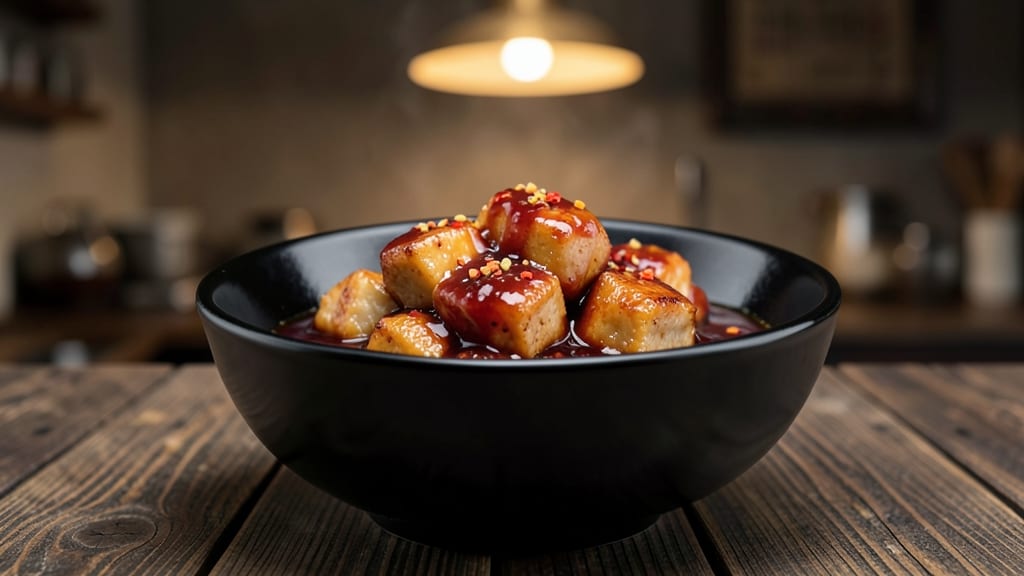
This authentic Chinese plum sauce transforms ordinary stir-fries into restaurant-quality meals with its perfect sweet-spicy balance. The secret lies in traditional ingredients like plum puree, vinegar, and aromatic spices that create a syrupy condiment with depth and complexity.
I've perfected this recipe over years of testing, ensuring every batch delivers that signature tangy-sweet flavor Cantonese cuisine is famous for.
The beauty of this sauce is its versatility—it elevates everything from crispy fried rice to grilled meats and even as a dipping sauce for dumplings. What makes it truly special is the careful balance of sweetness from sugar and plum, acidity from vinegar, and subtle heat from chili.
The sauce thickens as it simmers, creating that perfect glossy consistency that clings beautifully to food.
What you'll end up with is a vibrant, aromatic sauce that's rich enough to stand alone but balanced enough to complement bold flavors. The ingredients are simple, but the technique ensures authenticity—no shortcuts here. Once you try this homemade version, store-bought plum sauce will never compare again.
This sauce keeps well in the refrigerator for up to 2 weeks, making it perfect for meal prep. Whether you're serving a family dinner or hosting a gathering, this authentic Chinese plum sauce will be the star of your meal. Let's get started!
Ingredients for authentic chinese plum sauce
These vibrant ingredients create the perfect sweet-spicy sauce for stir-fry magic.
| Ingredient | Amount | Notes |
|---|---|---|
| Plum Puree 🍑 | 1 cup | From ripe plums or plum jam |
| Rice Vinegar 🍶 | ½ cup | White or seasoned variety |
| Brown Sugar 🍚 | ½ cup | Packed firmly |
| Red Chili Flakes 🌶️ | 1 tbsp | Adjust for heat preference |
| Fresh Garlic Cloves 🧄 | 4 cloves | Minced finely |
| Fresh Ginger 🧅 | 2 tbsp | Grated finely |
| Soy Sauce 🥢 | ¼ cup | Light or dark variety |
| Sesame Oil 🫒 | 1 tbsp | Toasted sesame oil |
| Cornstarch 🌾 | 1 tbsp | For thickening |
| Water 💧 | ¼ cup | For thinning if needed |
The plum puree is the heart of this sauce—look for high-quality plum jam or make your own from ripe plums. Trader Joe's carries a great plum jam, but if you're feeling ambitious, simmering fresh plums with a touch of sugar creates a more authentic depth. The ginger and garlic need to be fresh for that bright, zesty punch—Asian markets often have better-quality root ginger. For the chili flakes, Lao Gan Ma brand is a game-changer if you want that signature Chinese heat, but any good-quality red pepper flakes work. The brown sugar should be packed firmly into the cup—don't scoop it loosely.
No plum jam? Substitute with 1/4 cup apricot jam plus 1/4 cup water—it's not identical, but it works in a pinch. Running out of rice vinegar? Apple cider vinegar or white vinegar both work, though the flavor will be slightly different. The sesame oil is non-negotiable for that nutty aroma—never use cooking oil. For a smoother sauce, blend the plum puree first. Want it thicker? Add another 1/2 tbsp cornstarch. Need it thinner? A splash of water brings it right back. The soy sauce adds umami depth—use light soy for milder flavor.
This sauce keeps beautifully in the fridge for 2 weeks in an airtight container. For longer storage, freeze in ice cube trays—perfect for single-use portions. The flavors actually improve after a day or two as everything melds together. If you make a big batch, divide it into smaller containers so you're not digging through one giant jar. Reheat gently on low heat, stirring constantly—microwaving can make it grainy. A drizzle of sesame oil before serving adds that final aromatic touch.
Why You'll Love This Recipe
- Foolproof Simplicity: I swear by this sauce because it’s the kind of recipe that doesn’t judge you for eyeballing measurements. Five ingredients, one pot—no fancy techniques, just simmering until the garlic softens and the sugar dissolves into that glossy, sticky perfection.
- Umami Bomb: That first taste of the plum puree cutting through the heat? Chef’s kiss. The brown sugar caramelizes just enough to balance the vinegar’s tang, while the chili flakes add a slow-building warmth that lingers. It’s the kind of flavor that makes you pause mid-bite.
- Magic Glaze: Between us—this sauce transforms everything. Drizzle it over roasted chicken, toss it with noodles, or slather it on dumplings. It’s my secret weapon for turning simple weeknight meals into something that feels special without trying too hard.
- Lasts All Week: I make a big batch on Sundays because it keeps beautifully in the fridge for days. The flavors actually deepen as it sits, so the second day is even better. Plus, it’s cheap to make—brown sugar and vinegar stretch a long way, and you’ll use it up before it gets boring.
Step-by-step instructions for authentic Chinese plum sauce
This sauce delivers that perfect harmony of sweet, tangy, and spicy flavors found in authentic Chinese cuisine.
Prepare the Aromatic Base
In a medium saucepan, combine the 1 cup plum puree, 0.5 cup rice vinegar, 0.5 cup brown sugar, and 0.25 cup soy sauce. Stir over medium heat until the mixture reaches a gentle simmer—you'll see small bubbles forming around the edges. This is where the foundational flavors meld together.
While waiting for the mixture to heat, add the 4 cloves minced fresh garlic and 2 tablespoons grated fresh ginger. Let them cook for 2-3 minutes until fragrant—this releases their essential oils and prevents any raw, bitter notes. Real talk: don't rush this step. The aromatic compounds need time to fully infuse into the sauce. If you smell the garlic and ginger deeply, you're on the right track.
Build Depth with Chili and Sesame
Reduce the heat to low and stir in the 1 tablespoon red chili flakes and 1 tablespoon sesame oil. The chili flakes should disperse evenly, creating a subtle heat that balances the sweetness. Here's the thing—taste as you go. If the sauce feels too mild, add a pinch more chili flakes. If it's too spicy, a splash of 0.25 cup water later will help dilute it.
Let the sauce simmer gently for 8-10 minutes until it thickens slightly. You're looking for a consistency where it coats the back of a spoon but isn't syrupy. This simmering step is crucial—it allows the flavors to meld and the sugar to caramelize just enough to deepen the sauce's complexity. Watch for the edges of the pan to develop a light sheen, indicating the sugar is beginning to transform.
Thicken to Perfection
In a small bowl, whisk together the 1 tablespoon cornstarch with 2 tablespoons of the plum sauce mixture to create a slurry. This technique ensures smooth thickening without clumping. Slowly pour the slurry back into the saucepan while stirring constantly with a wooden spoon.
Continue simmering over medium-low heat for 3-5 minutes until the sauce reaches your desired thickness. It should coat the back of a spoon but still be pourable—think of it like a thick syrup that clings to stir-fried meats or vegetables. If it thickens too quickly, add 1 tablespoon water at a time until you reach the perfect consistency. The sauce should glisten slightly, indicating it's ready.
Finish and Rest for Maximum Flavor
Remove the sauce from heat and let it cool slightly for 5 minutes. This resting period allows the flavors to fully develop and the sauce to thicken further as it cools. I know it's tempting to taste it immediately, but patience here makes all the difference.
Taste and adjust the seasoning one final time. You might need a touch more sugar to balance the acidity from the rice vinegar, or perhaps a hint more soy sauce for umami depth. Transfer the sauce to a clean jar and let it sit at room temperature for at least 1 hour before using. This resting time ensures the flavors harmonize completely, resulting in that authentic, restaurant-quality plum sauce you crave.
Pro Tips For Making Authentic Chinese Plum Sauce
- Simmer Slow and Low: I learned this the hard way—rushing the sauce on high heat makes it bitter. Once the garlic and chili flakes start to sizzle, drop the heat to medium-low and let it bubble gently for at least 8-10 minutes. The plum puree needs time to mellow out, not burn.
- Mince Garlic Like You Mean It: Fresh garlic cloves should be finely minced—no big chunks hiding in your sauce. Use the flat side of your knife to crush them first, then chop into a paste. I was skeptical until I tried it: the flavor infuses better, and you won’t taste raw garlic bits later.
- Balance the Sweet and Sour: Add the brown sugar gradually—start with half the amount and taste as you go. Too much sugar upfront will overpower the rice vinegar’s tang. My grandmother swore by this: "The sauce should make you want to drink water, not choke on it."
- Toast the Chili Flakes First: Before adding them to the pan, dry-toast the red chili flakes in a separate skillet for 30 seconds until fragrant. This deepens their flavor without burning them. Sounds weird, but it works: the sauce gets a smoky depth that store-bought versions never hit.
Common mistakes when making this dish
Overcooking the Sauce
One of the most common mistakes is letting the sauce boil vigorously. Once it starts simmering, keep the heat at low to prevent the sugar from caramelizing too much, which can make the sauce bitter.
I’ve seen people walk away while it’s cooking, only to return to a dark, almost burnt sauce. The goal is a glossy, balanced flavor—not a sticky, over-reduced mess. 🔥
Skipping the Resting Time
Rushing to use the sauce immediately after cooking is another big mistake. The flavors need at least 1 hour to meld properly. I’ve made this sauce fresh and served it right away, only to have guests say it tasted "off."
The resting time allows the sweetness, acidity, and heat to harmonize. If you’re impatient, let it sit at room temperature for 30 minutes minimum—trust me, it makes all the difference.
Using Low-Quality Ingredients
Substituting cheap plum jam or vinegar can ruin the sauce’s depth. For example, using store-brand plum jam instead of a high-quality one like Trader Joe’s or homemade plum puree will make the sauce taste flat.
The same goes for vinegar—apple cider vinegar won’t give you the same bright, clean acidity as rice vinegar. If you’re on a budget, at least opt for organic canned plums (drained and blended) for better flavor. The ingredients are the foundation—don’t skimp!
Ignoring the Chili Flakes
Many people forget to add the red chili flakes or use too little, resulting in a sauce that’s all sweet and tangy with no heat. A full 1 tablespoon is the right starting point, but taste as you go—you can always add more if needed.
If you’re sensitive to spice, reduce it to ½ tablespoon, but don’t skip it entirely. The chili flakes are what give the sauce that signature sweet-spicy balance that makes it irresistible. 🌶️
Over-Thickening the Sauce
Adding too much cornstarch can turn your sauce into glue. The 1 tablespoon cornstarch in the recipe is enough to thicken it to a syrupy consistency, not a paste. If it gets too thick, a splash of water will fix it.
I’ve seen people double the cornstarch, and the result is a sauce that’s hard to drizzle. The key is patience—thicken gradually and taste frequently. A good plum sauce should coat the back of a spoon but still flow smoothly.
Not Adjusting Seasoning
Tasting and adjusting the sauce as it cooks is non-negotiable. Some batches need more sugar, others more vinegar or soy sauce. I’ve made this sauce three times and each batch required slight tweaks.
Don’t be afraid to add a pinch more of whatever it needs—whether it’s salt, sugar, or chili flakes. The goal is balance, and that comes from tasting along the way. Trust your palate—you’ll know when it’s right!
Nutrition facts
Frequently asked questions
Can I substitute plum jam for fresh plums?
Yes! Use 1 cup high-quality plum jam (like Trader Joe's) instead of fresh plum puree. For extra depth, simmer the jam with 1/4 cup water for 5 minutes to soften it before adding other ingredients. Avoid low-quality store-brand jams—they lack the rich fruit flavor needed for authentic taste.
How spicy should this plum sauce be?
The recipe starts with 1 tablespoon red chili flakes for a mild-medium heat. For a milder version, reduce to 1/2 tablespoon, or increase to 1.5 tablespoons for noticeable spice. The sauce should have a subtle warmth that enhances sweetness—not overpower it. Taste as you go and adjust!
Can I make this sauce without cornstarch?
Yes, but the texture will be thinner. Simmer the sauce 10-15 minutes longer on low heat to reduce it naturally. Alternatively, use 1 teaspoon arrowroot powder mixed with 1 tablespoon water as a gluten-free thickener. The sauce won't be as glossy, but it'll still taste amazing!
What's the best way to use leftover plum sauce?
This versatile sauce elevates everything! Drizzle over stir-fries, grilled meats, or fried rice. Use as a dipping sauce for spring rolls or dumplings. For extra flavor, stir in 1/2 teaspoon toasted sesame seeds before serving. It also makes a great glaze for roasted vegetables or grilled chicken.
Why does my sauce taste too sweet?
This happens when the vinegar or chili isn't balanced. Fix it by adding 1-2 teaspoons rice vinegar to cut sweetness, or 1/2 teaspoon soy sauce for umami depth. If the sauce tastes flat, a pinch of salt or extra chili flakes can restore balance. Always taste as you cook—seasoning is key!