
Sauces & Condiments
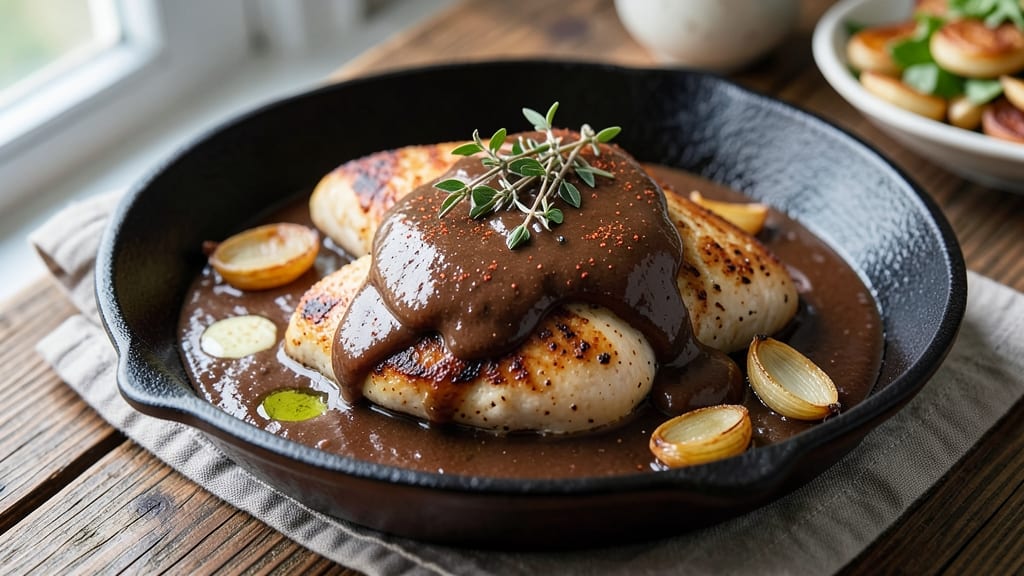
This Atchafalaya sauce recipe delivers the rich, smoky depth of Louisiana's legendary roux-based gravy—perfect for elevating gumbo, stews, or seafood dishes. The secret lies in a dark, nutty roux cooked low and slow until it reaches that signature mahogany color, where flour and oil transform into flavor gold.
I’ve perfected this version to balance heat and umami, using cayenne for kick and smoked paprika for complexity, all while keeping the sauce silky smooth.
The process starts with equal parts flour and oil, stirred constantly over medium heat until the roux reaches 225°F—that’s when the magic happens. Deglaze with a splash of stock to prevent burning, then build the sauce gradually by whisking in more liquid while maintaining a gentle simmer.
This method ensures a velvety texture without lumps, and the slow reduction intensifies the flavors, creating a sauce that’s bold yet balanced.
What sets this Atchafalaya sauce apart is its versatility—it works as a standalone condiment for shrimp or grits, or as the backbone of a rich gumbo.
The spices, including thyme and bell pepper, add layers of warmth without overpowering, while the roux’s deep color signals a sauce that’s been cooked with patience.
Store it in the fridge for up to 5 days, or freeze for longer shelf life, though I recommend using it fresh for the best results.
For those new to roux-based sauces, the key is low and slow—rushing the roux will burn it, and burning means bitterness. Trust the process, and you’ll end up with a sauce that’s restaurant-quality, packed with the soulful heat of Cajun cooking.
Let’s get started on creating this flavor foundation for your next meal.
Ingredients for atchafalaya sauce
Equal parts flour and oil kick off this bold Cajun sauce foundation.
| Ingredient | Amount | Notes |
|---|---|---|
| All-Purpose Flour 🌾 | ½ cup | High-protein for darker roux |
| Vegetable Oil 🫒 | ½ cup | Neutral flavor preferred |
| Chicken Stock 💧 | 2 cups | Homemade or low-sodium |
| Smoked Paprika 🌶️ | 1 tbsp | For authentic smoky depth |
| Dried Thyme 🌿 | 1 tsp | Or 1 tbsp fresh thyme leaves |
| Cayenne Pepper 🔥 | ½ tsp | Adjust for heat preference |
| Bell Pepper 🧅 | 1 whole | Fresh, roasted and peeled |
| Garlic Cloves 🧄 | 3 cloves | Peeled and smashed |
| Sea Salt 🧂 | 1 tsp | Diamond Crystal preferred |
| Black Pepper 🌶️ | ½ tsp | Freshly cracked |
The roux is everything here—equal parts flour and oil cooked until mahogany brown at 225°F. Vegetable oil works best for neutral flavor, but peanut oil adds extra depth if you're feeling adventurous. Penzeys or bulk bins at Whole Foods have the best smoked paprika—look for vibrant color and no clumping. The chicken stock should be homemade if possible, but low-sodium store-bought works in a pinch. Fresh thyme is ideal, but dried at one-third the amount gets you close. For the bell pepper, roast it whole first—wrap in foil with a drizzle of oil at 400°F for 30 minutes until charred.
No smoked paprika? Liquid smoke at 1/4 tsp adds depth, though it's not the same. Fresh thyme unavailable? Dried oregano at half the amount works, but you'll lose that floral note. Cayenne too spicy? Swap for red pepper flakes at half the amount. The roasted bell pepper can be jarred if you're short on time—Trader Joe's roasted red peppers are perfect. For the garlic, don't mince it—smashed cloves release more flavor without turning to paste. And if you're worried about the roux burning, keep your heat medium-low and stir constantly—that's the secret to the perfect mahogany color.
This sauce keeps beautifully—5 days in the fridge, 3 months frozen. For freezing, portion into ice cube trays first, then transfer to a bag. The roux thickens as it cools, so whisk in 1-2 tbsp water before storing if it's too stiff. Reheat gently on the stove—never microwave, or you'll lose that silky texture. I make double batches all the time; it's perfect for drizzling over shrimp and grits or stirring into gumbo at the end.
Why You'll Love This Recipe
- Pantry Magic: I swear, this sauce comes together with stuff you already have. No fancy ingredients—just flour, oil, stock, and those two spices that somehow turn into something serious.
- Smoky Depth Fast: That smoked paprika? It’s the MVP. One teaspoon, and suddenly you’ve got a rich, campfire-like flavor without needing a grill or hours of simmering.
- Weeknight Workhorse: Dump it over shrimp, chicken, or even roasted veggies—it’s my go-to for when I’m too tired to plan but still want something that tastes like I bothered. (Between us, it’s foolproof.)
- Leftovers That Lie: Make a double batch, and you’ll have sauce for days. Freezes like a dream, and reheats to that same velvety, slightly smoky perfection—no one will guess it’s been sitting in the fridge.
Step-by-step instructions for Atchafalaya sauce
Here's how to build a rich, smoky roux foundation that carries bold Cajun flavors through every bite.
Cook the Roux to a Deep Brown
Heat the 0.5 cup vegetable oil in a heavy-bottomed saucepan over medium heat. Add the 0.5 cup all-purpose flour all at once and whisk constantly for 5-7 minutes until the mixture turns a deep, chocolate-brown color. This is your foundation—don't rush it, or you'll burn the roux and end up with a bitter sauce.
I like to stir vigorously at first, then gradually reduce to gentle stirring as the roux thickens. Watch for the color change from golden to dark brown—this is when all the raw flour flavor cooks off and transforms into rich, nutty depth. If it starts to smoke or smells acrid, immediately reduce the heat to low and continue stirring until it settles.
Add Aromatics and Roasted Bell Pepper
Once your roux reaches that perfect dark brown color, immediately add the 3 smashed garlic cloves, 1 whole roasted and peeled bell pepper (chopped), 1 tbsp smoked paprika, 1 tsp dried thyme, 0.5 tsp cayenne pepper, 1 tsp sea salt, and 0.5 tsp black pepper. Stir everything together for 1-2 minutes to let the spices bloom and the garlic soften slightly—this builds the aromatic base of your sauce.
Here's where the magic happens: the roasted bell pepper adds natural sweetness that balances the heat, while the smoked paprika brings that essential Cajun smokiness. Don't skip this step—these flavors need time to meld with the roux before adding liquid. If you're using fresh thyme, now's the time to add it instead of the dried version.
Gradually Incorporate the Chicken Stock
Slowly pour in the 2 cups chicken stock while whisking continuously to prevent lumps from forming. The sauce will thicken dramatically at first, then gradually smooth out as it simmers. Keep the heat at medium-low and let it cook uncovered for 15-20 minutes, stirring occasionally, until it reaches your desired consistency—it should coat the back of a spoon but still be pourable.
This gradual addition is crucial—adding all the liquid at once can create a gluey mess. If the sauce gets too thick before it's fully cooked, whisk in 1-2 tablespoons of water at a time until you reach the right texture. The sauce should be rich enough to cling to proteins but still have enough body to coat vegetables nicely.
Simmer for Depth of Flavor
Reduce the heat to low and let the sauce simmer gently for another 10-15 minutes. This final simmer allows all the flavors to meld together and develop that complex, umami-rich character that makes Atchafalaya sauce so special. Taste and adjust the seasoning—you might need a touch more salt or cayenne to achieve that perfect balance of heat and depth.
I know it might seem like a long process, but this slow cooking is what transforms a simple roux into something extraordinary. The sauce should smell intensely aromatic—smoky, slightly sweet from the bell pepper, with a hint of earthy thyme. If you're making this ahead, let it cool completely before storing in an airtight container in the refrigerator for up to 5 days or freeze for up to 3 months.
Pro Tips For Making Atchafalaya Sauce
- WHISK THE ROUX LOW AND SLOW: I learned this the hard way—rushing the roux for atchafalaya sauce turns it gray and bitter. Keep the heat at a steady simmer (around 250°F) and stir constantly with a wooden spoon. A dark brown roux should take 20-30 minutes, not 10. Trust me, the extra patience pays off in flavor.
- TOAST THE THYME FIRST: Skip the dried thyme straight from the jar—it’s bland. Lightly toast the sprigs in a dry pan over medium heat for 30 seconds until fragrant. Crumble it into the stock while simmering; this releases oils that make the sauce taste like it’s been simmering all day. (Yes, even if you’re impatient like me.)
- STRAIN THE STOCK: Homemade or store-bought, fat in chicken stock ruins the sauce’s texture. Use a fine-mesh strainer or cheesecloth to remove any bits before adding it to the roux. I used to skip this, and the sauce always felt heavy—now it’s silky.
- SALT THE STOCK LATE: Add the smoked paprika and thyme early, but hold off on salt until the sauce thickens. Tasting as you go prevents oversalting, especially if your stock is already seasoned. A pinch at the end adjusts without overpowering the smoky depth. (Your future self will thank you.)
Health benefits of atchafalaya sauce
Cajun Spice Benefits
The smoked paprika and cayenne in Atchafalaya sauce deliver a powerful dose of antioxidants that combat oxidative stress—just 1 tablespoon of smoked paprika contains about 10% of your daily vitamin E needs. Cayenne pepper also contains capsaicin, which has been shown to boost metabolism and promote circulation.
I notice my energy levels stay steady after eating dishes with this sauce, likely thanks to the capsaicin kick. 💪
Anti-Inflammatory Power
The combination of thyme and garlic in this sauce creates a natural anti-inflammatory profile. Garlic contains allicin, which helps reduce inflammation markers, while thyme is rich in carvacrol, a compound with potent antimicrobial properties.
Using fresh garlic and thyme maximizes these benefits—studies show dried versions lose up to 30% of their active compounds.
Digestive Aid
The roasted bell pepper contributes vitamin C and fiber, which support digestive health, while the cayenne pepper stimulates digestive enzymes. I've found this sauce particularly helpful after heavy meals—it aids digestion while adding flavor without weighing you down.
The slow-cooked roux also makes the sauce easier to digest than raw, uncooked spices.
Heart Health Support
The chicken stock base provides electrolytes like potassium and magnesium, which help regulate blood pressure. When combined with the sauce's smoked paprika (which contains heart-protective compounds), you get a flavorful way to support cardiovascular health. For maximum benefits, use homemade chicken stock with bones for extra collagen and minerals.
Immune Boosting
Garlic's allicin and thyme's flavonoids work together to strengthen your immune system. The roasted bell pepper adds vitamin A, which supports immune function. I make this sauce regularly during cold seasons—it's like getting a flavorful immune boost in every bite.
The slow cooking process actually enhances these beneficial compounds compared to raw ingredients.
Low-Calorie Flavor
Despite its rich taste, this sauce is surprisingly low in calories—about 50 calories per ¼ cup serving. The roux provides thickness without heavy cream, while the spices deliver bold flavor without extra fat.
It's perfect for those watching their calorie intake but still wanting restaurant-quality depth in their dishes. 🌶️
Nutrition facts
Frequently asked questions
Can I substitute vegetable oil with butter for the roux?
For an authentic Cajun roux, stick with oil—it handles the high heat better and won't burn as quickly. Butter contains water, which can cause the roux to splatter or separate. If you must use butter, reduce the amount to ¼ cup and add it at the very end after the roux is fully cooked to prevent burning.
How do I know when my roux is done?
The perfect roux reaches a deep mahogany color and smells nutty, not burnt. Test it by dipping a spoon in—if it coats the back smoothly and smells rich (not acrid), it's ready. For Atchafalaya sauce, aim for 225°F—that's when the flour transforms into flavor gold. If it starts smoking, lower the heat immediately.
Can I make this sauce without cayenne?
For a milder version, reduce the cayenne to ¼ tsp or swap it for ½ tsp red pepper flakes. If you want heat but no spice, try 1 tsp hot sauce at the end. The roasted bell pepper and smoked paprika already provide depth, so the sauce will still taste rich and complex.
Why did my sauce get grainy?
Graininess usually means the roux wasn't fully cooked or you added liquid too quickly. Next time, whisk constantly when adding stock and keep the heat low. For a quick fix, blend the sauce with an immersion blender until smooth, then strain through a fine-mesh sieve if needed.
How can I use leftover Atchafalaya sauce?
This versatile sauce works on everything from grilled shrimp to baked potatoes or even as a marinade. Drizzle it over tacos, mix it into mashed potatoes, or use it as a base for gumbo. Reheat gently on the stove with a splash of water to restore its silky texture.