
Sauces & Condiments
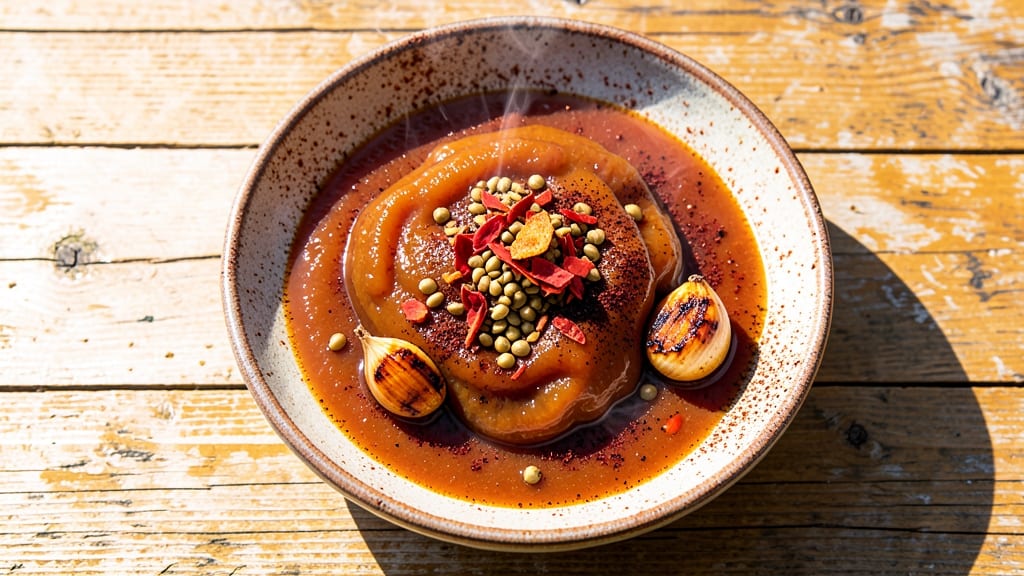
This apricot hot sauce recipe transforms sweet summer fruit into a complex, balanced condiment that bridges fruity sweetness with smoky heat. The secret lies in caramelizing apricots with smoked paprika before blending them with vinegar and chili peppers, creating a sauce that's tangy, slightly sweet, and packed with depth.
Unlike traditional hot sauces, this version offers a unique fruit-forward profile that works as a marinade, dipping sauce, or bold topping for tacos and grilled meats.
The process is straightforward but requires patience—simmering the apricots until jammy intensifies their natural sweetness while allowing the spices to bloom. Garlic, mustard seeds, and a touch of honey balance the heat, ensuring the sauce remains versatile for both mild and spicy preferences.
What makes this recipe stand out is its ability to elevate dishes without overpowering them, making it a game-changer for anyone looking to add a fruity twist to their hot sauce repertoire.
Once blended and strained, the sauce develops even more complexity as it rests, allowing flavors to meld seamlessly. Store it in the refrigerator for up to three months, and adjust the heat level by adding more chili peppers or reducing the vinegar for a smoother finish.
This isn’t just another hot sauce—it’s a vibrant, multi-dimensional condiment that turns ordinary meals into something extraordinary.
Perfect for pairing with spicy dishes, grilled proteins, or even as a glaze for roasted vegetables, this apricot hot sauce delivers a balance of sweet, tangy, and smoky notes that will redefine your condiment collection.
Let’s get started on creating this versatile, flavor-packed sauce that’s as functional as it is delicious.
Ingredients for apricot hot sauce
Sweet fruit meets smoky heat in this vibrant condiment blend—simple ingredients, bold flavor.
| Ingredient | Amount | Notes |
|---|---|---|
| Fresh Apricots 🍑 | 1 ½ lb | Pitted and sliced into quarters |
| Red Wine Vinegar 🍷 | ½ cup | Balsamic works too for depth |
| Smoked Paprika 🌶️ | 2 tbsp | Key for smoky depth |
| Garlic Cloves 🧄 | 4 cloves | Freshly minced for aromatic punch |
| Mustard Seeds 🌿 | 1 tsp | Toasted for nutty complexity |
| Red Chili Peppers 🌶️ | 2 whole | Seeds removed for mild heat |
| Honey 🍯 | 2 tbsp | Balances acidity and sweetness |
| Salt 🧂 | 1 ½ tsp | Diamond Crystal preferred |
| Black Peppercorns 🌶️ | ½ tsp | Freshly cracked for texture |
| Water 💧 | ¼ cup | For thinning if needed |
The apricots are the heart of this sauce, so pick ripe, juicy ones—the sweeter, the better. Trader Joe's and Whole Foods often carry the best quality, but any fresh apricots work. For smoked paprika, Penzeys or McCormick are reliable brands that deliver consistent depth. Toast the mustard seeds in a dry pan for 30 seconds—they’ll release their nutty aroma and elevate the sauce. As for the chili peppers, Arbol or Fresno peppers add great heat without overpowering the fruit's natural sweetness.
No fresh apricots? Dried apricots work in a pinch—simmer them longer to rehydrate fully. Running low on red wine vinegar? Apple cider vinegar or white vinegar both work, though red wine adds a subtle complexity. Want to adjust the heat? Remove the seeds from the chili peppers for mild sauce or keep them for a spicier kick. If you prefer a smoother texture, strain the sauce through a fine-mesh sieve. For a sweeter finish, add an extra tablespoon of honey—just taste as you go.
This sauce keeps beautifully in the fridge for up to 3 months when stored in an airtight jar. For best results, let it rest for at least 24 hours before using—flavors meld even more overnight. If it thickens too much, stir in a splash of water or vinegar to reach your preferred consistency. The sauce freezes well too, making it perfect for gifting or batch cooking. Just thaw in the fridge and stir before using.
Why You'll Love This Recipe
- No-Fuss Blend: I swear, you just toss in chopped apricots, a splash of vinegar, and a pinch of smoked paprika—no fancy techniques. The mustard seeds add a tiny crunch without extra work, and honestly? It’s the kind of sauce where you can stir while chatting with someone.
- Sweet Heat Magic: That balance of jammy apricots and tangy vinegar with a whisper of garlic? It’s the kind of flavor that makes you pause mid-bite. The smoked paprika gives it this deep, slightly charred edge that turns grilled chicken or roasted veggies into something special—no extra seasoning needed.
- Pantry Staple Upgrade: I keep this in my fridge year-round because it’s that versatile. Drizzle it on tacos, mix it into marinades, or even stir it into mayo for a quick sandwich sauce. (Yes, even on a Tuesday night.) It’s the one thing that makes simple meals feel intentional.
- Makes More Than You Think: A single batch stretches for weeks—perfect for when you’re lazy or just don’t want to shop often. The vinegar and spices keep it shelf-stable, and the apricots’ natural sweetness means you won’t waste a drop. Between us, I’ve had this last three months and still crave it.
Step-by-step instructions for apricot hot sauce
Here's how to transform fresh apricots into a vibrant, balanced hot sauce with layers of smoky depth and fruity brightness.
Toast Spices and Prepare Apricots
In a dry skillet over medium-low heat, toast the mustard seeds for 1-2 minutes until they release their nutty aroma and turn golden. Immediately transfer them to a bowl and set aside. In the same skillet, add the smoked paprika and toast for 30 seconds until fragrant—this deepens the smoky flavor without burning.
While the spices toast, halve the red chili peppers lengthwise, remove seeds and membranes, then slice into ¼-inch strips. Peel the fresh apricots by blanching them in boiling water for 30 seconds, then shocking in ice water. Slice each apricot into ¼-inch thick pieces—this ensures even cooking and maximum surface area for flavor infusion.
Build the Base in a Saucepan
Combine the 1.5 lb sliced apricots, 0.5 cup red wine vinegar, 2 tbsp honey, 1.5 tsp salt, and 0.5 tsp cracked black peppercorns in a heavy-bottomed saucepan. Bring to a simmer over medium heat, then reduce to low heat and cook uncovered for 15 minutes until the apricots soften and release their juices.
Add the toasted mustard seeds, smoked paprika, minced garlic cloves, and chili strips. Stir gently to combine, then continue simmering for another 10 minutes until the mixture thickens slightly and the flavors meld. The sauce should coat the back of a spoon with a glossy sheen—this indicates proper reduction.
Blend and Strain for Smooth Texture
Transfer the mixture to a blender or food processor and purée until completely smooth. I like to blend in batches for easier handling, especially with the fibrous apricot skins. For an ultra-smooth sauce, strain through a fine-mesh sieve into a clean saucepan, pressing gently with a wooden spoon to extract all the liquid.
Return the strained sauce to the saucepan and simmer gently for 5-7 minutes to further reduce and concentrate the flavors. The sauce should coat a spoon thickly but remain pourable. If it thickens too much, whisk in 1-2 tablespoons of the 0.25 cup water as needed to reach your desired consistency.
Adjust Balance and Bottle
Taste the sauce and adjust the balance of sweet, tangy, and spicy elements. Add more honey for sweetness, red wine vinegar for acidity, or a pinch of salt to enhance depth. For extra heat, stir in a few drops of hot sauce or a pinch of cayenne pepper.
Let the sauce cool completely, then transfer it to sterilized glass bottles or jars. Seal tightly and store in the refrigerator for up to 3 months. The flavors will continue to develop and deepen over time, making this sauce even more complex with each passing week.
Pro Tips For Making Apricot Hot Sauce
- Simmer Low and Slow: Skip the urge to boil this sauce—you’re not making jam. Keep the heat at a gentle simmer (small bubbles, just breaking the surface) for at least 20 minutes. I learned this the hard way when my first batch turned into a sad, watery glaze instead of a rich, jammy sauce. The longer it cooks, the deeper the apricot flavor and the smoother the texture.
- Pit Those Apricots: Don’t just halve them—remove the pits. I used to leave them in, thinking they’d add depth, but they just made the sauce bitter and gummy. A quick run under hot water softens the fruit, and a paring knife (or your fingers, if you’re brave) gets those pits out fast. Trust me, your sauce will thank you.
- Toast the Mustard Seeds: Dry-toast the mustard seeds in a separate pan for 30 seconds before adding them to the sauce. This isn’t just for aroma—it prevents them from turning the sauce into a weird, grainy sludge. Just listen for that tiny popping sound, then toss them in. No, you won’t burn them if you watch closely.
- Strain for Smoothness: If you want a silky sauce, strain it through a fine-mesh sieve after cooking. I know, it’s extra work, but skipping this step leaves you with a texture that’s more “rustic” and less “restaurant-quality.” Use a spoon to press out every last drop of flavor—your future self will notice the difference.
Make-ahead tips for leftovers
Batch Prep Essentials
Start by prepping all ingredients in one go to streamline the process. I like to peel and slice 1.5 lbs of apricots while the spices toast—this keeps everything moving efficiently.
Use a mandoline slicer for even ¼-inch slices if you’re making multiple batches. Toasting the mustard seeds and smoked paprika first intensifies their flavors, so don’t skip this step. 🌶️
For larger batches, double the recipe and use a 6-cup blender like the Ninja BN601 to handle the volume. If you’re short on time, dried apricots work—just simmer them for 20 minutes to rehydrate fully.
Sterilize your storage jars by running them through a 200°F oven for 10 minutes to prevent spoilage.
Flavor Development Timeline
Let the sauce rest for at least 24 hours before using—this allows the flavors to meld beautifully. I often make a big batch on Sunday and let it sit in the fridge all week.
The longer it rests, the more complex the taste becomes, especially the smoky depth from the paprika. 💫
If you’re in a hurry, blend and bottle immediately, but the first use will be less vibrant. For best results, wait 3-4 days before tasting—this is when the sauce truly shines. The acidity from the vinegar and sweetness from the apricots balance perfectly over time.
Storage Hacks
Store your apricot hot sauce in amber glass bottles to protect it from light, which can degrade flavors. I keep mine in the fridge for up to 3 months, but it often lasts longer if the acidity is high enough.
For gifting, use vacuum-sealed jars to extend shelf life to 6 months in the pantry.
Freezing is an option too—portion into ice cube trays for single-use servings. Thaw overnight in the fridge before using. If the sauce thickens after freezing, stir in 1 tsp water per ¼ cup of sauce to restore consistency.
Heat Level Adjustments
Want a milder sauce? Remove all seeds and membranes from the chili peppers before cooking. For extra heat, add ½ tsp cayenne pepper or a few drops of hot sauce after blending. I like to taste-test as I go—adjust gradually to avoid overpowering the fruity notes. 🔥
If the sauce tastes too sweet, add 1 tbsp more red wine vinegar to cut through. Too tangy? Balance with ½ tbsp honey. These tweaks ensure the sauce stays versatile for any dish, from tacos to grilled meats.
Nutrition facts
Frequently asked questions
Can I substitute dried apricots for fresh in this recipe?
Yes! Use ½ cup dried apricots instead of fresh, but soak them in warm water for 20 minutes to rehydrate first. Drain well before using, as they'll release more moisture. You may need to reduce the honey slightly since dried apricots are more concentrated.
How do I adjust the heat level if I want a milder sauce?
For a milder version, remove ALL seeds and membranes from the chili peppers before cooking. If you prefer some heat but less intensity, keep the seeds but use 1 chili pepper instead of 2. For extra mildness, strain out the chili pieces before blending.
What's the best way to use this sauce beyond dipping?
This versatile sauce works as a marinade for grilled chicken or pork, a glaze for roasted vegetables, or a finishing drizzle for tacos and bowls. Try mixing 1 tbsp into mayo for a fruity-spicy sandwich spread, or use it to deglaze pans after searing meat.
Can I make this sauce without a blender?
After simmering, let the mixture cool slightly, then mash it with a potato masher or fork until smooth. For a smoother texture, press the mixture through a fine-mesh sieve using a spoon. You'll lose some fiber, but it'll still be delicious.
Why does my sauce taste too sweet after resting?
This happens when the vinegar's acidity mellows over time. Balance it by adding 1 tbsp more red wine vinegar or a pinch of salt to enhance brightness. If it's still too sweet, add ½ tsp lemon juice to cut through. Taste as you go—small adjustments make all the difference!