
Sauces & Condiments
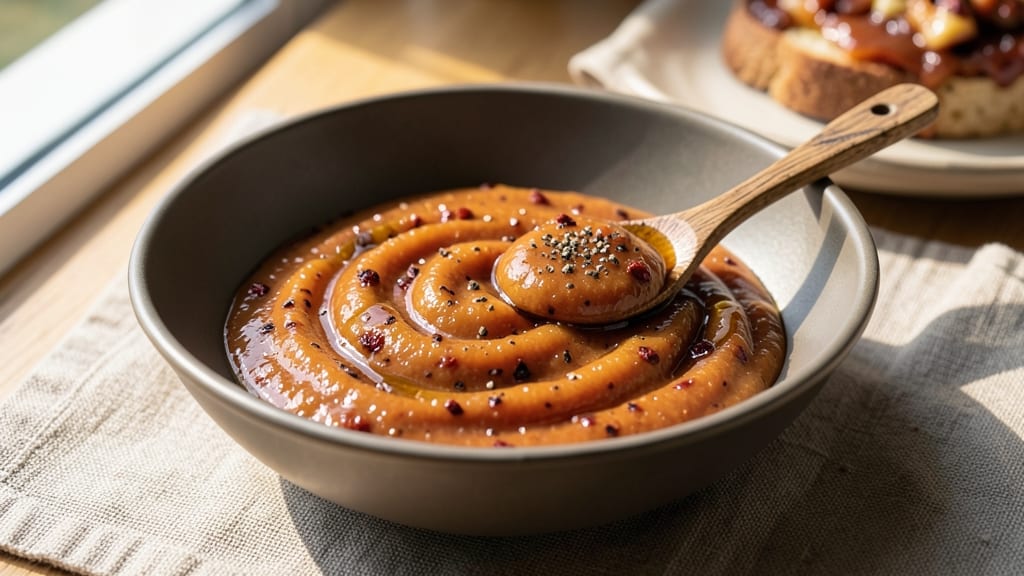
This apricot chipotle sauce balances smoky heat with sweet fruit depth, elevating grilled meats, tacos, and roasted vegetables in minutes. The secret lies in blending chipotle peppers in adobo with apricot purée, creating a sauce that’s both complex and approachable—no fancy techniques required.
I developed this recipe after craving a glaze that could stand up to bold flavors while adding a touch of sweetness, and it’s become a staple in my kitchen for adding depth to everything from chicken thighs to grilled corn.
The sauce starts with a simple base of apricot purée, which mellows the chipotle’s heat while adding natural sweetness. A splash of apple cider vinegar brightens the flavors, while garlic and onion powder build savory layers.
The sauce thickens slightly as it simmers, creating a glossy finish that clings beautifully to meats and vegetables. What makes this recipe stand out is its versatility—it works as a marinade, a glaze, or a tangy topping, and the flavors only deepen as it sits.
By the time you’re done, you’ll have a sauce that’s rich, slightly sticky, and packed with layers of flavor—smoky from the chipotle, sweet from the apricot, and bright from the vinegar.
It’s the kind of sauce that transforms ordinary dishes into something special, whether you’re drizzling it over grilled shrimp or using it to baste chicken before serving. The best part?
It keeps well in the fridge for up to two weeks, so you can make a batch and use it all season long.
Perfect for grilled meats, tacos, or even as a dip for roasted vegetables, this sauce is a game-changer for anyone looking to add a little sweet heat to their cooking. Let’s get started—your taste buds will thank you.
Ingredients for apricot chipotle sauce
Sweet, smoky, and tangy—this sauce brings bold flavor to everything from grilled meats to roasted veggies.
| Ingredient | Amount | Notes |
|---|---|---|
| Apricot Purée 🍑 | 1 cup | Unsweetened for best balance |
| Chipotle Peppers in Adobo 🌶️ | 4 whole | With sauce, finely chopped |
| Apple Cider Vinegar 🍏 | ¼ cup | Bottled, not cider |
| Garlic Powder 🧄 | 1 tbsp | Freshly ground preferred |
| Onion Powder 🧅 | 1 tbsp | For depth of flavor |
| Honey 🍯 | 1 tbsp | Light or wildflower preferred |
| Salt 🧂 | ½ tsp | Kosher or sea salt |
| Ground Black Pepper 🌶️ | ¼ tsp | Freshly cracked |
| Olive Oil 🫒 | ¼ cup | Extra-virgin for richness |
| Water 💧 | ¼ cup | For thinning if needed |
The chipotle peppers in adobo are the heart of this sauce, so don’t skimp. Look for the sauce-packed jars at Mexican markets or the Latin aisle—La Costeña is my go-to brand. The apricot purée should be unsweetened; Mott’s or Bonne Maman work perfectly. Freshly ground spices make a difference, but pre-ground will do in a pinch. I always double-check the honey label—light or wildflower keeps the flavor from overpowering the smoky notes. For the olive oil, California avocado oil adds a nice neutral base, but any extra-virgin will work.
No chipotle peppers? Substitute smoked paprika plus a pinch of cayenne—it won’t be identical, but it’ll get you close. Running short on apricot purée? Mango purée or unsweetened applesauce work in a pinch, though the flavor will shift slightly. Apple cider vinegar hard to find? White wine vinegar or lime juice adds brightness, but apple cider’s tang is ideal. If your sauce feels too thick, add water a splash at a time—it should coat the back of a spoon but still pour easily. For extra depth, a pinch of cinnamon or smoked paprika can elevate the flavors.
This sauce keeps beautifully in the fridge for up to 2 weeks—the flavors actually deepen over time. I like to store it in a glass jar with a tight seal, and it reheats perfectly in the microwave. For longer storage, freeze in ice cube trays—just thaw overnight in the fridge. The sauce is fantastic as a marinade, glaze, or dip, so make a big batch. It’s the kind of sauce that turns ordinary grilled chicken into a restaurant-worthy dish.
Why You'll Love This Recipe
- Pantry Magic: I swear by this sauce because it uses things I already have—no special shopping required. That jar of apricot purée sitting in my cupboard? The chipotle peppers I bought last month? Boom, instant flavor without extra trips.
- Sweet Heat Balance: The apricot purée softens the chipotle’s kick just enough, while the apple cider vinegar cuts through the richness. It’s smoky, tangy, and just sweet enough—like a grown-up version of my favorite salsa.
- Weeknight Workhorse: Drizzle it over grilled chicken for dinner, toss it with roasted veggies for lunch, or even stir it into yogurt for a dip. I’ve used it in everything from tacos to pasta, and it never lets me down.
- Zero Waste, Double Use: A little goes a long way, so I make a big batch and keep it in the fridge for up to two weeks. Honestly, I’ve had it last even longer—my family sneaks seconds before I can ration it out.
Step-by-step instructions for apricot chipotle sauce
This smoky-sweet sauce comes together quickly with just a few simple steps.
Finely Chop the Chipotle Peppers
Remove the 4 whole chipotle peppers from their adobo sauce and place them in a food processor. Pulse until you achieve a fine, paste-like consistency—think somewhere between minced garlic and a thick paste. You want the texture to be smooth but still retain some visible bits for that authentic smoky depth.
Here's the thing—don't skip this step. Using whole peppers or just the sauce will give you uneven heat distribution. The finely chopped peppers blend seamlessly with the apricot purée, creating that perfect balance of smoky heat and sweet fruitiness that makes this sauce so versatile.
Sauté the Spice Base
Heat the 0.25 cup olive oil in a medium saucepan over medium heat. Add the finely chopped chipotle peppers and cook for 2-3 minutes until fragrant. This step develops the smoky aroma and removes any raw taste from the peppers.
Next, add the 1 tbsp garlic powder and 1 tbsp onion powder, stirring constantly for 30 seconds until the spices are toasted and smell deeply aromatic. The spices should be sizzling gently but not burning—if they darken too quickly, reduce the heat slightly. This quick toast brings out the flavors that will form the foundation of your sauce.
Combine Wet Ingredients
Pour in the 0.25 cup apple cider vinegar and bring the mixture to a gentle simmer. Let it cook for 2 minutes to allow the vinegar's acidity to mellow slightly and blend with the spices. Then, add the 1 cup apricot purée and 1 tbsp honey, stirring constantly to combine everything smoothly.
This is where the magic happens—the apricot purée's natural sweetness starts to meld with the smoky chipotle and tangy vinegar. Keep the heat at medium-low to prevent the sauce from boiling vigorously, which could cause it to separate. You're aiming for a thick, glossy consistency that coats the back of a spoon.
Season and Simmer
Add the 0.5 tsp salt and 0.25 tsp ground black pepper, stirring well to distribute the seasoning evenly. Let the sauce simmer gently for 5-7 minutes, stirring occasionally. You'll notice it thickens as the moisture reduces and the flavors meld together.
If the sauce becomes too thick during simmering, you can add the 0.25 cup water 1 tablespoon at a time until you reach your desired consistency. The sauce should be smooth, glossy, and thick enough to coat the back of a spoon but still pourable. Taste as you go—this is your chance to adjust the balance of sweet, smoky, and tangy flavors to your preference.
Cool and Store
Remove the saucepan from heat and let the sauce cool for 5 minutes. This cooling period allows the flavors to settle and the sauce to thicken slightly more. Once cooled, transfer the sauce to a clean jar or airtight container for storage.
The sauce will keep in the refrigerator for up to 2 weeks, making it perfect for batch cooking. You can use it to glaze grilled meats, drizzle over roasted vegetables, or even mix into marinades. The balance of sweet and smoky flavors makes it incredibly versatile—don't be afraid to experiment with it!
Pro Tips For Making Apricot Chipotle Sauce
- Blend in Stages: Start with just the apricot purée and chipotle peppers—blend those until completely smooth before adding vinegar or powders. I learned this the hard way when my first batch had stubborn chipotle chunks; the purée’s natural oils help break them down faster.
- Toast the Powders: Lightly toast garlic and onion powder in a dry pan for 30 seconds before mixing them in. The nutty aroma deepens the sauce’s complexity—it’s subtle but noticeable, especially when paired with sweet apricots.
- Strain the Vinegar: If your apple cider vinegar is cloudy or has sediment, strain it through a fine-mesh sieve before adding it to the sauce. I was skeptical until I tried it; the texture stays silky, and the heat from the chipotle doesn’t get muddled.
- Balance the Heat: Taste as you go, but wait 10 minutes after adding vinegar before adjusting—your palate dulls to acidity over time. I used to overcompensate with more sweetness, only to realize the chipotle’s smokiness needed space to shine.
Health benefits of this recipe
Antioxidant-Rich Apricots
The apricot purée in this sauce brings more than just sweetness—it’s packed with vitamin C and beta-carotene, powerful antioxidants that support your immune system and skin health. A 1-cup serving of apricots provides about 20% of your daily vitamin C, which helps fight oxidative stress.
I love using unsweetened purée to keep the nutritional benefits intact while balancing the smoky heat from the chipotle. 💛
Anti-Inflammatory Chipotle
Chipotle peppers contain capsaicin, a compound known for its anti-inflammatory properties that can help reduce muscle soreness and even boost metabolism. The peppers in adobo sauce also provide vitamin A, which supports eye health and skin regeneration.
Using 4 whole peppers gives you just the right amount of heat without overwhelming the dish. The slow simmer in the sauce helps mellow the capsaicin’s intensity while preserving its health benefits.
Probiotic Boost from Vinegar
Apple cider vinegar isn’t just for flavor—it contains acetic acid, which may help regulate blood sugar levels and support gut health. The ¼ cup used in this recipe adds tangy brightness while contributing to a balanced microbial environment.
I prefer bottled vinegar over cider for consistency, but if you use raw apple cider vinegar, you’ll get even more probiotic benefits. The acidity also helps break down the sauce’s ingredients, creating a smoother texture.
Heart-Healthy Olive Oil
The ¼ cup of extra-virgin olive oil in this sauce isn’t just for richness—it’s loaded with monounsaturated fats that support heart health by lowering bad cholesterol levels. Olive oil also contains polyphenols, antioxidants that reduce inflammation.
Using high-quality oil like California avocado oil ensures you’re getting the maximum benefits without compromising flavor. The oil acts as a base that carries all the other flavors beautifully.
Blood Sugar Balance
While the honey in this sauce adds natural sweetness, the combination of apricot purée and chipotle creates a flavor profile that helps stabilize blood sugar levels better than refined sugars. The fiber in apricots and the capsaicin in chipotle work together to slow sugar absorption.
I use just 1 tablespoon of honey to keep the sauce balanced—enough to enhance the sweetness without overpowering the smoky notes. This makes the sauce a great option for those monitoring their sugar intake.
Digestive Comfort
The blend of ingredients in this sauce actually aids digestion. The fiber in apricots promotes healthy gut movement, while the capsaicin in chipotle can stimulate digestion and reduce bloating. The apple cider vinegar adds digestive enzymes that help break down food more efficiently.
I’ve found that a small drizzle of this sauce over grilled meats or roasted vegetables not only adds flavor but also makes the meal easier to digest. It’s a win-win for both taste and comfort! ✨
Nutrition facts
Frequently asked questions
Can I make this sauce without a food processor?
Yes! If you don't have a food processor, finely chop the chipotle peppers by hand with a sharp knife. For even texture, place them in a small bowl and press down with the flat side of your knife repeatedly. This method takes a bit more time but works perfectly—just be patient for that smooth, paste-like consistency.
How spicy will this sauce be?
The sauce has a mild to medium heat level, thanks to the finely chopped chipotle peppers and their adobo sauce. For less heat, reduce to 2-3 peppers. If you prefer more kick, add an extra chipotle or a pinch of cayenne. The sweet apricot and tangy vinegar balance the heat beautifully, so it's never overpowering.
What are the best ways to use this sauce?
This versatile sauce works as a glaze for grilled chicken or pork, a marinade for seafood, or a tangy dip for roasted vegetables. Try drizzling it over tacos, mixing into hummus, or using it as a base for salad dressings. The smoky-sweet balance makes it perfect for both savory and slightly sweet dishes.
Can I substitute chipotle powder for fresh peppers?
While chipotle powder will work in a pinch, it won't provide the same deep smoky flavor. For best results, use smoked paprika (1 tsp) plus a tiny pinch of cayenne (⅛ tsp) to mimic the chipotle's complexity. The adobo sauce from fresh peppers adds a unique depth that powder simply can't replicate.
How do I adjust the sweetness level?
Start with the recipe as written, then taste and adjust. For more sweetness, add honey (½ tsp at a time). To reduce sweetness, increase the vinegar by 1 tsp or add a splash of water. The sauce's natural balance makes it easy to customize—just remember the apricot purée already provides natural sweetness.