
Sauces & Condiments
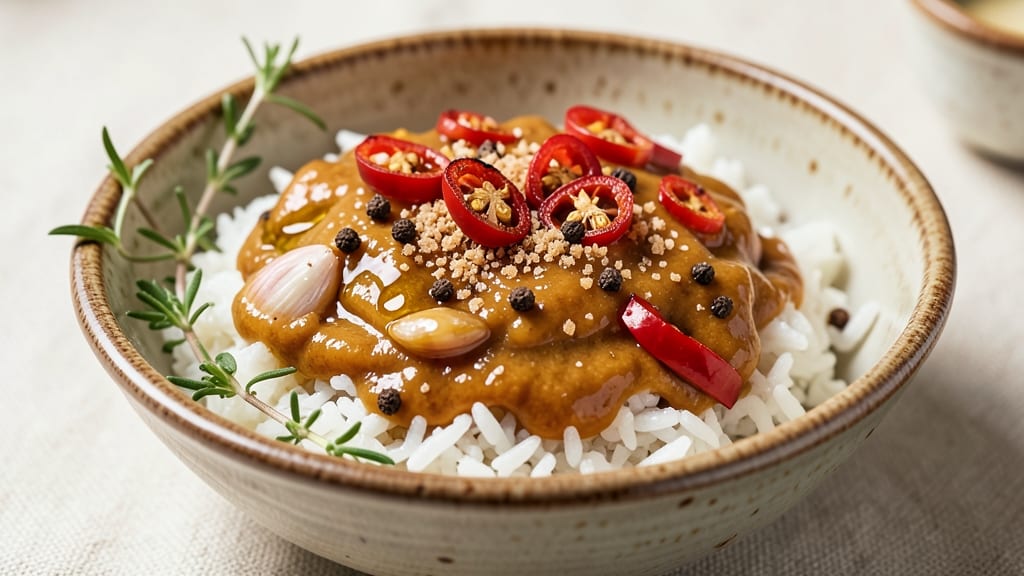
This Bahamian sauce recipe delivers the bold, fiery kick that defines Caribbean grilling—where sweet, tangy, and spicy flavors collide in perfect harmony. The secret lies in Scotch bonnet peppers, which bring both heat and fruity depth, balanced by vinegar's sharpness and garlic's aromatic punch.
What sets this sauce apart is its versatility—it transforms grilled meats into restaurant-worthy dishes while adding zing to fried plantains or roasted vegetables.
The preparation is straightforward but essential: simmering all ingredients until thickened creates a sauce that clings beautifully to food without overwhelming it. Traditional Bahamian cooking relies on this balance of heat and acidity, and this recipe captures that essence while being adaptable to any home kitchen.
The key is letting the flavors meld during cooking, which develops the sauce's complex character.
Once complete, you'll have a vibrant, slightly sticky sauce with layers of smoky, citrusy, and spicy notes that elevate every dish it touches. It's the kind of condiment that turns simple grilled chicken into a flavor explosion or makes fried plantains taste like they came from a Bahamian beachside shack.
The best part? It keeps well in the refrigerator for up to two weeks, making it perfect for batch cooking.
Use it generously on grilled fish, chicken, or pork, or drizzle it over plantains, coleslaw, or even eggs for breakfast. The possibilities are endless, but the result is always that authentic Bahamian flavor profile—bright, bold, and impossible to resist. Let's make this sauce!
Ingredients for bahamian sauce
Nine ingredients transform into a fiery, tangy sauce that brings Caribbean heat to any dish.
| Ingredient | Amount | Notes |
|---|---|---|
| Scotch Bonnet Peppers 🌶️ | 2 whole | Seeds removed for milder heat |
| White Vinegar 💧 | ½ cup | Distilled preferred for tang |
| Garlic Cloves 🧄 | 6 cloves | Freshly minced for aroma |
| Light Brown Sugar 🍚 | ¼ cup | Packed for sweetness |
| Extra-Virgin Olive Oil 🫒 | ½ cup | For richness and balance |
| Allspice Berries 🌿 | 1 tsp | Ground for warmth |
| Ground Cinnamon 🌶️ | ½ tsp | For subtle depth |
| Salt 🧂 | 1 ½ tsp | Diamond Crystal preferred |
| Black Peppercorns 🌶️ | ½ tsp | Freshly cracked |
| Fresh Lime Juice 🍋 | 2 tbsp | Freshly squeezed |
Scotch bonnet peppers are the heart of this sauce—look for bright red ones at Latin markets or well-stocked grocery stores. If you can't find them, Habanero peppers work in a pinch, but reduce the amount to half. For the vinegar, distilled white vinegar gives the cleanest tang, but apple cider vinegar adds a fruity twist. The brown sugar should be packed—light or dark doesn't matter here. Fresh garlic is non-negotiable; the aroma develops during simmering, so don't skip it. Allspice berries? Penzeys or bulk bins are your best bet for quality.
No Scotch bonnet? Habanero or Thai bird's eye peppers work, but start with half the quantity—these pack serious heat. Vinegar substitute? Lemon juice at 1:1 ratio, but the sauce will taste brighter. Brown sugar missing? White sugar or maple syrup both work, though maple adds a caramel note. For extra depth, toast the allspice berries in a dry pan for 30 seconds before grinding—worth the extra minute. Fresh lime juice is ideal, but bottled works if you're in a bind. The black peppercorns should be freshly cracked; pre-ground loses punch fast.
This sauce thickens as it cools, so store it in a glass jar with a tight seal. Keeps for 2 weeks in the fridge, but the flavor actually improves after a day or two. Freeze portions in ice cube trays for single-use servings—perfect for grilling or batch cooking. Always stir before using; the pepper seeds settle. If it gets too thick, thin with a splash of water or vinegar. The longer it sits, the more complex the flavors become—trust the process.
Why You'll Love This Recipe
- No Chopping Needed: I swear by this recipe because the garlic cloves just get minced—no dicing, no peeling fuss. The Scotch bonnet? One quick slice (if you’re brave) or a whole pepper for milder heat, tossed right into the vinegar. That’s it. Honestly, I make this while scrolling through my phone.
- Sweet Heat Magic: Between us, the brown sugar and vinegar combo is chef’s kiss—like a caramelized punch with a fiery kick. The olive oil softens the Scotch bonnet’s bite, leaving you with a sauce that’s tangy, slightly sweet, and addictive. Drizzle it on grilled fish or fried plantains, and suddenly everything tastes like a Bahamian beachside dinner.
- Leftovers That Last: This sauce keeps for weeks in the fridge, and the flavor only deepens. I’ve used a jar from two months ago on conch fritters, and it still packs a punch. No waste, no stress—just open, shake, and go. (Yes, even on a Tuesday night.)
- Dresses Up Everything: From grilled shrimp to roasted veggies, this sauce turns simple meals into something special. Too much? Thin it with water or more vinegar. Not enough? Slather it on like butter. It’s my go-to for potlucks, game days, or when I’m too tired to cook but still want flavor. Solid every time.
Step-by-step instructions for Bahamian sauce
This vibrant sauce delivers a perfect balance of spicy, sweet, and tangy flavors that elevate grilled meats and seafood.
Prepare the Scotch Bonnet Peppers
Carefully remove the seeds and membranes from the 2 whole Scotch Bonnet peppers—this reduces the heat while keeping the fruity depth. I like to wear gloves when handling them, as they pack serious heat even without seeds. Cut each pepper into 6-8 even slices, keeping them about ¼-inch thick.
Place the sliced peppers in a small bowl and pour the 0.5 cup white vinegar over them. Let them soak for at least 15 minutes while you prep the other ingredients. This step softens the peppers and mellows their intensity, creating a smoother sauce base. The vinegar also helps preserve their vibrant color and brightens the overall flavor profile.
Toast the Spices and Garlic
In a dry skillet over medium heat, add the 6 cloves garlic (peeled and minced) along with the 1 tsp allspice berries and 0.5 tsp ground cinnamon. Toast for 2-3 minutes until the garlic turns golden and fragrant, and the spices begin to release their warm, earthy aromas.
This toasting step is crucial—it deepens the flavor of the spices and garlic without burning them. You'll know it's ready when the mixture smells rich and slightly nutty. Immediately transfer the toasted mixture to a bowl and set aside. Don't let it darken or it'll turn bitter.
Simmer the Sauce Base
In a medium saucepan, combine the drained Scotch Bonnet peppers (with their soaking liquid), the toasted garlic-spice mixture, 0.25 cup packed light brown sugar, and 1.5 tsp salt. Bring to a gentle boil over medium heat, then immediately reduce to a simmer. Let it cook uncovered for 10 minutes, stirring occasionally.
This simmering process allows the flavors to meld together while the sugar caramelizes slightly, creating a beautiful balance between sweet and spicy. You'll see the mixture reduce slightly and develop a glossy sheen—this is your cue that the flavors are integrating perfectly. The sauce should be thick enough to coat the back of a spoon but still pourable.
Finish with Oil and Lime
Remove the sauce from heat and let it cool for 5 minutes. Then, slowly whisk in the 0.5 cup extra-virgin olive oil while the sauce is still warm. This creates an emulsified sauce with a silky texture. Add the 0.5 tsp cracked black peppercorns and stir them in.
Finally, give the sauce a bright finish by whisking in the 2 tbsp freshly squeezed lime juice. This adds a tangy contrast that cuts through the richness of the oil and balances the sweet-spicy profile. Taste and adjust seasoning if needed—you might want to add a pinch more salt or sugar to perfect the balance. The sauce should be vibrant red with flecks of spice and a beautiful sheen from the oil.
Rest and Serve
Let the sauce rest at room temperature for 30 minutes before serving. This allows all the flavors to fully meld together and the heat from the peppers to mellow slightly. The sauce will thicken as it cools, so if you prefer a thinner consistency, simply whisk in 1-2 tablespoons of warm water.
This Bahamian sauce is incredibly versatile—drizzle it over grilled fish, chicken, or pork, use it as a marinade, or serve it as a dipping sauce with fried plantains. The perfect balance of heat, sweetness, and tang makes it a showstopper for any meal. Store any leftovers in an airtight container in the refrigerator for up to 2 weeks, though I doubt it'll last that long!
Pro Tips For Making Bahamian Sauce
- CHAR THE PEPPERS RIGHT: Don’t just toss raw Scotch Bonnets into the pot—char them first over a gas flame or under a broiler until blackened in spots. This smoky depth is what separates good Bahamian sauce from great, and skipping it means missing the soul of the dish.
- MINCE GARLIC FINE: I used to chop garlic roughly, thinking it’d blend in fine. Wrong. For this sauce, mince it so finely it’s almost paste-like—this way, it dissolves smoothly and doesn’t leave grainy bits. (Yes, even if you’re impatient like me.)
- ACIDIFY GRADUALLY: Pouring all the white vinegar at once can make the sauce taste harsh. Instead, add it in two stages: half upfront, then the rest at the end. This lets the flavors marry without overpowering the sweetness.
- SWEAT THE GARLIC LOW: After charring the peppers, remove the pan from heat and let the garlic sit in the oil for 2–3 minutes—just until it’s fragrant but not browned. This prevents bitterness and keeps the garlic’s flavor pure. (Your future self will notice the difference.)
Essential equipment for perfect results
Immersion Blender
An immersion blender is my go-to tool for creating silky-smooth Bahamian sauce. The sauce's thick, emulsified texture comes from blending the hot liquid ingredients directly in the saucepan, which creates a velvety consistency without overworking it.
I recommend the Ninja QN301—its powerful motor handles the Scotch bonnet's heat and thickens the sauce beautifully. Use it on medium speed for 20-30 seconds while keeping the sauce warm. 💫
Fine-Mesh Strainer
A fine-mesh strainer ensures your sauce is completely smooth, free from pepper seeds or garlic bits that could make it grainy. I use a stainless steel strainer with 0.025-inch holes—it catches even the smallest particles while letting the vibrant sauce pass through.
If you're short on time, a cheesecloth works too, but it requires more effort to press out all the liquid. Strain the sauce immediately after simmering while it's still warm for best results.
Small Saucepan
Choose a small saucepan with a tight-fitting lid—I prefer 3-quart stainless steel—to concentrate the flavors during simmering. The sauce needs enough surface area to reduce properly, but too much space will dilute its intensity.
A lid helps trap steam, which speeds up the caramelization of the sugar and deepens the sauce's flavor. Avoid nonstick pans; they can react with the vinegar and affect the taste.
Measuring Spoons
Precision is key when balancing the sweet, spicy, and tangy notes in Bahamian sauce. Use stainless steel measuring spoons for the spices—1 tsp allspice and ½ tsp cinnamon make all the difference. I keep a set of weighing spoons (like OXO Good Grips) on hand for accurate measurements.
Even a slight miscalculation can throw off the sauce's harmony, so don’t skip this step. A pinch of salt here or there can elevate the entire dish!
Glass Jars for Storage
Store your finished sauce in amber or dark glass jars to preserve its vibrant color and prevent spoilage from light exposure. I use Ball mason jars with airtight lids—they’re durable, reusable, and keep the sauce fresh for up to 2 weeks in the fridge.
Label the jar with the date to track freshness. For longer storage, freeze the sauce in ice cube trays for single-use portions—just thaw and stir before serving. The glass also helps maintain the sauce’s rich, glossy texture over time. ❄️
Nutrition facts
Frequently asked questions
Can I adjust the heat level in this Bahamian sauce?
For a milder sauce, remove all seeds and membranes from the Scotch bonnet peppers before slicing. If you want extra heat, keep some seeds in one pepper and remove them from the other. Start with 1 whole pepper if you're sensitive to spice, or add a pinch of cayenne powder later. The vinegar helps balance the heat, so don't skip that step.
What are the best dishes to serve with this sauce?
This versatile sauce shines on grilled meats like chicken, pork, or fish, but it's also perfect for fried plantains, roasted vegetables, or even as a marinade. Try drizzling it over conch fritters or jerk-spiced chicken wings for a Bahamian-inspired twist. The tangy-sweet-spicy combo works surprisingly well with breakfast dishes too—like scrambled eggs or toasted Johnny cakes.
Why does my sauce turn out too thin or too thick?
Sauce thickness depends on simmering time and sugar content. For a thicker sauce, simmer uncovered for an extra 5 minutes or reduce the sugar by 1 tablespoon. If it's too thin, whisk in 1 teaspoon cornstarch mixed with 1 tablespoon water and simmer for 2 minutes more. The oil helps emulsify, so don't rush adding it—let the sauce cool slightly before whisking it in for best results.
Can I make this sauce without Scotch bonnet peppers?
Yes, but the flavor will be different. Use 1-2 habanero peppers (seeds removed) for similar heat, or 1 Thai bird's eye pepper for a milder kick. For zero heat, substitute with 1 tablespoon tomato paste and ½ teaspoon smoked paprika to maintain depth. The vinegar and lime will still provide that essential tang, but the fruity complexity of Scotch bonnet is hard to replace.
How do I prevent the sauce from separating when storing?
Store the sauce in a glass jar with a tight seal, leaving ½-inch headspace to prevent expansion. Let it cool completely before refrigerating to avoid condensation. If separation occurs, simply whisk vigorously before using. For long-term storage, freeze in ice cube trays—thaw and stir to restore the emulsified texture. The oil and vinegar need time to reintegrate, so give it 5 minutes at room temperature before serving.