
Sauces & Condiments
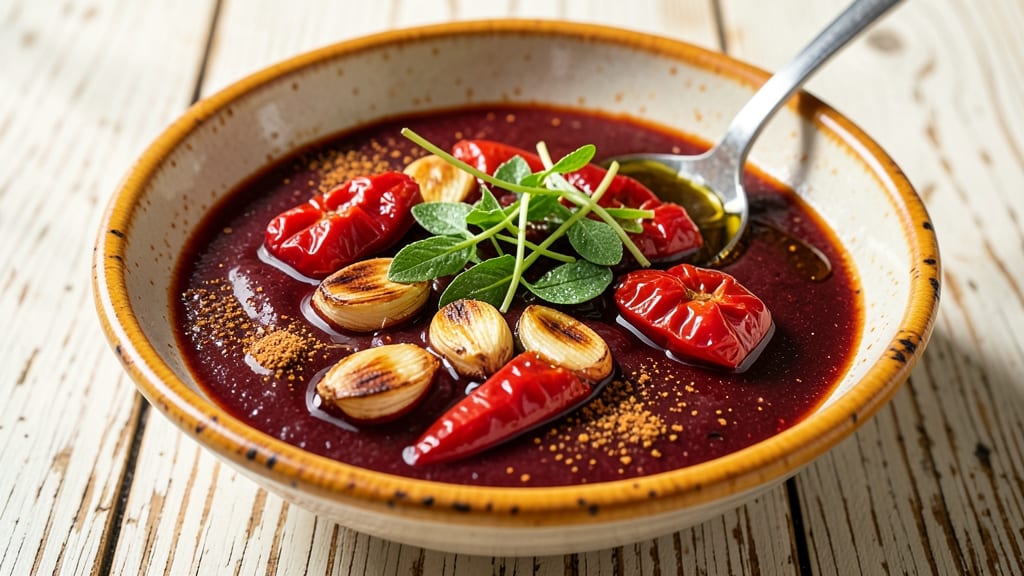
Argentine tuco sauce transforms any dish with its smoky, peppery depth—this bold chimichurri variation is the secret weapon behind Argentina's most unforgettable flavors. Unlike traditional chimichurri, tuco incorporates roasted peppers and meaty umami, creating a sauce that's rich enough to stand alone or pair with grilled meats, eggs, or even crusty bread. I developed this version after tasting it in a Buenos Aires parrilla, where it was served as both a condiment and a filling for empanadas.
The key to authentic tuco lies in its smoky base—charred peppers and garlic form the foundation, while oregano and vinegar add that signature Argentinian brightness. Unlike delicate chimichurri, this sauce holds up to heat, making it perfect for drizzling over hot dishes or using as a marinade.
The texture is thick but not pasty, with just enough oil to coat every bite without overwhelming the dish.
What makes this sauce truly special is its versatility. Use it as a bold topping for grilled steaks or chorizo, as a filling for stuffed peppers or empanadas, or even as a dip for fresh bread.
The smoky-sweet notes from the roasted peppers complement the heat of the oregano, creating a complex flavor that's both comforting and exciting. Once you try it, you'll never go back to regular chimichurri.
Best of all, this recipe scales effortlessly—make a big batch and store it in the fridge for up to a week, or freeze for longer storage. The flavors only deepen over time, making it the ultimate make-ahead sauce for any Argentinian-inspired meal. Let's get started on this flavor-packed creation.
Ingredients for argentine tuco sauce
Nine ingredients pack a punch—smoky, peppery, and full of Argentinian soul.
| Ingredient | Amount | Notes |
|---|---|---|
| Roasted Red Peppers 🍅 | 1 cup | Jarred or homemade, drained |
| Garlic Cloves 🧄 | 6 cloves | Fresh, roasted for smoky depth |
| Fresh Oregano 🌿 | ½ cup | Packed, stems removed |
| Extra-Virgin Olive Oil 🫒 | 1 cup | High quality, fruity variety |
| Red Wine Vinegar 🍷 | ¼ cup | Bold, dry variety preferred |
| Smoked Paprika 🌶️ | 1 tbsp | For authentic smoky flavor |
| Ground Cumin 🌿 | 1 tsp | Toasted for deeper aroma |
| Salt 🧂 | 1 tsp | Diamond Crystal preferred |
| Black Peppercorns 🌶️ | ½ tsp | Freshly cracked for texture |
The roasted red peppers are the heart of this sauce. Trader Joe's jarred peppers are my go-to—they're perfectly roasted and ready to use. If you're feeling ambitious, roast your own by charring red bell peppers under a broiler until blackened, then peeling off the skin. The garlic? Roast it too—toss whole cloves with olive oil, wrap in foil, and roast at 400°F for 20 minutes. That smoky depth is what sets tuco apart from regular chimichurri. Fresh oregano is non-negotiable here—dried just won't cut it. Grab a bunch from the grocery store's produce section and strip the leaves off the stems right away.
No roasted peppers? Sun-dried tomatoes at half the amount add a similar depth. Short on fresh oregano? Mexican oregano works perfectly, but use it at the same quantity. The smoked paprika is key for that authentic tuco flavor—Penzeys brand is my favorite, but any good quality smoked paprika will do. For the vinegar, stick with red wine—white wine vinegar won't give you that same bright, tangy kick. And if you're out of olive oil, avocado oil works in a pinch, though it won't have quite the same fruity complexity.
This sauce keeps beautifully—store it in a glass jar with a tight seal in the fridge for up to 1 week, or freeze for 3 months. The flavors actually improve over time, so make a big batch! I like to portion it into small jars for easy use—perfect for drizzling on grilled meats or using as a marinade. If it thickens up in the fridge, just stir in a splash of water or vinegar to loosen it back up. Trust me, you'll want to have this on hand all the time.
Why You'll Love This Recipe
- No-Chop Needed: I swear, this sauce comes together with just a knife for the garlic and maybe a quick chop of the oregano—no dicing peppers, no fancy prep. The roasted red peppers are already soft and jammy, so I just blend them straight from the jar if I’m lazy (and no one judges).
- Umami Bomb: That combo of roasted peppers, garlic, and red wine vinegar? It’s like a flavor grenade in the best way. The vinegar cuts through the richness, while the oregano adds this bright, herby punch—simple, but it sticks with you.
- Dresses Everything: Drizzle it on grilled chicken, toss it with pasta, or spoon it over roasted potatoes. I’ve even used it as a marinade for steak—it’s that versatile. Honestly, if I had a dollar for every time someone asked what sauce I was using, I’d retire.
- Leftovers That Don’t Let You Down: This sauce keeps for weeks in the fridge, and it only gets better as the flavors meld. I make a big batch on Sundays, then use it all week—no sad, wilted leftovers here. Plus, it’s cheap to make, so I’m not stressing about food waste.
Step-by-step instructions for smoky chimichurri with bold oregano heat
This Argentine tuco sauce delivers deep, smoky complexity with every fresh herb and roasted pepper.
Roast the Garlic Cloves for Smoky Depth
Preheat your oven to 400°F. Peel the 6 cloves garlic and place them on a small baking sheet. Drizzle lightly with 1 tablespoon of the extra-virgin olive oil and sprinkle with a pinch of salt. Roast for 15-20 minutes until golden brown and fragrant—you'll smell that unmistakable caramelized garlic aroma.
I like to press down gently on the cloves with a spoon during the first 5 minutes of roasting to prevent them from curling. When they're done, they should be soft enough to mash with the back of a fork but still hold their shape. Let them cool slightly before using—they'll be piping hot and ready to infuse the sauce with their smoky sweetness.
Blend the Roasted Red Peppers and Aromatics
Transfer the cooled roasted garlic cloves, 1 cup roasted red peppers, 0.5 cup fresh oregano, 1 tbsp smoked paprika, and 1 tsp ground cumin to a food processor. Pulse until you achieve a coarse, chunky texture—think of it like a thick paste with visible flecks of roasted pepper and garlic. You want to preserve some texture, not make a smooth sauce.
Here's where it gets good: I like to scrape down the sides with a spatula every 10-15 seconds to ensure even blending. The goal is to distribute the smoky paprika and cumin evenly while keeping those vibrant red pepper pieces intact. If you blend too long, you'll lose the rustic charm that makes tuco sauce so special.
Gradually Emulsify with Olive Oil and Vinegar
With the food processor running on low speed, slowly drizzle in the 1 cup extra-virgin olive oil through the feed tube. This gradual addition prevents the sauce from separating. After the oil is incorporated, add the 0.25 cup red wine vinegar and the 0.5 tsp cracked black peppercorns—this is where the tangy brightness comes in.
Let the mixture process for another 30 seconds until it reaches a thick, vibrant green sauce. You're looking for a consistency that's loose enough to drizzle but still clings to meat or vegetables. If it looks too thick, add 1-2 teaspoons of water or vinegar to loosen it. The sauce should be glossy with visible herb flecks and a deep, aromatic scent.
Rest and Adjust for Perfect Balance
Transfer the tuco sauce to a bowl and let it rest for at least 30 minutes at room temperature. This resting period allows all the flavors to meld together beautifully. Taste it now—you should notice the smoky depth from the roasted garlic and paprika, the bright acidity from the vinegar, and the earthy oregano heat.
Adjust the seasoning if needed. If it needs more salt, add it gradually—remember, the sauce will continue to develop flavor as it sits. If the heat from the oregano isn't balanced with enough acidity, add a splash more vinegar. The perfect tuco sauce should have a vibrant color, a perfect balance of smoky, tangy, and herby flavors, and a texture that's thick enough to cling but loose enough to drizzle.
Pro Tips For Making Argentine Tuco Sauce
- CHAR THE PEPPERS LOW: Roast the red peppers at 400°F (200°C) for 20-25 minutes until blistered and charred—don’t rush this. I used to cut corners with 15 minutes, and the sauce tasted flat; proper char adds depth that nothing else can. Cover the pan loosely with foil after 15 minutes to trap steam, then uncover to crisp the skin.
- PEEL PEPPERS HOT: Pull the roasted peppers straight from the oven, place them in a bowl, and cover with a clean kitchen towel. The residual heat will loosen the skins in 5-10 minutes—no need to shock in ice water. If you’re impatient, run them under cold water for 30 seconds, but the towel method works every time.
- CRUSH GARLIC COARSELY: Use the flat side of your knife to smash 3-4 garlic cloves directly in the pan before adding oil—this prevents burning and infuses the oil with flavor immediately. I learned this the hard way after burning garlic in olive oil and having to start over.
- VINEGAR LAST, NOT FIRST: Add the red wine vinegar after the sauce has simmered for 3-4 minutes, not at the beginning. It mellows out the acidity and brightens the flavors without making the sauce taste raw. If you add it too early, the oregano will turn bitter faster—trust me, you’ll taste the difference.
Pro cooking tips for perfect results
Roast for Smoky Depth
Roasting your garlic and peppers is non-negotiable for authentic tuco flavor. I roast the 6 garlic cloves at 400°F for 15-20 minutes until they're golden and fragrant. For the peppers, I use 1 cup jarred roasted red peppers (like Trader Joe's) because they've already developed that perfect smoky char.
If using fresh, char them under a broiler until blackened, then peel and cool before blending. This step builds the sauce's signature depth—don't skip it! 🌶️
Blend in Stages
Process the roasted ingredients first—peppers, garlic, oregano, and spices—until you get a coarse paste with visible texture. Then, with the machine running, slowly drizzle in the 1 cup olive oil through the feed tube. This gradual approach prevents separation and creates that perfect emulsified texture.
I add the red wine vinegar last to brighten the flavors without overpowering the smoky base. Pulsing too long turns tuco into a smooth paste—keep those rustic flecks! ⚡
Emulsify with Precision
For the best texture, blend the oil in slowly while scraping down the sides every 10-15 seconds. This ensures even distribution of the smoked paprika and cumin throughout the sauce. The final consistency should be thick but pourable—like a vibrant green, herby mayonnaise.
If it looks too stiff, add 1 tsp water or vinegar to loosen it. The sauce should coat the back of a spoon without being gluey. 💫
Rest for Flavor Fusion
Let the sauce rest for at least 30 minutes before tasting—this is when the flavors truly meld. I often wait 1 hour if I'm prepping ahead. During this time, the oregano heat softens slightly, and the vinegar's brightness balances the smokiness.
Taste and adjust: need more salt? Add it gradually. Too much heat? A splash of vinegar cuts through it beautifully. Patience here makes all the difference! 💡
Storage Secrets
Store tuco in a glass jar with a tight seal in the fridge for up to 1 week. The flavors actually improve over time, so make a big batch! For longer storage, freeze in ice cube trays—perfect for single-use portions.
When reheating, stir in 1 tsp water or vinegar to restore the right consistency. The sauce keeps its vibrant color and bold flavors, making it ready to elevate any dish at a moment's notice. 🌟
Equipment Essentials
You'll need a food processor for blending—avoid blenders as they can over-emulsify. A small baking sheet for roasting garlic and a spatula for scraping down sides are must-haves. I use a stainless steel bowl to rest the sauce—it keeps the flavors pure.
For roasting peppers, a broiler-safe pan works perfectly. These tools ensure you get that perfect texture every time. 🔥
Nutrition facts
Frequently asked questions
Can I make tuco sauce without roasting the garlic?
Roasting the garlic is key for that authentic smoky depth, but if you're short on time, you can use raw garlic instead. Just add 1 extra clove to compensate for the missing caramelized flavor. For best results, sauté the garlic in a dry pan for 1-2 minutes until golden before adding it to the food processor. The flavor won't be identical, but it'll still be delicious!
How can I use tuco sauce beyond grilled meats?
Tuco sauce is incredibly versatile! Drizzle it over grilled vegetables, use it as a marinade for chicken or shrimp, or spread it on toasted bread with melted cheese. It also makes an amazing filling for empanadas or stuffed peppers, or as a dip for freshly baked breadsticks. The smoky-sweet flavor works beautifully with almost any protein or veggie!
Why did my tuco sauce separate after blending?
Sauce separation usually happens when oil is added too quickly or the ingredients aren't properly emulsified. To fix it, stir in 1 tablespoon of red wine vinegar or 1 teaspoon of water and pulse briefly in the food processor. For prevention, always add oil very slowly while the machine is running, and scrape down the sides every 10-15 seconds. The sauce should be thick but pourable!
Can I adjust the heat level in this recipe?
If you prefer milder heat, reduce the oregano to 0.3 cup and add 0.5 teaspoon of sugar to balance the flavors. For extra heat, add 0.5 teaspoon of cayenne pepper or 1 chopped fresh chili pepper. Remember, the oregano provides both flavor and heat, so adjust carefully to maintain the sauce's authentic character.
What's the difference between tuco sauce and chimichurri?
Tuco sauce is essentially a smoky, meat-infused version of chimichurri! While traditional chimichurri uses parsley and no roasted peppers or smoked paprika, tuco incorporates these elements for deeper, richer flavor. Tuco also has a slightly thicker texture and more pronounced smokiness, making it perfect for dishes where you want that bold Argentinian character. Think of it as chimichurri's smoky, spicy cousin!