
Sauces & Condiments
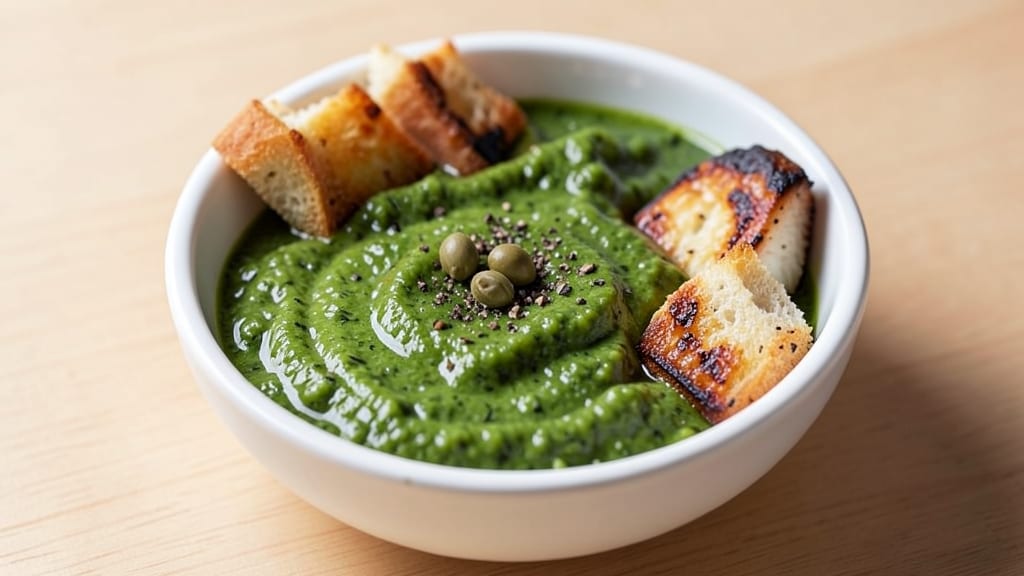
This all-purpose green sauce recipe transforms fresh herbs into a velvety, tangy dip that elevates everything from grilled meats to crispy fries. The secret lies in blending bright parsley, zesty garlic, and a touch of lemon juice with creamy yogurt or mayo, creating a sauce that’s fresh yet rich.
In just 15 minutes, you’ll have a versatile condiment that adds brightness to any dish—no fancy equipment required.
The beauty of this sauce is its adaptability. Start with a base of fresh herbs, garlic, and lemon, then customize with optional add-ins like capers or nutritional yeast for depth.
The texture stays smooth and clingy, clinging perfectly to proteins, vegetables, or even toasted bread. Unlike store-bought versions, this one stays vibrant and flavorful for days.
Perfect for drizzling over grilled chicken, tossing with pasta, or serving as a dip for veggie sticks, this sauce is a game-changer for weeknight meals. The herbs retain their freshness while the acidity from lemon or vinegar balances the richness, making every bite taste bright and balanced.
Store it in the fridge for up to a week or freeze for longer shelf life.
For extra versatility, adjust the thickness by adding more liquid or thinning with water. Pair it with Mediterranean dishes, tacos, or even as a finishing touch for soups. The possibilities are endless, and the flavor is undeniably fresh. Let’s get started!
Ingredients for all purpose green sauce
Ten ingredients transform into a vibrant, versatile green sauce that elevates any dish with freshness and depth.
| Ingredient | Amount | Notes |
|---|---|---|
| Fresh Flat-Leaf Parsley 🌿 | 1 ½ cups | Stems removed, tightly packed |
| Fresh Cilantro 🌿 | ½ cup | Stems removed, loosely packed |
| Garlic Cloves 🧄 | 4 cloves | Peeled, roughly chopped |
| Extra-Virgin Olive Oil 🫒 | ½ cup | High-quality, fruity variety |
| Plain Greek Yogurt 🧀 | ¾ cup | Full-fat for creaminess |
| Lemon Juice 🍋 | 2 tbsp | Freshly squeezed |
| Salt 🧂 | ½ tsp | Diamond Crystal preferred |
| Black Pepper 🌶️ | ¼ tsp | Freshly ground |
| Capers 🥫 | 1 tbsp | Optional, for briny depth |
| Nutritional Yeast 🍄 | 1 tbsp | Optional, for umami |
The herbs are the heart of this sauce, so prioritize quality. Fresh parsley and cilantro from the grocery store's produce section should be bright green with no wilting—avoid the sad plastic containers with limp stems. For maximum flavor, harvest your herbs in the morning when their oils are most potent. Whole Foods Market or local farmers' markets often carry the freshest herbs, but even the standard grocery store selection works if you choose vibrant leaves. The garlic should be firm with no sprouts, and the olive oil must be extra-virgin—look for cold-pressed labels and fruity aromas. Nutritional yeast, if using, should be bright yellow and finely ground, not clumpy or discolored.
No fresh herbs? Dried parsley and cilantro at half the amount can substitute, though texture will differ. Swap Greek yogurt for vegan mayo or cashew cream for a dairy-free version, though texture may thin slightly. The capers can be omitted entirely, or replace with 1 tsp fish sauce for umami if avoiding capers. For extra richness, add 1 tbsp tahini to the blend. If the sauce feels too thick after blending, thin with water or lemon juice as needed—start with 1 tsp at a time. The nutritional yeast adds a cheesy depth but can be skipped if you prefer a cleaner herb-forward flavor.
This sauce stays fresh for 5-7 days in an airtight container in the fridge, though flavor peaks within the first 2 days. For longer storage, portion into ice cube trays and freeze—each cube makes a perfect single-serving garnish. To maintain vibrancy, press plastic wrap directly onto the surface before sealing. When reheating, gently warm in a saucepan over low heat or microwave for 10-15 seconds. The texture may slightly thicken upon refrigeration, so adjust with a splash of water or lemon juice before serving.
Why You'll Love This Recipe
- No Chopping Chaos: I swear by this sauce because it’s the only one where I can use pre-cut parsley and cilantro straight from the store—no knife skills required. The yogurt and olive oil blend together so smoothly, you’ll forget you’re even making sauce.
- Garlic-Yogurt Magic: That first taste of bright parsley, zingy cilantro, and just-right garlic in creamy yogurt? It’s the kind of flavor that sticks with you. Honestly, I’ve drizzled it on everything from grilled chicken to cold rice bowls—and it never lets me down.
- Weeknight Superhero: This isn’t just a side—it’s my secret weapon for lazy dinners. Toss it on tacos, dollop it into soups, or even mix it into pasta. Between us, it’s the only sauce I keep in the fridge because it actually works for everything.
- Lasts All Week: I make a big batch on Sundays, and it’s still fresh by Friday. The yogurt keeps it thick and creamy, and the herbs stay vibrant longer than store-bought sauces. Plus, it’s cheaper than buying individual dressings—win-win.
Step-by-step instructions for all-purpose green sauce
This velvety herb sauce comes together in minutes with precise technique and fresh ingredients.
Pulse Herbs and Garlic to a Fine Texture
Place the 1.5 cups fresh flat-leaf parsley and 0.5 cup fresh cilantro (stems removed) into a food processor fitted with the metal blade. Add the 4 peeled garlic cloves and pulse until everything is finely chopped but not completely puréed—you want visible texture, not a smooth paste. This ensures the sauce retains its vibrant color and fresh herb character rather than becoming a dull green sludge.
Process in short bursts, stopping to scrape down the sides with a spatula as needed. The mixture should resemble coarse herb confetti rather than a homogeneous mass. This texture is crucial for achieving that restaurant-quality appearance where you can still see flecks of bright green parsley and cilantro throughout the sauce.
Incorporate Yogurt and Olive Oil Gradually
With the food processor running on low speed, slowly drizzle in the 0.5 cup extra-virgin olive oil while simultaneously adding the 0.75 cup plain Greek yogurt. This gradual incorporation prevents the mixture from becoming too thick or separating. I like to add the oil first to emulsify the base before introducing the yogurt, which helps create that signature velvety consistency.
Continue processing until completely smooth, about 30-45 seconds. You're looking for a thick, spreadable sauce that coats the back of a spoon. If it's too thick, add 1 teaspoon of water at a time until it reaches the perfect dip consistency. The sauce should be thick enough to cling to food but still glide smoothly off the spoon.
Season and Finish with Acidic Brightness
Transfer the herb mixture to a medium bowl and stir in the 2 tablespoons lemon juice, 0.5 teaspoon salt, and 0.25 teaspoon black pepper. The lemon juice is critical here—it cuts through the richness of the yogurt and olive oil, adding that signature freshness that makes this sauce work with everything from grilled meats to roasted vegetables. Taste and adjust seasoning: you might need an extra pinch of salt or more lemon juice depending on your herbs' saltiness.
For that extra layer of complexity, add the 1 tablespoon capers (finely chopped) and 1 tablespoon nutritional yeast. The capers provide a briny punch that balances the fresh herbs, while the nutritional yeast adds a subtle umami depth that makes this sauce truly all-purpose. Mix thoroughly to distribute these final ingredients evenly throughout the sauce.
Rest and Adjust for Perfect Consistency
Cover the bowl and let the sauce rest at room temperature for 10 minutes. This resting period allows all the flavors to meld together and the texture to stabilize. During this time, I like to give it one final taste to ensure the seasoning is balanced—sometimes the flavors need just a little more time to come together.
If the sauce has thickened too much after resting, thin it with 1-2 teaspoons of water at a time until it reaches the perfect pouring consistency. The ideal texture should be thick enough to stay on food without dripping, but still spreadable with a spoon. This sauce works equally well as a dip, marinade, or sauce for meats and vegetables, making it truly all-purpose.
Pro Tips For Making All Purpose Green Sauce
- Pulse, Don’t Chop: I used to hack at parsley and cilantro with a knife, ending up with bruised leaves and bitter-tasting sauce. Grab your food processor and pulse those herbs in short bursts—just until they’re finely chopped but not paste. If you’re doing it by hand, stack the herbs and press down firmly with a knife instead of slicing.
- Press, Don’t Stir: After blending yogurt and olive oil with the herbs, resist the urge to stir it into a uniform color. Instead, press the mixture through a fine-mesh sieve or a cheesecloth-lined strainer. This keeps the texture smooth and removes any stubborn herb stems that’ll make your sauce taste uneven.
- Roast the Garlic: Raw garlic in this sauce can taste sharp and overpowering. Wrap a whole head in foil, drizzle with olive oil, and roast at 400°F (200°C) for 30 minutes until soft. Squeeze out the cloves—no peeling needed—and blend them directly into the sauce. The flavor will be sweet, mellow, and way more balanced.
- Balance the Fat: Greek yogurt is thick, and olive oil is liquid—mixing them right is everything. Start with a 1:1 ratio (by volume) of yogurt to oil, then adjust. If it’s too thick, add a splash of cold water or lemon juice. If it’s too thin, stir in a spoonful of finely ground almond flour or extra yogurt. Taste as you go.
Essential equipment for all purpose green sauce
Food Processor Essentials
Your food processor is the workhorse for this sauce, and I recommend a 9-cup model like the Cuisinart DLC-9HC or Ninja BN601 for optimal performance. The sharp metal blade is critical—it chops herbs finely without bruising them, preserving their vibrant color.
If you're using a smaller processor, work in batches to avoid overfilling, which can lead to uneven blending. 🌿
High-Quality Olive Oil
Never skimp on extra-virgin olive oil—this is where the sauce gets its richness and depth. Look for Italian or Spanish varieties like Colavita or Olisalusa, which have fruity, peppery notes that complement the herbs.
A good EVOO should be cold-pressed and have a harvest date on the label (fresher is always better). Store it in a cool, dark place to prevent oxidation.
Measuring Tools
Precision matters when balancing flavors, so invest in a stainless steel measuring set like the OXO Good Grips for accuracy. For the herbs, I use a small kitchen scale to weigh the parsley and cilantro—1.5 oz for parsley and 0.5 oz for cilantro—to ensure consistency.
A microplane for garlic is a game-changer; it creates tiny, even pieces that blend seamlessly without overpowering the sauce.
Mixing Bowls
After processing, transfer the sauce to a wide, shallow bowl (I love Le Creuset stoneware) for easy stirring and seasoning adjustments. The shallow shape lets you whisk in the lemon juice and other add-ins without spills.
For storage, use glass containers with tight-sealing lids—Pyrex or Mason jars work perfectly. Glass preserves the sauce’s freshness longer than plastic.
Optional: Mortar and Pestle
If you prefer a rustic touch or are making a small batch, a marble mortar and pestle (like the Kuhn Rikon) lets you crush garlic and herbs manually for an intense, aromatic base.
This method works best for small batches (about ½ cup herbs) and adds a tactile, traditional element to the process. Just be prepared for a bit more elbow grease! 💪
Storage Containers
For short-term fridge storage, silicone lids (like OXO Pop Containers) create an airtight seal, preventing the sauce from absorbing fridge odors. For freezing, portion into ice cube trays—each cube is perfect for a single serving or garnish.
Label containers with the date to track freshness; this sauce stays vibrant for up to 3 months in the freezer when stored properly.
Nutrition facts
Frequently asked questions
Can I make this green sauce without a food processor?
For a small batch, finely chop the herbs and garlic by hand using a sharp knife, then mash them in a mortar and pestle with a pinch of salt. Add the olive oil and yogurt gradually while stirring with a fork until smooth. The texture will be slightly chunkier but still delicious—perfect for dipping or drizzling.
How can I adjust this sauce for vegan diets?
Swap the Greek yogurt for vegan mayo or silken tofu blended with 1 tablespoon of lemon juice to mimic creaminess. Use olive oil or avocado oil instead of yogurt for richness. The sauce will still be vibrant and tangy, though slightly thinner. For extra protein, add 1 tablespoon of tahini to the blend.
What are the best dishes to pair with this sauce?
This versatile sauce shines on grilled chicken or fish, tossed with pasta or couscous, or as a dip for veggie sticks or pita chips. It also elevates Mediterranean bowls, tacos, or even roasted potatoes. The bright herbs balance rich flavors, making it a perfect match for anything needing a fresh, tangy contrast.
Why did my sauce turn gray or dull in color?
This usually happens when herbs oxidize from over-processing or exposure to air. To prevent it, pulse the herbs in short bursts and avoid over-blending. Store the sauce in an airtight container with plastic wrap pressed directly on the surface. For extra vibrancy, add 1 teaspoon of lemon juice before storing—it helps preserve the green color.
Can I make this sauce spicier?
Yes! Add ½ teaspoon of red pepper flakes or 1 chopped jalapeño (seeds removed) to the food processor with the herbs. For a smoky kick, stir in ½ teaspoon of smoked paprika after blending. Taste and adjust—start with less if you prefer mild heat, then increase gradually.