
Sauces & Condiments
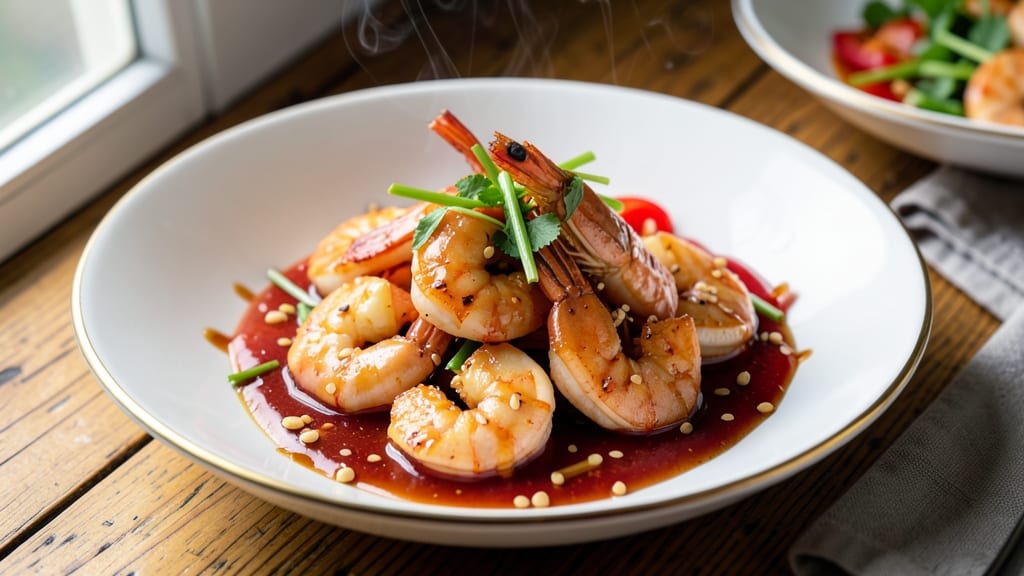
This Asian shrimp sauce recipe transforms simple stir-fries and noodles into restaurant-quality meals with just a few pantry staples. The secret lies in balancing sweet, salty, and umami flavors through fish sauce, soy sauce, and a touch of honey—creating a glaze that caramelizes beautifully on shrimp, chicken, or vegetables.
I developed this sauce after years of experimenting with takeout-inspired flavors, and it’s now my go-to for quick weeknight dinners that taste like they simmered for hours.
The sauce’s versatility is its greatest strength—use it as a marinade for shrimp skewers, a dipping sauce for fresh spring rolls, or a glaze for stir-fried noodles. The key ingredients—garlic, ginger, and chili—add depth without overpowering, while a splash of rice vinegar brightens the richness.
What makes this recipe stand out is its simplicity: no special techniques required, just a few minutes of prep and a 10-minute simmer to develop those complex flavors.
By the time you’re done, you’ll have a glossy, aromatic sauce that clings perfectly to proteins and vegetables, delivering a perfect balance of sweetness, saltiness, and a subtle kick. The best part?
It keeps well in the fridge for up to a week, so you can make a batch ahead and use it throughout the week. Whether you’re cooking for two or feeding a crowd, this sauce elevates any dish with minimal effort.
Pair it with steamed jasmine rice, fresh herbs, or sesame seeds for an extra layer of texture. The possibilities are endless—let’s get started on this umami-packed glaze that will change how you flavor your favorite Asian-inspired dishes.
Ingredients for asian shrimp sauce
Nine simple ingredients create this restaurant-quality shrimp sauce that transforms stir-fries and noodles instantly.
| Ingredient | Amount | Notes |
|---|---|---|
| Fresh Shrimp (Peeled and Deveined) 🦐 | 1 lb | Medium size, tails on for presentation |
| Fish Sauce 🍶 | ½ cup | Red Boat preferred for quality |
| Light Soy Sauce 🧂 | ⅓ cup | Kikkoman or similar |
| Honey 🍯 | ¼ cup | Wildflower for floral notes |
| Rice Vinegar 🍶 | ¼ cup | Seasoned preferred for depth |
| Garlic Cloves 🧄 | 6 cloves | Minced for aromatic base |
| Fresh Ginger 🌿 | 2 tbsp | Grated, for zesty kick |
| Red Chili Flakes 🌶️ | 1 tbsp | Adjust for heat preference |
| Sesame Oil 🫒 | 1 tbsp | Toasted for nutty aroma |
| Green Onions 🧅 | 3 whole | Sliced, for garnish and freshness |
The shrimp is the star here—fresh, medium-sized with tails on makes it perfect for skewers or garnishing. Red Boat fish sauce is non-negotiable for that authentic umami punch, but if you can't find it, Thai Kitchen brand works too. For the honey, wildflower adds subtle floral notes that balance the sauce beautifully. Ginger and garlic are the aromatic base—freshly grated and minced, not powdered. I always grab ginger from the Asian market section of my grocery store—it's fresher and more potent. The red chili flakes? Penzeys has amazing varieties if you want to experiment with different heat levels.
No fish sauce? Soy sauce plus a dash of Worcestershire gets you close, but you'll lose some depth. Short on honey? Maple syrup or agave works in a pinch, though the flavor won't be identical. The rice vinegar adds brightness—seasoned has a subtle sweetness that complements the sauce perfectly. If you can't find it, white vinegar plus 1 tsp sugar mimics it. The sesame oil should be toasted—Kadoya brand is my go-to, but any good-quality toasted sesame oil works. For the green onions, use the white and pale green parts only for the sauce, reserving the bright green tops for garnish.
This sauce keeps beautifully—1 week refrigerated or 3 months frozen. I always make a double batch because it disappears fast. Store it in a glass jar with a tight lid to preserve the aromatics. When reheating, add a splash of water to prevent it from thickening too much. The sauce caramelizes beautifully on shrimp, chicken, or vegetables—toss with jasmine rice and fresh herbs for a complete meal. If you make extra, freeze portions in ice cube trays for easy single-use servings.
Why You'll Love This Recipe
- Five-Ingredient Magic: I swear by this combo—just shrimp, a splash of fish sauce, a drizzle of honey, and a whisper of vinegar. No chopping, no fuss, and the balance of salty, sweet, and tangy hits every time.
- Umami Bomb: That fish sauce and soy sauce duo? It’s the secret weapon. Deep, savory, with just enough brightness from the vinegar to keep it lively—like a flavor party in your mouth.
- Weeknight to Dinner Party: Serve it over rice for a quick weeknight meal or drizzle it over grilled shrimp for guests. The sauce’s simplicity means it’s always appropriate, but never boring.
- Leftovers That Don’t Suck: Make a big batch—it keeps for days in the fridge. Toss it with noodles, stir into fried rice, or even slather it on sandwiches. (Yes, I’ve done that.)
Step-by-step instructions for Asian shrimp sauce
This umami-rich glaze transforms simple shrimp into a flavor explosion—here's how to make it shine.
Sear the Shrimp for Maximum Flavor
Heat a large skillet over medium-high heat and add the 1 lb fresh shrimp (peeled and deveined) with tails still attached for presentation. Cook for 2-3 minutes per side until they turn opaque and just begin to curl—they'll finish cooking in the sauce. I like to work in batches if needed to avoid crowding the pan, as this ensures even searing and prevents steaming.
Remove the shrimp and set them aside on a plate. You'll notice their edges are slightly caramelized from the heat, which adds depth to the final dish. Keep the shrimp warm while you make the sauce—they'll absorb the glaze beautifully when returned to the pan.
Build the Sauce Base with Aromatics
In the same skillet, reduce heat to medium and add 1 tablespoon sesame oil. Let it shimmer for 30 seconds before adding the 6 cloves minced garlic and 2 tablespoons grated fresh ginger. Cook for 1-2 minutes until the garlic becomes golden and fragrant—this is your signal that the aromatics are properly developed.
Next, stir in 1 tablespoon red chili flakes and cook for another 30 seconds to toast them slightly. This step releases their natural oils and intensifies the heat. The pan should now smell like a bustling Asian street market—this is where all the magic begins. If you're sensitive to heat, reduce the chili flakes slightly or remove them after adding the other ingredients.
Combine Wet Ingredients for Balance
Pour in 0.5 cup fish sauce and 0.33 cup light soy sauce, stirring constantly to scrape up any browned bits from the bottom of the pan. These bits, called fond, are packed with flavor. Let the mixture simmer for 2-3 minutes until it reduces slightly and becomes slightly thickened—this concentrates the umami flavors.
Add 0.25 cup honey and 0.25 cup rice vinegar, stirring well to combine. The sauce should bubble gently as the honey begins to melt and the vinegar adds a bright acidity. Taste at this stage—you're looking for a balance between sweet, salty, and tangy. If it needs more depth, add a splash of water or a pinch of sugar to adjust the balance.
Finish and Return Shrimp to the Pan
Return the seared shrimp to the skillet and gently toss everything together. Let the mixture simmer for 1-2 minutes until the shrimp are fully cooked through and the sauce has lightly thickened to a glossy glaze. The shrimp should be opaque throughout with no pink centers, and the sauce should coat them evenly.
Remove from heat and let the shrimp rest in the sauce for 1 minute to allow the flavors to meld. This resting period ensures the shrimp absorb the sauce completely, making each bite packed with flavor. Garnish with 3 sliced green onions just before serving to add a fresh, bright contrast to the rich sauce.
Serve Immediately for Best Results
Transfer the shrimp and sauce to a serving dish, making sure each piece is well-coated. The sauce should be glossy and sticky, clinging to the shrimp like a perfect glaze. Serve immediately over steamed rice, noodles, or stir-fried vegetables to enjoy the sauce at its peak texture and temperature.
This sauce keeps well in the refrigerator for up to 3 days if stored in an airtight container, but it's best enjoyed fresh. If reheating, do so gently over low heat to prevent the sauce from becoming too thick—add a splash of water or rice vinegar if needed to restore its silky consistency.
Pro Tips For Making Asian Shrimp Sauce
- Prep Shrimp Fast: Pat them bone-dry with paper towels before cooking—wet shrimp steam instead of sear, and you’ll end up with sad, gray shrimp instead of golden, caramelized ones. I learned this the hard way when my sauce turned out more like a sad shrimp stew.
- Simmer Honey Slow: Don’t dump honey in at the start—it burns faster than you think. Wait until the shrimp are halfway cooked, then add it with the fish sauce and soy. This keeps the sauce glossy and balanced, not bitter or cloying. (Yes, even if you’re impatient like me.)
- Balance Vinegar Last: Taste your sauce before adding rice vinegar—it’s the easiest way to over-sour a dish. A splash at the end lets you adjust brightness without wrecking the umami. I used to dump it all in early and wonder why my sauce tasted like a pickle factory.
- Use Cold Fish Sauce: Chill your fish sauce in the fridge for 10 minutes before measuring—it thickens when cold, so you’ll need less (about 15% less) without losing depth. My grandmother swore by this, and she was right: the sauce stays rich without being heavy.
Common mistakes when making your asian shrimp sauce
Overcooking Shrimp
Shrimp cook faster than you think, and once they turn opaque, they're done—no going back. I’ve ruined perfectly good shrimp by leaving them in the sauce too long after they’ve reached 165°F internal temperature.
Overcooked shrimp become rubbery and dry, no matter how good the sauce. Use a timer for 2-3 minutes per side when searing, and always check for doneness by cutting into the thickest piece.
Pro tip: Remove shrimp from the sauce just before they reach full doneness, then return them to finish cooking in the sauce. This keeps them tender while letting the sauce caramelize beautifully. 🦐
Skipping the Aromatics
Garlic and ginger are the flavor anchors of this sauce, and skipping them—or using powdered versions—robs it of depth. I once made this sauce with garlic powder and could taste the difference immediately.
Freshly minced garlic and grated ginger release their oils when cooked, creating a fragrant base that’s impossible to replicate with dried substitutes. Toast the aromatics for 1-2 minutes until golden for maximum flavor.
If you’re short on time, pre-mince the garlic and grate the ginger ahead of time to save 5 minutes during cooking. Just store them in the fridge in a sealed container with a damp paper towel to keep them fresh. 🧄
Ignoring the Fond
Those browned bits stuck to the bottom of your pan? That’s the fond, and it’s packed with flavor. Many home cooks scrape them out too soon, losing precious umami.
After adding the soy and fish sauces, let the mixture simmer for 2-3 minutes while stirring constantly to lift the fond into the sauce. This step is what transforms a good sauce into a great one.
If you’re worried about burning, keep the heat at medium-low and stir frequently. The fond should dissolve into the sauce, creating a richer, more complex flavor profile. 🔥
Balancing Flavors Incorrectly
The sauce needs harmony between sweet, salty, and tangy notes. I’ve seen people skip the rice vinegar or honey, leaving the sauce flat. Taste as you go—after adding the honey and vinegar, the sauce should taste slightly sweet, salty, and bright.
If it’s too salty, add a splash of water or a pinch of sugar. If it’s too sweet, a dash of soy sauce or a squeeze of lemon juice can help.
Remember, you can always adjust the sauce later, but it’s harder to fix an imbalance once it’s thickened. Keep a small bowl of water nearby to thin the sauce if needed. ✨
Using Low-Quality Ingredients
Not all fish sauces, soy sauces, or honey are created equal. I’ve used cheap fish sauce that tasted harsh and metallic, ruining the sauce’s depth. Invest in Red Boat fish sauce and Kikkoman soy sauce for the best results.
The same goes for honey—wildflower or clover honey adds subtle floral notes that complement the sauce beautifully, while store-brand honey can taste artificial.
If you’re on a budget, Thai Kitchen fish sauce is a decent alternative, and local honey works in a pinch. Just be prepared for slightly different flavor profiles. 🍯
Nutrition facts
Frequently asked questions
Can I make this sauce without shrimp?
This versatile sauce works perfectly as a dipping sauce for spring rolls, a marinade for chicken or tofu, or a glaze for stir-fried vegetables. The shrimp simply carry the sauce in the recipe, but the flavor profile remains rich and umami-packed when used independently.
How do I adjust the heat level?
Start with 1 tablespoon red chili flakes for mild heat, then adjust based on preference. For extra spice, add ½ teaspoon cayenne pepper or 1 teaspoon sriracha to the finished sauce. If you prefer no heat, simply omit the chili flakes entirely—the sauce will still be delicious and balanced.
Can I substitute honey with another sweetener?
Yes, but results may vary slightly. For a 1:1 substitution, use maple syrup or agave nectar—both work well in this sauce. If you're avoiding refined sugar, coconut sugar is another good option, though it may add a deeper caramel flavor. Always taste as you go to adjust the sweetness balance.
How long can I store leftover sauce?
The sauce keeps in an airtight container in the fridge for up to 1 week. For longer storage, freeze portions in ice cube trays—thaw and reheat gently over low heat with a splash of water. The texture may thicken slightly when frozen, so thin with a little water or vinegar when reheating.
What's the best way to use this sauce beyond shrimp dishes?
Try it as a dipping sauce for dumplings or spring rolls, a marinade for grilled chicken skewers, or a glaze for roasted vegetables. It also works wonderfully in noodle bowls—simply toss cooked noodles with the sauce and top with sesame seeds. The sauce's versatility makes it a perfect pantry staple for quick weeknight meals.